Support our educational content for free when you purchase through links on our site. Learn more
15 Magic Tricks to Amaze Anyone 🎩



A great magic trick doesn’t need fire, fancy props, or a suspiciously large cape. Start with a simple effect you can perform safely and naturally, then use clear timing and a memorable reveal to make it feel impossible.
We’ve seen a humble coin vanish get a bigger reaction than a complicated routine—not because the method was grand, but because the performer let the moment breathe. From beginner-friendly tricks with everyday objects to the psychology behind close-up magic, here’s how to make your next performance genuinely surprising.
Key Takeaways
- Presentation matters as much as the secret. Timing, attention, and storytelling turn a method into an experience.
- Start simple: Cards, coins, rubber bands, and paper offer plenty of material for beginner magic tricks.
- Practise from the audience’s point of view. Check your angles, hand positions, pacing, and recovery plan.
- Choose tricks to suit the audience and setting. A close-up coin vanish and a stage illusion need different conditions.
- Keep performances safe and honest. Avoid dangerous stunts, respect spectators, and present mentalism as entertainment.
Table of Contents
- ⚡ Quick Tips and Facts
- 🎩 What Is a Magic Trick?
- Magic, Illusion, and Misdirection Explained
- How Magic Tricks Fool the Eye and Mind
- 📜 A Brief History of Magic Tricks
- From Ancient Wonders to Modern Stage Magic
- Famous Magicians Who Changed the Art
- ✨ Types of Magic Tricks and Illusions
- Card Magic and Sleight of Hand
- Coin Magic and Close-Up Magic
- Mind Reading and Mentalism
- Stage Illusions, Escape Acts, and Grand Illusions
- Street Magic and Impromptu Magic
- 🪄 15 Easy Magic Tricks You Can Learn and Perform
- 1. The Disappearing Coin
- 2. The Jumping Rubber Band
- 3. The Rising Card
- 4. The Mind-Reading Number Trick
- 5. The Floating Pencil
- 6. The Vanishing Toothpick
- 7. The Self-Tying Shoelace
- 8. The Magnetic Finger Illusion
- 9. The Cut-and-Restored Paper Trick
- 10. The Balancing Fork Illusion
- 11. The Prediction Card Trick
- 12. The Water-That-Won’t-Spill Trick
- 13. The Vanishing Coin Through the Table
- 14. The Mind-Reading Color Trick
- 15. The Impossible Knot
- 🧠 The Secrets Behind a Convincing Magic Trick
- Misdirection, Timing, and Audience Attention
- Sleight of Hand, Angles, and Natural Movement
- Patter, Storytelling, and Building Suspense
- 📚 How to Learn Magic Tricks Step by Step
- Choosing Your First Trick
- Practice Methods for Smooth, Natural Handling
- Using Video Tutorials, Books, and Magic Clubs
- How to Rehearse for a Live Audience
- 🧰 Essential Magic Props and Beginner Equipment
- Everyday Objects You Can Use for Magic
- Beginer Card Decks, Coins, and Close-Up Mats
- Choosing Quality Magic Kits and Gimmicks
- 🎤 Performing Magic for Different Audiences
- Magic Tricks for Kids and Families
- Party Tricks and Icebreakers for Adults
- Close-Up, Street, and Stage Performance Tips
- 🛡️ Magic Trick Safety and Performance Etiquette
- Safe Props and Tricks to Avoid
- Respecting the Secret and Your Audience
- When to Use a Disclaimer
- 🎬 Making a Magic Trick Video Worth Watching
- Filming Angles, Lighting, and Clear Explanations
- Captions, Music, and Editing Without Spoiling the Effect
- 🔍 Common Magic Trick Mistakes and How to Fix Them
- Rushing the Reveal or Overexplaining
- Awkward Hand Positions and Flashing the Secret
- Recovering Gracefully When a Trick Goes Wrong
- ✅ How to Choose the Right Magic Trick
- Match the Trick to Your Skill Level
- Consider the Audience, Setting, and Available Props
- 🎭 Magic Tricks, Psychology, and the Art of Wonder
- Why People Enjoy Being Fooled
- Magic as Entertainment, Not Supernatural Power
- 🏁 Conclusion
- 🔗 Recommended Links
- ❓ FAQ
- 📖 Reference Links
Quick Tips and Facts
The first thing to know about magic tricks? The secret matters less than the performance. A simple effect delivered with relaxed hands, a clear story, and a well-timed reveal can feel more astonishing than an elaborate illusion performed nervously.
| Quick fact | What it means for you |
|---|---|
| Misdirection isn’t just “look over there.” | It guides attention through timing, movement, language, and audience expectations. |
| Practice for consistency, not speed. | A move that works slowly and naturally is more convincing than a fast, tense one. |
| Choose tricks for the room. | A card effect may suit a small group; a visual, large-scale illusion needs sightlines and space. |
| Ordinary objects can make strong magic. | Coins, rubber bands, paper, and playing cards are enough to get started. |
| Safety is part of the method. | Avoid fire, blades, choking hazards, and risky stunts unless you have qualified training and appropriate safeguards. |
| A good reveal gives the audience a moment to react. | Don’t rush to explain, repeat, or immediately perform another trick. Let the astonishment breathe. |
For the bigger story behind the art, see 🪄 Magic Tricks: From Ancient Mystery to Modern Wonder. We’ll start with the basics, then work toward practical effects you can perform with everyday objects.
What Is a Magic Trick?
A magic trick is a performance that creates the impression of an impossible event: a coin vanishes, a card appears in an impossible place, or a performer seems to read someone’s mind. The audience sees the effect; the magician carefully controls how it happens, what people notice, and when they notice it.
Magic is entertainment, not evidence of supernatural powers. Its artistry lies in combining method with presentation. The method might involve sleight of hand, a prepared prop, a mathematical principle, a hidden switch, or a clever use of attention. The presentation turns that method into a memorable experience.
Magic, Illusion, and Misdirection Explained
These terms overlap, but they are not identical:
| Term | Meaning | Example |
|---|---|---|
| Magic trick | A complete effect presented as an impossible event | A selected card appears inside a sealed envelope |
| Illusion | A perception that differs from the underlying reality | A stage prop appears to make someone vanish |
| Sleight of hand | Skilled, controlled handling that conceals a secret action | Secretly controlling a playing card |
| Misdirection | Directing attention away from a secret at the right moment | A gesture draws attention to the hand holding the visible object |
| Mentalism | Performance that appears to demonstrate mind reading, prediction, or influence | A performer reveals a participant’s thought-of word |
| Patter | The spoken story or framing that accompanies an effect | Explaining why a coin is about to “travel” between hands |
Misdirection is not a magical force field around your hands. It works best when the audience has a good reason to look where you want them to look. The Library of Congress preserves historical material related to performance and popular entertainment, while the International Brotherhood of Magicians offers a window into the modern magic community.
How Magic Tricks Fool the Eye and Mind
Audiences don’t observe everything equally. We make assumptions, follow movement, and focus on what seems meaningful. Magicians use those everyday habits—not a flaw in the audience—to shape the experience.
- Attention: People tend to notice a gesture, object, or spoken cue that appears important.
- Expectation: If the audience believes a coin is in one hand, they may interpret a closing hand as proof.
- Memory: Viewers often remember the overall effect more clearly than each small movement.
- Timing: A secret action is easier to conceal when it happens during a natural moment.
- Framing: A simple change can feel impossible when the audience knows exactly what to watch.
This is why we teach performance alongside technique. A secret move can be mechanically perfect and still look suspicious if it feels out of place.
A Brief History of Magic Tricks

Magic has long been part of entertainment, ritual, storytelling, and public spectacle. Its forms have changed as audiences, technology, and performance spaces have changed. Our Magic History archive explores more of that story.
From Ancient Wonders to Modern Stage Magic
Accounts of magical performance reach back centuries. As printed books, traveling performers, theaters, and eventually film and television spread, magic developed into a more visible performing art. Modern performers now work in theaters, close-up settings, street environments, social media, and television competitions.
The History of Magic is not a single straight line from ancient mystery to modern spectacle. Different cultures developed different performance traditions, and the same basic principle—creating a surprising experience—can appear in very different forms.
Famous Magicians Who Changed the Art
A few names often appear in discussions of magic’s development:
- Jean-Eugène Robert-Houdin helped establish theatrical magic as a polished stage art in the nineteenth century.
- Harry Houdini became famous for escape performances and for challenging claims of spiritualist powers.
- Dai Vernon, known as “The Professor,” influenced generations of close-up card magicians.
- David Copperfield brought large-scale theatrical illusions to television and live audiences.
- Penn & Teller are known for combining magic with comedy, commentary, and audience expectations.
The Magic Circle and International Brotherhood of Magicians offer additional context on magic as a professional and community art.
Types of Magic Tricks and Illusions
Different kinds of magic call for different skills, props, and performance conditions. Here’s a quick comparison:
| Magic style | Typical setting | Common methods | Best for |
|---|---|---|---|
| Card magic | Close-up, parlor, online video | Handling, force, control, prediction | Small groups and repeatable practice |
| Coin magic | Close-up, walk-around | Concealment, transfers, timing | Informal settings and visual effects |
| Mentalism | Parlor, stage, close-up | Psychology, structure, prepared information | Story-led performances |
| Stage illusions | Theater, large venue | Props, choreography, lighting, sightlines | Large audiences |
| Street magic | Public spaces, filmed performances | Portable effects, audience management | Short, visual interactions |
Card Magic and Sleight of Hand
Playing cards are portable, familiar, and endlessly adaptable. A card trick can use a secret control, a calculated sequence, a prepared deck, or pure sleight of hand. Beginners should focus on handling and clarity before adding complex moves.
Explore our Card Tricks collection. If you’re choosing a deck, Bicycle Playing Cards are widely available and familiar to many audiences. A regular deck is enough for plenty of strong effects; specialized decks are useful when a specific routine needs one.
Coin Magic and Close-Up Magic
Coin magic happens close to the audience, so the hands and timing matter enormously. A vanish can be deceptively difficult: the audience should remember where the coin went, not suspect where it is now.
Our Coin Tricks and Close-Up Magic categories cover compact effects suited to small groups. Start with one coin and one clear effect before adding extra coins or complicated sequences.
Mind Reading and Mentalism
Mentalism creates the impression that the performer can reveal thoughts, predict choices, or influence decisions. Strong mentalism depends on clear conditions, compelling presentation, and audience trust. It should be framed as entertainment rather than a claim of paranormal ability.
Stage Illusions, Escape Acts, and Grand Illusions
Stage magic is designed for people seated at a distance. Scale, lighting, blocking, and sightlines are central to the effect. Escape acts and grand illusions can involve substantial physical and equipment risks, so they are not suitable for casual imitation.
Browse our Illusions archive for more on visual magic. Never copy a dangerous stunt from a video. A camera angle can hide safety systems, professional riging, rehearsals, and trained support staff.
Street Magic and Impromptu Magic
Street and impromptu magic rely on portability and quick audience connection. A rubber band, a coin, or a borrowed object can make the effect feel immediate, but you still need permission, a clear performance space, and awareness of your surroundings.
15 Easy Magic Tricks You Can Learn and Perform
These approachable effects use everyday objects or simple methods. Some are classic principles; others are demonstrations rather than secret-based illusions. Practice privately, use safe materials, and never claim that a method proves paranormal powers.
1. The Disappearing Coin
Effect: A coin appears to vanish from one hand.
What you need: One coin and a table or seated audience.
- Hold the coin between the thumb and fingers of your dominant hand.
- Bring your other hand over as if taking the coin.
- Let the coin remain concealed in the first hand as the second hand closes.
- Look toward the hand that appears to hold the coin.
- Open it slowly to show it empty.
- Keep the concealed coin safely palmed until you can reset naturally.
Practice note: Don’t squeeze your concealed hand into a fist. Relaxed fingers look less suspicious. For more ideas, browse Coin Tricks.
2. The Jumping Rubber Band
Effect: A rubber band appears to jump from two fingers to another pair.
- Place a rubber band around the tips of your index and middle fingers.
- Turn the hand slightly so the audience sees the band clearly.
- Secretly trap the band around all four fingertips inside the closed hand.
- Close the hand, keeping the fingers bent.
- Open the hand in one smooth motion; the band shifts onto the ring and little fingers.
- Pause after the jump so everyone has time to register the change.
Use a fresh band that is not brittle. If it snaps, the trick stops being magic and starts being an unpleasant surprise.
3. The Rising Card
Effect: A selected card appears to rise from the deck.
- Have someone select and remember a card.
- Return it to the deck and use a beginner-friendly control or a prepared method to position it.
- Hold the deck upright, keeping the handling natural.
- Create the impression that the selected card is moving upward.
- Reveal the card clearly and allow the audience to inspect the result.
There are many methods for this effect, so choose a tutorial suited to your experience. Our Card Tricks section is a useful place to explore related routines.
4. The Mind-Reading Number Trick
Effect: You reveal the result of a simple arithmetic sequence.
- Ask a participant to choose a whole number.
- Have them multiply it by two.
- Ask them to add a number you specify.
- Have them divide the result by two.
- Ask them to subtract their original number.
- The result is determined by the number you asked them to add.
For example, if you ask them to add 10, the final result is 5. Present it as a prediction or revelation, but don’t claim it demonstrates genuine mind reading. The method is arithmetic; the performance is the magic.
5. The Floating Pencil
Effect: A pencil appears to cling to your hand.
- Hold a pencil in one hand and turn your palm partly away from the audience.
- Use the thumb of your other hand to steady the pencil from behind.
- Keep the supporting thumb hidden by your hand and the pencil.
- Slowly open the visible fingers while maintaining the support.
- Close your fingers again, then remove the supporting hand naturally.
Keep the viewing angle limited and the movement slow. This is a simple visual illusion, not a floating object.
6. The Vanishing Toothpick
Effect: A toothpick seems to disappear from your hand.
- Use a blunt, safe prop toothpick—or substitute a paper straw segment.
- Hold it in a way that lets your hand conceal it from the audience’s view.
- Make a small, natural gesture as if closing your fingers around it.
- Keep the hidden object secure and show the hand empty.
- Reset out of view.
Safety first: Don’t put sharp toothpicks in your mouth or invite children to handle them.
7. The Self-Tying Shoelace
Effect: A loose lace appears to tie itself.
- Begin with a lace that is already arranged to make the final tie quick and convincing.
- Explain that you’ll try to tie the lace without using your hands.
- Bend as if concentrating on the shoe, keeping the key handling blocked from view.
- Complete the tie during a natural movement or moment of distraction.
- Straighten up and let the audience notice the result.
This is a comic effect, so the joke and timing matter more than speed. Don’t perform it where bending or moving could cause a fall.
8. The Magnetic Finger Illusion
Effect: Two fingers seem to stick together or move impossibly.
- Hold your index fingers near one another.
- Align them so the audience has a clear view of their tips.
- Use a concealed support or controlled hand position to create the appearance of magnetic attraction.
- Move slowly and maintain the same viewing angle.
- Separate the fingers and show your hands naturally.
This effect depends heavily on angle. Try it in a mirror and test it with a friend seated in different positions.
9. The Cut-and-Restored Paper Trick
Effect: Paper appears to be cut and restored.
- Fold a strip of paper so the audience can see the apparent cutting area.
- Prepare the arrangement so the visible cut does not sever the section that must remain intact.
- Make the cut where the audience expects the separation to happen.
- Unfold the strip carefully to reveal the restored appearance.
- Dispose of any sharp scissors safely.
Use blunt-ended craft scissors around children, and never direct blades toward yourself or anyone else.
10. The Balancing Fork Illusion
Effect: A fork appears to balance in an unlikely position.
- Connect two forks securely using their tines.
- Attach a toothpick or other safe, lightweight support between them.
- Find the balance point on the rim of a sturdy glass.
- Adjust the angle gradually until the arrangement appears precarious but stable.
- Keep the setup away from table edges and breakable objects.
This is a balance demonstration, not a secret levitation effect. Use sturdy glassware and don’t perform over someone’s face or hands.
11. The Prediction Card Trick
Effect: A prediction matches a participant’s selected card.
- Write or place your prediction before the reveal.
- Use a method that ensures the chosen card and prediction will match.
- Invite a participant to make a selection under the conditions of your routine.
- Keep the prediction visible but unread until the key moment.
- Reveal the prediction and the card together.
The exact method varies. Don’t imply the choice was completely free if your procedure restricted it. Honest framing makes the performance stronger, not weaker.
12. The Water-That-Won’t-Spill Trick
Effect: Water appears to stay inside an inverted container.
- Use a sturdy cup and a piece of card or mesh designed for a simple demonstration.
- Fill the cup only partially over a sink or tray.
- Cover the opening securely.
- Turn the cup over slowly while supporting the cover.
- Test the setup over a basin before performing it for anyone.
This is a small physics demonstration and can still be entertaining. Don’t use glass, perform above electronics, or let young children handle the setup unsupervised.
13. The Vanishing Coin Through the Table
Effect: A coin appears to pass through a tabletop.
- Place a coin on the table where everyone can see it.
- Cover it with one hand or a small cloth.
- Use a concealed movement to take the coin while making a sound or gesture that suggests it is passing through.
- Reveal the empty space above the table.
- Produce the coin from below or from a surprising location.
The effect depends on timing and a convincing story. Learn the handling from a reputable close-up magic tutorial rather than rushing the secret action.
14. The Mind-Reading Color Trick
Effect: You appear to know which color someone is thinking of.
- Ask a participant to imagine a short list of colors or objects.
- Use a clearly structured verbal sequence that narows their choices.
- Guide the participant through the procedure without making the choices feel forced.
- Reveal the likely selection with a pause and a specific statement.
- If the participant chooses differently, respond graciously and continue the routine honestly.
This is a performance experiment, not reliable mind reading. Keep it playful, and don’t pressure anyone to participate.
15. The Impossible Knot
Effect: A rope or shoelace appears to form a knot under impossible conditions.
- Hold a short rope or lace with both hands.
- Cross your arms before gripping the ends.
- Pull your arms apart while maintaining the crossed position.
- Adjust the rope so the knot appears as the hands separate.
- Practice the motion until it looks relaxed rather than like a puzzle demonstration.
The effect is simple, but a short story—“Can you tie a knot without letting go?”—gives it a reason to exist.
The Secrets Behind a Convincing Magic Trick
The audience doesn’t need to know how much practice went into an effect. They should experience a clear impossibility, not a backstage tour of your nerves. The practical rule we return to is this: make the method feel unimportant by making the moment meaningful.
Misdirection, Timing, and Audience Attention
Misdirection works when your attention cue makes sense. If you stare dramatically at your empty hand while secretly moving a coin with your other hand, the audience may notice the mismatch. Instead, let your eyes, words, and gestures point naturally to the part of the story that matters.
- Direct attention before a secret action, not after it.
- Move with purpose: unnecessary fidgeting attracts attention.
- Use pauses: a beat before the reveal helps the audience follow the effect.
- Avoid repeating a trick immediately if repetition would expose the method.
- Test from different angles, especially for close-up effects.
Sleight of Hand, Angles, and Natural Movement
Good sleight of hand should look like ordinary handling. The secret action should not be faster or more dramatic than everything around it. Practise until the move is comfortable, then practise while speaking and looking at a person rather than at your hands.
A useful training sequence:
- Learn the move slowly.
- Check the angles in a mirror or record a practice video.
- Perform the move while telling the routine’s story.
- Ask a trusted observer what looked unusual.
- Adjust and repeat until the handling feels natural.
Patter, Storytelling, and Building Suspense
Patter gives the audience a reason to care. A coin can vanish as a technical demonstration, or it can “travel” because of a story you build around it. Neither approach is universally best: a comedy audience may want quick jokes, while a formal stage audience may respond to suspense and atmosphere.
A simple structure:
- Open: Introduce the object and the question.
- Build: Establish what should be impossible.
- Turn: Make the key change.
- Reveal: Show the result clearly.
- Pause: Let the audience react before continuing.
How to Learn Magic Tricks Step by Step
Learning a magic trick is part choreography, part craft, and part audience testing. Don’t collect secrets as if they’re trading cards. Choose one effect, learn it properly, and perform it well.
Choosing Your First Trick
Pick a trick that fits your hands, props, setting, and personality.
| If you want… | Try… | Watch out for… |
|---|---|---|
| A portable effect | Coin or rubber-band magic | Close-up angles and natural handling |
| Something familiar | Card magic with a regular deck | Overcomplicated procedures |
| A no-prop opener | A simple verbal or number effect | Framing it as supernatural |
| A visual moment | A safe, simple object illusion | Lighting and viewing angles |
| A family-friendly routine | Paper, cards, or a soft prop | Small pieces and sharp tools |
Browse Card Tricks or Coin Tricks to compare styles.
Practice Methods for Smooth, Natural Handling
A practice routine should cover more than the secret move:
- Technique: Can you perform the method correctly?
- Appearance: Does the action look natural?
- Angles: Can people see anything they shouldn’t?
- Pacing: Does the audience have enough time to understand the effect?
- Recovery: Can you respond calmly if a card falls or a participant chooses unexpectedly?
Record yourself from the audience’s viewpoint. A mirror helps with posture, but a video reveals whether your timing and hand positions look suspicious when you’re not watching yourself perform.
Using Video Tutorials, Books, and Magic Clubs
Video is useful for seeing movement and timing, while books often explain principles and variations in more depth. Reputable magic organizations can also help learners find community and guidance: the International Brotherhood of Magicians and The Magic Circle publish information about membership and magic as a performing art.
The competing Evan Era magic tutorial video presents a collection of effects, including a wine-glass card change, a vanishing-coffee effect, a dollar-through-rubber-band routine, and a card-to-shirt transformation. It can be a lively source of performance ideas, but don’t assume every trick shown is equally suitable for every age, setting, or skill level. Choose one effect, check its safety, and practise before performing.
How to Rehearse for a Live Audience
Rehearse the full routine, including the introduction, pauses, cleanup, and reset. Ask a friend to watch without helping you. Afterward, ask:
- What did you think happened?
- Which moment felt clearest?
- Did anything look unnatural?
- Was the effect too fast or too slow?
- Would you want to see another trick?
That last question matters. A routine is not just a method; it’s a social moment.
Essential Magic Props and Beginner Equipment
You don’t need a suitcase full of gimmicks to begin. A standard deck, a few coins, rubber bands, paper, and a practice surface can cover a surprising range of effects.
Everyday Objects You Can Use for Magic
| Object | Possible use | Practical note |
|---|---|---|
| Playing cards | Selections, predictions, transformations | Use a clean deck with consistent handling |
| Coins | Vanishes, appearances, transfers | Choose a coin large enough to see |
| Rubber bands | Penetration and jumping effects | Replace brittle bands |
| Paper | Predictions, folds, cut-and-restored effects | Use scissors carefully |
| Rope or laces | Knots and visual sequences | Avoid trip hazards |
| Cups and cards | Simple physical demonstrations | Practise over a tray or sink |
Beginner Card Decks, Coins, and Close-Up Mats
A regular Bicycle deck is a sensible starting point because it is familiar and easy to replace. Use ordinary coins for practice, taking care not to choose anything sharp, damaged, or unusually slippery. A close-up mat can help with card handling and protect a table, but it is optional.
For close-up inspiration, see our Close-Up Magic collection.
Choosing Quality Magic Kits and Gimmicks
A magic kit can provide structure and a handful of effects, but quality varies. Before buying one:
- Check the recommended age range and safety warnings.
- Look for clear instructions, not just a box of props.
- Prefer effects that can be practised repeatedly.
- Read reviews critically; a kit may be fun for children but too basic for an experienced hobbyist.
- Avoid props that rely on dangerous stunts or misleading claims.
The best beginner purchase may be a book or a regular deck, not a gimmick. Skills travel from one routine to another; a specialized prop may not.
Performing Magic for Different Audiences
A good trick is not automatically a good performance for every audience. Adjust your pacing, language, and visual choices to the room.
Magic Tricks for Kids and Families
For children, keep instructions simple and effects visual. Let them participate without making them feel embarrassed if they guess the method or choose an unexpected object. Avoid small, swallowable parts, sharp tools, fire, latex exposure when relevant, and any trick that invites a child to imitate a dangerous stunt.
A family audience often enjoys a clear transformation or an amusing surprise more than a long explanation. Keep the routine short enough that the final reveal lands before attention wanders.
Party Tricks and Icebreakers for Adults
At parties, ask before borrowing someone’s phone, drink, jewelry, or personal item. Choose tricks that reset quickly and don’t require a quiet theater. A short card or coin effect can work well, but be mindful of personal space and anyone who would rather watch than participate.
Close-Up, Street, and Stage Performance Tips
- Close-up: Keep the group close enough to see, but don’t crowd anyone.
- Street: Know local rules, keep pathways clear, and never block emergency access.
- Stage: Check sightlines, lighting, sound, and volunteer access before beginning.
- Online video: Be transparent about edits when they materially affect what viewers believe happened.
The Magic Circle and International Brotherhood of Magicians are useful starting points for learning about professional and community performance standards.
Magic Trick Safety and Performance Etiquette
A secret is never worth an injury. Treat safety as part of the performance design, not as an afterthought.
Safe Props and Tricks to Avoid
✅ Safer beginner choices include cards, soft props, paper, and ordinary coins used responsibly.
❌ Avoid casual imitation of:
- Fire or chemical effects
- Knife, razor, or blade stunts
- Choking, swallowing, or breath-control challenges
- High falls, restraints, or escape acts
- Electrical stunts
- Tricks involving a vehicle, traffic, or public hazards
A video may omit rehearsals, special equipment, spoters, and safety procedures. If a trick relies on a physical hazard, choose a safer alternative rather than trying to recreate it.
Respecting the Secret and Your Audience
Magic thrives when audiences can enjoy the mystery. Don’t expose another performer’s method without permission, and don’t pressure spectators to explain their reactions. Respect people who decline to participate, and never use a trick to obtain private information, manipulate someone into a decision, or embarrass a volunteer.
When to Use a Disclaimer
If a mentalism routine could be mistaken for a claim of psychic ability, frame it as entertainment. If a trick uses an optical illusion or arithmetic principle, you can say so afterward if asked. Mystery is fun; deceiving people about important real-world decisions is not.
Making a Magic Trick Video Worth Watching
A camera changes magic. It can reveal angles that a live audience would not see, and editing can create effects that were never possible in real time. That doesn’t make video magic invalid; it means creators should be thoughtful about presentation.
Filming Angles, Lighting, and Clear Explanations
- Position the camera where the intended audience would be.
- Check reflections in glass, screens, and shiny props.
- Use enough light to show the effect without exposing hidden handling.
- Keep the framing steady during the crucial moment.
- Test the routine from more than one camera angle.
If you’re making a tutorial, explain what viewers need to practise and include the limitations of the method. A trick that only works from one angle should be described honestly.
Captions, Music, and Editing Without Spoiling the Effect
Captions can help viewers follow the sequence, while music can support mood. Keep both secondary to the effect. Avoid cuts that falsely suggest a continuous action if continuity is central to the claim.
The Top Talent AGT compilation collects large-scale performances, including acts by The Sentimentalists, and can be useful for studying pacing, theatrical framing, and audience reaction. Treat a compilation as performance inspiration, not a tutorial: stage acts often rely on specialist equipment, teams, rehearsals, and controlled conditions.
Common Magic Trick Mistakes and How to Fix Them
Most beginner problems are fixable. The key is to diagnose what the audience sees, not just what you intended.
Rushing the Reveal or Overexplaining
If the reveal happens too quickly, people may notice it. If you explain every movement, they may start looking for a method. Give the effect a clear beginning and end, then pause.
Awkward Hand Positions and Flashing the Secret
A “flash” is a moment when the audience sees something you meant to conceal. Practise in the actual setting and check multiple viewing angles. If your fingers are tense or your shoulders turn oddly, simplify the handling.
Recovering Gracefully When a Trick Goes Wrong
A dropped card or imperfect prediction doesn’t need to become a catastrophe. Stay relaxed, acknowledge the moment with humor if appropriate, and move on. Don’t blame the volunteer or insist that the audience “must have missed it.”
A calm recovery is often more memorable than a flawless but stiff performance.
How to Choose the Right Magic Trick
The best trick for you is one you can perform safely, clearly, and with genuine enjoyment.
Match the Trick to Your Skill Level
| Experience | Good starting point | Next step |
|---|---|---|
| New to magic | Self-working card or number effect | Add a clear story and confident reveal |
| Practising regularly | Basic coin or card handling | Work on timing and angles |
| Experienced hobbyist | Multi-phase routine or audience interaction | Refine pacing, structure, and reset |
| Performing publicly | Effects tested with real audiences | Build a consistent set suited to the venue |
Don’t let a trick’s apparent difficulty impress you more than its reliability. A strong simple routine beats a complicated effect that fails under pressure.
Consider the Audience, Setting, and Available Props
Before choosing, ask:
- How many people need to see?
- How close will they be?
- Can spectators inspect or handle the props?
- Is there enough light and space?
- How long should the effect last?
- Can you reset quickly?
- Is the trick suitable for the audience’s age and comfort level?
A card routine may be ideal at a table and nearly invisible from the back of a hall. A large visual effect may work onstage but feel cumbersome at a dinner party.
Magic Tricks, Psychology, and the Art of Wonder
Magic succeeds because audiences willingly enter a shared game: the performer presents an impossible event, and viewers try to understand it. The best performances respect that relationship.
Why People Enjoy Being Fooled
People often enjoy a mystery when they feel safe, entertained, and respected. Surprise invites conversation: “How did that happen?” The moment becomes a shared experience rather than a test the audience is expected to fail.
A good magician doesn’t treat spectators as gullible. We treat them as collaborators who are helping the story unfold.
Magic as Entertainment, Not Supernatural Power
Magic tricks can imitate supernatural effects, but a performance is not proof of paranormal powers. Mentalism can be compelling without claiming genuine mind reading, and an illusion can be astonishing without pretending to violate the laws of nature.
That distinction helps audiences enjoy the experience while keeping claims honest. It also protects the trust that makes live magic work.
🎬 Featured Video: Great Magic Acts and Performance Ideas
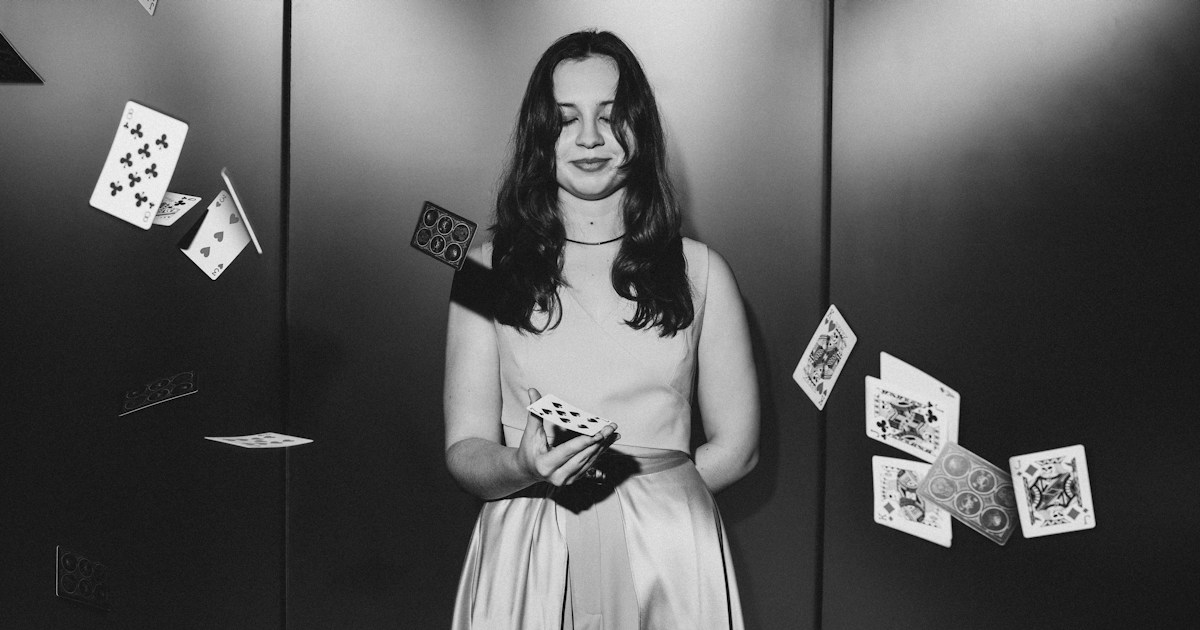
The featured AGT magic compilation, “Magic Tricks That NOBODY Could Explain! 🔮 Best Magicians EVER on America’s Got Talent!”, presents large-scale performances and audience reactions. It includes The Sentimentalists and other acts, making it useful for observing how performers build suspense, direct attention, and land a reveal for a big room.
One caution: a TV-ready illusion is not a beginner tutorial. The camera, stage, lighting, production crew, and rehearsal process all shape what viewers see. Watch for presentation ideas, but don’t imitate hazardous stunts or assume the video reveals everything about the method.
For accessible, hands-on trick ideas, compare it with Evan Era’s magic tutorial video, which features everyday-object effects such as a rubber-band penetration and a vanishing-coffee routine. The two videos serve different purposes: one is a showcase of polished acts; the other is closer to a collection of practical trick demonstrations.