Support our educational content for free when you purchase through links on our site. Learn more
🎩 7 Secrets to Master Your Magic Stage Presence (2026)



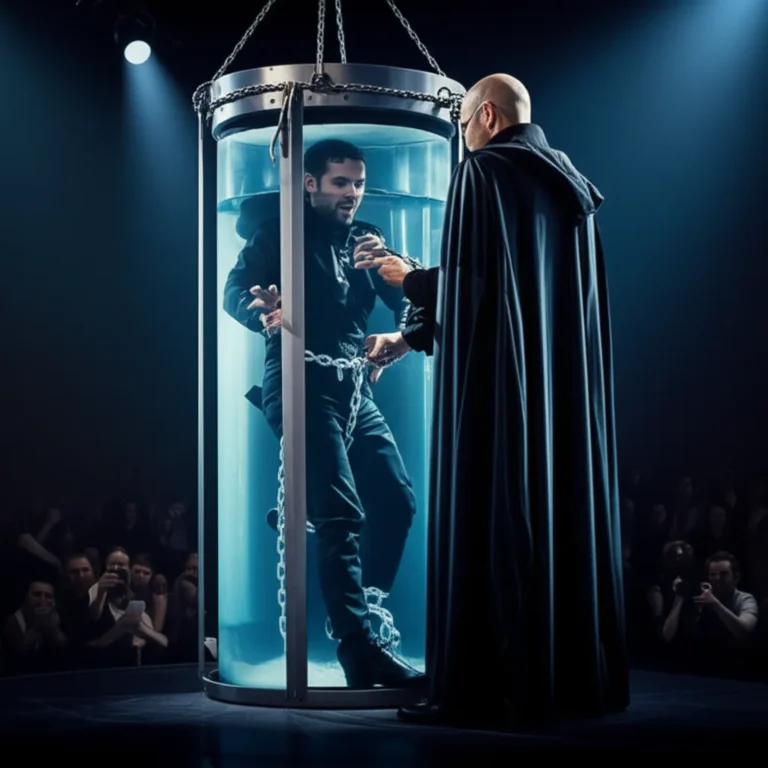
You can master the most complex sleight of hand in the world, but if you don’t command the room, the magic simply won’t happen. The answer to how can I improve my stage presence while performing magic tricks lies not in your hands, but in your confidence, your eye contact, and your ability to control the audience’s attention before you even touch a prop.
Many aspiring magicians spend years perfecting their card flourishes only to flop because they look at their hands or speak in a monotone whisper. Research suggests that 5% of communication is non-verbal, meaning your posture and gestures often speak louder than your patter.
I once watched a novice magician drop a coin during a simple vanish. Instead of panicking, he smiled, picked it up, and told the audience, “Even the magic needs a little gravity check.” The room erupted in laughter, and the trick became a highlight of the show. That split-second recovery is the difference between a failed trick and a memorable performance.
Key Takeaways
- Confidence is your primary prop: Your belief in the magic must be absolute, or the audience will sense the doubt.
- Master non-verbal cues: Use deliberate eye contact, open body language, and strategic pauses to direct attention.
- Reframe anxiety as excitement: Transform nervous energy into performance fuel through breathing and visualization.
- Record and analyze: The fastest way to grow is to watch your own performances and correct specific habits.
- Connect, don’t just perform: Build rapport with the audience to turn passive observers into active participants.
Table of Contents
- ⚡️ Quick Tips and Facts
- 🎭 The Evolution of Stage Presence: From Houdini to Modern Illusionists
- 🧠 Mastering the Mental Game: Confidence and Charisma for Magicians
- 🎤 Commanding the Mic: Vocal Delivery and Pacing Techniques
- 👁️ The Art of Misdirection: Using Eye Contact and Body Language
- 🎬 7 Essential Steps to Elevate Your Performance Energy
- 👗 Dressing the Part: Wardrobe Choices That Amplify Your Magic
- 🎵 Music and Lighting: Setting the Perfect Atmosphere
- 🤝 Connecting with Your Audience: Building Rapport and Handling Hecklers
- 📹 Recording and Analyzing Your Performances for Growth
- 🚀 Overcoming Stage Fright: Practical Exercises for Nerves
- 🌟 More Fresh Reviews for You: Top Magicians to Watch
- 🏆 Conclusion
- 🔗 Recommended Links
- ❓ FAQ
- 📚 Reference Links
⚡️ Quick Tips and Facts
Before we dive into the deep end of the pool, let’s grab a few life preservers. You might think stage presence is just about looking cool in a tuxedo, but it’s actually 80% psychology and 20% sleight of hand. Here are some rapid-fire truths from our team at Magic Trick™ that will save you from looking like a nervous wreck on your next gig:
- The 3-Second Rule: If you don’t capture attention within the first three seconds of walking on stage, you’ve already lost half the room. Confidence is your first prop.
- Silence is Loud: A well-timed pause can be louder than a shout. It builds tension and makes the reveal hit harder.
- The “Fake” Smile: Smiling with your mouth but not your eyes looks creepy. Practice the Duchenne smile (crinkling the eyes) in the mirror.
- Mistakes Happen: The audience forgives a dropped card; they don’t forgive a magician who panics. Own the mistake and turn it into part of the act.
- Eye Contact is King: Never look at your hands while performing. If you do, the audience will look at your hands too. Look at the audience, then look at the effect.
Did you know? According to a study on non-verbal communication, 5% of communication is body language, 38% is tone of voice, and only 7% is the actual words spoken. If your body says “I’m scared,” your words saying “I’m a master magician” won’t matter. Learn more about non-verbal communication here.
If you’re just starting out, remember that even the greatest magicians started with shaky hands. For a broader look at how to begin your journey, check out our guide on what a magic trick actually is.
🎭 The Evolution of Stage Presence: From Houdini to Modern Illusionists
To understand where we are going, we have to look at where we’ve been. The concept of “stage presence” has shifted dramatically over the last century.
The Era of the Mysterious Stranger
In the early 190s, magicians like Harry Houdini and David Devant relied on an air of mystery and detachment. They were often distant figures, shrouded in smoke, speaking in riddles. The audience was there to witness the impossible, not to chat with the performer. The “presence” was built on awe and fear.
The Rise of the Charismatic Showman
Fast forward to the mid-20th century with David Copperfield. He changed the game by introducing narrative and relatability. He didn’t just make a plane disappear; he told a story about freedom and flight. His stage presence was warm, inviting, and deeply personal. He proved that emotional connection could be just as powerful as the trick itself.
The Modern Era: Authenticity and Interaction
Today, magicians like Deren Brown and Shin Lim blend high-level technique with psychological intimacy. The modern audience demands authenticity. They want to feel like they are part of the secret, not just spectators. As noted in recent reviews of live performances, the most successful acts today are those that create a “complete dichotomy” between their off-stage persona and their on-stage energy, allowing for a transformation that feels genuine rather than manufactured.
Fun Fact: Houdini’s stage presence was so commanding that he could silence a rowdy theater just by stepping onto the stage. He didn’t need a microphone; his posture and gaze did the work. You can read more about his techniques in our Magic History section.
🧠 Mastering the Mental Game: Confidence and Charisma for Magicians
Let’s be honest: you can have the smoothest sleight of hand in the world, but if you’re trembling like a leaf, the audience will smell the fear. Confidence is the invisible prop that makes the magic work.
The Psychology of Belief
When you perform, you are asking the audience to suspend their disbelief. If you don’t believe in the magic for a split second, neither will they. This is where internal visualization comes in. Before you step on stage, close your eyes and see the trick going perfectly. Feel the texture of the cards, hear the snap of the coin.
Building Charisma from the Inside Out
Charisma isn’t something you’re born with; it’s a skill you build.
- Posture: Stand tall. Shoulders back, chin up. This isn’t just about looking good; it triggers a physiological response in your brain that lowers cortisol (stress hormone) and increases testosterone (confidence hormone).
- Voice: Speak from your diaphragm, not your throat. A deep, resonant voice commands authority.
- The “Power Pose”: Before your show, spend two minutes in a “Wonder Woman” stance (hands on hips, feet apart). It sounds silly, but studies show it can boost your confidence levels significantly.
The Dichotomy of Personality
As highlighted in recent performance reviews, the most captivating performers often exhibit a dichotomy of personality. You might be quiet and reserved in the green room, but once the lights hit, you transform into an explosive, energetic force. This contrast makes the performance feel like a magical transformation in itself.
Pro Tip: If you feel your heart racing, don’t try to calm down. Reframe the anxiety as excitement. Your body’s physical response to fear and excitement is almost identical. Tell yourself, “I am excited to show them this,” rather than “I am scared.”
🎤 Commanding the Mic: Vocal Delivery and Pacing Techniques
Your voice is your primary tool for misdirection and pacing. A flat, monotone delivery will kill even the most brilliant trick.
The Art of Patter
“Patter” is the script you speak while performing. It’s not just filler; it’s the narrative glue that holds the trick together.
- Don’t Over-Explain: If you explain the trick too much, you give away the method. Keep it vague but intriguing.
- Use Pauses: Silence is your friend. After a big reveal, stop talking. Let the audience gasp. If you keep talking, you ruin the moment.
- Vary Your Tone: Use a whisper to draw them in, and a boom to announce the climax.
Pacing and Rhythm
Think of your performance like a song. You need verses (setup), a chorus (the trick), and a bridge (the twist).
- Slow Down: Nervous magicians tend to rush. Consciously slow down your movements and speech.
- The “Beat”: Establish a rhythm. Step, pause, gesture, speak. This creates a hypnotic effect on the audience.
Vocal Exercises for Magicians
- Huming: Hum for 2 minutes before performing to warm up your vocal cords.
- Tongue Twisters: Practice “Red leather, yellow leather” to improve articulation.
- Breath Control: Practice the “4-7-8” breathing technique (inhale for 4, hold for 7, exhale for 8) to steady your nerves.
Real World Example: In a recent review of a band’s performance, the lead singer was praised for their “heavy, raspier toned sounds” transitioning flawlessly to “high notes.” As a magician, you can apply this dynamic range to your voice to keep the audience engaged.
👁️ The Art of Misdirection: Using Eye Contact and Body Language
Misdirection isn’t just about looking left while you do something with your right hand. It’s about controlling the audience’s attention.
The Power of Eye Contact
- The Triangle Technique: Don’t stare at one person. Move your gaze in a triangle pattern across the room (left, center, right) to make everyone feel included.
- The “Soft” Gaze: When you want to create intimacy, soften your eyes. When you want to command attention, sharpen your gaze.
- Avoid the “Hand Gaze”: Never look at your hands unless the trick specifically requires it. If you look at your hands, the audience will look at your hands, and they will see the secret move.
Body Language and Gestures
- Open Palms: Show your hands are empty with open palms. It signals honesty.
- The “Point” vs. The “Sweep”: Pointing a finger can be aggressive. Use an open hand sweep to direct attention.
- Miroring: Subtly mirror the body language of your audience members to build rapport. If they lean forward, you lean forward.
The “False Transfer”
This is a classic misdirection technique. You pretend to place an object in one hand while actually keeping it in the other. The key is to look at the hand you are pretending to fill. Your eyes lead the audience’s eyes.
Did you know? Research shows that people follow the gaze of others instinctively. If you look at something, 90% of the audience will look at it too. Use this to your advantage!
🎬 7 Essential Steps to Elevate Your Performance Energy
Ready to take your show to the next level? Here are 7 actionable steps to boost your stage presence immediately.
- Rehearse in Full Costume: Don’t just practice in your pajamas. Wear your performance outfit. It changes your posture and mindset.
- Record Yourself: It’s painful to watch, but it’s the fastest way to improve. Watch for nervous ticks, bad posture, and awkward pauses.
- Create a “Signature Move”: Develop a unique gesture or entrance that becomes your trademark.
- Engage the Front Row: Start your show by interacting with the people closest to you. Their energy will ripple through the rest of the audience.
- Use the “Call and Response”: Ask questions. Get the audience to shout out answers. Make them part of the show.
- Vary Your Energy: Don’t be high-energy the whole time. Build up to a climax, then bring it down for a quiet, intimate moment.
- End on a High Note: Never end a show with a weak trick. Finish with your strongest effect and a bow.
Challenge: Try performing one of your tricks in front of a mirror today. Notice how your energy changes when you smile versus when you frown.
👗 Dressing the Part: Wardrobe Choices That Amplify Your Magic
Your outfit is the first thing the audience sees. It sets the tone for the entire performance.
The Psychology of Color
- Black: Classic, mysterious, and sliming. Perfect for close-up magic and formal shows.
- White: Clean, pure, and modern. Great for mentalism or “clean” magic styles.
- Red: Bold, energetic, and attention-grabing. Use sparingly as an accent color.
Fit and Comfort
- Fit is King: A suit that is too bagy looks sloppy. A suit that is too tight restricts movement. Tailor your clothes to fit perfectly.
- Comfort: If you’re uncomfortable, you’ll fidget. Choose fabrics that breathe and allow for full range of motion.
Accessories
- The Watch: A nice watch can be a great prop for timing tricks.
- The Tie/Bowtie: A bowtie is a classic magician’s staple. It draws the eye to the face and adds a touch of whimsy.
- Shoes: Make sure your shoes are comfortable. You’ll be standing and moving a lot.
Pro Tip: Avoid shiny fabrics that reflect stage lights. Matte fabrics absorb light and look more professional on camera.
🎵 Music and Lighting: Setting the Perfect Atmosphere
You can’t have a great show without the right atmosphere. Music and lighting are the unsung heroes of stage presence.
Lighting Techniques
- Spotlights: Use a spotlight to isolate yourself or the prop. It creates a sense of intimacy and focus.
- Color Gels: Use blue for mystery, red for danger, and white for clarity.
- Diming: Diming the lights before a big reveal builds anticipation.
Music Selection
- Tempo: Match the tempo of the music to the pace of your trick. Fast music for fast tricks, slow music for slow, mysterious reveals.
- Volume: Keep the music low enough that your voice is clear, but loud enough to fill the silence.
- Cues: Use music cues to signal the start and end of a trick.
Real World Example: In a recent review of a “Magician’s Council” trick, the use of candelabras and candles (battery-powered) helped reset the mood and create an immersive world. You don’t need pyrotechnics to create magic; you just need the right lighting.
🤝 Connecting with Your Audience: Building Rapport and Handling Hecklers
The best magicians don’t just perform for the audience; they perform with them.
Building Rapport
- Smile: A genuine smile is the universal language of friendliness.
- Listen: If an audience member says something, listen to them. Acknowledge their presence.
- Personalize: Use names if possible. “John, would you like to help me with this?” makes the experience personal.
Handling Hecklers
- Stay Calm: Never get angry. A calm response disarms the heckler.
- Use Humor: A witty comeback can turn a heckler into a fan.
- Involve Them: Sometimes, the best way to handle a heckler is to bring them on stage and make them part of the trick.
Quote: “You could immediately see the connection between the fans as well as the members themselves.” This connection is what turns a good show into a great one.
📹 Recording and Analyzing Your Performances for Growth
You can’t improve what you don’t measure. Recording your performances is the single most effective way to improve your stage presence.
What to Look For
- Body Language: Are you fidgeting? Are you slouching?
- Voice: Are you speaking clearly? Are you using pauses effectively?
- Timing: Did the trick land? Did the audience laugh at the right time?
How to Record
- Smartphone: Use your phone to record from the audience’s perspective.
- Tripod: Set up a tripod to get a stable shot.
- Multiple Angles: If possible, record from different angles to see how you look from all sides.
Analyzing the Footage
- Watch Once: Just watch the whole thing without stopping.
- Watch Again: Take notes on specific moments.
- Make Changes: Implement one change at a time in your next performance.
Tip: Don’t be too hard on yourself. Even the pros have bad nights. The goal is progress, not perfection.
🚀 Overcoming Stage Fright: Practical Exercises for Nerves
Stage fright is normal. Even the greatest magicians get nervous. The key is to manage it, not eliminate it.
Breathing Exercises
- Box Breathing: Inhale for 4 seconds, hold for 4, exhale for 4, hold for 4. Repeat.
- Deep Belly Breathing: Breathe deep into your belly, not your chest.
Visualization
- Positive Visualization: Imagine the show going perfectly. Feel the applause.
- Negative Visualization: Imagine the worst-case scenario (e.g., dropping a card) and visualize yourself handling it calmly.
Exposure Therapy
- Start Small: Perform for friends and family first.
- Open Mics: Join local open mic nights to get used to performing in front of strangers.
- Gradual Increase: Slowly increase the size of your audience.
Fact: A study found that 75% of people suffer from some form of stage fright. You are not alone!
🌟 More Fresh Reviews for You: Top Magicians to Watch
If you’re looking for inspiration, check out these magicians who are redefining stage presence:
- Shin Lim: Known for his silent, intense performances and incredible sleight of hand.
- Deren Brown: A master of psychological manipulation and storytelling.
- David Blaine: Famous for his street magic and ability to connect with random people.
- Penn & Teller: The ultimate duo of comedy and magic, proving that you can be funny and mysterious at the same time.
Recommendation: Watch their performances on YouTube, but pay attention to how they interact with the audience, not just the tricks.
🏆 Conclusion

Improving your stage presence is a journey, not a destination. It requires practice, patience, and a willingness to be vulnerable. Remember, the audience doesn’t want to see a perfect robot; they want to see a human being who is passionate about their craft.
Key Takeaways:
- Confidence is your most important prop.
- Eye contact and body language are crucial for misdirection.
- Pacing and vocal delivery can make or break a trick.
- Recording yourself is the fastest way to improve.
- Connect with your audience to create a memorable experience.
So, what are you waiting for? Grab your props, hit the mirror, and start performing. The world is waiting for your magic!
🔗 Recommended Links
Essential Gear for Magicians
- Magic Tricks & Props:
Ellusionist: Shop Magic Tricks on Amazon | Ellusionist Official
Penguin Magic: Shop Magic Tricks on Amazon | Penguin Magic Official
Theory1: Shop Playing Cards on Amazon | Theory1 Official
Books & Resources
- “Mark Wilson’s Complete Course in Magic”: Check Price on Amazon
- “Royal Road to Card Magic”: Check Price on Amazon
- “The Expert at the Card Table”: Check Price on Amazon
Online Learning
- The Magic Cafe: Join the Community
- Genii Forum: Visit Genii Online
❓ FAQ
How do I make eye contact with the audience during a magic trick?
Making eye contact is about balance. You want to connect with individuals without staring them down. Use the “Triangle Technique”: look at one person for a few seconds, then move to another, then to a third, creating a triangle across the room. This makes everyone feel included. Also, remember to look at the audience, not your hands, unless the trick specifically requires you to look at your hands.
Read more about “🎩 The Ultimate Guide to Structuring a Magic Show (2026)”
What body language techniques do professional magicians use?
Professional magicians use open body language to signal honesty and confidence. They avoid crossing their arms or fidgeting. They use deliberate gestures to direct attention and maintain a strong posture to command the stage. They also use miroring to build rapport with the audience.
Read more about “🧠 Magic Performance Psychology: The 7 Secrets That Bend Reality (2026)”
How can I overcome stage fright when performing magic?
Overcoming stage fright involves preparation and mindset. Practice your tricks until they are muscle memory. Use breathing exercises like box breathing to calm your nerves. Visualize a successful performance. And remember, the audience is on your side; they want you to succeed.
Read more about “18 Easy Magic Tricks for Kids to Amaze Everyone in 2025 🪄”
What should I wear to enhance my magic performance?
Your outfit should be comfortable, well-fitted, and appropriate for the style of magic you are performing. Classic magicians often wear black suits and bowties, while modern magicians might opt for more casual or colorful attire. Avoid shiny fabrics that reflect stage lights.
Read more about “🎥 17 YouTube Magic Performance Tips to Go Viral (2026)”
How do I control my voice and pacing while doing a trick?
Control your voice by speaking from your diaphragm and varying your tone. Use pauses to build tension and let the magic sink in. Practice your patter (script) until it flows naturally. Record yourself to identify areas where you rush or speak too quietly.
Read more about “🪄 How to Create Your Own Original Magic Tricks: The Ultimate 2026 Guide”
How can I engage a skeptical audience during a magic show?
To engage a skeptical audience, involve them in the trick. Ask them to choose a card, shuffle the deck, or hold a prop. Make them feel like they are part of the magic. Use humor to break the ice and storytelling to draw them in.
Read more about “🎩 15 Best Interactive Online Magic Shows for 2026”
What are common mistakes that ruin a magician’s stage presence?
Common mistakes include looking at your hands, rushing through the trick, failing to make eye contact, and not pausing after a reveal. Also, fidgeting and por posture can ruin the illusion.
How do I handle a heckler without ruining the show?
Stay calm and composed. Use humor to defuse the situation. If necessary, involve the heckler in the trick to turn them into a participant. Never get angry or defensive.
Can I improve my stage presence if I’m an introvert?
Absolutely! Many great magicians are introverts. The key is to channel your energy into the performance. You don’t need to be the loudest person in the room; you just need to be authentic and confident.
📚 Reference Links
- Psychology Today: Non-Verbal Communication
- Alan Hudson: Beginer’s Guide: How Do I Start Learning Magic?
- Ellusionist: Magic Tutorials & Products
- Penguin Magic: Magic Instruction & Props
- The Magic Cafe: Community Forum
- Genii Magazine: Magician Resources
- Wallofsoundau: Voila Gig Review
- YouTube: 3E Framework for Stage Presence