Support our educational content for free when you purchase through links on our site. Learn more
🌍 How Culture Shaped Magic Around the World

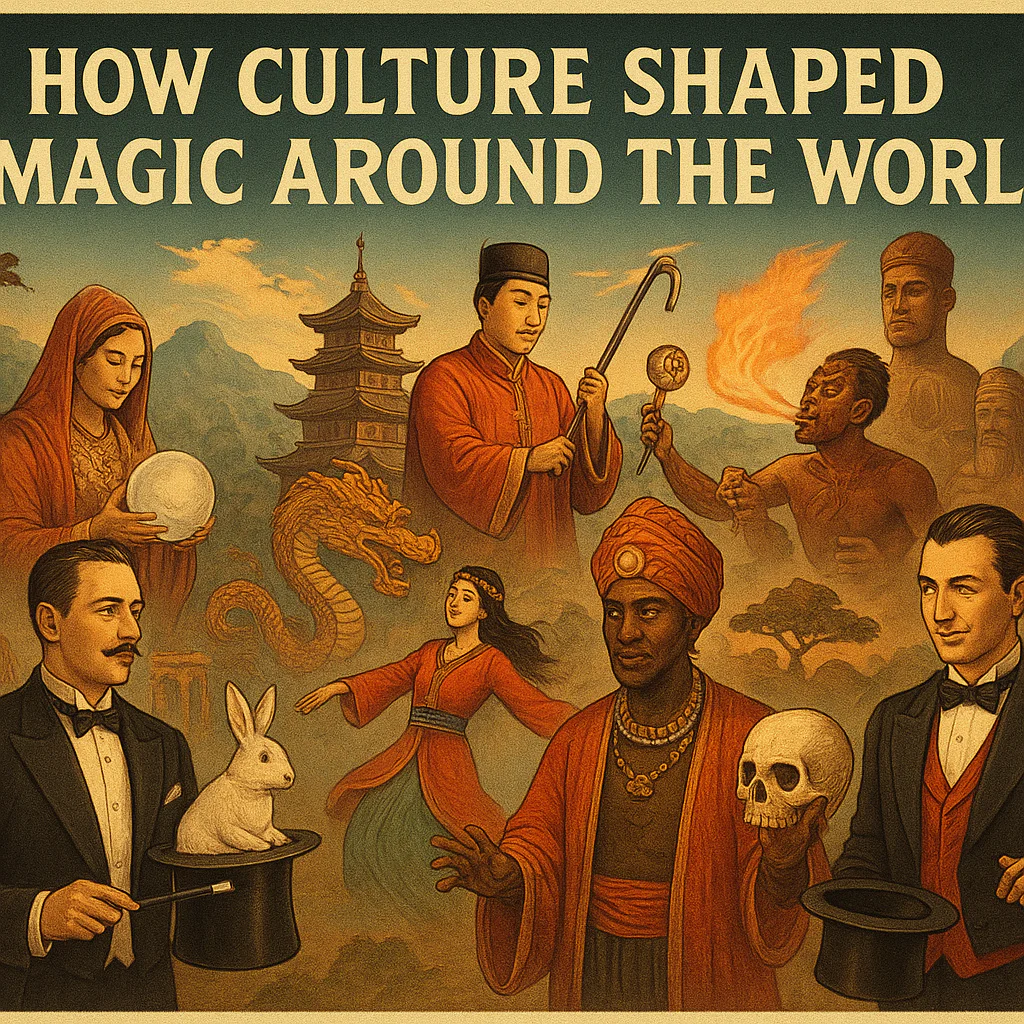
Cultural beliefs, social change, and local performance traditions shaped magic into many different art forms—from street conjuring and shadow play to grand theatrical illusions. How have cultural and societal influences shaped the development of magic tricks and illusions in different parts of the world? They determined not only what audiences found astonishing, but also who performed, where magic was shown, and whether it was viewed as entertainment, spiritual practice, or both.
Some traditions grew in busy marketplaces; others flourished in royal courts, theaters, festivals, and family gatherings. As performers and ideas traveled, techniques crossed borders—but their meanings often changed along the way.
Take the famous “Indian rope trick”: it became a powerful symbol of exotic mystery in Western accounts, even though the legendary version is not supported by reliable historical evidence. That gap between what people believe they saw and what the record can verify is part of magic’s most fascinating story.
Key Takeaways
- Culture shapes the effect and its meaning: Local beliefs, stories, symbols, and customs influence how magic is performed and understood.
- Magic has many overlapping roots: Conjuring, ritual, folklore, theater, and spiritual practices are related histories, but they are not interchangeable.
- Society shapes who gets to perform: Class, gender, race, religion, and political power have influenced performers’ status, opportunities, and public image.
- Travel spreads techniques—and changes them: Migration, trade, colonialism, print, film, and the internet have carried magic across borders, sometimes with stereotypes attached.
- The audience completes the illusion: Expectations, attention, language, and shared cultural references all help determine what feels impossible.
Table of Contents
- ⚡ Quick Tips and Facts
- 🌍 How Culture and Society Shaped Magic Around the World
- What Counts as Magic, Illusion, and Conjuring?
- Ritual, Religion, Folklore, and the Supernatural
- 📜 A Global History of Magic Tricks and Illusions
- Ancient Performance, Sacred Ritual, and Early Conjuring
- Trade Routes, Migration, and the Spread of Secrets
- Print, Stage Technology, and the Rise of Modern Magic
- 🗺️ 12 Regional Traditions That Shaped World Magic
- 1. South Asia: Street Conjuring, Jadu, and the Indian Rope Trick
- 2. East Asia: Sleight of Hand, Shadow Play, and Stage Spectacle
- 3. Southeast Asia: Spiritual Traditions and Popular Performance
- 4. Middle East: Courtly Wonders, Storytelling, and Conjuring
- 5. Africa: Spiritual Practices, Storytelling, and Contemporary Magic
- 6. Europe: From Street Performers to Grand Illusionists
- 7. The Americas: Indigenous Traditions, Carnival, and Stage Magic
- 8. The Caribbean: Trickster Stories, Festivals, and Performance
- 9. Central Asia: Traveling Performers and Cross-Cultural Influence
- 10. Oceania: Indigenous Storytelling and Contemporary Illusion
- 11. Russia and Eastern Europe: Folk Performance and Escapology
- 12. Global Diasporas: How Migration Transformed Magic
- 🎭 How Social Class, Gender, and Power Influenced Performers
- Street Magicians, Court Entertainers, and Respectability
- Women in Magic: Bariers, Innovations, and Recognition
- Race, Representation, and the Exoticization of Magic
- 🪄 How Cultural Beliefs Shape Magic Techniques and Performance
- Misdirection, Gesture, Language, and Audience Expectations
- Objects, Symbols, and Local Materials in Illusions
- Comedy, Storytelling, and the Meaning of Wonder
- 🚢 Colonialism, Cultural Exchange, and the Ownership of Secrets
- Appropriation, Stereotypes, and Ethical Performance
- How Magicians Can Research Traditions Respectfully
- 📺 Technology and the Changing Face of Illusion
- Photography, Film, Television, and Special Effects
- The Internet, Social Media, and Viral Magic
- AI, Digital Illusions, and the Future of Performance
- 🧠 Why Audiences Around the World Love Magic
- Cognitive Science, Surprise, and the Experience of Wonder
- Local Customs, Belief, and Audience Participation
- ✅ Quick Tips for Exploring Global Magic Traditions
- 🔮 What the Future Holds for Culturally Rooted Magic
- Conclusion
- Recommended Links
- FAQ
- Reference Links
Table of Contents
- ⚡️ Quick Tips and Facts
- 🌍 How Culture and Society Shaped Magic Around the World
- What Counts as Magic, Illusion, and Conjuring?
- Ritual, Religion, Folklore, and the Supernatural
- 📜 A Global History of Magic Tricks and Illusions
- Ancient Performance, Sacred Ritual, and Early Conjuring
- Trade Routes, Migration, and the Spread of Secrets
- Print, Stage Technology, and the Rise of Modern Magic
- 🗺️ 12 Regional Traditions That Shaped World Magic
- 1. South Asia: Street Conjuring, Jadu, and the Indian Rope Trick
- 2. East Asia: Sleight of Hand, Shadow Play, and Stage Spectacle
- 3. Southeast Asia: Spiritual Traditions and Popular Performance
- 4. Middle East: Courtly Wonders, Storytelling, and Conjuring
- 5. Africa: Spiritual Practices, Storytelling, and Contemporary Magic
- 6. Europe: From Street Performers to Grand Illusionists
- 7. The Americas: Indigenous Traditions, Carnival, and Stage Magic
- 8. The Caribbean: Trickster Stories, Festivals, and Performance
- 9. Central Asia: Traveling Performers and Cross-Cultural Influence
- 10. Oceania: Indigenous Storytelling and Contemporary Illusion
- 11. Russia and Eastern Europe: Folk Performance and Escapology
- 12. Global Diasporas: How Migration Transformed Magic
- 🎭 How Social Class, Gender, and Power Influenced Performers
- Street Magicians, Court Entertainers, and Respectability
- Women in Magic: Bariers, Innovations, and Recognition
- Race, Representation, and the Exoticization of Magic
- 🪄 How Cultural Beliefs Shape Magic Techniques and Performance
- Misdirection, Gesture, Language, and Audience Expectations
- Objects, Symbols, and Local Materials in Illusions
- Comedy, Storytelling, and the Meaning of Wonder
- 🚢 Colonialism, Cultural Exchange, and the Ownership of Secrets
- Appropriation, Stereotypes, and Ethical Performance
- How Magicians Can Research Traditions Respectfully
- 📺 Technology and the Changing Face of Illusion
- Photography, Film, Television, and Special Effects
- The Internet, Social Media, and Viral Magic
- AI, Digital Illusions, and the Future of Performance
- 🧠 Why Audiences Around the World Love Magic
- Cognitive Science, Surprise, and the Experience of Wonder
- Local Customs, Belief, and Audience Participation
- ✅ Quick Tips for Exploring Global Magic Traditions
- 🔮 What the Future Holds for Culturally Rooted Magic
- Conclusion
- Recommended Links
- FAQ
- Reference Links