Support our educational content for free when you purchase through links on our site. Learn more
🎩 Magic Through History: Wonder, Deception & Social Change

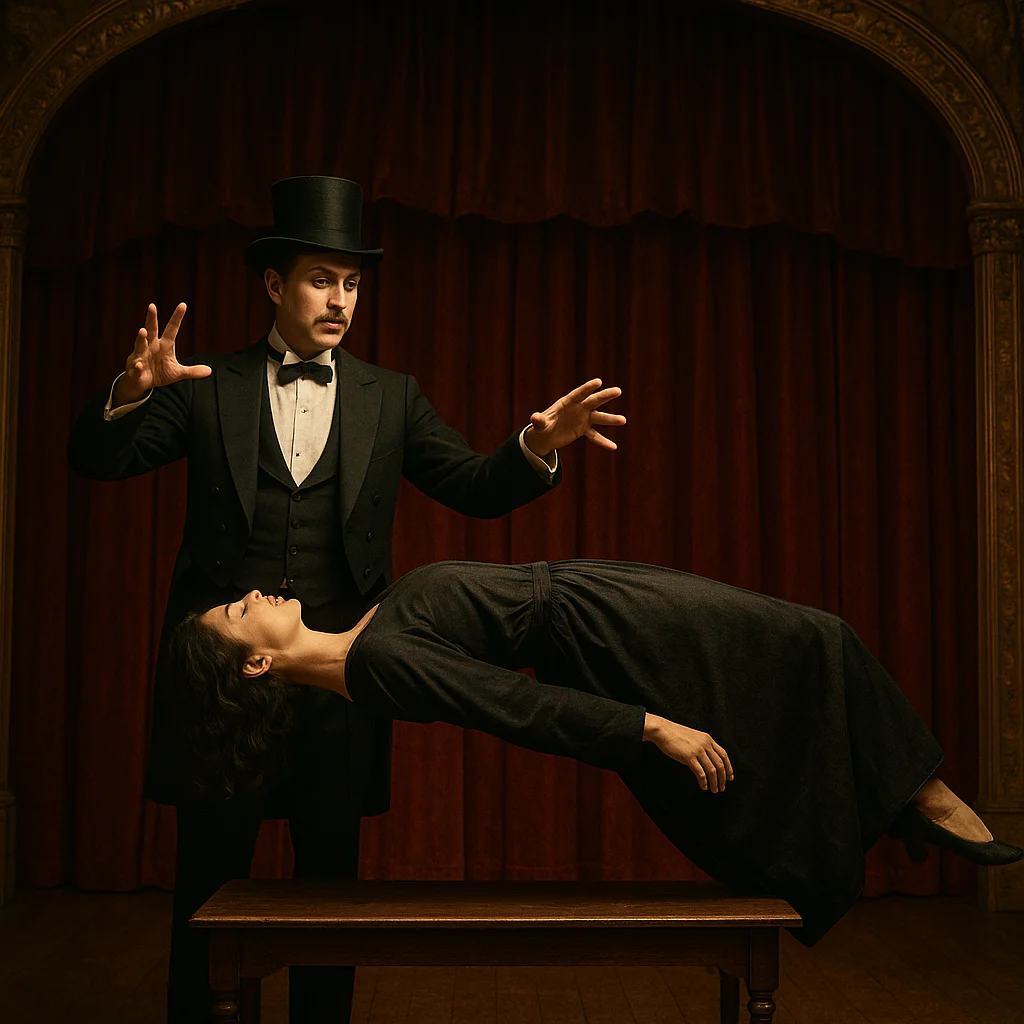
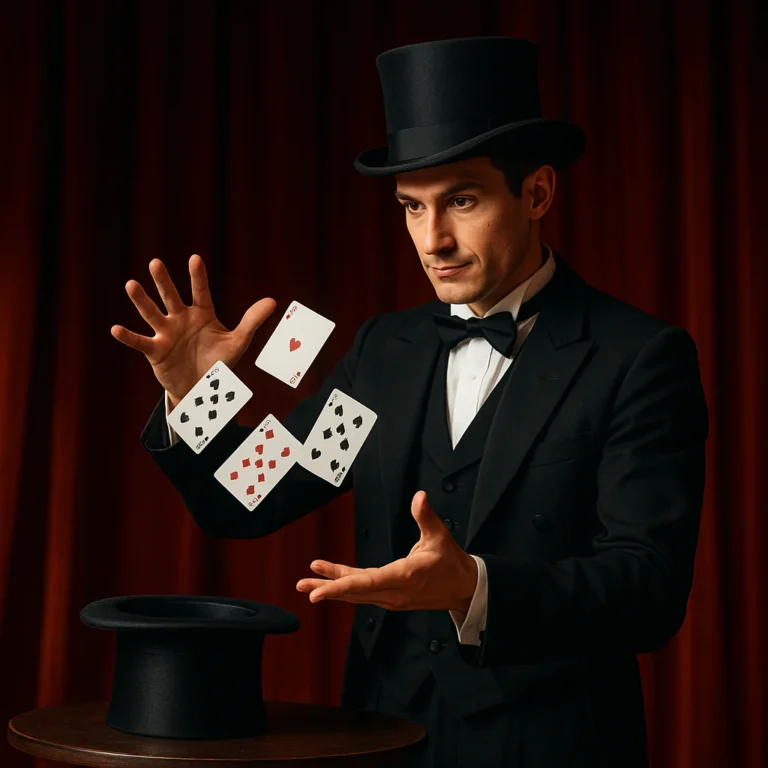
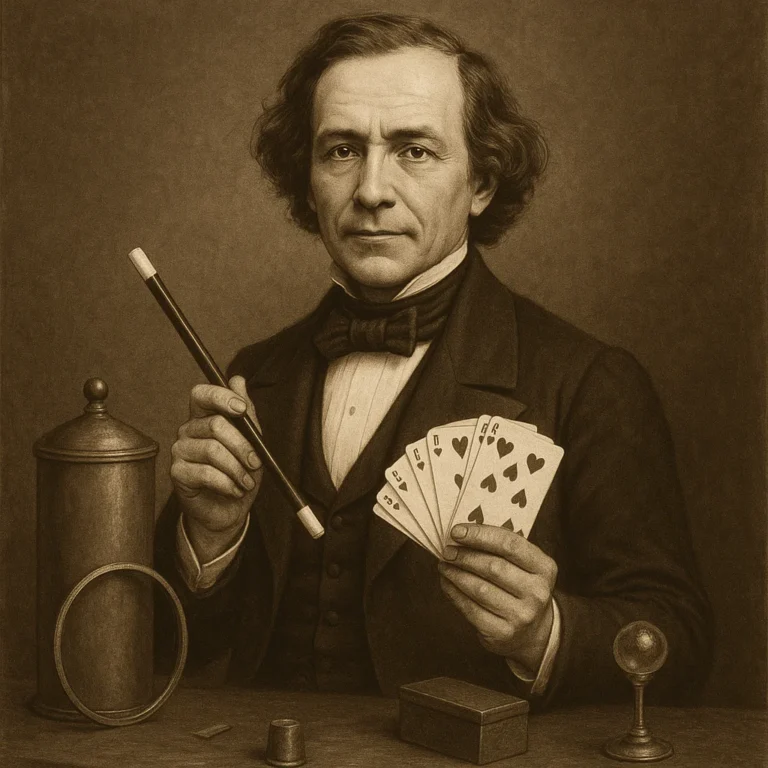
How have magic tricks been used throughout history for entertainment, deception, and social commentary? They have made audiences marvel, exposed how easily perception can be manipulated, and sometimes challenged the people and institutions holding power. From ancient feats of conjuring to modern stage illusions, magic has been both a performance and a revealing mirror of its time.
That double role is part of the fun. A magician invites us to enjoy the impossible while reminding us that what we see—and what we believe—can be guided by clever choices about attention, expectation, and trust.
For centuries, audiences have watched performers produce objects from nowhere, apparently communicate with spirits, or escape seemingly impossible restraints. Some acts were theatrical entertainments; others borrowed the language of religion or supernatural power, making the boundary between wonder and deception especially consequential. As we’ll see, the same techniques that create a delightful surprise can also help us think more critically about persuasion.
Key Takeaways
- Magic has always reflected its culture: Its forms and meanings have shifted from ritual and public spectacle to theatrical entertainment and mass media.
- Deception is the method, not always the message: Sleight of hand and misdirection create illusions, while performance can also comment on power, belief, and social norms.
- The audience is part of the trick: Attention, expectation, and trust help shape what spectators think they saw.
- Magic can entertain and mislead: A clearly framed stage illusion is different from a supernatural or factual claim presented as genuine.
- The enduring appeal is the tension: We enjoy being surprised, even as we wonder how the illusion worked.
Table of Contents
- ⚡ Quick Tips and Facts
- 🎩 How Magic Has Entertained, Deceived, and Challenged Society
- 🏺 Ancient Magic: Ritual, Religion, and Public Spectacle
- Egyptian conjuring and the cup-and-ball trick
- Greek and Roman performers, oracles, and wonder-workers
- 📜 From Medieval Sorcery to Renaissance Sleight of Hand
- Magic, superstition, and accusations of witchcraft
- The first printed explanations of conjuring tricks
- 🎭 Magic on the Stage: The Rise of Modern Illusion
- Jean-Eugène Robert-Houdin and theatrical magic
- Victorian marvels, spirit séances, and escape acts
- Houdini, publicity, and the art of exposing fraud
- 📺 Magic in Film, Television, and Digital Media
- How cameras changed the illusion
- Street magic, viral video, and online exposure
- 🪄 How Magic Tricks Create Wonder and Misdirection
- Sleight of hand, illusion design, and secret methods
- Misdirection, attention, memory, and expectation
- Why audiences enjoy being fooled
- 🧠 Magic as Social Commentary and Cultural Criticism
- Illusions that expose power, class, and authority
- Conjuring, colonialism, and cultural appropriation
- Gender, race, and representation in magic
- Political satire, protest, and propaganda
- 🕯️ Magic, Spiritualism, and the Line Between Wonder and Fraud
- Stage illusion versus supernatural claims
- Ethics, consent, and deceptive performance
- 🌍 Magic Traditions Around the World
- Chinese conjuring and European stage magic
- Indian street magic and the “Indian rope trick”
- Indigenous traditions, sacred knowledge, and performance
- 🎟️ Magic’s Place in Popular Culture Today
- Close-up magic, street performances, and family shows
- Magic in advertising, branding, and political messaging
- How contemporary magicians use comedy and storytelling
- 🧭 A Timeline of Magic Through History
- 🔎 How to Watch a Magic Performance Critically
- ✅ Quick Tips for Appreciating Magic Without Spoiling the Secret
- 📚 Recommended Links
- ❓ FAQ
- 🔗 Reference Links
- 🏁 Conclusion