Support our educational content for free when you purchase through links on our site. Learn more
15 Ancient Magical Texts That Reveal Magic’s History 🏺

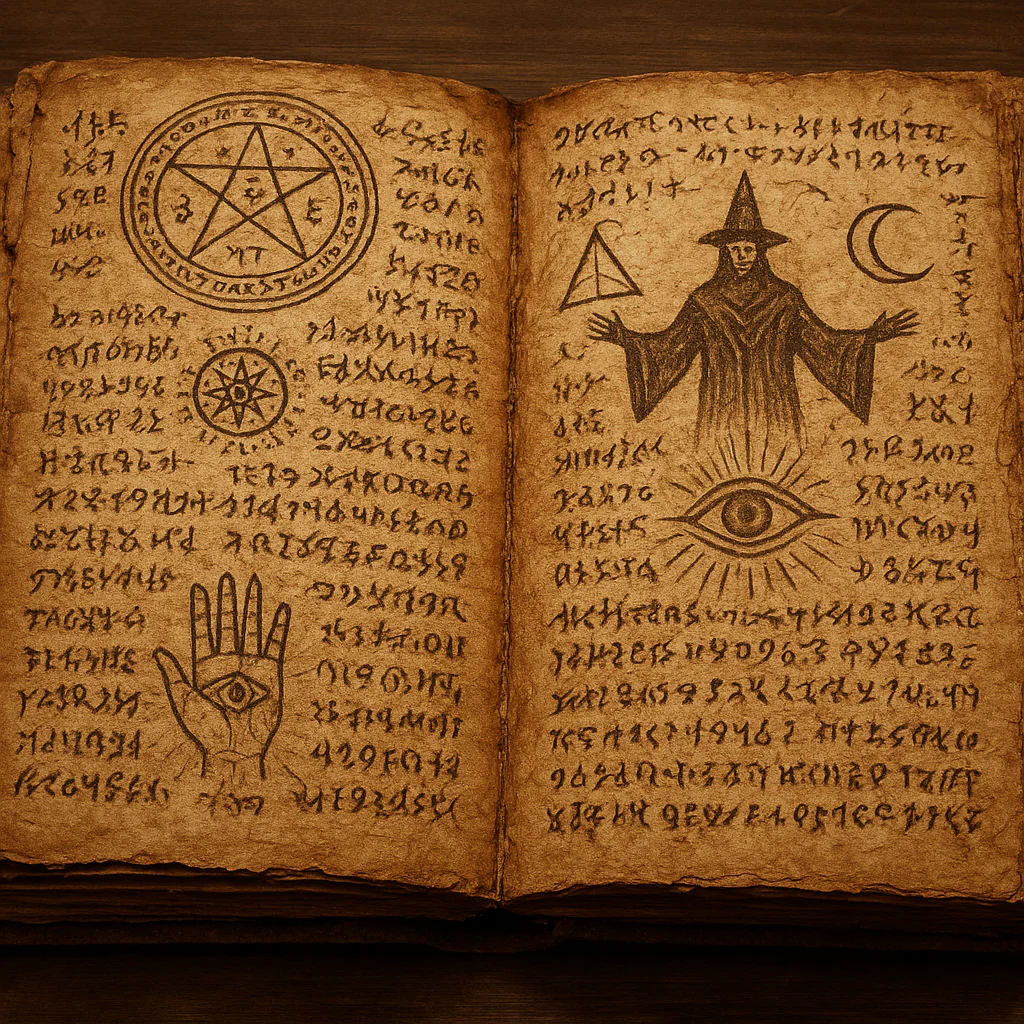
What are some of the oldest known magical texts and manuscripts, and what do they reveal about the history of magic? The earliest surviving examples include Mesopotamian incantation tablets and Egyptian funerary spells, while later papyri preserve detailed rituals for healing, protection, divination, and everyday worries. Together, they show that ancient magic often blended religion, medicine, and practical knowledge.
There isn’t one uncontested “oldest spellbook.” A clay tablet recording an incantation, a spell inscribed inside a pyramid, and a papyrus full of ritual instructions are different kinds of evidence—and the oldest surviving copy may be younger than the tradition it preserves.
One especially revealing find is a fourth-century Coptic notebook linked to Aurelios Philamon. Magical instructions and amulets appear alongside everyday accounts and receipts: apparently, ancient ritual knowledge could share a notebook with ordinary paperwork. History’s strangest spellbook may also have been someone’s desk drawer.
Key Takeaways
- The oldest magical writing isn’t one definitive book: early Mesopotamian incantations and Egyptian funerary texts are among the earliest surviving evidence.
- Magic, religion, and medicine often overlapped in ancient practice; modern categories don’t always fit.
- The Greek Magical Papyri and Coptic magical manuscripts preserve practical instructions for rituals, protection, healing, and divination.
- Manuscript format matters: clay, papyrus, bowls, sheets, rolls, and codices reveal how magical knowledge was recorded and used.
- A text documents belief and practice, not proof of supernatural results. Its context, date, material, and intended use all matter.
Table of Contents
- ⚡️ Quick Tips and Facts About the Oldest Magical Texts
- 📜 What Counts as an Ancient Magical Text or Manuscript?
- Magic, Religion, Medicine, and Divination in the Ancient World
- How Archaeologists Date and Interpret Magical Writings
- 🏺 A Brief History of Magic in the Written Record
- From Sumerian Incantation Tablets to Late Antique Spellbooks
- How Magical Knowledge Traveled Across Cultures
- 🔎 15 of the Oldest Known Magical Texts and Manuscripts
- 1. Sumerian Incantation Tablets
- 2. The Pyramid Texts
- 3. The Coffin Texts
- 4. The Instructions for a King’s Rituals and Hittite Incantations
- 5. The Ebers Papyrus
- 6. The Edwin Smith Papyrus
- 7. The Kahun Medical Papyri
- 8. The Hearst Medical Papyrus
- 9. The Chester Beaty Medical Papyri
- 10. The London Medical Papyrus
- 11. The Demotic Magical Papyrus of London and Leiden
- 12. The Greek Magical Papyri
- 13. The Dead Sea Scrolls’ Magical and Protective Texts
- 14. Aramaic Incantation Bowls
- 15. The Coptic Magical Papyri
- 🧭 What These Manuscripts Reveal About the History of Magic
- Healing Spells, Protection, and Everyday Problems
- Ritual Specialists, Scribal Traditions, and Secret Knowledge
- Gods, Spirits, Angels, and Magical Names
- Divination, Astrology, and Reading Signs
- What Magical Texts Tell Us About Ancient Society
- 🪄 Ancient Magic in Practice: Spells, Objects, and Rituals
- Amulets, Tablets, Bowls, and Written Charms
- Incantations, Ingredients, and Ritual Instructions
- Love Magic, Curses, Protection, and Healing
- 📚 How the Oldest Magical Manuscripts Were Preserved
- Clay, Papyrus, Parchment, and Other Writing Materials
- Burial, Libraries, and Accidental Survival
- Translation Challenges and Lost Meanings
- 🧠 Myths and Misconceptions About Ancient Magic
- 🌍 Where to See Ancient Magical Texts Today
- 🔗 Recommended Links
- ❓ FAQ About the Oldest Magical Texts
- What is the oldest known magical text?
- Are the Pyramid Texts considered magic?
- What is the oldest surviving spellbook?
- Did ancient people distinguish magic from religion and medicine?
- Can ancient spells be translated and understood today?
- ✅ Conclusion
- 📖 Reference Links
⚡️ Quick Tips and Facts About the Oldest Magical Texts
Quick answer: There is no single uncontested “oldest magical book.” Some of the earliest written evidence comes from Mesopotamian cuneiform incantations, while Egypt preserves a rich and very early record of ritual and funerary spells. The answer changes depending on whether we mean a spell written on a tablet, a ritual collection, a book intended for practical use, or the oldest surviving copy of a text.
| Quick fact | What to know |
|---|---|
| Earliest written magic | Cuneiform incantations are among the earliest known written magical texts. They appear on clay tablets, a durable medium that often outlasted papyrus. |
| Ancient Egyptian magic | Egyptians called their vital ritual force heka. Spells, amulets, healing practices, and funerary rites could overlap rather than sit in separate “magic” and “religion” boxes. |
| Famous early spell collections | The Pyramid Texts and Coffin Texts preserve funerary spells, but they are not pocket spellbooks for everyday readers. |
| A true ancient working manual | The Greek Magical Papyri and related Egyptian Greek and Demotic documents include practical ritual instructions, invocations, recipes, and divination procedures. |
| A surprising manuscript clue | Some magical writing appears in ordinary notebooks alongside administrative records. Magic wasn’t always hidden in a gloomy tower; sometimes it shared the page with receipts. |
| Why dates vary | A text may be older than its surviving copy. Scholars distinguish the date a composition was created from the date of the manuscript we can actually examine. |
| Best historical takeaway | These sources show magic as a changing blend of healing, protection, prayer, divination, ritual expertise, and social life. |
As magicians, we’re used to asking how a trick works. Ancient magical texts invite a different question: what did people believe a written word could do? For a related look at the long history of performance and deception, see our guide to what is the oldest magic trick? and browse more articles in Magic History.
A note on terminology: “Magic” is a useful modern umbrella term, but ancient people did not always separate ritual, religion, medicine, and practical knowledge as neatly as we do. A healer’s spell could invoke a deity, use a plant, and prescribe a treatment in the same breath.
📜 What Counts as an Ancient Magical Text or Manuscript?
A magical text is not necessarily a book of spells. It might be a short incantation pressed into clay, a prayer written on papyrus, a protective formula placed in a tomb, or instructions for a ritual specialist. Some texts were made to be read aloud; others were folded, worn, buried, or placed in a home.
A manuscript, strictly speaking, is a handwritten document. Ancient magical writing survives on diverse objects and materials, so “text” is often the more inclusive word.
Magic, Religion, Medicine, and Divination in the Ancient World
The boundaries between magic and religion were porous. A text might appeal to a god, name a spirit, prescribe an herb, and instruct the user to recite a formula. Calling one part “religion” and another “magic” can reflect modern categories more than ancient practice.
The British Museum’s collection and research resources offer a useful reminder: objects associated with ritual were physical things with specific contexts, not merely curious “spell artifacts.” Their meaning depends on where they were found, who used them, how they were made, and what was written on them.
| Ancient practice | What it might involve | Why it can be hard to classify |
|---|---|---|
| Healing | Incantation, plant, bandage, diagnosis, or prayer | Treatment and ritual could be combined |
| Protection | Amulet, spoken formula, divine name, or household rite | Protection might be devotional, magical, or both |
| Divination | Interpreting dreams, stars, omens, or lots | Could be part of state religion or personal consultation |
| Funerary rites | Spells and instructions for the afterlife | The aim was ritual transformation, not ordinary “spellcasting” |
| Binding or curse ritual | Written names, figurines, tablets, or invocations | The act might target a rival, thief, illness, or legal opponent |
Our stage-magic vocabulary can mislead us here. A modern magic trick is designed to create a controlled illusion for an audience. Ancient magical writing usually belonged to a different world of ritual efficacy, healing, protection, or contact with divine and supernatural powers. The overlap is not “they were doing card tricks”; it is that people have long used secrecy, symbols, timing, performance, and expectation to shape an experience.
How Archaeologists Date and Interpret Magical Writings
Dating is a detective job with several clues:
- Writing style and language: Letter forms, spelling, and grammar can suggest a period.
- Material and format: Clay tablets, papyrus rolls, parchment, and codices each have their own histories.
- Archaeological context: A secure excavation layer can help establish when an object was deposited.
- Names and references: A ruler, deity, office, or historical event can narrow the possibilities.
- Scientific methods: Radiocarbon dating may help date organic material, though it does not automatically date the text’s composition.
The crucial distinction is between composition date and copy date. A medieval manuscript could preserve a much older tradition; that does not prove the surviving object itself is ancient. Likewise, a text claiming to come from Moses, Solomon, or Hermes may be a later work using an authoritative name. Scholars call that kind of attribution pseudepigraphy.
When sources disagree, trust the specific manuscript evidence and specialist scholarship over a dramatic legend about an impossibly ancient author. The legend may tell us something valuable about a text’s authority and audience, but not necessarily about when it was written.
🏺 A Brief History of Magic in the Written Record
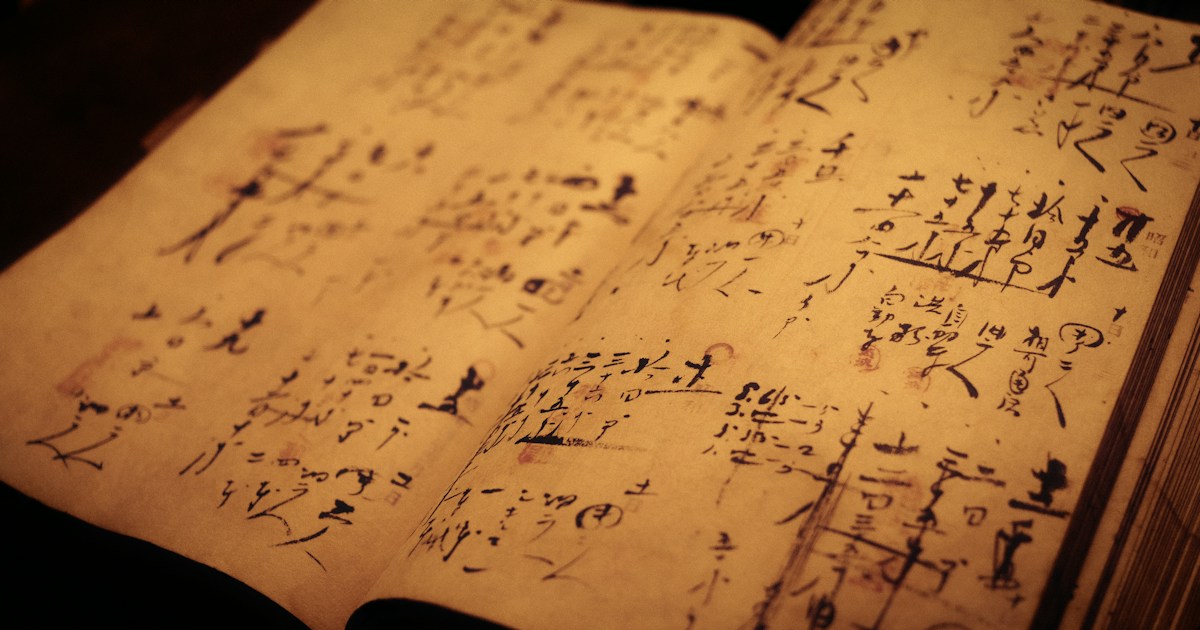
Written magic developed alongside writing itself. Once people could record names, commands, prayers, and ritual sequences, they could preserve them, repeat them, adapt them, and carry them beyond the moment of performance.
From Sumerian Incantation Tablets to Late Antique Spellbooks
The earliest surviving magical records are not a single tidy “first spellbook.” They include incantations and ritual texts on Mesopotamian clay tablets, Egyptian funerary compositions, and later handwritten collections from Egypt and the broader Mediterranean.
A simplified timeline helps—but remember, categories overlap:
| Period | Examples of written ritual or magical material | What changes |
|---|---|---|
| Third millennium BCE and earlier traditions | Mesopotamian ritual and incantation traditions; Egyptian funerary texts | Writing becomes a means of preserving sacred and practical knowledge |
| Old Kingdom Egypt | Pyramid Texts | Royal funerary spells are inscribed in pyramid chambers |
| Middle Kingdom Egypt | Coffin Texts | Funerary spells appear on coffins and expand beyond royal contexts |
| New Kingdom Egypt | Medical and ritual papyri, including the Ebers and Edwin Smith papyri | Healing knowledge combines remedies, diagnosis, and incantation |
| Hellenistic and Roman Egypt | Greek and Demotic magical papyri | Multilingual ritual handbooks preserve complex spells and procedures |
| Late antiquity | Coptic magical papyri and amulets | Christian language and older ritual traditions coexist in changing manuscript formats |
| Medieval period onward | Grimoires in Greek, Latin, Hebrew, Arabic, and other languages | Handbooks increasingly circulate as named books of ritual instruction |
The early record is uneven. Clay survives beautifully; papyrus is fragile unless conditions are unusually dry. So the oldest surviving evidence is not necessarily the oldest practice. People were using ritual long before they wrote it down.
How Magical Knowledge Traveled Across Cultures
Egypt, Mesopotamia, Greece, Rome, Jewish communities, Christian communities, and later Islamic and European scholarly cultures all contributed to the history of ritual writing. Texts were copied, translated, adapted, and sometimes reworked for new audiences.
This cultural exchange is especially visible in Hellenistic and Roman Egypt, where Greek and Egyptian languages and religious traditions could meet in a single document. A ritual might preserve an Egyptian deity’s name, use Greek instructions, and invoke figures from several traditions. That is not necessarily a sign of confusion; it can be a deliberate way to gather authority.
The Coptic Magical Papyri project at the University of Würzburg shows how close reading of manuscripts can reveal this movement in detail. Its study of changes in Coptic magical manuscript formats explains that magical texts adapted to broader changes in book technology, from rolls to codices and rotuli. The format itself was part of the story.
For a broad visual introduction to how magical traditions changed through time, the first YouTube video embedded above, “The Mysterious History Of Magic (What the Ancients Knew & We Lost)” by After Skool and Agrippa’s Diary, can help set the scene. Treat it as an engaging overview, then use specialist manuscript research to verify dates and details.
🔎 15 of the Oldest Known Magical Texts and Manuscripts
This list brings together early incantations, funerary spell collections, medical papyri, and later magical handbooks. They are not all the same kind of source. Some are among the earliest surviving ritual writings; others are valuable because they preserve practical magical traditions in detail.
| Text or source | Approximate period | Main material or purpose |
|---|---|---|
| Sumerian incantation tablets | Third millennium BCE and later traditions | Ritual speech and protective or healing formulas |
| Pyramid Texts | Late 3rd millennium BCE | Royal afterlife spells |
| Coffin Texts | Early 2nd millennium BCE | Funerary spells written on coffins |
| Hittite ritual texts | 2nd millennium BCE | State, household, and purification rituals |
| Ebers Papyrus | Around 1550 BCE | Medical recipes and incantations |
| Edwin Smith Papyrus | Copy from around 160 BCE | Trauma cases, diagnosis, and treatment |
| Kahun Medical Papyri | Around 180 BCE | Gynecological and veterinary medical texts |
| Hearst Medical Papyrus | New Kingdom copy | Remedies and medical formulas |
| Chester Beaty Medical Papyrus | New Kingdom period | Medical and ritual material |
| London Medical Papyrus | Around 130 BCE | Medical and protective formulas |
| Demotic Magical Papyrus of London and Leiden | Roman-period copies | Ritual recipes and invocations |
| Greek Magical Papyri | Mainly 2nd–5th centuries CE copies | Ritual handbooks and spells |
| Dead Sea Scrolls’ protective material | Second Temple period and later | Apotropaic texts, prayers, and angelic traditions |
| Aramaic incantation bowls | Mainly 5th–7th centuries CE | Household protection and exorcistic writing |
| Coptic magical papyri | Mainly late antique and medieval copies | Christian and traditional ritual texts |
Dating caution: Dates in the table refer to surviving objects or broadly dated traditions when possible. Individual texts may have circulated earlier than the surviving copy. The broad label “oldest” is therefore a useful starting point, not a gold-medal ceremony.
1. Sumerian Incantation Tablets
Mesopotamian cuneiform tablets preserve some of the earliest written incantation traditions. A clay tablet could record a formula for healing, protection, purification, or countering harmful forces. Some incantations were performed with spoken words and ritual actions rather than read silently like a modern book.
The Cuneiform Digital Library Initiative is a strong starting point for exploring published cuneiform objects and their scholarly records. It helps underscore a key point: an incantation tablet belongs to a wider scribal culture, not an isolated “occult library.”
- What it reveals: Writing could preserve ritual speech and give it repeatable form.
- What it does not prove: That every tablet belonged to a private magician or was used in the same way.
- Why it matters: Mesopotamian scribes recorded ritual knowledge as part of a broader learned tradition.
2. The Pyramid Texts
The Pyramid Texts are among the oldest substantial religious compositions from ancient Egypt. Inscribed inside royal pyramids during the Old Kingdom, they contain spells and utterances intended to aid the king’s transformation and journey in the afterlife.
They are often called “magical,” but they are best understood in their funerary and royal religious context. Their power was tied to ritual language, divine relationships, and the king’s passage beyond death—not to a magician pulling a rabbit from a linen bag. For background, consult the UCLA Encyclopedia of Egyptology.
- What it reveals: Egyptians treated spoken and written words as active forces in sacred transformation.
- A useful distinction: The Pyramid Texts are not a general-purpose handbook for household spells.
- Why it matters: They provide exceptionally early evidence for Egyptian ritual language and afterlife beliefs.
3. The Coffin Texts
The Coffin Texts developed from earlier funerary traditions and were written on coffins, especially during the Middle Kingdom. Their spells assisted the deceased in navigating the afterlife, gaining protection, and achieving transformation.
Compared with the Pyramid Texts, they appear across a broader range of burials. That shift helps scholars study how access to funerary knowledge changed over time. These texts are a reminder that ancient “spell” could be intended for a specific ritual setting and recipient, not an everyday reader.
4. The Instructions for a King’s Rituals and Hittite Incantations
Hittite archives from Anatolia preserve a wide variety of rituals, including purification ceremonies, healing rites, royal rituals, and incantations. These texts show that magical and religious expertise was not confined to Egypt and Mesopotamia.
Ritual specialists might use spoken formulas, symbolic actions, offerings, and objects to address impurity or misfortune. The Hethitologie-Portal Mainz provides specialist resources on Hittite texts and language.
- What it reveals: Ritual knowledge could be part of court and statecraft.
- Why it matters: The evidence broadens the map of ancient magic beyond the most famous civilizations.
5. The Ebers Papyrus
The Ebers Papyrus, copied around 1550 BCE, is one of the best-known ancient Egyptian medical documents. It contains a large collection of remedies and prescriptions, along with incantations and ritual elements.
Its contents make modern categories woble. Some recipes are recognizably practical; others rely on divine or ritual language. The University of Leipzig’s Ebers Papyrus information and museum resources are useful routes into its scholarly history.
| Feature | What it tells us |
|---|---|
| Remedies and prescriptions | Medical knowledge was collected and transmitted |
| Ritual formulas | Healing could include spoken or sacred action |
| Organized entries | The document reflects learned practice, not random superstition |
| Mixed methods | Ancient practitioners did not necessarily divide treatment into “scientific” and “magical” bins |
We magicians love a well-designed routine, but this papyrus is a reminder that sequence matters: ingredients, words, timing, and practitioner knowledge could all contribute to the intended result.
6. The Edwin Smith Papyrus
The Edwin Smith Papyrus is famous for its systematic case-based approach to injuries, particularly trauma. It describes examinations, diagnoses, prognoses, and treatments. A surviving copy dates to around the sevententh century BCE, though the material may preserve earlier knowledge.
Unlike a modern surgical textbook, it belongs to a world where practical observation and religious ideas were not mutually exclusive. The papyrus is valuable precisely because it shows careful empirical reasoning within ancient medical culture.
- Strength: It records clinical observations and structured case descriptions.
- Limit: It should not be treated as a modern medical guide.
- Historical value: It complicates the assumption that ancient healing was either “science” or “magic.”
7. The Kahun Medical Papyri
The Kahun papyri, found at the ancient settlement of Lahun, include medical material associated with gynecology and veterinary medicine. The documents show that specialized medical writing existed well before the famous Greek medical tradition.
The texts include diagnostic procedures and prescriptions. Their survival also points to the practical world of scribes, specialists, and archives: ancient ritual and healing knowledge was not only performed but organized and copied.
8. The Hearst Medical Papyrus
The Hearst Medical Papyrus contains medical prescriptions, remedies, and formulas. It is part of the broader Egyptian tradition in which treatment may combine material ingredients with spoken or ritual elements.
It is useful to read such a source without imposing an easy verdict of “pure science” or “pure magic.” Ancient Egyptian medicine had its own intellectual framework. The surviving document lets us ask how practitioners connected symptoms, substances, words, and divine help.
9. The Chester Beaty Medical Papyri
The Chester Beaty medical papyri are among the important Egyptian sources for medical and ritual knowledge. Their contents include treatments and formulas that help illuminate the overlap between health care and protective practice.
The Chester Beaty collection’s official museum site offers access to collection information and educational resources. As with other papyri, the exact contents and dating depend on the individual manuscript, so it is wise to avoid treating “the Chester Beaty papyri” as one uniform spellbook.
10. The London Medical Papyrus
The London Medical Papyrus, commonly dated to around 130 BCE, contains treatments and ritual formulas, including material associated with protection from harmful forces. Its mixed contents are a vivid case study in how ancient healing could draw on practical and supernatural explanations at once.
A useful reading question is not “Was this medicine or magic?” but “What problem was the practitioner trying to solve, and what tools did the text prescribe?” That approach keeps us closer to the document’s historical setting.
11. The Demotic Magical Papyrus of London and Leiden
This late-antique Egyptian magical papyrus survives in pieces held in London and Leiden. Written primarily in Demotic, it preserves ritual instructions, invocations, recipes, and procedures for goals such as protection, divination, or personal concerns.
The document is especially important because it shows magic as technical knowledge: the practitioner is given steps, materials, words, and conditions. It also demonstrates that magical traditions continued in Egyptian languages under Greek and Roman rule.
- Historical strength: It preserves extensive practical ritual material.
- Interpretive caution: A compilation can bring together texts of different ages and origins.
- Big clue: Instructions are evidence of a practice tradition, though they do not tell us how often every procedure was performed.
12. The Greek Magical Papyri
The Greek Magical Papyri, usually abbreviated PGM, are a collection of magical texts preserved in Greek and Demotic papyri, mostly from Roman Egypt and late antiquity. They include invocations, divination, healing, protective rites, erotic spells, and procedures involving divine or supernatural beings.
They are not one book written by one author. The collection is a modern scholarly grouping of documents. The texts can be highly eclectic, drawing on Greek, Egyptian, Jewish, and other religious language and imagery. The Heidelberg University Library’s digitized papyri resources and scholarly publications can help readers explore the manuscript context.
What do the papyri actually teach? Depending on the document, they describe:
- Preparing ritual materials or a ritual space.
- Reciting invocations, sometimes with divine names or special vocalizations.
- Using objects such as lamps, bowls, herbs, or written charms.
- Performing divination or seeking a dream, vision, protection, healing, or personal outcome.
- Following instructions that may specify timing, purity, secrecy, or repeated actions.
These are historical recipes, not guaranteed supernatural technologies. Their value lies in showing how practitioners imagined ritual as a combination of words, objects, procedure, and authority.
13. The Dead Sea Scrolls’ Magical and Protective Texts
The Dead Sea Scrolls include biblical, sectarian, calendrical, and other writings. Some material concerns angels, protection, ritual purity, or cosmic forces. The Book of Enoch, represented among the scrolls, includes traditions about angels and heavenly knowledge, including themes later associated with astrology and esoteric learning.
It is worth being precise: the Dead Sea Scrolls are not simply a collection of spellbooks. Some texts may be relevant to the history of ritual or protection, while later magical traditions attributed books to figures such as Enoch. Those later claims should not be confused with evidence that the ancient patriarch wrote a surviving grimoire.
The Israel Museum’s Digital Dead Sea Scrolls lets readers examine important manuscripts and their context.
14. Aramaic Incantation Bowls
Aramaic incantation bowls were ceramic vessels inscribed with protective texts, especially in late antique Mesopotamia. Some were buried upside down beneath houses or placed in particular locations as protection against demons, illness, or other threats.
Their format is wonderfully direct: the vessel itself became part of the ritual object. Many bowls name clients, practitioners, supernatural beings, or household concerns. Collections at institutions such as the Penn Museum provide examples and contextual information.
Why bowls matter:
- They reveal household-scale ritual, not just elite temple practice.
- Their texts preserve names and concerns that might never appear in royal inscriptions.
- The object and writing worked together: this was not merely a page to read, but a thing to place and use.
15. The Coptic Magical Papyri
Coptic magical papyri preserve late antique and medieval Egyptian ritual traditions, often written in a Christian cultural setting. Their texts include prayers, exorcisms, protective formulas, healing recipes, and invocations.
The Würzburg project’s discussion of manuscript formats compares a corpus of 170 formularies and shows that magical texts appeared on sheets, rolls, codices, and rotuli. The project notes that the codex became increasingly prominent in Egypt, while short sheets remained common—likely because they suited individual recipes or charms. Read its detailed account of Coptic magical manuscript formats.
One especially revealing example is Berlin P. 9873 / PGM XXIIa, a damaged fourth-century notebook associated with Aurelios Philamon. It reportedly combines magical instructions and amulets for concerns such as headaches, bleeding, and contraception with everyday accounts and receipts. That is a wonderfully human discovery: the person connected with the notebook did not live in a separate “magic department.” Ritual knowledge sat beside the paperwork of ordinary life.
Format mattered:
| Format | Practical advantage | Possible use |
|---|---|---|
| Sheet | Compact and easy to carry | A single recipe, charm, or amulet |
| Roll | Can hold a long text in sequence | Collections of instructions |
| Codex | Pages are easy to turn and use on both sides | Portable notebooks and compilations |
| Rotulus | Vertical roll format | Later documentary and magical texts |
The paper trail also corrects a common misconception: magical manuscripts were not always grand, secret books. Some were working documents, handled, edited, and used by people with practical needs.
🧭 What These Manuscripts Reveal About the History of Magic
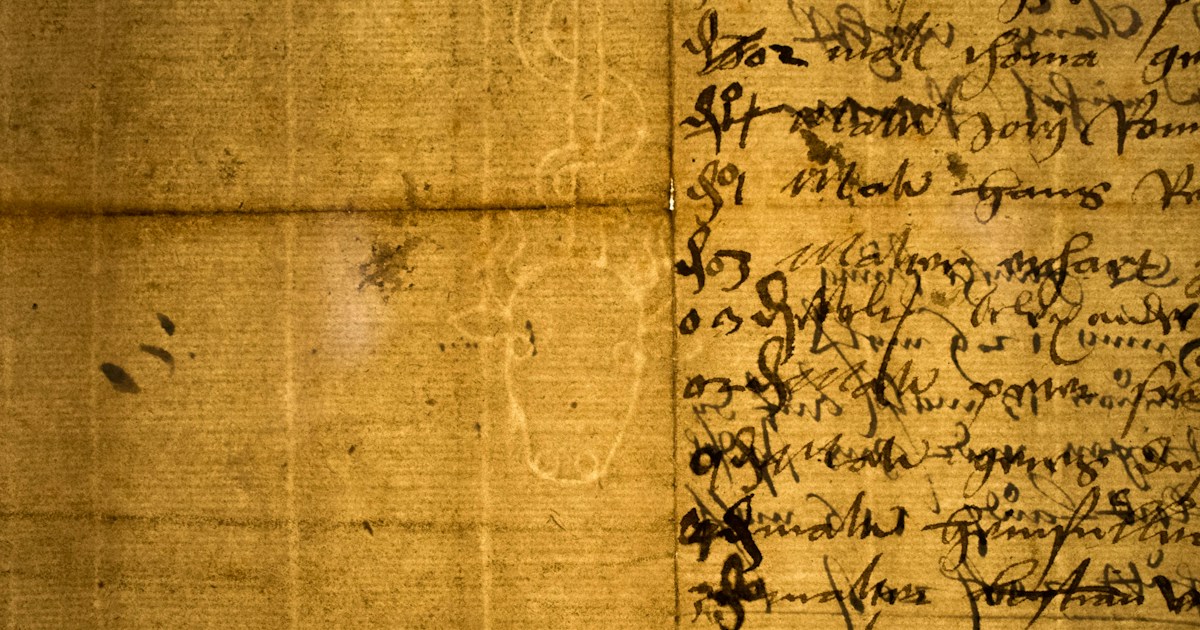
Ancient magical writing shows that magic was not one unchanging system. Its practices shifted with language, religion, medicine, political power, technologies, and everyday concerns.
Healing Spells, Protection, and Everyday Problems
People sought ritual help for problems that remain familiar: sickness, pain, childbirth, household safety, love, money, enemies, and uncertainty about the future. The remedies could combine practical materials with a spoken charm or prayer.
That mixture does not mean ancient people lacked observation. The Edwin Smith Papyrus, for example, demonstrates structured medical reasoning; other documents preserve incantations and ritual procedures. A fair account holds both facts at once: some ancient methods reflect careful empirical experience, while others rely on supernatural explanations that modern medicine does not validate.
Ritual Specialists, Scribal Traditions, and Secret Knowledge
Writing gave specialists a way to preserve procedures and claim expertise. A practitioner who knew a rare formula, a divine name, or the right sequence of actions could present that knowledge as powerful and restricted.
Some surviving magical manuscripts also show practical literacy: notes, corrections, abbreviated instructions, and collections of recipes. They are evidence of people learning and transmitting ritual knowledge, not just of finished literary works.
Gods, Spirits, Angels, and Magical Names
Ancient texts invoke a wide range of divine and supernatural beings. Names could be used to praise, command, bargain with, or appeal to these powers. Multilingual papyri sometimes combine divine names from several traditions.
A string of unfamiliar names may look like nonsense to a modern reader, but it may have held meaning through tradition, sound, ritual authority, or deliberate secrecy. Scholars analyze language and context rather than assuming every unusual phrase is either meaningless or a literal transcript of supernatural speech.
Divination, Astrology, and Reading Signs
Divination offered ways to interpret uncertainty. Ancient practitioners might seek dreams, inspect omens, consult lots, or relate events to celestial patterns. These practices could serve individuals and governments alike.
The important historical distinction is between what a source says practitioners believed and whether the method predicts the future. Manuscripts are strong evidence for cultural beliefs and ritual procedures; they are not scientific proof that divination works.
What Magical Texts Tell Us About Ancient Society
The texts reveal more than ritual. They offer glimpses of:
- Health concerns: headaches, bleeding, childbirth, illness, and injury.
- Household anxieties: protection from hostile forces and misfortune.
- Literacy: who could write, copy, read, or commission ritual material.
- Cultural contact: how traditions adapted across language and religious boundaries.
- Social authority: which specialists claimed knowledge and how they established credibility.
- Book history: how new writing formats changed the storage and use of ritual knowledge.
Medieval grimoire history adds another chapter, but it should not be projected backward onto every ancient text. The modern category grimoire generally describes a manual of magical operations; the ancient record includes many kinds of ritual writing that are not grimoires in that narrower sense. A useful overview of the distinction appears in the Encyclopedia of Magic and Magicians at the University of Bristol’s research resources.
🪄 Ancient Magic in Practice: Spells, Objects, and Rituals
The sources show that ritual was often multisensory and procedural. Words mattered, but so could objects, gestures, timing, location, and the practitioner’s role.
Amulets, Tablets, Bowls, and Written Charms
Writing could be worn, carried, displayed, placed in a building, or buried. The text’s physical form was part of how it functioned.
- Amulets: Portable protection, sometimes bearing a name, image, or formula.
- Clay tablets: Durable records of incantations and ritual procedures.
- Incantation bowls: Household objects inscribed with protective text.
- Papyrus or parchment sheets: Could be folded, rolled, or worn as charms.
- Funerary inscriptions: Texts placed in tombs to support the deceased.
This is a helpful contrast with modern performance magic. A playing card in close-up magic is a prop used to create an audience experience; ancient inscribed amulet was intended as a protective or ritual object. Both depend on material culture and meaning, but their purposes are different.
Incantations, Ingredients, and Ritual Instructions
A magical recipe might specify a spoken formula, a physical ingredient, and a sequence of actions. When interpreting one, historians ask:
- Who is instructed to act? A client, priest, healer, or ritual specialist?
- What materials are required? Plant, oil, water, lamp, vessel, image, or written charm?
- What words are prescribed? Prayer, command, divine names, or repeated syllables?
- When and where should it happen? A particular day, hour, room, temple, or threshold?
- What outcome is intended? Healing, protection, a dream, divination, or influence?
These steps help reconstruct the text as a procedure rather than as a mysterious block of words. They also show why translation is difficult: a manuscript may omit assumed knowledge, use technical vocabulary, or preserve a damaged line.
Love Magic, Curses, Protection, and Healing
The surviving sources cover emotionally charged goals as well as religious ones. Some spells seek affection or sexual fulfillment; others aim to bind a rival, protect a home, heal an illness, or discover hidden information.
A balanced reading matters. A love spell is evidence of desire and social anxiety, not proof that the ritual controlled another person. A curse tablet tells us that someone wanted to harm or constrain an opponent; it does not establish that the curse succeeded.
The historical lesson: magical texts record human hopes and fears with unusual intimacy. They preserve not only grand theology but also the ancient equivalent of “Please let this pain stop,” “Keep my family safe,” or “Tell me what happens next.”
📚 How the Oldest Magical Manuscripts Were Preserved
Survival is partly a matter of luck. The oldest text we have is not necessarily the oldest text that existed; it may simply have been written on a material and stored in a place that survived.
Clay, Papyrus, Parchment, and Other Writing Materials
| Material | Strength | Weakness | What survives well |
|---|---|---|---|
| Clay | Durable when fired or kept dry | Heavy and breakable | Cuneiform tablets |
| Papyrus | Lightweight and convenient | Vulnerable to moisture and decay | Texts from dry Egyptian environments |
| Parchment | Durable and reusable | Costly and labor-intensive to prepare | Codices and later manuscripts |
| Wooden tablets | Reusable, especially with wax | Wax and wood can deteriorate | Occasional notebooks and accounts |
| Ceramic | Robust and locally available | Limited surface and difficult to revise | Incantation bowls and inscribed vessels |
The transition from roll to codex was not merely a fashion change. A codex was easier to consult page by page and could use both sides of its leaves. The Würzburg project notes that codices became predominant in Egypt during the fourth century and largely displaced rolls by the fifth, though format choices depended on purpose, materials, and convention.
Burial, Libraries, and Accidental Survival
Documents survive through a combination of human choices and environmental luck:
- Dry climates help preserve papyrus and parchment.
- Burial can protect objects from later reuse or disturbance.
- Libraries and archives preserve collections but are vulnerable to fire, war, and political upheaval.
- Discarded rubbish heaps can unexpectedly preserve everyday documents.
- Clay’s durability gives Mesopotamian records a survival advantage over many papyrus texts.
This creates a major bias in what we know. We may have many surviving texts from one region not because people there practiced more magic, but because the local climate and writing materials were kinder to the evidence.
Translation Challenges and Lost Meanings
Magical texts can be hard to translate because they often contain:
- Damaged or missing lines.
- Rare words and technical terms.
- Names transliterated across languages.
- Abreviations or instructions understood only by specialists.
- Formulaic phrases whose sound mattered as much as their dictionary meaning.
- Later corrections, additions, or copied errors.
A responsible translation distinguishes between what the manuscript clearly says, what scholars infer, and what remains uncertain. That is why a popular account may give a crisp date while a specialist catalogue gives a range. The difference is not necessarily a contradiction: one may be summarizing, while the other explains the evidence and its limits.
🧠 Myths and Misconceptions About Ancient Magic
| Misconception | What the evidence supports |
|---|---|
| “There is one definite oldest spellbook.” | The answer depends on whether we mean an incantation, a funerary collection, a manual, or a surviving copy. |
| “Ancient people clearly separated magic from religion.” | Ritual, prayer, medicine, and divination often overlapped. |
| “A text attributed to Moses or Solomon must be ancient.” | Famous names could lend authority to much later works. Attribution is not proof of authorship. |
| “Every magical manuscript was a secret grimoire.” | Some texts were working notes, small charms, household objects, or medical records. |
| “Ancient spells were all curses.” | Healing, protection, divination, love, and funerary transformation are all represented. |
| “A ritual text proves the ritual worked.” | It proves that a text prescribed or described a practice, not that its claimed effects occurred. |
| “The survival record shows exactly how widespread magic was.” | Preservation is uneven and strongly shaped by material and climate. |
Medieval and early modern grimoires often claimed ancient or biblical origins, and later readers sometimes treated those claims as history. The safer approach is to separate a text’s self-presentation from the date and context established by manuscript evidence. A legendary origin can still be historically meaningful: it tells us how authors and readers sought authority.
🌍 Where to See Ancient Magical Texts Today
Many manuscripts are held in museums, libraries, or university collections. Some are displayed in galleries; others are accessible through digitized catalogues and scholarly databases.
| Resource | Useful for |
|---|---|
| British Museum Collection | Objects and collection records from ancient civilizations |
| The Metropolitan Museum of Art | Egyptian and ancient Near Eastern objects and essays |
| Israel Museum Digital Dead Sea Scrolls | Digital access to major scrolls and background |
| Cuneiform Digital Library Initiative | Cuneiform tablets and scholarly records |
| University of Würzburg Coptic Magical Papyri | Research on Coptic magical texts and manuscripts |
| Heidelberg University Library Digital Collections | Digitized manuscripts and papyri resources |
| Chester Beaty | Manuscripts, collection information, and exhibitions |
| UCLA Encyclopedia of Egyptology | Scholarly articles on ancient Egyptian history and religion |
When visiting a museum, look for the object number, provenance, material, and dating note. Those details often tell you more than a dramatic label calling an object “the world’s oldest spell.”
🔗 Recommended Links
Books and research starting points
- The Greek Magical Papyri in Translation, Including the Demotic Spells — A major scholarly translation collection; useful for readers ready to tackle primary texts.
- Ancient Egyptian Magic — Geraldine Pinch’s accessible introduction to Egyptian ritual and magical traditions.
- Magic in the Ancient World — Fritz Graf’s scholarly overview of ancient Mediterranean magic.
- The Egyptian Book of the Dead: The Book of Going Forth by Day — A useful route into Egyptian funerary texts, with the caveat that the Book of the Dead is a distinct funerary tradition, not a general spellbook.
- The Dead Sea Scrolls: A Biography — A readable guide to the scrolls’ historical setting.
Explore related Magic Trick™ guides
❓ FAQ About the Oldest Magical Texts
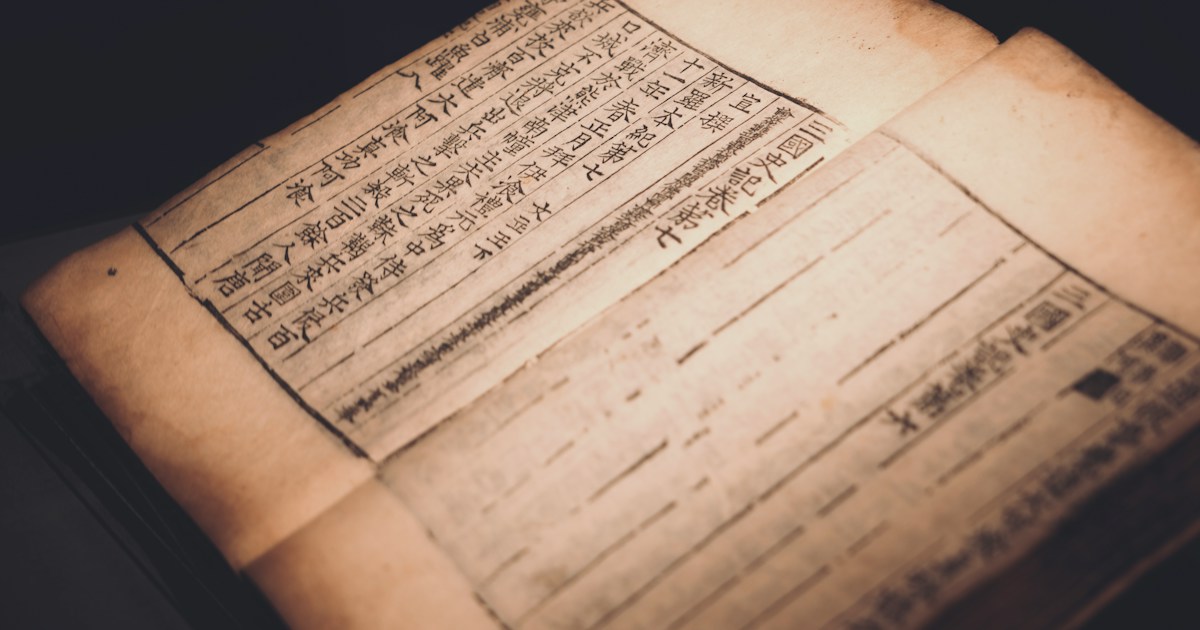
What are the oldest surviving books of magic and what spells do they contain?
There is no single agreed-upon oldest surviving book of magic, because the answer depends on how we define a book. The earliest magical writing includes Mesopotamian incantation tablets and Egyptian funerary compositions, while more recognizable collections of practical ritual instructions survive in later papyri.
The Pyramid Texts are among the oldest substantial collections of Egyptian spells, but they are funerary inscriptions in royal tombs. The Greek Magical Papyri and the Demotic Magical Papyrus of London and Leiden preserve more practical ritual instructions, including invocations, protection, healing, divination, and personal aims. They are later than the earliest tablets and funerary texts, but closer to what many modern readers picture as a spellbook.
How did ancient magical manuscripts influence modern magic tricks?
Ancient ritual texts are not direct manuals for modern stage magic. Their aims and worldviews differ: a ritual text might seek healing or protection, while a magician’s performance is designed to entertain through illusion and audience management.
The historical connection is broader. Both ritual and performance can make meaningful use of secrecy, symbols, timing, suggestion, repeated actions, and control of attention. These similarities are useful for thinking about how humans create powerful experiences, but they do not prove that ancient practitioners performed modern-style tricks. For contemporary performance traditions, explore our guides to illusions and card tricks.
Read more about “🪄 Magic Tricks: From Ancient Mystery to Modern Wonder”
What magical techniques are described in the Greek Magical Papyri?
The Greek Magical Papyri preserve procedures involving spoken invocations, divine names, written charms, ritual objects, offerings, lamps, bowls, herbs, and divination. Some instructions specify timing or a sequence of actions; others seek a dream, vision, protection, healing, or influence in personal affairs.
The collection is diverse and fragmentary. It is not one standardized system, and the presence of a recipe does not prove it was widely practiced or that it achieved its promised result. The strongest historical conclusion is that some ancient practitioners treated ritual as a structured combination of language, material objects, and performance.
How did medieval grimoires shape the history of illusion and stage magic?
Grimoires shaped the history of written esoteric traditions, but they should not be described as direct instruction manuals for modern illusionists. Medieval and early modern grimoires often focused on prayers, astrology, ritual circles, divine or angelic names, and spirit conjuration. Stage magic developed through separate traditions of performance, sleight of hand, apparatus, and entertainment.
There are indirect points of contact: printed books helped circulate claims about hidden knowledge, and performers could draw on the public’s fascination with mystery and supernatural power. But a grimoire’s claimed ritual operation and a stage magician’s deliberate deception are different activities. Keeping that distinction clear makes both histories more interesting, not less.
Is the Book of the Dead ancient Egyptian spellbook?
The Book of the Dead is a modern name for a group of Egyptian funerary texts intended to help the deceased in the afterlife. It contains spells and ritual instructions, so it can reasonably be called magical in a broad sense. It is not, however, a general-purpose handbook for everyday spellcasting.
Did ancient magical practitioners use written charms in ordinary life?
Yes. Amulets, papyrus charms, and incantation bowls show that written ritual could be used in household and personal contexts. Coptic manuscripts can even preserve magical instructions beside mundane records, suggesting that ritual knowledge was embedded in everyday working life rather than isolated from it.
Why do experts give different dates for the oldest magical text?
Experts may be dating different things: the composition of a tradition, the copy of a particular manuscript, or the archaeological context where the object was found. Some sources use a broad period, while others give a narrower date based on paleography, language, or excavation evidence. Always check whether a date refers to the surviving object or to the text’s presumed origin.
Are ancient spells historically proven to work?
No. A manuscript can establish that a spell was written down, prescribed, or valued by a community. It cannot, by itself, verify supernatural effects. Historians can study the ritual’s language, materials, users, and social purpose while remaining neutral about claims that cannot be tested from the manuscript.
📖 Reference Links
- Coptic Magical Papyri project, University of Würzburg — Research and resources on Coptic magical manuscripts.
- Looking at the Coptic Magical Papyri VIII: Changes in Manuscript Formats — Detailed discussion of rolls, sheets, codices, and rotuli.
- Cuneiform Digital Library Initiative — Catalogues and images of cuneiform tablets.
- UCLA Encyclopedia of Egyptology — Peer-reviewed resources on Egyptian history, religion, and culture.
- Israel Museum Digital Dead Sea Scrolls — Digital access to important scrolls and explanatory material.
- British Museum Collection — Searchable records for ancient objects and manuscripts.
- The Metropolitan Museum of Art Collection — Ancient artifacts and scholarly collection essays.
- Chester Beaty — Manuscript collection and educational resources.
- Heidelberg University Library Digital Collections — Digitized manuscripts and papyri.
- After Skool and Agrippa’s Diary: “The Mysterious History Of Magic” — Video overview of magic’s history; best used alongside specialist sources for manuscript dates and interpretation.