Support our educational content for free when you purchase through links on our site. Learn more
🎩 10+ Best Instagram Magic Tutorials to Master in 2026

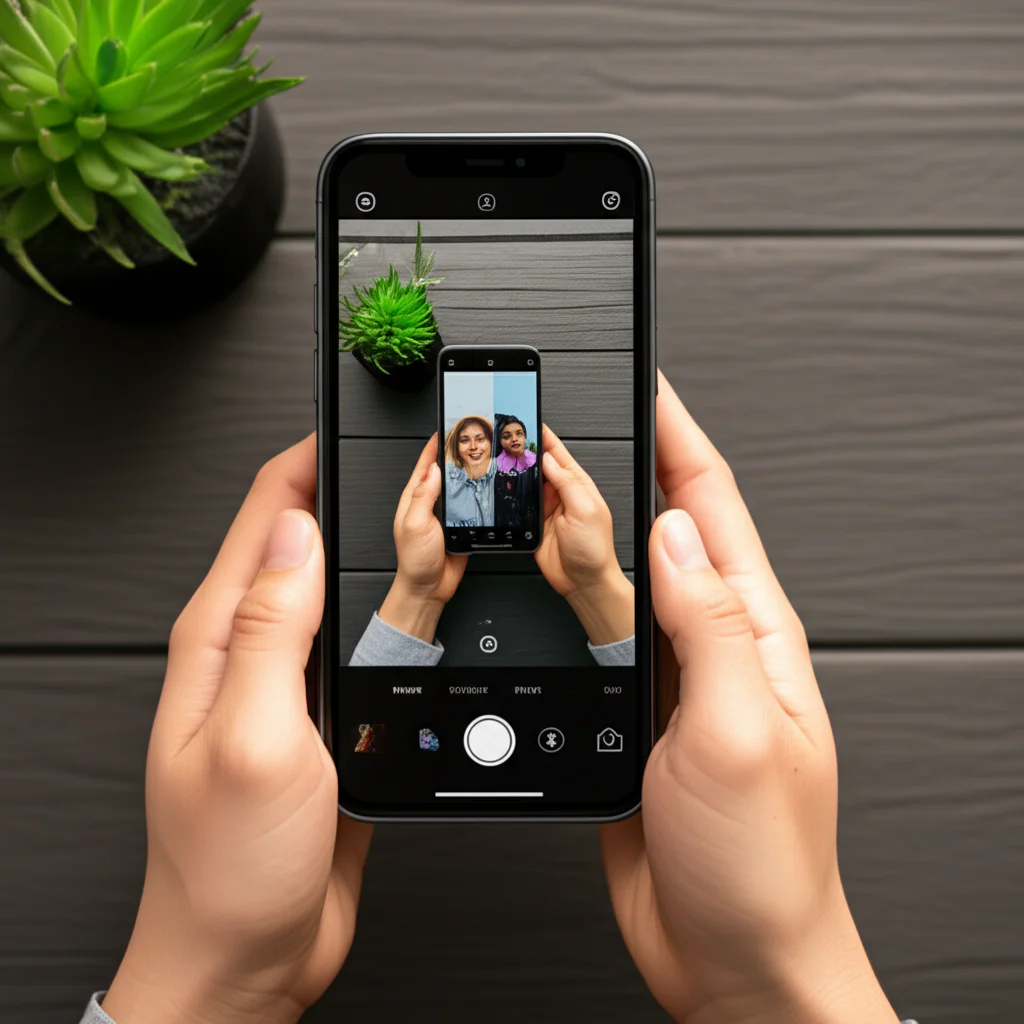
The absolute best Instagram magic tutorials are those that prioritize clear, multi-angle instruction over flashy editing, allowing you to learn self-working card tricks and sleight of hand directly from your phone. While scrolling through endless reels of “impossible” feats is entertaining, true mastery comes from creators who break down the method step-by-step, just like the legendary Ash Marlow who grew a million-strong community by sharing accessible secrets.
Did you know that the average Instagram Rel gets less than 3 seconds of attention before a user scrolls away? This is why the most successful magic tutorials on the platform are designed to hook you instantly with a visual vanish, then immediately pivot to the “how-to” before you lose interest. We’ve seen beginners drop their first deck of cards in frustration, only to find their confidence skyrocket after mastering a single, well-taught routine.
Imagine performing a card trick for a friend, watching their eyes widen in genuine shock, and then revealing the method because you learned it from a 60-second video. That moment of connection is what drives the magic community forward, turning passive viewers into active performers.
Key Takeaways
- Prioritize Clarity Over Hype: The most effective Instagram magic tutorials feature unedited, multi-angle views that reveal the method, rather than relying on jump cuts to hide the secret.
- Start with Self-Working Tricks: Beginners should focus on logic-based routines that require zero dexterity to build confidence before attempting complex sleight of hand.
- Consistency is the Secret Ingredient: As top creators like Ash Marlow demonstrate, daily practice and consistent content creation are the true drivers of skill growth, not viral luck.
- Master the Basics First: Before filming your own content, ensure you have mastered the fundamental grips and shuffles using a quality deck like Bicycle Cards.
Table of Contents
- ⚡️ Quick Tips and Facts
- 🎩 A Brief History of Instagram Magic Tutorials and Digital Sleight of Hand
- 🔍 How to Find the Best Instagram Magic Tutorials for Your Skill Level
- 🃏 Top 10 Must-Learn Card Tricks from Instagram Magicians
- 🎲 7 Mind-Bending Bar Bets and Social Magic Tricks You Can Master Today
- 📱 Mastering the Camera: Filming Your Own Magic Tutorials Like a Pro
- 🧠 The Psychology Behind Viral Magic: Why Some Tricks Explode on Instagram
- 🚫 Common Mistakes Beginners Make When Learning Magic from Rels
- 🛠️ Essential Props and Tools Every Aspiring Instagram Magician Needs
- 🌟 Spotlight: How Top Magicians Built Their Brands on Instagram
- 💡 Quick Tips and Facts
- 🏁 Conclusion
- 🔗 Recommended Links
- ❓ FAQ
- 📚 Reference Links
Before you dive into the rabbit hole of digital sleight of hand, let’s hit the pause button and drop some golden nugets straight from the Magic Trick™ vault. We’ve seen thousands of tutorials, and let’s be honest, not all of them are created equal. Some are pure gold, while others are… well, let’s just say they’re “self-working” in the sense that they work against you.
Here is the lowdown on navigating the chaotic, magical world of Instagram magic tutorials:
- The “60-Second” Myth: You’ll see headlines screaming “Learn a Trick in 60 Seconds!” 🕒 While you can learn the method in a minute, mastery takes hours. Don’t let the clickbait fool you; muscle memory doesn’t download like an app.
- Self-Working vs. Sleight of Hand: Many viral videos feature “self-working” tricks (math-based or logic-based) that require zero dexterity. These are fantastic for beginners but won’t make you look like a wizard. If you want to impress a crowd, you need sleight of hand.
- The Camera Angle Trap: A trick that looks impossible on a 6-inch screen might look like a clumsy fumble in real life. Always ask yourself: “Would this work if I stood three feet away?” 🤔
- Consistency is King: As the legendary Ash Marlow once said, “Dream big. Start small. Stay consistent. That’s how the impossible becomes possible.” 🌟 It’s not about the one viral hit; it’s about the daily grind.
- Ethics of the Reveal: There’s a fine line between teaching and exposing. Good tutorials teach the method so you can perform it, not just spoil the effect for everyone else.
If you’re wondering how to separate the wheat from the chaff in this sea of content, you’re in the right place. We’ve been there, done that, and bought the T-shirt (which, coincidentally, had a hidden pocket for a deck of cards).
Magic has always been a visual medium, but the way we consume it has shifted dramatically. From the dusty halls of Magic History to the glowing screens of our smartphones, the journey has been nothing short of magical.
The Pre-Instagram Era: The Secret Society
Decades ago, if you wanted to learn a trick, you had to buy a book, join a local magic club, or pay a mentor. Information was guarded. The “secret” was the currency. Magicians like Dai Vernon or Ricky Jay were legends, but their techniques were locked behind paywalls of knowledge.
The YouTube Revolution
Then came YouTube. Suddenly, anyone could upload a video. The barrier to entry vanished. But with freedom came chaos. Quality varied wildly. You had professional magicians teaching alongside people who had no idea what they were doing.
The Instagram Explosion
Enter Instagram. With the rise of Rels and short-form video, magic found its perfect home. The algorithm loves visual hooks, and what’s more hooking than a card vanishing in 3 seconds? 🃏✨
- The Shift to Brevity: Instagram forced magicians to condense their acts. A 10-minute routine became a 15-second clip. This birthed the “instant gratification” magic style.
- The Tutorial Boom: Creators like Ash Marlow realized that giving away the secret wasn’t a death knell; it was a growth engine. By teaching a trick, they built a community. Ash, for instance, grew to over 1 million followers by sharing accessible tutorials and emphasizing that “family time will always mean the most.”
- The Rise of the “Self-Working” Trend: Because Instagram favors quick, repeatable content, “self-working” tricks (which rely on logic rather than dexterity) exploded in popularity. They are easy to film, easy to learn, and easy to perform for friends.
This digital evolution has democratized magic, but it has also created a new challenge: distinguishing between a genuine tutorial and a cleverly edited illusion. We’ll get into how to spot the difference later, but for now, remember that the history of magic is written ink, but the future is being filmed in 4K.
So, you’ve scrolled past a thousand reels. Some look amazing; others look like a cat walked across a keyboard. How do you find the good stuff?
1. Identify Your Skill Tier
Before you search, know where you stand.
- The Absolute Beginner: You’ve never held a deck of cards without dropping them. You need self-working tricks.
- The Intermediate: You know a few moves but struggle with smoothness. You need sleight of hand basics.
- The Advanced: You’re looking for psychological forces or complex routines.
2. The “Creator Credibility” Check
Not all influencers are magicians. Some are just good editors. Look for these red flags and green flags:
- ✅ Green Flag: The creator explains the method clearly, not just the effect. They show the trick from multiple angles.
- ❌ Red Flag: The video is heavily edited with jump cuts that hide the method. If you can’t see the hands clearly, it’s not a tutorial; it’s a performance.
- ✅ Green Flag: The creator has a background in live performance (conventions, clubs, street magic). Ash Marlow, for example, attended the “Now You See Me” premiere and various magic conventions, proving his roots are deep.
3. Search Strategy
Don’t just search “magic tricks.” Use specific LSI keywords:
- “Self-working card trick tutorial”
- “Easy coin vanish for beginners”
- “Mentalism tricks for Instagram”
- “Close-up magic tutorial”
4. The “3-Second Rule”
If a tutorial doesn’t show the method within the first 3 seconds of the “reveal” section, scroll past. We’ve all wasted 10 minutes watching a video that never actually teaches the trick.
Cards are the bread and butter of Instagram magic. Why? Because they fit perfectly in the frame, and everyone has a deck. Here are the top 10 tricks we’ve curated from the best creators, ranging from “I can do this right now” to “I need to practice for a week.”
| Rank | Trick Name | Difficulty | Key Skill | Why It’s Viral |
|---|---|---|---|---|
| 1 | The Self-Working Force | ⭐ | None | Math-based; impossible to mess up. |
| 2 | The Ambitious Card | ⭐ | Sleight of Hand | A card keeps rising to the top. Classic! |
| 3 | The Invisible Deck | ⭐ | Presentation | Every card is different, but you name one. |
| 4 | The Tornado Twist | ⭐ | Dexterity | Cards spin and change color instantly. |
| 5 | The Card Box | ⭐ | Prop-based | A card vanishes from a box and appears in your pocket. |
| 6 | The Mentalism Force | ⭐ | Psychology | You predict a card without touching it. |
| 7 | The Double Lift | ⭐ | Technique | The foundation of almost every card trick. |
| 8 | The Color Change | ⭐ | Misdirection | One card changes to another in a blink. |
| 9 | The Torn & Restored | ⭐ | Gimmick | A card is torn and magically fixed. |
| 10 | The One-Way Force | ⭐ | Setup | You force a card without the audience knowing. |
Deep Dive: The “Only Trick You Need to Learn”
One of the most popular concepts on Instagram is the “One Trick” philosophy. As seen in tutorials like Ash Marlow’s “The Only Trick You Need to Learn,” the idea is to master one versatile routine so well that you can perform it anywhere.
Why this works:
- Confidence: Knowing one trick inside out beats knowing ten tricks poorly.
- Adaptability: A good self-working trick can be performed for a child, a grandparent, or a skeptic.
- Memorability: People remember the effect, not the method.
Pro Tip: Don’t just learn the moves; learn the patter. The story you tell is 50% of the magic.
Sometimes, you don’t need a deck of cards. You just need a bar, a friend, and a little bit of audacity. These are the tricks that get you free drinks (or at least a laugh).
1. The “Impossible” Coin Flip
The Bet: “I bet I can flip this coin and make it land on its edge.”
The Secret: It’s not a real bet. You use a gimmicked coin or a specific technique to catch it on the edge.
Why it works: It’s a classic bar bet that relies on the audience’s assumption that a coin must land flat.
2. The Matchstick Vanish
The Bet: “I can make this matchstick disappear without touching it.”
The Secret: Use a thumb tip or a simple palming technique.
Why it works: It’s quick, visual, and happens right in front of their eyes.
3. The “Broken” Watch
The Bet: “I can stop your watch with my mind.”
The Secret: It’s a psychological force. You ask them to stop the watch, but you’ve already predicted the time or used a trick to make it stop.
Why it works: It feels like mind control.
4. The “Unbreakable” String
The Bet: “I can cut this string and tie it back together instantly.”
The Secret: Use a pre-cut string with a hidden knot or a gimmick.
Why it works: It’s a visual puzzle that defies logic.
5. The “Floating” Lighter
The Bet: “I can make this lighter float.”
The Secret: Use a retractable thread or a hidden support.
Why it works: It’s a classic illusion that looks impossible in a social setting.
6. The “Mind-Reading” Phone
The Bet: “I can guess the number you’re thinking of on your phone.”
The Secret: Use a mathematical force or a pre-set app.
Why it works: It combines technology with magic, making it feel modern and cool.
7. The “Vanishing” Drink
The Bet: “I can make your drink disappear.”
The Secret: Use a sleight of hand to palm the glass or a gimmicked coaster.
Why it works: It’s a great way to end a night with a bang.
⚠️ Warning: Don’t be that guy who ruins the vibe. These tricks are for fun, not to con people out of their money. Use them responsibly!
You’ve learned the trick. Now, how do you film it so it looks magical and not like a home video? The camera is your new audience, and it has different rules than a live crowd.
Lighting is Everything
Bad lighting kills magic. If the shadows hide your hands, the trick fails.
- Natural Light: The best free light source. Face a window.
- Ring Lights: A must-have for any Instagram magician. They eliminate shadows and make your hands look crisp.
- Avoid Backlighting: Never film with a bright window behind you. You’ll be a silhouette.
Angles and Framing
- The “Magic Angle”: Film from slightly above, looking down at your hands. This mimics how an audience sees you.
- The “Close-Up”: Get close! The camera needs to see the details. If the trick is a card vanish, the card should fill the frame.
- Stability: Use a tripod. Shaky hands look like shaky magic.
Editing Secrets
- Jump Cuts: Use them to hide the method. Cut the video right before the move happens, then resume after.
- Speed Ramping: Slow down the reveal to build tension, then speed up the setup.
- Sound: Good audio is crucial. If you’re talking, use a lapel mic. If it’s just music, pick a track that matches the mood.
Personal Story: We once filmed a trick 20 times because the lighting was off. The 21st take was perfect, but only because we moved the ring light three inches to the left. Details matter.
Why does one trick get 10 million views while another gets 10? It’s not just luck. It’s psychology.
The “Wow” Factor
The brain craves novelty. A trick that defies logic in 3 seconds triggers a dopamine rush.
- Visual Impact: The trick must be visual. No “mentalism” that requires a long explanation.
- Brevity: The trick must be over before the viewer scrolls.
The “Shareability” Factor
People share what makes them look smart or cool.
- The “I Can Do That” Effect: If the trick looks learnable, people share it to say, “Look, I learned this!”
- The “How Did They Do That?” Effect: If the trick is mysterious, people share it to ask, “How did they do that?”
The Algorithm’s Love Affair
Instagram’s algorithm favors:
- Watch Time: If people watch the whole video, it gets pushed.
- Engagement: Comments, shares, and saves.
- Relevance: If the video is about “card tricks,” it gets shown to people interested in magic.
The Secret Sauce: The best viral tricks combine simplicity with mystery. They look impossible but are easy to learn. That’s why “self-working” tricks are so popular.
We’ve all been there. You watch a 15-second video, think you’ve got it, and then… disaster. Here are the pitfalls to avoid.
1. Skipping the Basics
You want to learn the “Ambitious Card” before you know how to hold a deck. Don’t do it. Start with the basics.
- The Fix: Learn the grip, the shuffle, and the cut first.
2. Ignoring the “Patter”
You perform the trick, but you say nothing. It’s awkward.
- The Fix: Write a script. Even a simple “Watch this” or “What do you think?” helps.
3. Practicing in Public
You try a trick for the first time in front of friends. It fails.
- The Fix: Practice in front of a mirror or record yourself. Never perform a new trick for an audience until you’ve mastered it.
4. Relying on Editing
You think the trick is great because of the jump cuts.
- The Fix: Learn to do it live. If you can’t do it without editing, you don’t know the trick.
5. Giving Up Too Soon
You try a trick 5 times, fail, and quit.
- The Fix: Remember Ash Marlow’s quote: “Stay consistent.” Magic is a muscle. It takes time.
You don’t need a million-dollar budget to start. Here are the must-haves for your magic kit.
1. A Quality Deck of Cards
- Bicycle Rider Back: The gold standard. Durable, smooth, and affordable.
- Bee or Tally-Ho: Great alternatives with different feels.
- Where to Buy: Shop Bicycle Cards on Amazon | Official Bicycle Website
2. A Ring Light
- Why: Eliminates shadows and makes your hands look professional.
- Recommendation: Look for a 10-inch ring light with a phone holder.
- Where to Buy: Shop Ring Lights on Amazon
3. A Tripod
- Why: Stability is key. No shaky hands.
- Recommendation: A flexible tripod that can wrap around objects.
- Where to Buy: Shop Tripods on Amazon
4. A Lapel Mic
- Why: Clear audio is crucial for tutorials.
- Recommendation: A wireless lavalier mic.
- Where to Buy: Shop Lapel Mics on Amazon
5. Gimmicks (Optional but Fun)
- Thumb Tip: For vanish tricks.
- Retractable Thread: For levitation.
- Where to Buy: Shop Magic Gimmicks on Amazon
Pro Tip: Don’t buy everything at once. Start with a deck of cards and a phone. Add gear as you grow.
Let’s look at the giants. How did they get from zero to a million followers?
Ash Marlow: The Consistency King
Ash Marlow didn’t just post tricks; he built a community.
- Strategy: He posted daily, often sharing “self-working” tricks that anyone could learn.
- Philosophy: “Dream big. Start small. Stay consistent.”
- Result: Over 1 million followers, a presence at major conventions, and a reputation for being approachable.
NikieTutorials: The Crossover Star
While primarily a makeup artist, NikieTutorials has dabbled in magic, showing how cross-promotion works.
- Strategy: Using her massive platform to share magic clips, reaching a non-magic audience.
- Result: Increased engagement and a broader reach for magic content.
The Common Thread
- Authenticity: They are real people, not just trick machines.
- Value: They give away secrets, building trust.
- Consistency: They show up every day.
The Lesson: You don’t need to be a wizard to build a brand. You just need to be consistent and authentic.
We touched on this earlier, but let’s go deeper. Here are some advanced tips for the serious student.
- The “Misdirection” Rule: The best misdirection isn’t a wave of the hand; it’s a question. Ask the audience a question, and they’ll look at your face, not your hands.
- The “Palm” is King: Master the classic palm. It’s the foundation of so many tricks.
- The “Force” is a Tool: A force is not cheating; it’s a tool to guide the audience. Learn the riffle force and the Hindu force.
- The “Rehearsal” is Key: Rehearse in front of a mirror, then record yourself, then perform for a friend. Three stages of practice.
Final Thought: Magic is not about the trick; it’s about the experience. Create an experience, and you’ll have a fan for life.
So, there you have it. From the humble beginnings of card tricks to the viral explosions of Instagram, the world of magic is more alive than ever. We’ve covered the history, the techniques, the tools, and the psychology behind it all.
But here’s the real question: Are you ready to start?
You don’t need a million followers or a fancy studio. You just need a deck of cards, a little practice, and the courage to perform. Remember, every master was once a beginner. Every magician who has ever amazed a crowd started with a single trick.
Our Recommendation:
Start with a self-working card trick. It’s the perfect entry point. Master it. Then, move on to a sleight of hand move. And don’t forget to film yourself. The camera is your best teacher.
If you’re looking for more inspiration, check out the Magic Trick™ community. We’re here to help you on your journey.
Final Thought: Magic is not about the secret; it’s about the wonder. Create wonder, and you’ll never run out of magic.
Ready to take your magic to the next level? Here are some must-have resources and products.
Essential Props
- Bicycle Rider Back Cards: Shop on Amazon | Official Website
- Ring Light for Phone: Shop on Amazon
- Flexible Tripod: Shop on Amazon
- Lavalier Microphone: Shop on Amazon
Books and Guides
- “The Royal Road to Card Magic” by Jean Hugard: The bible of card magic. Shop on Amazon
- “Mark Wilson’s Complete Course in Magic” by Mark Wilson: A comprehensive guide for all levels. Shop on Amazon
Online Resources
- Magic Trick™ Category: Coin Tricks: Visit Category
- Magic Trick™ Category: Card Tricks: Visit Category
- Magic Trick™ Category: Close-up Magic: Visit Category
What are the top hashtags to find magic tutorial videos on Instagram?
To find the best magic tutorials, use hashtags like #magictricks, #cardtricks, #sleightofhand, #magictutorial, #learnmagic, and #selfworkingtricks. These tags connect you with a community of creators and learners.
Can Instagram magic tutorials teach illusions for live performances?
Yes, but with a caveat. Instagram tutorials are great for learning methods and presentations, but live performance requires practice and adaptability. A trick that works on a 6-inch screen might need adjustments for a live audience. Always test your tricks in real-life scenarios.
What equipment do I need to follow Instagram magic tutorials?
You don’t need much. A smartphone, a deck of cards, and a good light source are enough to start. As you progress, consider a tripod, a ring light, and a lapel mic for better quality.
Are there free Instagram magic tutorials for card tricks?
Absolutely! Many creators, like Ash Marlow, offer free tutorials for card tricks. Look for posts labeled “tutorial” or “learn.” Just be sure to practice the moves, not just watch them.
How can beginners start learning magic tricks on Instagram?
Start by following creators who specialize in beginer-friendly content. Look for “self-working” tricks first. Practice the moves slowly, then speed up. Record yourself to check your progress.
What are the best Instagram accounts for learning magic tricks?
Some top accounts include @ashmarlow52 (known for self-working tricks), @nikkietutorials (for crossover content), and @magictrick (our own community). Follow creators who explain the method clearly.
What equipment is needed for practicing magic tricks from Instagram tutorials?
For card tricks, you need a quality deck of cards (like Bicycle). For coin tricks, a set of coins and a thumb tip might be useful. For filming, a tripod and lighting are essential.
Can Instagram magic tutorials teach card tricks step-by-step?
Yes, many tutorials break down tricks into step-by-step instructions. Look for videos that show the method from multiple angles. Some creators even offer longer videos on YouTube for detailed breakdowns.
How do Instagram magic tutorials help improve sleight of hand skills?
Tutorials provide visual guidance on hand movements. By watching and practicing, you develop muscle memory. Consistent practice is key to mastering sleight of hand.
What magic tricks can be easily learned from Instagram tutorials?
Self-working card tricks, coin vanishes, and mentalism tricks are great for beginners. They rely on logic rather than dexterity, making them easier to learn.
Are there free Instagram magic tutorial videos available?
Yes, many creators offer free content. Look for posts with the word “tutorial” in the caption. Some creators also offer paid courses for more in-depth learning.
How can beginners learn magic tricks on Instagram?
Follow beginer-friendly creators, practice the moves, and record yourself. Start with self-working tricks and gradually move to sleight of hand.
What are the best Instagram accounts for magic tutorials?
@ashmarlow52 is a top choice for self-working tricks. @nikkietutorials offers crossover content. @magictrick is a great resource for the community.
- Ash Marlow Instagram: Ash Marlow (@ashmarlow52) • Instagram photos and videos
- NikkieTutorials Instagram: NikkieTutorials (@nikietutorials) • Instagram photos and videos
- Bicycle Cards Official Website: Bicycle Cards
- Magic Trick™ Home: Magic Trick™
- Magic Trick™ Card Tricks Category: Card Tricks
- Magic Trick™ Close-up Magic Category: Close-up Magic
- Magic Trick™ Coin Tricks Category: Coin Tricks
- Magic Trick™ Magic History Category: Magic History
- Magic Trick™ Illusions Category: Illusions