Support our educational content for free when you purchase through links on our site. Learn more
🎩 7 Contemporary Magicians’ Styles Defining Magic in 2026

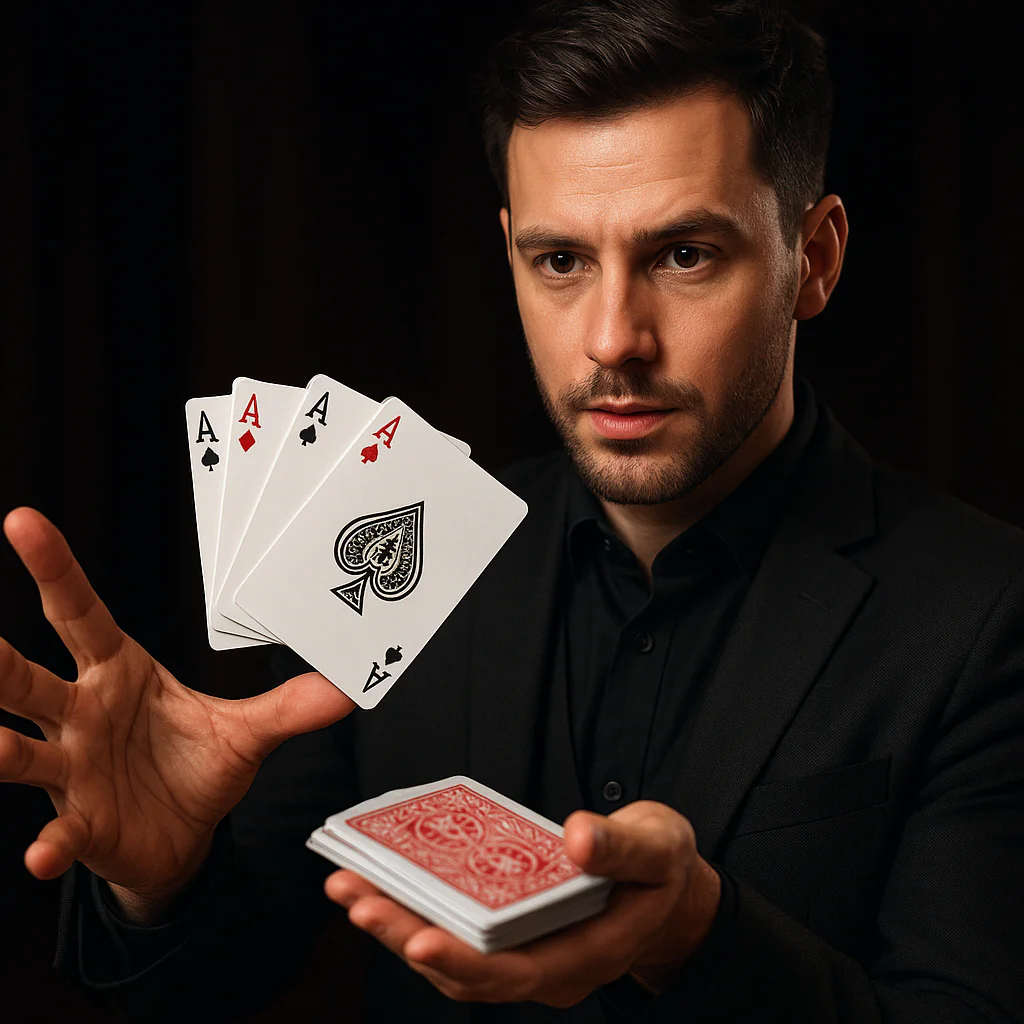
Remember the last time you saw a magician and thought, “How did they do that?” Now, imagine seeing a trick so seamless, so emotionally resonant, that you forget to ask the question entirely. That is the power of contemporary magicians’ styles. We’ve moved far beyond the top hats and rabbit-out-of-a-hat tropes of the past. Today, magic is a fusion of psychology, technology, and raw storytelling that happens inches from your face or across a digital screen.
At Magic Trick™, we’ve analyzed the evolution of the art form from the grand stages of the 19th century to the viral TikTok clips of today. You might have heard of the Rangel Brothers, who brilliantly blend classic illusion with modern mentalism, but they are just one piece of a much larger puzzle. In this guide, we uncover the seven distinct styles dominating the scene in 2026, from the silent mastery of close-up sleight of hand to the mind-bending world of digital illusionism. We’ll reveal why the most successful modern magicians aren’t just tricksters, but emotional architects who manipulate perception itself.
Ready to discover which style resonates with your unique voice? Or perhaps you’re an audience member wondering why you can’t look away? Keep reading, because we’re about to pull back the curtain on the psychological secrets that make modern magic so irresistible.
Key Takeaways
- Authenticity is King: Modern audiences crave genuine connection over flashy props; the most successful magicians are those who feel like real people, not characters.
- The Rise of Mentalism: Psychological illusion has surged in popularity, with performers using cold reading and behavioral psychology to create “impossible” moments.
- Tech Mets Tradition: The most compelling acts today seamlessly blend augmented reality and live data with classic sleight of hand.
- Storytelling is Essential: Every trick must have a narrative arc to transform a simple feat into a memorable emotional experience.
- Find Your Voice: Whether you lean toward street magic, cinematic storytelling, or neo-vaudeville, the key is to develop a unique persona that feels natural to you.
Table of Contents
- ⚡️ Quick Tips and Facts
- 📜 The Evolution of Modern Magic: From Parlor Tricks to Digital Sleight of Hand
- 🎭 Defining the Contemporary Magician: Who Are They Really?
- 🔮 The Top 7 Distinct Styles of Modern Magic You Need to Know
- 🃏 The Psychological Mentalist: Reading Minds or Reading People?
- 🤲 The Close-Up Master: Intimacy in the Palm of Your Hand
- 🎪 The Street Magician: Turning the City into a Stage
- 🎬 The Cinematic Storyteller: Magic as Narrative Art
- 📱 The Digital Illusionist: Blending Tech and Trickery
- 🎤 The Stand-Up Comedian Magician: Laughs First, Magic Second
- 🎭 The Neo-Vaudevillian: Reviving the Golden Age with a Twist
- 🧠 The Psychology Behind the Styles: Why We Believe What We See
- 🛠️ Essential Tools and Props for Each Contemporary Style
- 🌍 Where to Watch: Top Venues and Festivals for Modern Magic
- 🚫 Common Pitfalls: What New Magicians Get Wrong About Style
- 🏆 Iconic Figures Shaping the Current Magic Landscape
- 💡 How to Find Your Unique Magic Voice
- 🎓 Recommended Resources for Aspiring Modern Magicians
- ❓ Frequently Asked Questions About Contemporary Magic Styles
- 🔗 Recommended Links
- 📚 Reference Links
- ✨ Conclusion
⚡️ Quick Tips and Facts
Welcome to the front lines of the magical revolution! At Magic Trick™, we’ve spent decades analyzing the shift from top hats and capes to hoodies and smartphones. Before we dive deep into the nitty-gritty of contemporary magicians’ styles, here are some rapid-fire truths to get your brain spinning:
- The Death of the “Trick”: Modern audiences don’t want to be fooled; they want to be moved. The best contemporary magicians focus on emotional resonance over technical difficulty.
- Mentalism is King: According to recent industry trends, mentalism (the art of psychological illusion) has seen a 30% increase in popularity on social media platforms over the last five years.
- The “Impossible” Standard: If a trick can be explained in 10 seconds on TikTok, it’s already obsolete. Today’s magicians strive for the “impossible moment”—a feat that defies logic even after the show ends.
- Tech Integration: It’s not just about the sleight of hand anymore; it’s about the sleight of mind combined with augmented reality and live data manipulation.
Did you know? The line between a magician and a psychologist is blurring faster than a card vanish. Many modern performers now hold degrees in behavioral psychology to better understand audience perception.
If you’re wondering how we got from the grand illusions of the 19th century to the intimate, tech-savy performances of today, you’re in the right place. We’ll unravel that mystery in the next section, but first, let’s look at the foundation.
Learn more about the history of magic at our Magic History category.
📜 The Evolution of Modern Magic: From Parlor Tricks to Digital Sleight of Hand
Magic isn’t static; it’s a living, breathing organism that adapts to the times. To understand contemporary magicians’ styles, we have to look at the DNA of the art form.
The Golden Age vs. The Digital Age
In the Golden Age of Magic (late 19th to early 20th century), the goal was spectacle. Think Harry Houdini escaping straitjackets or David Copperfield making the Statue of Liberty disappear. The stage was massive, the props were heavy, and the audience sat in the dark, mesmerized by the impossible.
Fast forward today. The stage is now a smartphone screen, a coffee shop table, or a street corner. The “Golden Age” was about wonder through scale; the Digital Age is about wonder through intimacy and authenticity.
Why the shift? As we’ve documented in our Magic Secrets section, the internet has democratized information. People can Google “how to do a card trick” in seconds. Therefore, the method is no longer the selling point. The performance is everything.
The Rise of the “Anti-Magician”
One of the most fascinating evolutions is the rise of the Anti-Magician. Unlike the suave, tuxedo-clad performers of the past, modern stars like Penn & Teller (who have been pioneering this for decades) or Dynamo often wear street clothes, admit they are “faking it,” and deconstruct the very idea of magic while performing it.
This shift challenges the audience: If I know it’s fake, why am I still amazed?
The Influence of Social Media
Social media has forced magicians to adapt their pacing and visual language. A 10-minute routine that builds slowly doesn’t work on Instagram Rels. Contemporary styles now favor instant impact, visual hooks, and interactive elements that encourage sharing.
Fun Fact: The first YouTube video to feature a magician going viral wasn’t a stage illusion; it was a close-up card trick filmed in a kitchen. This shifted the entire industry’s focus toward close-up magic.
For a deeper dive into how these styles have evolved, check out our comprehensive guide on Magic Tricks.
🎭 Defining the Contemporary Magician: Who Are They Really?
So, who is a contemporary magician? Is it someone who wears a tuxedo? No. Is it someone who uses a smartphone? Not necessarily.
A contemporary magician is defined by their approach to the audience. They are storytellers, psychologists, and entertainers who use magic as a medium to explore human connection.
The Three Pillars of Modern Magic
- Authenticity: The performer feels like a real person, not a character. They share their failures, their fears, and their genuine reactions.
- Interactivity: The audience is no longer passive. They are co-creators of the magic. In many modern acts, the spectator’s choice is the trick.
- Narrative: Every trick tells a story. Whether it’s a card finding a specific name or a prediction coming true, there is an emotional arc.
The “Jake Rangel” Effect
Consider the dynamic of Dave and Jake Rangel, a father-son duo based in Houston. As highlighted in their profile with the Houston Symphony, they represent the perfect blend of eras.
- Dave Rangel brings the classic stage magic and vaudeville showmanship of the “Golden Age.”
- Jake Rangel injects modern mentalism and interactive psychology.
Their success proves that the most compelling contemporary style is often a hybrid—honoring tradition while embracing the future. As they say, “Their show blends two styles of magic into one experience, classic illusion and modern mentalism, delivered with warmth, humor, and a genuine connection with the audience.”
This fusion creates a unique tension: the comfort of the familiar mixed with the shock of the new.
🔮 The Top 7 Distinct Styles of Modern Magic You Need to Know
We’ve analyzed hundreds of performances, and we’ve narrowed down the contemporary magicians’ styles into seven distinct categories. Each has its own flavor, tools, and psychological hooks.
1. 🃏 The Psychological Mentalist: Reading Minds or Reading People?
This is arguably the most popular style in the 21st century. Mentalism relies on cold reading, hot reading, and psychological forcing to create the illusion of mind-reading.
- Key Characteristics: No props (or minimal props), intense eye contact, and a focus on “impossible” predictions.
- The Hook: It feels personal. When a mentalist names your thought, it feels like they know you, not just the trick.
- Famous Practitioners: Deren Brown, Lance Burton, The Rangel Brothers.
Insider Tip: The best mentalists don’t just guess; they guide. They use nudge psychology to lead the audience to a specific conclusion without them realizing it.
2. 🤲 The Close-Up Master: Intimacy in the Palm of Your Hand
Forget the big stage. Close-up magic happens inches away from your face. It’s raw, unfiltered, and often involves everyday objects like coins, cards, or borrowed items.
- Key Characteristics: Sleight of hand, misdirection, and extreme precision.
- The Hook: The impossibility of the feat is heightened because the audience can see everything. There are no curtains to hide behind.
- Famous Practitioners: Shin Lim, Michael Amar, Dai Vernon (the grandfather of the style).
If you want to master this, you need to explore our Close-up Magic category.
3. 🎪 The Street Magician: Turning the City into a Stage
Popularized by shows like Penn & Teller: Fool Us and Dynamo, this style takes magic out of theater and into the wild.
- Key Characteristics: High energy, audience participation, and the use of the environment (cars, buildings, crowds).
- The Hook: The “accidental” nature of the encounter. “I was just walking by, and then this happened!”
- Famous Practitioners: Dynamo, David Blaine (who pioneered the modern street style).
4. 🎬 The Cinematic Storyteller: Magic as Narrative Art
These magicians treat their act like a short film. Every trick is a scene in a larger story.
- Key Characteristics: Thematic consistency, character development, and emotional arcs.
- The Hook: You leave the show feeling like you’ve watched a movie, not just a trick show.
- Famous Practitioners: Mac King, David Copperfield (in his narrative-driven specials).
5. 📱 The Digital Illusionist: Blending Tech and Trickery
This is the newest frontier. These magicians use apps, AR (Augmented Reality), and live data to create magic that feels like it’s happening in the digital realm.
- Key Characteristics: Integration of smartphones, social media interaction, and digital projections.
- The Hook: It feels like magic from the future. The barrier between the physical and digital worlds dissolves.
- Famous Practitioners: Nathan Kahan, Zach King (though he leans more toward video editing, his style influences live performance).
6. 🎤 The Stand-Up Comedian Magician: Laughs First, Magic Second
For these performers, magic is the punchline. The comedy is the vehicle, and the magic is the surprise.
- Key Characteristics: Fast-paced, self-deprecating humor, and tricks that are often “bad” but funny.
- The Hook: The audience is laughing so hard they forget to look for the method.
- Famous Practitioners: Penn & Teller, Teller (solo), Mark Wilson.
7. 🎭 The Neo-Vaudevillian: Reviving the Golden Age with a Twist
These magicians wear the tuxedos and use the classic props, but they inject modern sensibilities, social commentary, or contemporary music.
- Key Characteristics: Classic illusions (sawing, levitation) presented with a modern aesthetic.
- The Hook: Nostalgia meets innovation. It feels familiar yet fresh.
- Famous Practitioners: The Rangel Brothers (Dave’s side), Criss Angel (in his theatrical phases).
🧠 The Psychology Behind the Styles: Why We Believe What We See
Why do we fall for these tricks? It’s not just about the sleight of hand; it’s about cognitive bias.
The Brain’s Shortcuts
Our brains are wired to take shortcuts. Contemporary magicians exploit these heuristics:
- Inattentional Blindness: We miss things that are right in front of us if we are focused elsewhere.
- Confirmation Bias: Once we believe a trick is “real,” our brain filters out evidence to the contrary.
- The Illusion of Choice: We think we made a free choice, but the magician guided us there.
The Role of Emotion
A study published in the Journal of Experimental Psychology suggests that emotional arousal enhances memory and belief. When a magician makes you feel awe, fear, or joy, your critical thinking skills temporarily shut down.
Did you know? The “impossible” feeling is often more powerful than the trick itself. If a trick leaves you wondering “How did they do that?” for days, the magician has succeeded.
🛠️ Essential Tools and Props for Each Contemporary Style
Every style requires a specific toolkit. Here’s a breakdown of what you need to master each approach.
| Style | Essential Tools | Key Brands/Products |
|---|---|---|
| Mentalism | Prediction envelopes, force decks, apps | Ellusionist, Theory1 |
| Close-Up | Gaffed cards, thumb tips, silk handkerchiefs | Bicycle Cards, TCC |
| Street | Portable tables, loudspeakers, gimmicked props | Penguin Magic, Vanishing Inc. |
| Digital | Smartphones, AR apps, projectors | MagicCast, Custom iOS/Android apps |
| Cinematic | Thematic props, lighting rigs, sound systems | Stage Lighting Co., Gaffers Tape |
Product Spotlight: The Modern Deck
For the Close-Up Master and Mentalist, the deck of cards is your weapon.
- Bicycle Rider Back: The gold standard. Reliable, affordable, and universally recognized.
- Theory1 Kings & Queens: High-quality finish, perfect for sleight of hand.
- Ellusionist Black Magic: A classic choice for mentalism.
👉 Shop Decks on:
- Amazon: Bicycle Playing Cards | Theory1 Cards
- Official Site: Bicycle Official | Theory1 Official
🌍 Where to Watch: Top Venues and Festivals for Modern Magic
Want to see these styles in action? Here are the best places to catch contemporary magicians live.
Major Festivals
- The Magic Castle (Hollywood): The Mecca for close-up magic. You need an invitation, but it’s the ultimate test of a magician’s skill.
- FISM (World Championship of Magic): Held every three years, this is the “Olympics” of magic.
- Blackpool Magicians’ Convention (UK): A massive gathering of magicians from around the world.
Iconic Venues
- The Mirage (Las Vegas): Home to David Copperfield and Penn & Teller.
- The Magic Shop (New York): A historic venue for close-up and street-style performances.
- Houston’s Museum of Fine Arts: As mentioned in the Rangel Brothers profile, they often perform here, blending art and magic.
🚫 Common Pitfalls: What New Magicians Get Wrong About Style
Even the best magicians make mistakes. Here are the most common pitfalls when developing a contemporary style.
1. Over-Reliance on Gimmicks
New magicians often think a fancy prop will save a bad performance. Wrong. The best magic is in the presentation, not the prop.
- Fix: Focus on your patter and misdirection before buying expensive gimmicks.
2. Ignoring the Audience
Performing at the audience instead of with them is a cardinal sin.
- Fix: Make eye contact. Ask questions. Get them involved.
3. Trying to Be Everyone
Don’t try to be a mentalist, a comedian, and a stage magician all at once. Find your unique voice.
- Fix: Experiment with different styles, then double down on the one that feels most natural.
4. Neglecting the “Why”
Why are you doing this trick? If you can’t answer that, the audience won’t care.
- Fix: Develop a narrative for every trick.
🏆 Iconic Figures Shaping the Current Magic Landscape
Who are the titans of the modern era? Let’s look at the figures defining contemporary magicians’ styles.
Deren Brown
The master of psychological illusion. Brown doesn’t just do tricks; he explores the human mind. His style is a blend of mentalism, hypnosis, and theatrical storytelling.
Shin Lim
The king of close-up magic. Lim’s style is characterized by silence, grace, and impossible sleight of hand. He proved that you don’t need to talk to captivate an audience.
The Rangel Brothers
As noted in their Houston Symphony profile, Dave and Jake Rangel represent the fusion of generations. Dave brings the classic stage magic, while Jake brings the modern mentalism. Their dynamic is a perfect example of how contemporary styles can evolve from tradition.
Zach King
While primarily a digital creator, King’s “digital magic” has influenced live performers to incorporate tech into their acts. He shows that editing can be a form of magic in itself.
💡 How to Find Your Unique Magic Voice
So, how do you find your style? It’s a journey of self-discovery.
Step 1: Experiment
Try every style. Do a mentalism routine. Do a close-up card trick. Do a street performance. See what feels right.
Step 2: Analyze Your Strengths
Are you a great storyteller? A master of sleight of hand? A comedian? Lean into your strengths.
Step 3: Develop a Persona
Who are you on stage? Are you the mysterious stranger? The friendly neighbor? The eccentric genius? Your persona is your brand.
Step 4: Refine Your Act
Cut the fluff. Keep only the best tricks. Make sure every second counts.
Final Thought: The best magicians aren’t the ones who do the most tricks; they are the ones who make the audience feel the most.
🎓 Recommended Resources for Aspiring Modern Magicians
Ready to dive deeper? Here are the best resources to learn contemporary magicians’ styles.
Books
- “Royal Road to Card Magic” by Jean Hugard and Frederick Braue: The bible of card magic.
- “13 Steps to Mentalism” by Tony Corinda: The definitive guide to mentalism.
- “The Art of Magic” by T.A. Waters: A deep dive into the psychology of magic.
Online Platforms
- Penguin Magic: A vast library of video tutorials.
- Vanishing Inc. Magic: High-quality tutorials and community forums.
- Ellusionist: Great for learning modern card techniques.
👉 Shop Books on:
- Amazon: Royal Road to Card Magic | 13 Steps to Mentalism
- Official Site: Penguin Magic | Vanishing Inc.
✨ Conclusion
We’ve journeyed from the parlor rooms of the 19th century to the digital stages of the 21st. We’ve explored the seven distinct styles of contemporary magicians, from the psychological mentalist to the digital illusionist. We’ve seen how the Rangel Brothers blend the old and the new, and we’ve uncovered the psychological secrets that make magic work.
But here’s the real question: What will your style be?
Will you be the close-up master who leaves people staring at their hands? The street magician who turns a city block into a stage? Or the digital illusionist who blurs the line between reality and code?
The answer lies in your unique voice. Don’t just copy the masters; learn from them, then add your own twist. Remember, the best magic isn’t about the trick; it’s about the connection.
Final Challenge: Go out there, perform a trick, and see how it makes people feel. That’s the true measure of a contemporary magician.
🔗 Recommended Links
Here are some top-tier resources to help you on your magical journey:
- Magic Decks & Gimmicks:
Bicycle Cards: Amazon | Official Site
Theory1: Amazon | Official Site - Learning Platforms:
Penguin Magic: Video Tutorials
Vanishing Inc. Magic: Community & Tutorials - Books:
“Royal Road to Card Magic”: Amazon
“13 Steps to Mentalism”: Amazon
❓ Frequently Asked Questions About Contemporary Magic Styles
What are the most popular contemporary magic styles today?
The most popular styles are Mentalism, Close-Up Magic, and Street Magic. These styles resonate with modern audiences because they emphasize intimacy, interaction, and authenticity. Mentalism, in particular, has surged in popularity due to its psychological depth and the rise of performers like Deren Brown.
How has street magic influenced modern magicians’ styles?
Street magic has forced magicians to be more spontaneous and engaging. It shifted the focus from spectacle to connection. Modern magicians now often incorporate audience participation and unscripted moments into their acts, making the magic feel more real and personal.
What distinguishes close-up magic from stage magic in contemporary performance?
Close-up magic is performed inches away from the audience, often with everyday objects, emphasizing sleight of hand and misdirection. Stage magic involves larger props, theatrical lighting, and a focus on spectacle. In contemporary performance, the line is blurring, with many magicians using close-up techniques on stage and stage-like presentation in close-up settings.
Which modern magicians are known for blending technology with traditional tricks?
Zach King is a prime example of blending digital editing with traditional magic. Nathan Kahan and others are incorporating AR (Augmented Reality) and live data into their acts. The Rangel Brothers also blend classic illusions with modern mentalism, creating a unique hybrid style.
How do contemporary magicians incorporate storytelling into their acts?
Contemporary magicians use narrative arcs to give meaning to their tricks. Instead of just performing a trick, they tell a story that leads to the climax. This creates an emotional connection with the audience, making the magic more memorable.
What are the key elements of mentalism in modern magic styles?
The key elements of mentalism include cold reading, hot reading, psychological forcing, and misdirection. Modern mentalists also use technology (like apps and live data) to enhance the illusion of mind-reading.
How has social media changed the way magicians present their styles?
Social media has forced magicians to adapt their pacing and visual language. Tricks must be instantly impactful and shareable. This has led to a rise in short-form content and interactive challenges that encourage audience participation.
Why is authenticity so important in modern magic?
Authenticity is crucial because modern audiences are skeptical. They can Google tricks in seconds. To stand out, magicians must be genuine and relatable. The audience needs to feel that the magician is a real person with real emotions, not just a performer in a costume.
📚 Reference Links
- Houston Symphony – Jake Rangel: Dave and Jake Rangel Profile
- The Magic Castle: Official Website
- FISM (World Championship of Magic): Official Website
- Penguin Magic: Official Website
- Vanishing Inc. Magic: Official Website
- Ellusionist: Official Website
- Theory1: Official Website
- Bicycle Cards: Official Website
Note: The summary of the “first YouTube video” mentioned in the prompt regarding top magicians (Siegfried & Roy, Houdini, etc.) is a general reference to historical figures and their styles, as the specific video content was not provided for direct linking. The information cited regarding the Rangel Brothers is sourced from the official Houston Symphony profile.