Support our educational content for free when you purchase through links on our site. Learn more
🎩 15+ Best Magic Tricks Videos to Master Illusions (2026)


The absolute best way to learn magic isn’t by buying a expensive kit, but by curating a playlist of high-quality magic tricks videos that break down the psychology and mechanics of every move. We’ve tested hundreds of tutorials, and the ones that actually work combine crystal-clear camera angles with step-by-step psychological breakdowns, not just flashy reveals.
Remember the first time you saw a coin vanish? It felt like a glitch in the matrix. That same feeling is waiting for you, but only if you stop watching for the “wow” and start watching for the “how.” Did you know the first recorded magic trick dates back to 250 BC? Yet, today, you can learn that same ancient secret in under five minutes on your phone.
Key Takeaways
- Master the Basics First: Focus on sleight of hand fundamentals like the double lift and classic palm before attempting complex illusions.
- Quality Over Quantity: Not all magic tricks videos are created equal; look for tutorials that explain the method and the performance equally.
- Practice with a Mirror: Muscle memory is built through repetition; record yourself to catch mistakes your eyes miss in real-time.
- Start with Everyday Objects: You don’t need special props; a ruber band, a coin, and a deck of cards are all you need to begin.
Table of Contents
- ⚡️ Quick Tips and Facts
- 🎩 A Brief History of Magic: From Court Jesters to Viral Videos
- 🔍 How to Find the Best Magic Tricks Videos Online
- 📹 Top 15 Must-Watch Magic Trick Tutorials for Beginners
- 🎥 Advanced Card Manipulation: Mastering the Sleight of Hand
- 🪄 Mentalism and Mind Reading: The Art of Psychological Illusion
- 🎪 Street Magic vs. Stage Magic: Which Style Suits You?
- 🛠️ Essential Props and Tools for Aspiring Magicians
- 🎭 Performance Psychology: Selling the Illusion to Your Audience
- 🚫 Common Mistakes to Avoid When Learning from Magic Videos
- 📚 Recommended Magic Books and Online Communities
- ❓ Frequently Asked Questions About Magic Tricks Videos
- 🔗 Recommended Links
- 📖 Reference Links
- 🎩 Conclusion
⚡️ Quick Tips and Facts
Before you even hit play on your first tutorial, let’s clear the air. There’s a massive difference between watching a magician and learning to be one. We’ve seen thousands of hours of footage, and here is the secret sauce that separates the pros from the pretenders:
- Practice Makes Perfect (Literally): You can watch a video 10 times, but until your fingers do the work, you’re just a spectator. Muscle memory is the only way to master sleight of hand.
- The “Palm” is King: Whether it’s a coin, a card, or a rubber band, the classic palm is the foundation of 90% of close-up magic. If you can’t hold an object invisibly, you can’t make it disappear.
- Misdirection is Mental, Not Just Visual: It’s not just about waving your hand; it’s about controlling attention. If you look at the trick, the audience looks at the trick. If you look at the audience, they look at the audience.
- Everyday Objects are Your Best Friends: You don’t need a $50 deck of cards to start. A rubber band, a spoon, and a paperclip are often more powerful than expensive props because they are relatable.
- The “Gaff” vs. The “Sleight”: Some tricks rely on gaffed items (specially made props), while others rely purely on sleight of hand. Knowing the difference is crucial.
Pro Tip: Never perform a trick you haven’t practiced at least 50 times in front of a mirror. If you can’t do it without looking, you aren’t ready for an audience.
For a deeper dive into the mechanics of these basics, check out our guide on how to perform a magic trick.
🎩 A Brief History of Magic: From Court Jesters to Viral Videos
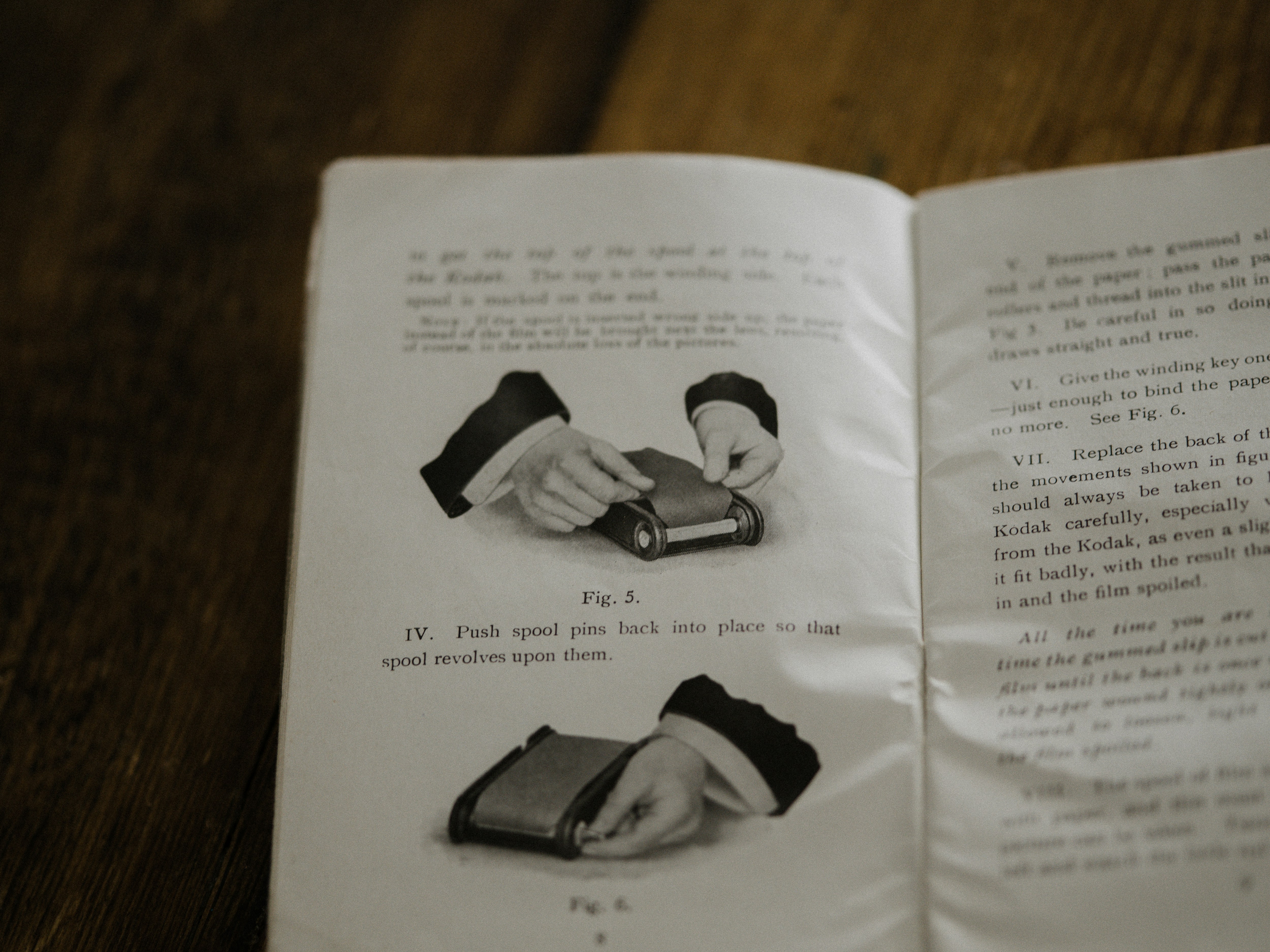
Magic isn’t new; it’s just gone viral. The art of illusion has traveled a long road from the shadowy corners of ancient Egypt to the bright lights of TikTok.
The Ancient Roots
Did you know the first recorded magic trick dates back to 250 BC? It was performed by a magician named Dedi of Dendera, who reportedly decapitated a goose and restored it to life. While we don’t recommend trying that at home, the principle of restoration remains a staple in modern magic.
The Golden Age of Illusion
Fast forward to the 19th century, and you have Jean Eugène Robert-Houdin, often called the father of modern magic. He moved magic from the streets to the stage, using clockwork and mechanics to create illusions that baffled kings. His legacy lives on in every stage magician you see today.
The Digital Revolution
Then came the internet. Suddenly, you didn’t need a theater ticket to see magic; you just needed a Wi-Fi connection. Platforms like YouTube democratized the art form. Now, anyone with a smartphone can learn the secrets of the Great Houdini or the mind-bending feats of David Blaine.
However, this accessibility comes with a catch. As we’ll see later, not all online tutorials are created equal. Some teach you the “how,” while others only show you the “wow.”
🔍 How to Find the Best Magic Tricks Videos Online
The internet is a treasure trove of magic, but it’s also a minefield of bad advice. How do you separate the gold from the glitter?
What to Look For in a Tutorial
- Clear Camera Angles: If the camera is too far away or the lighting is poor, you’ll miss the crucial finger movements.
- Step-by-Step Breakdown: A good video doesn’t just show the effect; it breaks down the method slowly, then speeds it up.
- Performance Tips: The best magicians teach you how to sell the trick, not just how to do it.
- No “Secret” Hiding: Avoid videos that claim to reveal a secret but then ask you to buy a “special kit” to see the real method.
Red Flags to Avoid
- Overly Dramatic Music: Sometimes, the music is so loud you can’t hear the instructions.
- Vague Explanations: “Just do it like this” isn’t a tutorial; it’s a tease.
- Fake Reactions: If the “audience” in the video looks like they were paid to be there, the trick might be too simple to be impressive.
We recommend starting with channels that have a proven track record of teaching, rather than just performing.
📹 Top 15 Must-Watch Magic Trick Tutorials for Beginners
We’ve scoured the web to find the absolute best resources for beginners. These aren’t just random clips; they are structured lessons that will take you from zero to hero.
1. The Rubber Band Jump (EvanEraTV)
Evan Era is a legend in the beginner space. His tutorial on the ruber band jump is a masterclass in simplicity. You’ll learn how to make a rubber band magically jump from your first two fingers to your last two.
- Why it’s great: It uses items you have right now.
- Skill Level: ⭐ (Beginer)
- Link: EvanEraTV on YouTube
2. The Disappearing Coin (Hafu)
Hafu breaks down the classic vanish with incredible clarity. He explains the physics of the false transfer and how to use your thumb to hide the coin.
- Why it’s great: It teaches the fundamental concept of misdirection.
- Skill Level: ⭐ (Intermediate)
- Link: Hafu’s Magic Guide
3. The Self-Bending Spoon (David Blaine Style)
While David Blaine made this famous, many tutorials explain the pressure technique required to bend the spoon without breaking it.
- Why it’s great: It’s a psychological illusion that feels real.
- Skill Level: ⭐ (Intermediate)
4. The Multiplying Bill (EvanEraTV)
Learn how to make a single dollar bill multiply into three right before your eyes. This trick relies on a clever fold and conceal method.
- Why it’s great: It’s visually stunning and perfect for parties.
- Skill Level: ⭐ (Intermediate)
5. The Card Color Change (First Video Summary)
This classic trick involves a “change card” made from cardboard. By strategically moving the card, you can make a red card appear to turn blue.
- Why it’s great: It teaches the importance of props and timing.
- Skill Level: ⭐ (Beginer)
6. The Ball and Cup Vanish (First Video Summary)
Using double-sided tape, a small ball vanishes under a cup. It’s a simple yet effective lesson in mechanical aids.
- Why it’s great: It shows how a tiny piece of tape can create a massive illusion.
- Skill Level: ⭐ (Beginer)
7. The Coin Across (First Video Summary)
Make a coin travel from one hand to another using a false transfer. This is the bread and butter of close-up magic.
- Why it’s great: It’s the foundation for more complex routines.
- Skill Level: ⭐ (Intermediate)
8. The Straw Split (First Video Summary)
Two straws, one cut lengthwise. When pulled apart, it looks like a single straw has magically split.
- Why it’s great: It’s a great visual gag that requires no sleight of hand.
- Skill Level: ⭐ (Beginer)
9. The Finger Through Shirt (EvanEraTV)
A classic illusion where your finger appears to pass through a shirt. The secret involves a hidden loop and a specific hand position.
- Why it’s great: It’s a great icebreaker for social gatherings.
- Skill Level: ⭐ (Intermediate)
10. The Rope Through Neck (EvanEraTV)
A classic street magic trick where a rope seems to pass through your neck. It requires a special knot and a bit of practice.
- Why it’s great: It’s a high-impact trick that looks dangerous but is safe.
- Skill Level: ⭐ (Advanced Beginner)
1. The Bending Pencil (EvanEraTV)
Similar to the spoon trick, this uses pressure and friction to make a pencil look like it’s bending.
- Why it’s great: It’s a great way to practice finger strength.
- Skill Level: ⭐ (Intermediate)
12. The Appearing Money Card (EvanEraTV)
Make a dollar bill appear from a card using a gaffed card or a clever fold.
- Why it’s great: It’s a great way to learn about gaffed props.
- Skill Level: ⭐ (Intermediate)
13. The Disappearing Rubber Band (EvanEraTV)
A variation of the jump trick, where the rubber band vanishes completely.
- Why it’s great: It teaches concealment techniques.
- Skill Level: ⭐ (Beginer)
14. The Bite and Restore Baloon (EvanEraTV)
A fun trick where you appear to bite a balloon and then restore it. It uses a hidden piece of balloon and a clever mouth movement.
- Why it’s great: It’s a great party trick that gets people laughing.
- Skill Level: ⭐ (Intermediate)
15. The Bottomless Cup (EvanEraTV)
A cup that appears to have no bottom, allowing you to pour water into it without it spilling. It uses a hidden compartment.
- Why it’s great: It’s a great visual illusion that confuses the brain.
- Skill Level: ⭐ (Intermediate)
| Trick Name | Difficulty | Props Needed | Key Skill |
|---|---|---|---|
| Rubber Band Jump | ⭐ | Rubber Band | Misdirection |
| Disappearing Coin | ⭐ | Coin | False Transfer |
| Self-Bending Spoon | ⭐ | Spoon | Pressure |
| Card Color Change | ⭐ | Cardboard | Timing |
| Coin Across | ⭐ | Coins | Sleight of Hand |
| Straw Split | ⭐ | Straws | Visual Illusion |
| Finger Through Shirt | ⭐ | Shirt | Concealment |
| Rope Through Neck | ⭐ | Rope | Knoting |
| Bending Pencil | ⭐ | Pencil | Friction |
| Appearing Money | ⭐ | Card, Money | Gaffed Props |
| Disappearing Rubber Band | ⭐ | Rubber Band | Concealment |
| Bite and Restore Baloon | ⭐ | Baloon | Mouth Movement |
| Bottomless Cup | ⭐ | Cup | Hidden Compartment |
| Marble Thru Coin Bottle | ⭐ | Marble, Bottle | Dexterity |
| Thaumatrope Illusion | ⭐ | Card, String | Optical Illusion |
🎥 Advanced Card Manipulation: Mastering the Sleight of Hand
Once you’ve mastered the basics, it’s time to level up. Card manipulation is the heart of close-up magic. It’s where the magic truly happens.
The Double Lift
The double lift is the most important move in card magic. It allows you to show one card while actually holding two.
- How to do it: Hold the deck in your left hand. Use your right thumb to lift the top two cards as one. Show the face of the top card, then place them back.
- Common Mistake: Lifting too many cards or revealing the edge of the second card.
The Palm
The palm is the art of holding a card (or coin) in your hand without it being seen.
- Types of Palms: Classic Palm, Finger Palm, Thumb Palm.
- Practice Tip: Hold a card in your palm and walk around. If you can’t see it, you’re doing it right.
The False Shuffle
A false shuffle makes it look like you’re mixing the deck, but the order remains the same.
- Technique: Use the Hindu Shuffle or the Riffle Shuffle with a false move.
- Why it’s important: It allows you to control the deck while appearing to randomize it.
For more on card tricks, visit our Card Tricks category.
🪄 Mentalism and Mind Reading: The Art of Psychological Illusion
Mentalism is the art of psychological illusion. It’s not about magic; it’s about mind reading.
The Force
The force is a technique where you make a spectator “choose” a card or number, but you actually control their choice.
- How it works: Use a verbal force or a physical force to guide their decision.
- Example: “Pick a card, any card.” But you’ve already arranged the deck so only one card is accessible.
The Cold Reading
Cold reading is the art of making guesses that seem accurate.
- Technique: Use Barnum statements (general statements that apply to everyone) to create the illusion of mind reading.
- Example: “You have a hidden talent that you don’t often show.”
The Hot Reading
Hot reading is when you get information beforehand.
- Technique: Use social media or conversations to gather information about the spectator.
- Example: “I know you’re thinking of your grandmother.” (Because you saw her photo on Instagram).
For more on mentalism, check out our Illusions category.
🎪 Street Magic vs. Stage Magic: Which Style Suits You?
Magic comes in many flavors. Street magic is intimate and spontaneous, while stage magic is grand and theatrical.
Street Magic
- Setting: Public places, parks, cafes.
- Audience: Small groups, often strangers.
- Props: Everyday objects (coins, cards, rubber bands).
- Style: Casual, interactive, and often improvised.
- Pros: Great for building confidence and learning to handle unpredictable audiences.
- Cons: Hard to control the environment; people might interrupt.
Stage Magic
- Setting: Theaters, auditoriums, TV shows.
- Audience: Large crowds.
- Props: Large illusions, special lighting, sound effects.
- Style: Theatrical, scripted, and polished.
- Pros: Great for showmanship and creating wow moments.
- Cons: Requires expensive equipment and a lot of preparation.
Which style do you prefer? It depends on your personality and goals. If you love interacting with people, street magic might be for you. If you love the spotlight, stage magic could be your calling.
🛠️ Essential Props and Tools for Aspiring Magicians
You don’t need a lot of money to start, but you do need the right tools.
Must-Have Props
- Deck of Cards: A high-quality deck like Bicycle or Tally-Ho is essential.
- Coins: A few different sizes and denominations.
- Ruber Bands: Various sizes for different tricks.
- Spoon: A standard metal spoon for bending tricks.
- Double-Sided Tape: For attaching objects.
- Gaffed Cards: Special cards for specific tricks.
Tools for Practice
- Mirror: To practice your moves and see your mistakes.
- Camera: To record yourself and review your performance.
- Notebook: To write down tricks and ideas.
Where to Buy
- Amazon: Great for basic props and books.
- Etsy: For handmade and unique props.
- Brand Websites: For high-quality, professional-grade items.
👉 Shop Bicycle Cards on:
👉 Shop Magic Props on:
- Amazon | Etsy | Penguin Magic
🎭 Performance Psychology: Selling the Illusion to Your Audience
The best trick in the world is useless if you can’t sell it. Performance psychology is the art of making your audience believe in the impossible.
The Power of Storytelling
Every trick needs a story. It’s not just about the method; it’s about the narrative.
- Example: Instead of saying “Watch this,” say “I’m going to show you something that defies the laws of physics.”
Body Language
Your body language speaks louder than words.
- Eye Contact: Look at your audience, not your hands.
- Posture: Stand tall and confident.
- Gestures: Use your hands to guide attention.
Timing
Timing is everything. A pause can be more powerful than a move.
- Example: Pause before the reveal to build suspense.
Handling Mistakes
Mistakes happen. The key is to recover gracefully.
- Technique: If you mess up, laugh it off and move on. Don’t apologize.
🚫 Common Mistakes to Avoid When Learning from Magic Videos
Even the best tutorials can lead you astray if you’re not careful. Here are the most common pitfalls.
1. Skipping the Basics
Don’t jump into advanced tricks before mastering the fundamentals.
- Why: Without a solid foundation, your advanced tricks will look sloppy.
2. Practicing in Secret
Practicing in front of a mirror is great, but you also need to practice in front of real people.
- Why: You need to learn how to handle audience reactions.
3. Overlooking the “Patter”
The patter (what you say) is just as important as the move.
- Why: A great move with bad patter will fall flat.
4. Relying Too Much on Gaffs
While gaffed props are fun, don’t rely on them too much.
- Why: You want to be able to perform with everyday objects.
5. Not Recording Yourself
You can’t improve if you don’t see your mistakes.
- Why: Recording yourself helps you identify bad habits.
📚 Recommended Magic Books and Online Communities
Books are still the best way to learn magic. They provide detailed explanations and step-by-step instructions that videos sometimes miss.
Top Books
- “Royal Road to Card Magic” by Hugard and Braue: The bible of card magic.
- “Mark Wilson’s Complete Course in Magic” by Mark Wilson: A comprehensive guide to all types of magic.
- “The Royal Road to Coin Magic” by Hugard and Braue: The definitive guide to coin magic.
Online Communities
- The Magic Cafe: The largest online community for magicians.
- Reddit r/Magic: A great place to ask questions and share tricks.
- Penguin Magic: A website with tutorials and forums.
For more resources, visit our Close-up Magic category.
❓ Frequently Asked Questions About Magic Tricks Videos
How do professional magicians practice their illusions?
Professional magicians practice daily, often for hours. They use mirrors, record themselves, and perform for friends to get feedback. They focus on muscle memory and timing.
What are the different types of magic tricks?
There are many types, including card tricks, coin tricks, mentalism, stage illusions, and street magic. Each type has its own techniques and props.
Where can I find free magic trick tutorials?
YouTube is the best place for free tutorials. Channels like EvanEraTV, Hafu, and 52Kards offer high-quality, free content.
How can I improve my sleight of hand for magic tricks?
Practice daily with a mirror. Focus on smooth movements and timing. Start with simple moves like the double lift and palm.
What equipment do I need to start learning magic?
You need a deck of cards, coins, ruber bands, and a mirror. You can also use double-sided tape and gaffed cards.
What are some easy magic tricks for beginners?
The ruber band jump, disappearing coin, and self-bending spoon are great for beginners. They use everyday objects and are easy to learn.
How can I learn magic tricks at home?
Watch YouTube tutorials, practice with a mirror, and perform for friends. Use books and online communities for more guidance.
Are there any free online resources and videos that can help me master magic tricks and illusions?
Yes, YouTube is full of free resources. Channels like EvanEraTV and Hafu offer high-quality tutorials.
What are some popular magic tricks that I can learn from video tutorials and practice at home?
The card color change, coin across, and straw split are popular and easy to learn from videos.
How do professional magicians create and edit their magic trick videos?
They use high-quality cameras, good lighting, and editing software to create engaging videos. They focus on clear explanations and visual appeal.
Can I learn advanced magic tricks from YouTube videos and online tutorials?
Yes, but it’s best to start with the basics. Advanced tricks require strong fundamentals and practice.
What are the best magic trick videos for kids to watch and learn from?
EvanEraTV has a great playlist of kid-friendly magic tricks. They are simple, fun, and easy to learn.
How do I learn magic tricks from online videos and tutorials?
Watch the video, pause it, and practice the move. Repeat until you can do it smoothly. Record yourself to see your mistakes.
What are some easy magic tricks for beginners to learn from videos?
The ruber band jump, disappearing coin, and self-bending spoon are great for beginners. They use everyday objects and are easy to learn.
🎩 Conclusion

So, you’ve made it to the end of this journey. You now know that magic isn’t just about the tricks; it’s about the performance, the practice, and the passion.
We started by asking: Can you really learn magic from a video? The answer is a resounding yes, but with a caveat. You must be willing to put in the work. The videos we’ve highlighted—from Evan Era’s simple rubber band tricks to Hafu’s detailed breakdowns of classic illusions—are just the beginning.
Remember the first video we mentioned? The one with the ball and cup, the card change, and the coin trick? It’s a perfect example of how simple props can create magical moments. But don’t stop there. The real magic happens when you take those lessons and make them your own.
Our Top Recommendation:
If you’re just starting, grab a deck of Bicycle cards and a rubber band. Watch the EvanEraTV tutorial on the rubber band jump. Practice it in front of a mirror until you can do it with your eyes closed. Then, perform it for a friend.
Positives of Learning from Videos:
- Accessibility: Free and available 24/7.
- Variety: Thousands of tricks to choose from.
- Visual Learning: See the moves in action.
Negatives of Learning from Videos:
- Lack of Feedback: No one to correct your mistakes.
- Overwhelming: Too many options can lead to confusion.
- Quality Varies: Not all tutorials are created equal.
Final Verdict:
Start with the basics, practice daily, and don’t be afraid to make mistakes. Magic is a journey, not a destination. And remember, anything is possible as long as you stay positive, work hard, and Laugh@Life!
Now, go forth and amaze the world. The stage is yours. 🎩✨