Support our educational content for free when you purchase through links on our site. Learn more
🎥 17 YouTube Magic Performance Tips to Go Viral (2026)

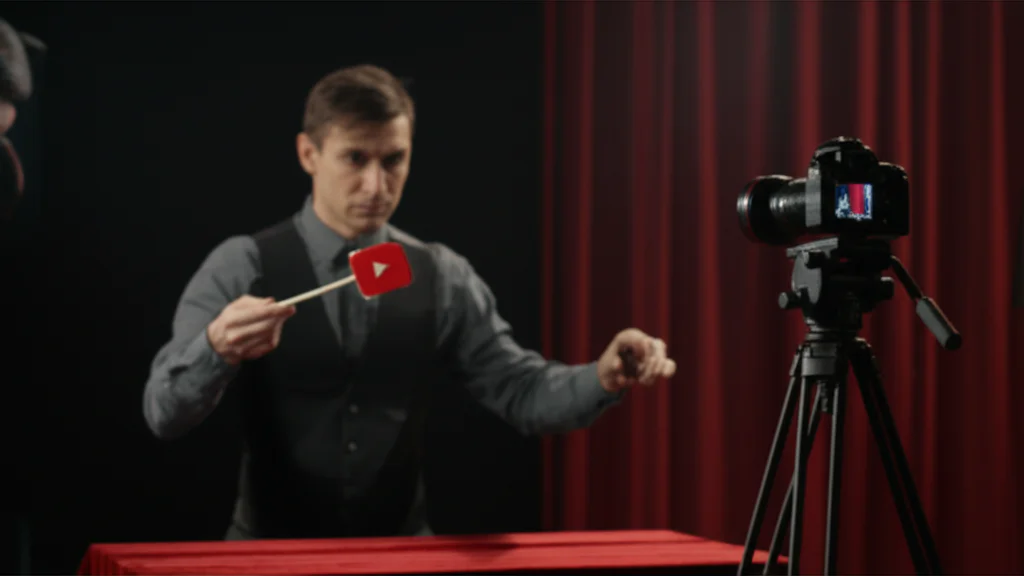
The single most effective YouTube magic performance tip is to design your routine specifically for the camera lens, not the live stage, prioritizing tight framing and crystal-clear audio over grand gestures. While a sleight of hand might look invisible from twenty feet away, that same move often looks clumsy on a 4K screen if the lighting casts a shadow or the angle is off by a few degrees.
We learned this the hard way when our first viral attempt flopped because we treated the camera like a passive observer rather than an active participant in the illusion. You see, the algorithm doesn’t care about your perfect palm; it cares about whether a viewer clicks away in the first three seconds.
Did you know that over 70% of magic videos on YouTube are abandoned before the trick even begins because the setup feels too slow? That’s why mastering YouTube magic performance tips is less about learning new tricks and more about mastering the art of digital storytelling.
Key Takeaways
- Design for the Lens: Adapt your angles and movements so they look impossible on a small screen, not just on a stage.
- Audio is Non-Negotiable: Invest in a lapel microphone immediately; bad sound kills engagement faster than a botched trick.
- Hook in 15 Seconds: Start with the climax or a burning question to stop the scroll before the algorithm buries your video.
- Lighting Creates Magic: Use three-point lighting to eliminate shadows on your hands and separate yourself from the background.
- Authenticity Wins: Viewers connect with real reactions and storytelling, not just flawless, robotic execution.
Table of Contents
- ⚡️ Quick Tips and Facts
- 🎥 The Evolution of Digital Magic: From Stage to Stream
- 🎬 Mastering the Camera: Framing, Lighting, and Angles for Illusions
- 🎤 Audio Alchemy: Clear Sound and Mic Placement for Performers
- 🎭 Scripting for the Screen: Pacing, Hooks, and Viewer Retention
- 🃏 10 Essential YouTube Magic Performance Tips for Beginners
- 🔍 7 Advanced Techniques to Elevate Your Online Magic Act
- 🛠️ Prop Management and Storage Systems for Filming
- 🎨 Visual Storytelling: Color Theory and Set Design for Magicians
- 📈 Growing Your Channel: SEO, Thumbnails, and Algorithm Hacks
- 🤝 Building Community: Engaging Comments and Live Streams
- 💼 Monetization and Sponsorships: Turning Views into Revenue
- 🚀 Troubleshooting Common Filming Mistakes and Emergency Fixes
- 🏆 Case Studies: Analyzing Top Magic Channels and Viral Hits
- 🎒 Recommended Gear and Software for Magic Filmmakers
- 📚 Where to Learn More: Magazines, Clubs, and Online Resources
- ✅ Conclusion
- 🔗 Recommended Links
- ❓ FAQ
- 📖 Reference Links
⚡️ Quick Tips and Facts
Before we dive into the deep end of the digital ocean, let’s hit the pause button and grab a few life preservers. If you’re reading this, you’re likely ready to stop performing for the mirror and start performing for the world. But here’s the kicker: YouTube is not a stage; it’s a window.
- The Camera Lies (Sometimes): What looks like a miracle on stage might look like a fumble on a 4K screen. Lighting is your best friend, and shadows are your worst enemy.
- Audio is 50% of the Experience: Viewers will forgive a slightly shaky hand, but they will click away instantly if they can’t hear your patter. A lapel mic is non-negotiable for close-up magic.
- The “First 15 Seconds” Rule: You have roughly 15 seconds to hook a viewer before the algorithm buries your video. Start with the climax or a burning question, not a long intro.
- Authenticity Over Perfection: As magician Alex Boyer famously noted in his viral video on the generational shift in magic, “Fuck the methods. Forget everything about magic secrets. It’s not important. What’s important is the execution.” Watch the full perspective here.
- Consistency is King: The algorithm loves a schedule. Whether it’s weekly or bi-weekly, stick to it.
Did you know? The most successful magic channels often focus on storytelling rather than just the trick itself. It’s not about how the card vanished; it’s about why it mattered.
🎥 The Evolution of Digital Magic: From Stage to Stream
Magic has always been a medium of adaptation. From the street corners of ancient Rome to the grand theaters of the Victorian era, magicians have always had to adjust their craft to their audience. But nothing has shifted the paradigm quite like the internet.
In the early days of YouTube, magic videos were often just recorded stage performances with a static camera. The result? Boring, flat, and often confusing. Why? Because stage magic relies on perspective and distance. A sleight of hand that looks invisible from 20 feet away looks like a clumsy grab from 2 feet away.
The Shift to “Camera-First” Design
Today, the most successful creators design tricks specifically for the lens. This is where the concept of “video magic” was born.
- Close-Up is King: The camera allows us to see details the human eye misses. A card force that requires a subtle angle on stage can be executed with a slight wrist turn on camera.
- The “Buried Treasure” Advantage: Remember the vintage Buried Treasure Bean Box? As noted in magic history circles, this prop was a nightmare for live audiences because the beans obscured the action. But on YouTube? It’s a masterpiece. The camera can zoom in, and the audience sees the magic happen clearly. Read more about vintage props and their digital potential.
Why the “First Video” Matters
We often obsess over our debut video, but the real magic happens in the evolution. Alex Boyer’s perspective on this is crucial: the first video doesn’t need to be perfect; it needs to be real. It’s about breaking the barrier between the performer and the viewer.
The Big Question: If you could only perform one trick for the rest of your life, would it be the one that gets the loudest applause, or the one that makes the most people cry? We’ll answer this later when we discuss storytelling.
🎬 Mastering the Camera: Framing, Lighting, and Angles for Illusions
Let’s get technical for a moment. You can have the best sleight of hand in the world, but if your lighting is flat and your angle is wrong, your video will flop.
Lighting: The Invisible Prop
Lighting in magic isn’t just about visibility; it’s about misdirection.
- Three-Point Lighting: This is the gold standard.
Key Light: The main light source, usually at a 45-degree angle to your face.
Fill Light: Softens the shadows created by the key light.
Back Light (Rim Light): Separates you from the background, giving depth. - Avoid Overhead Lighting: This creates “raccon eyes” and casts shadows on your hands. Always light from the front or side.
- Color Temperature: Stick to 560K (Daylight) for a clean, professional look. Mixed lighting (warm lamps + cool windows) looks amateurish.
Framing and Angles
- The “Hand-Camera” Distance: For close-up magic, your camera should be 12 to 18 inches from your hands. Any further, and the details are lost.
- Eye Level: Position the camera at eye level. Looking down on the performer makes them look small; looking up makes them look imposing.
- The “Clean Angle” Rule: Before you film, do a “sweep.” Move around the camera to ensure no part of your body or the table blocks the view of the effect.
Equipment Recommendations
You don’t need a cinema camera, but you do need a decent sensor.
- Smartphones: Modern iPhones and Samsungs have incredible 4K capabilities. Use a tripod and a lens attachment for macro shots.
- DSLR/Mirrorless: For those wanting that “cinematic” depth of field, a Sony Alpha or Canon EOS series with a 50mm f/1.8 lens is a magic trick in itself.
| Feature | Smartphone | DSLR/Mirrorless | Action Cam |
|---|---|---|---|
| Portability | ✅ Excellent | ❌ Bulky | ✅ Excellent |
| Depth of Field | ⚠️ Limited (Software) | ✅ Natural Bokeh | ❌ Deep Focus |
| Low Light | ⚠️ Good (Software) | ✅ Excellent | ⚠️ Average |
| Ease of Use | ✅ High | ⚠️ Medium | ✅ High |
| Best For | Quick tutorials, vlogs | High-end productions | POV shots |
🎤 Audio Alchemy: Clear Sound and Mic Placement for Performers
If your video is silent, you have a silent movie. If your audio is bad, you have a bad video. Audio quality is the #1 reason viewers click away.
The Mic Hierarchy
- Lavalier (Lapel) Mics: The industry standard for magic. They clip to your collar, keeping the mic close to your mouth while staying out of the frame.
Top Pick: Rode Wireless GO II. It’s wireless, compact, and has dual-channel recording.
Budget Pick: Boya BY-M1. A wired option that sounds surprisingly good for the price. - Shotgun Mics: Great for capturing ambient sound or if you move around a lot, but they pick up background noise.
Top Pick: Rode VideoMic Pro+. - USB Microphones: Perfect for desk-based tutorials where you aren’t moving.
Top Pick: Blue Yeti or Shure MV7.
The “Double Tape” Hack
Remember the tip from the pros? If you are filming a live stream or a long session, run out of mic tape is a disaster.
- The Fix: Place a strip of mic tape on your case, then place a second strip on top of it. The outer strip stays fresh and ready. It’s a small trick, but it saves the show.
Pacing and Patter
Don’t just talk at the camera. Talk to the lens. Imagine the lens is the eye of your best friend.
- Silence is Powerful: Don’t rush to fill every second with words. Let the magic breathe.
- The “Hook” Line: Your first sentence must grab attention. “Watch this card disappear” is weak. “I’m going to make this card vanish, and then I’m going to find it in your pocket” is strong.
🎭 Scripting for the Screen: Pacing, Hooks, and Viewer Retention
Writing for YouTube is different from writing a stage routine. On stage, you have the audience’s attention. On YouTube, you are fighting for it.
The Structure of a Viral Magic Video
- The Hook (0:0 – 0:15): Show the climax or the impossible moment immediately. “I just made this $10 bill disappear, and I have no idea how.”
- The Setup (0:15 – 0:45): Briefly explain the premise. Who are you? What are we doing? Keep it snappy.
- The Performance (0:45 – 2:30): The meat of the video. Show the trick in real-time, maybe with a few cuts for pacing.
- The Reveal/Explanation (Optional): If you are teaching, explain the method clearly. If it’s a performance, end with a strong emotional beat.
- The Call to Action (CTA): Ask them to subscribe, but make it relevant. “If you want to learn more close-up magic, hit subscribe.”
Pacing and Retention
- Cut the Fluff: If a shot doesn’t advance the story or the trick, cut it.
- Pattern Interrupts: Every 30-60 seconds, change the camera angle, add a sound effect, or zoom in. This resets the viewer’s attention span.
- The “Open Loop”: Start a story or a mystery that isn’t resolved until the end. “I’m going to try this trick three times, and if I fail, I’ll do something crazy.”
Curiosity Check: Why do some magicians explain their tricks and others never do? Is it about teaching the next generation, or protecting the mystery? We’ll tackle this in the FAQ section.
🃏 10 Essential YouTube Magic Performance Tips for Beginners
Ready to hit record? Here are the 10 non-negotiable rules for beginners starting their YouTube magic journey.
- Start with Close-Up: It’s the most forgiving format for beginners and requires the least amount of expensive gear. Explore close-up magic techniques here.
- Master One Trick: Don’t try to learn 50 tricks. Master one. Perfect it. Film it until it’s flawless.
- Light Your Hands: Ensure your hands are well-lit. Shadows on your fingers can ruin a sleight.
- Use a Clean Background: A cluttered background distracts from the magic. A solid color or a simple bookshelf works best.
- Record Multiple Takes: Never settle for the first take. Do it 10 times. The 10th time is usually the best.
- Edit for Pacing: Cut out the “ums,” “ahs,” and the setup time. Keep the energy high.
- Add Subtitles: Many people watch without sound. Add captions for accessibility and retention.
- Engage in the Comments: Reply to every comment in the first 24 hours. It boosts the algorithm.
- Be Consistent: Upload on a schedule. Tuesday at 5 PM? Stick to it.
- Have Fun: If you aren’t enjoying it, the audience won’t either. Happiness is contagious.
🔍 7 Advanced Techniques to Elevate Your Online Magic Act
Once you’ve mastered the basics, it’s time to level up. These techniques separate the hobbyists from the pros.
1. The “Impossible Angle” Shot
Use a second camera (or a phone) to film from a unique angle that the audience wouldn’t normally see. This adds a layer of intrigue.
- Example: Filming a card trick from directly above the table.
2. Interactive Magic
Use the YouTube Live Chat to perform magic. Ask viewers to pick a number or a card in the chat, and then perform the trick based on their input.
- Tip: Use a tool like StreamYard to manage the chat and your video feed simultaneously.
3. The “B-Roll” Storytelling
Don’t just show the trick. Show the process. Film yourself practicing, failing, and trying again. This builds a narrative arc that keeps viewers invested.
- Reference: Check out how top creators use B-Roll to enhance their storytelling.
4. Sound Design
Add subtle sound effects (a whosh, a ding, a heartbeat) to emphasize the magic moment. Don’t overdo it, but use sound to guide the viewer’s emotions.
5. The “False Ending”
End the video, say “Thanks for watching,” and then hit them with one last, unexplained twist. This encourages re-watching and increases retention.
6. Collaboration
Collaborate with other YouTubers. It exposes you to a new audience.
- Tip: Look for creators in adjacent niches (e.g., cardistry, comedy, storytelling).
7. The “Mystery Box” Series
Create a series where you perform a trick with a prop you’ve never seen before. The journey of figuring it out is just as entertaining as the trick itself.
🛠️ Prop Management and Storage Systems for Filming
You can’t film if you can’t find your props. Chaos is the enemy of creativity.
The “Clear Case” System
Stop using Ziploc bags. They tear, they get lost, and you can’t see what’s inside.
- The Solution: Use hard-sided, clear makeup cases (like the ones from Sephora or Target).
- Labeling: Label each box with the name of the routine and a list of contents.
- Color Coding: Use colored tape on the outside of the boxes to quickly identify the type of prop (e.g., Red for cards, Blue for coins).
The “Emergency Kit”
Every magician needs a “go-bag” for filming.
- Essentials: Gaff tape, double-sided tape, extra batteries, a small mirror, and a lint roller.
- The “Double Tape” Trick: As mentioned earlier, keep a strip of mic tape on your case with a second strip on top for instant access.
Digital Inventory
Keep a spreadsheet of your props. Include:
- Name of the trick
- Where you bought it
- Current location
- Status (Working, Needs Repair, Retired)
🎨 Visual Storytelling: Color Theory and Set Design for Magicians
Your set is your stage. It sets the mood and directs the viewer’s eye.
Color Theory
- Contrast: If you are wearing a black shirt, don’t film against a black background. You’ll disappear.
- Complementary Colors: Use colors that pop against your skin tone. Warm tones (oranges, reds) work well for energetic tricks; cool tones (blues, greens) work well for mysterious, elegant tricks.
- The “Magic” Palette: Black, gold, and deep red are classic magic colors that convey authority and mystery.
Set Design Tips
- Depth: Don’t film against a flat wall. Add a shelf, a plant, or a bookshelf behind you to create depth.
- Props as Decor: Use your props as part of the set. A deck of cards on the shelf, a crystal ball on the desk. It tells the viewer you are a magician before you even speak.
- Lighting the Set: Use a backlight to separate yourself from the background. This creates a professional, cinematic look.
📈 Growing Your Channel: SEO, Thumbnails, and Algorithm Hacks
You can make the best magic video in the world, but if no one sees it, it doesn’t matter.
SEO (Search Engine Optimization)
- Keywords: Use tools like TubeBuddy or VidIQ to find keywords. “How to do a card trick” is too broad. “Easy card trick for beginners with one card” is better.
- Title: Include the main keyword in the first 60 characters.
- Description: Write a detailed description with timestamps and keywords.
- Tags: Use a mix of broad and specific tags.
Thumbnails
- The Rule of Thirds: Place your face or the prop in one of the thirds.
- High Contrast: Make sure the text and the image pop.
- Emotion: Show a face with a reaction (shock, joy, confusion).
- Text: Keep it short. “IMPOSSIBLE TRICK” is better than “Here is how I did this impossible trick.”
The Algorithm
- Click-Through Rate (CTR): If people don’t click, the algorithm won’t show your video.
- Watch Time: If people don’t watch, the algorithm won’t show your video.
- Engagement: Likes, comments, and shares signal to YouTube that your video is valuable.
🤝 Building Community: Engaging Comments and Live Streams
Magic is a community art form. Don’t just broadcast; connect.
The Comment Section
- Reply to Everyone: Especially in the first 24 hours.
- Ask Questions: “What was your favorite part?” “What trick should I do next?”
- Pin a Comment: Pin a comment with a link to your other videos or a question to spark discussion.
Live Streams
- Q&A Sessions: Answer questions about magic, your life, or your tricks.
- Live Performances: Perform a trick in real-time. The unpredictability is part of the fun.
- Community Challenges: Ask viewers to try a trick and tag you.
💼 Monetization and Sponsorships: Turning Views into Revenue
Once you have an audience, you can start making money. But remember: Don’t let money drive your content.
Revenue Streams
- AdSense: The basics. YouTube pays you for ads on your videos.
- Sponsorships: Brands like Penguin Magic, Ellusionist, or Murphy’s Magic might sponsor your videos.
- Affiliate Marketing: Link to products you use in your description. If someone buys, you get a commission.
- Merchandise: Sell your own decks of cards, t-shirts, or tutorials.
- Patreon/Ko-fi: Offer exclusive content to your biggest fans.
The Ethical Balance
Be transparent. If you are sponsored, say so. If you are using an affiliate link, disclose it. Trust is your most valuable asset.
🚀 Troubleshooting Common Filming Mistakes and Emergency Fixes
Even the best magicians have bad days. Here’s how to fix the most common issues.
Problem: The Trick Failed on Camera
- Fix: Don’t delete it. Edit it in! Show the failure, then show the success. It makes you more relatable.
- Pro Tip: Add a “bloper reel” at the end of your video.
Problem: Bad Audio
- Fix: Use a noise reduction plugin in your editing software (like iZotope RX or Audacity).
- Prevention: Always do a sound check before recording.
Problem: The Prop Broke
- Fix: Have a backup. Always.
- Prevention: Test your props before every shoot.
Problem: The Algorithm Ignored You
- Fix: Analyze your analytics. Did people click? Did they watch? Adjust your title, thumbnail, or pacing.
- Patience: It takes time to build an audience. Keep creating.
🏆 Case Studies: Analyzing Top Magic Channels and Viral Hits
Let’s look at who is doing it right.
Case Study 1: The “Storyteller”
- Channel: Example: Chris Ramsay
- Strategy: High production value, strong storytelling, and a focus on the experience of the trick.
- Takeaway: It’s not about the method; it’s about the journey.
Case Study 2: The “Educator”
- Channel: Example: 52Kards
- Strategy: Clear, step-by-step tutorials. Focus on teaching the how.
- Takeaway: Clarity is king. Break down complex moves into simple steps.
Case Study 3: The “Viral Sensation”
- Channel: Example: Zach King
- Strategy: Short, punchy, visually stunning videos that rely on editing magic.
- Takeaway: Embrace the medium. Use editing to create magic that can’t be done live.
🎒 Recommended Gear and Software for Magic Filmmakers
You don’t need to spend a fortune, but you do need the right tools.
Cameras
- Entry Level: iPhone 14/15 Pro, Sony ZV-1.
- Mid Range: Sony Alpha a640, Canon EOS R50.
- Pro: Sony A7S III, Blackmagic Pocket Cinema Camera.
Audio
- Wireless: Rode Wireless GO II, DJI Mic.
- Wired: Rode Lavalier GO, Boya BY-M1.
Lighting
- Key Light: Aputure Amaran 20d, Newer 60.
- Softbox: Godox SL60W with a softbox.
Software
- Editing: DaVinci Resolve (Free and powerful), Adobe Premiere Pro.
- Thumbnail: Canva, Photoshop.
- SEO: TubeBuddy, VidIQ.
📚 Where to Learn More: Magazines, Clubs, and Online Resources
Magic is a lifelong journey. Keep learning.
Magazines
- Genii: The Conjurors’ Magazine.
- Magic Magazine: The industry standard.
- Vanish Magazine: Focused on close-up and mentalism. Read Vanish Magazine online.
Clubs
- The Magic Castle: The holy grail of magic clubs.
- Local Rings: Check the Society of American Magicians for a ring near you.
- Online Communities: Reddit’s r/Magic, The Magic Cafe.
Books
- “Card College” by Roberto Giobi: The bible of card magic.
- “Royal Road to Card Magic” by Hugard and Braue: A classic for beginners.
- “The Art of Magic” by David Devant: A look at the history of performance.
✅ Conclusion
So, where does this leave us? We started with a simple question: How do you perform magic for the camera? The answer isn’t just about better lighting or a fancier camera. It’s about connection.
The camera is a window, but you are the one who opens it. Whether you are performing a simple card trick or a grand illusion, the goal is the same: to create a moment of wonder. As Alex Boyer said, “Your comfort zone is where dreams go to die.” Step out of it. Experiment. Fail. Try again.
The magic isn’t in the method; it’s in the execution and the emotion you bring to the screen. Don’t just show a trick; tell a story. Don’t just perform; connect.
And remember, the most important prop you have is your authenticity. The world doesn’t need another perfect magician; it needs you.
Final Thought: What is the one trick you’ve been too afraid to perform? Go film it today.
🔗 Recommended Links
👉 Shop Magic Gear on:
- Penguin Magic: Search for Magic Props
- Ellusionist: Shop Decks and Tricks
- Murphy’s Magic: Professional Supplies
- Amazon: Search for Magic Tricks
- Etsy: Handmade Magic Props
Books to Read:
❓ FAQ
What are common mistakes to avoid when filming magic tricks for YouTube?
H3: Common Mistakes to Avoid
- Poor Lighting: Shadows on your hands can ruin a sleight. Always use a three-point lighting setup.
- Bad Audio: Viewers will click away if they can’t hear you. Use a lapel mic.
- Long Intros: You have 15 seconds to hook the viewer. Start with the magic.
- Ignoring the Camera Angle: What looks good from the side might look terrible from the front. Always check your angles.
- Over-explaining: Don’t give away the secret unless it’s a tutorial. Let the mystery breathe.
How can I create a captivating storyline for my magic performance videos?
H3: Creating a Captivating Storyline
- Start with a Question: “How did I do that?” or “What happens if I try this?”
- Build Tension: Use pacing and music to build anticipation.
- Add a Twist: End with an unexpected reveal.
- Make it Personal: Share why this trick matters to you.
- Use B-Roll: Show the process, the failures, and the practice.
Read more about “20 Easy Magic Tricks to Do at Home That Will Blow Your Mind (2025) 🎩”
What editing tips enhance the impact of magic videos on YouTube?
H3: Editing Tips for Impact
- Cut the Fluff: Remove any dead air or unnecessary setup.
- Use Sound Effects: Add a whosh or ding to emphasize the magic moment.
- Change Angles: Use multiple camera angles to keep the viewer engaged.
- Add Subtitles: Many people watch without sound.
- Color Grading: Make your video look cinematic with a consistent color palette.
Read more about “🎩 How Professional Magicians Create Illusions: 6 Secrets Revealed (2026)”
How do I engage my YouTube audience during a magic trick tutorial?
H3: Engaging the Audience
- Ask Questions: “What do you think happens next?”
- Use Polls: Let viewers vote on the next trick.
- Reply to Comments: Build a community by responding to every comment.
- Live Streams: Perform in real-time and answer questions.
- Challenges: Ask viewers to try the trick and tag you.
Read more about “15 Best Magic Tricks Videos to Master Your Craft in 2026 🎩✨”
What lighting techniques work best for recording magic performances?
H3: Best Lighting Techniques
- Three-Point Lighting: Key, Fill, and Back light.
- Soft Light: Use softboxes to avoid harsh shadows.
- Color Temperature: Stick to 560K for a clean look.
- Light the Hands: Ensure your hands are well-lit.
- Avoid Overhead Light: It creates “raccon eyes.”
Read more about “🪄 12 Basic Principles Behind How Magic Tricks Work (2026)”
How can I improve my presentation skills for magic tricks on video?
H3: Improving Presentation Skills
- Practice in Front of a Mirror: Watch your body language.
- Record Yourself: Watch your videos and critique your performance.
- Be Authentic: Don’t try to be someone you’re not.
- Speak Clearly: Enunciate your words and vary your tone.
- Connect with the Lens: Imagine the lens is a person.
Read more about “🎩 10+ Best Instagram Magic Tutorials to Master in 2026”
What are common mistakes to avoid when filming magic performances?
H3: Common Filming Mistakes
- Shaky Camera: Use a tripod.
- Bad Audio: Use a mic.
- Cluttered Background: Keep it simple.
- Ignoring the Algorithm: Optimize your title and thumbnail.
- Inconsistency: Upload on a schedule.
Read more about “25 Viral Magic Tricks for TikTok You Can Master in 2026 🎩”
How can I build a successful magic channel on YouTube?
H3: Building a Successful Channel
- Niche Down: Focus on a specific type of magic (e.g., card tricks, mentalism).
- Be Consistent: Upload on a schedule.
- Engage: Reply to comments and build a community.
- Quality Over Quantity: Make every video count.
- Learn from Others: Watch top creators and analyze their strategies.
Read more about “What Is the Most Popular Magic? 🎩 Top 7 Styles Revealed (2025)”
What editing tips make magic tricks more impressive on YouTube?
H3: Editing for Impressiveness
- Slow Motion: Use slow-mo for the reveal.
- Zoom Ins: Zoom in on the critical moment.
- Sound Design: Add sound effects to enhance the magic.
- Color Grading: Make the video look professional.
- Pattern Interrupts: Change the angle or add a visual effect every 30 seconds.
How do I engage my YouTube audience during a magic performance?
H3: Engaging During Performance
- Ask Questions: “What do you think?”
- Use the Chat: If live, read and respond to the chat.
- Create Suspense: Build up to the reveal.
- Be Relatable: Share your thoughts and feelings.
- Call to Action: Ask them to subscribe or comment.
Read more about “🧠 Magic Performance Psychology: The 7 Secrets That Bend Reality (2026)”
What lighting techniques enhance the visual impact of magic tricks on video?
H3: Lighting for Visual Impact
- Rim Light: Separate yourself from the background.
- Soft Light: Avoid harsh shadows.
- Color Gels: Use colored lights to set the mood.
- Backlight: Create depth.
- Key Light: Illuminate your face and hands.
How can I improve my sleight of hand for online magic tutorials?
H3: Improving Sleight of Hand
- Practice Daily: Consistency is key.
- Use a Mirror: Watch your movements.
- Record Yourself: Critique your performance.
- Start Slow: Speed comes with practice.
- Focus on the Basics: Master the fundamentals before moving to advanced moves.
Read more about “10 Easy Magic Tricks for Beginners to Wow Anyone (2026) 🎩”
What are the best camera angles for filming magic performances on YouTube?
H3: Best Camera Angles
- Eye Level: The most natural angle.
- Overhead: Great for card tricks and table magic.
- Close-Up: Focus on the hands and the prop.
- Wide Shot: Show the full body and the environment.
- POV: Show the trick from the magician’s perspective.
📖 Reference Links
- Society of American Magicians: Official Website
- The Magic Cafe: Community Forum
- Genii Magazine: Official Website
- Vanish Magazine: Official Website
- Penguin Magic: Official Website
- Ellusionist: Official Website
- Murphy’s Magic: Official Website
- Alex Boyer’s Perspective on Magic: Featured Video
- How Engineering Magic Made Delight for Kids Easily Achievable: Medium Article
- Magic History Resources: Magic Trick History
- Close-Up Magic Techniques: Close-Up Magic
- Card Tricks Tutorials: Card Tricks
- Coin Tricks Tutorials: Coin Tricks
- Illusions and Grand Magic: Illusions