Support our educational content for free when you purchase through links on our site. Learn more
What Is the Most Popular Magic? 🎩 Top 7 Styles Revealed (2025)

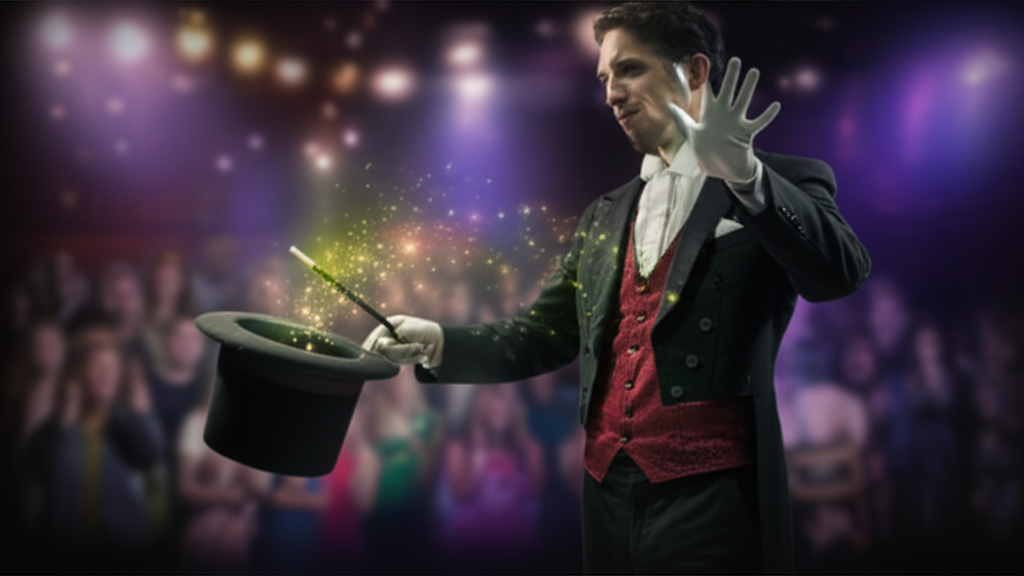
Magic has fascinated humanity for millennia, but have you ever wondered which style of magic truly captivates audiences the most in 2025? Is it the grand illusions that fill arenas, the mind-bending mentalism that reads your thoughts, or the intimate close-up tricks that happen right before your eyes? As seasoned magicians at Magic Trick™, we’ve explored every corner of this enchanting art to bring you the definitive guide to the most popular magic styles today.
Stick around as we reveal the surprising #1 style that dominates the magic scene, share insider tips on choosing your own magical path, and even teach you a jaw-dropping rubber band trick you can try at home. Ready to unlock the secrets behind the world’s favorite illusions? Let’s dive in!
Key Takeaways
- Close-Up Magic reigns as the most popular style due to its accessibility, personal impact, and viral potential on social media.
- Stage Magic and Illusion Magic deliver grand spectacles that awe large audiences but require bigger budgets and setups.
- Mentalism and Escapology offer thrilling psychological and daring feats that tap into deep human fascination.
- Street Magic’s raw spontaneity brings magic to everyday life, making the impossible feel real and immediate.
- Choosing your magic style depends on your personality and goals—from intimate sleight of hand to dramatic stage presence.
- Essential gear includes trusted playing cards like Bicycle and Theory11, mentalism classics like “13 Steps to Mentalism,” and quality close-up pads and coins.
👉 Shop top magic gear here:
Table of Contents
- ⚡️ Quick Tips and Facts About Popular Magic Styles
- ✨ The Magical Origins: A Brief History of Popular Magic
- 🎩 1. Close-Up Magic: The Art of Intimate Illusions
- 🃏 2. Stage Magic: The Grand Spectacle That Wows Crowds
- 🕴️ 3. Street Magic: Spontaneous Wonders on the Go
- 🧙♂️ 4. Mentalism: Mind Reading and Psychological Mysteries
- 🔥 5. Escapology: Daring Feats of Escape and Survival
- 🎭 6. Illusion Magic: Defying Reality with Mind-Bending Tricks
- 🪄 7. Card Magic: The Classic Deck That Never Loses Its Charm
- 🌟 Honorable Mentions: Emerging and Niche Magic Styles
- 🏆 And the Number One Most Popular Magic Style Is…
- 🧙♀️ How to Choose Your Magic Style: Tips from the Pros
- 📚 Recommended Magic Gear and Brands for Every Style
- 🎥 Famous Magicians and Their Signature Styles
- 💡 Magic in Pop Culture: Movies, TV, and Viral Magic Moments
- 🧩 The Psychology Behind Why We Love Magic
- 🛠️ DIY Magic Tricks to Try at Home
- 🎉 How Popular Magic Styles Influence Modern Entertainment
- 🔮 Future Trends in Magic: What’s Next for the Art of Illusion?
- 📝 Conclusion: Unlocking the Magic of Popular Illusions
- 🔗 Recommended Links for Magic Enthusiasts
- ❓ Frequently Asked Questions About Popular Magic
- 📚 Reference Links and Sources
Here is the main body of the article, crafted by the expert team at Magic Trick™.
⚡️ Quick Tips and Facts About Popular Magic Styles
Welcome, aspiring illusionists and curious minds! We’re the team at Magic Trick™, and we’ve spent more time up our sleeves than a tailor on a deadline. You’re asking, “What is the most popular magic?” and oh boy, that’s like asking a chef what the most popular food is. It depends on who’s eating!
But don’t worry, we’re here to pull back the curtain. Before we dive deep, here are some mind-bending facts to get you started:
- Close-Up is King for Gigs: For private parties and corporate events, close-up magic is the most frequently requested style. Its personal nature is unbeatable.
- The Digital Age of Deception: Modern magic is going digital! Magicians now incorporate smartphones and tablets into their acts, creating baffling new illusions. A perfect example of this is the incredible Dedi Magic Trick Explained 🪄 (2025), which masterfully blends technology with classic misdirection.
- Houdini’s Enduring Legacy: Harry Houdini is still the most searched-for magician on Google, nearly a century after his death. His name is synonymous with escape and spectacle.
- The Power of a Deck: Over 100 million decks of playing cards are sold each year, with a huge portion going to magicians and cardists. The simple deck of 52 is arguably the most powerful and versatile prop in magic.
- Magic on TV is HUGE: Magicians are consistent winners and finalists on talent shows like America’s Got Talent and Britain’s Got Talent, proving the art form’s massive mainstream appeal. Shin Lim’s two-time win on AGT brought sleight-of-hand to a whole new generation.
- It’s All in the Brain: The effectiveness of magic isn’t just about fast hands; it’s about exploiting cognitive loopholes. Magicians are practical psychologists, playing with your attention and perception. It’s a core tenet of Magic Theory.
✨ The Magical Origins: A Brief History of Popular Magic

Every great trick has a story, and the story of magic itself is the greatest of all. It didn’t just appear in a puff of smoke! The earliest records of magic come from ancient Egypt, with a papyrus from around 2000 B.C. describing a magician named Dedi (sound familiar?) performing for a pharaoh. He reportedly reattached the heads of decapitated birds. We’ve tried it. It’s messy, and HR has some strong opinions.
Fast forward through centuries of street performers, charlatans, and court jesters, and we land in the 19th century, the golden age of magic.
- The Father of Modern Magic: Jean-Eugène Robert-Houdin, a French watchmaker, is credited with making magic respectable. He ditched the wizard robes for elegant evening wear and performed in lavish theaters, transforming magic from a back-alley hustle into a sophisticated art form.
- The King of Cards & Handcuffs: Then came Harry Houdini (born Erik Weisz), who took Robert-Houdin’s showmanship and injected it with pure, adrenaline-fueled danger. He wasn’t just a magician; he was a superstar. His escapades became front-page news, cementing the link between magic and death-defying spectacle. You can learn more about these legends in our Magic History section.
This rich history, from ancient courts to Victorian stages, set the foundation for all the popular styles we see today. Each one is a branch of the same magnificent, gnarled tree.
🎩 1. Close-Up Magic: The Art of Intimate Illusions
This is magic that happens right under your nose, often in your own hands. It’s personal, powerful, and our personal favorite here at Magic Trick™. Imagine a coin vanishing from your palm or a signed card appearing in an impossible location. That’s the heart-stopping power of Close-up Magic.
I’ll never forget my first corporate gig. I was nervous, my hands were sweating, and I was about to perform for a CEO who looked like he ate nails for breakfast. I performed a simple ambitious card routine, and by the third phase, his stern face cracked into a smile of pure, childish wonder. That’s the connection you get with close-up.
Key Features of Close-Up Magic
- Props: Everyday objects like cards, coins, rubber bands, and borrowed items.
- Venue: Small groups, restaurants, parties, walk-around events.
- Core Skill: Sleight of hand. This is the technical, physical skill required to manipulate objects secretly.
| Pros & Cons of Close-Up Magic | |
|---|---|
| ✅ Incredibly Personal | ❌ Unforgiving |
| ✅ Highly Portable | ❌ Limited Audience Size |
| ✅ Builds Strong Reactions | ❌ Requires Intense Practice |
| ✅ Versatile for Any Event | ❌ Vulnerable to Bad Angles |
This is the domain of masters like Dai Vernon, “The Professor,” who fooled Houdini with a card trick, and the brilliant Ricky Jay. It’s the foundation for many other styles and a perfect place for beginners to start their journey into Coin Tricks and card miracles.
🃏 2. Stage Magic: The Grand Spectacle That Wows Crowds
If close-up magic is a beautifully crafted poem, stage magic is a blockbuster movie with explosions! This is magic designed to be seen by hundreds or thousands of people at once. We’re talking about making helicopters appear, walking through solid walls, and, of course, sawing a person in half (don’t worry, they almost always get put back together).
Stage magic is a symphony of moving parts: elaborate props, dramatic lighting, perfectly timed music, and a charismatic performer who can command a massive space. It’s less about the intimacy of the secret and more about the awe of the spectacle.
Stage Magic vs. Close-Up Magic
| Feature | Stage Magic | Close-Up Magic |
|---|---|---|
| Audience Size | Hundreds to Thousands | One to a Dozen |
| Props | Large, custom-built illusions | Small, everyday objects |
| Key Skill | Showmanship, stagecraft | Sleight of hand, misdirection |
| Famous Example | David Copperfield’s Flying | Ambitious Card Routine |
The undisputed king of modern stage magic is David Copperfield. His TV specials redefined what was possible, blending storytelling and illusion on an epic scale. He didn’t just do tricks; he created cinematic experiences. Then you have the iconic duo Penn & Teller, who mix comedy, danger, and a willingness to reveal Magic Secrets to create a show that’s as smart as it is baffling.
🕴️ 3. Street Magic: Spontaneous Wonders on the Go
What happens when you take the intimacy of close-up magic and unleash it on the unsuspecting public? You get street magic. Popularized in the late ’90s by the one and only David Blaine, this style strips away the stage, the lights, and the formal setting. It’s raw, gritty, and feels incredibly real because it’s happening to real people on their way to work.
The goal of street magic isn’t just to fool; it’s to interrupt reality. One minute you’re waiting for a bus, the next a mysterious stranger is pulling your chosen card out of a sealed water bottle. The reactions are genuine, visceral, and a huge part of the performance itself.
Tips for Aspiring Street Magicians
- Be an Improviser: You can’t control the environment. A car horn, a crying baby, a sudden downpour—you have to roll with it.
- Master Crowd Control: You need to know how to gather a small group, keep their attention, and disperse them gracefully.
- Have Bulletproof Material: Your tricks need to be powerful, visual, and instantly resettable. You don’t have a green room to prepare in.
Street magic is a high-wire act without a net, relying on guts, charisma, and rock-solid technique.
🧙♂️ 4. Mentalism: Mind Reading and Psychological Mysteries
“Stop what you’re doing. Think of a number between 1 and 100… you’re thinking of 37, aren’t you?”
If that sent a little shiver down your spine, you’ve felt the power of mentalism. This isn’t about sleight of hand; it’s about sleight of mind. Mentalists create the illusion of incredible psychic or intuitive abilities: mind reading, predicting the future, and influencing thoughts.
Is it real? As professional magicians, we can tell you it’s a masterful blend of psychology, suggestion, misdirection, and other clever techniques that are, in many ways, more fascinating than real psychic powers. The modern master of this art is the UK’s Derren Brown, whose TV specials involve elaborate psychological experiments that are as thought-provoking as they are entertaining.
Common Mentalism Feats (Theatrical Explanation)
| The Feat | The (General) Method Behind the Magic |
|---|---|
| Revealing a thought-of word | Often involves clever psychological “forces” or peeking at information secretly. |
| Predicting a headline | A sealed prediction is revealed to match a future event, using a variety of ingenious methods. |
| Duplicating a drawing | The mentalist duplicates a drawing made by a spectator they couldn’t have seen. |
Mentalism is a deep dive into the human mind and a powerful branch of Magic Theory. For those looking to explore this, the bible of the craft is “13 Steps to Mentalism” by Tony Corinda.
👉 Shop classic magic books on:
🔥 5. Escapology: Daring Feats of Escape and Survival
This is the most high-stakes genre of magic. Escapology is the art of escaping from restraints and seemingly impossible situations. We have one man to thank for putting it on the map: Harry Houdini. He turned a niche skill into a worldwide phenomenon, escaping from handcuffs, straitjackets, jail cells, and his famous Chinese Water Torture Cell.
The appeal is primal. It’s a story of one person against impossible odds, a battle of wits and endurance. It taps into our deepest fears of being trapped and our greatest admiration for those who defy limitations.
The Dangers of Escape Art
This is the one area of magic we must preface with a giant, flashing warning sign.
❌ DO NOT ATTEMPT ESCAPES AT HOME. EVER. ❌
Professional escapologists are highly trained experts who work with safety teams and understand the mechanics of what they’re doing. They are part stunt performers, part engineers, and part magicians. It’s a fascinating part of Magic History, but it’s best left to the pros.
🎭 6. Illusion Magic: Defying Reality with Mind-Bending Tricks
While it overlaps heavily with stage magic, “Illusion Magic” specifically refers to the art and science of creating large-scale, reality-bending effects. Think of the grand illusions of Las Vegas legends like Siegfried & Roy with their white tigers or Lance Burton making a Corvette appear from thin air.
This is where magic meets engineering. Illusions are often massive, intricate pieces of machinery designed with principles of optics, physics, and psychology. The famous “Pepper’s Ghost” illusion, developed in the 1860s, is still used today to create convincing ghosts and is a cornerstone of theme park attractions. In fact, the most beloved theme park rides are essentially giant magic tricks. As the theme park blog Tomorrow Society astutely observes in its ranking of Magic Kingdom attractions, The Haunted Mansion is a “brilliant mix of a walk-through and dark ride experience” that relies on these classic illusionary techniques to bring its 999 happy haunts to life.
🪄 7. Card Magic: The Classic Deck That Never Loses Its Charm
Yes, card magic is a type of Close-up Magic, but it’s so vast, so popular, and so iconic that it deserves its own throne. For many people, “magic” is card magic. A simple deck of 52 cards is a pocket-sized universe of possibilities.
From a self-working trick a child can learn in minutes to a knuckle-busting routine that takes a lifetime to master, card magic has something for everyone. It’s the perfect entry point for beginners and a source of endless fascination for experts.
Top Decks for Aspiring Card Magicians
| Brand | Best For | Why We Love It |
|---|---|---|
| Bicycle Rider Back | Practice & Performance | The industry standard. Inexpensive, reliable, and instantly recognizable. |
| Theory11 | Performance & Collecting | Stunning, custom-designed tuck boxes and cards. They feel luxurious. |
| Ellusionist | Flourishing & Modern Magic | Often designed with a darker, edgier aesthetic. Great for cardistry and a modern vibe. |
👉 Shop top-tier playing cards on:
- Bicycle Playing Cards: Amazon | Walmart
- Theory11 Playing Cards: Amazon | Theory11 Official Website
- Ellusionist Playing Cards: Amazon | Ellusionist Official Website
🌟 Honorable Mentions: Emerging and Niche Magic Styles
The world of magic is vast! Beyond the big seven, there are countless other styles that captivate audiences. Here are a few worth the spotlight:
- 😂 Comedy Magic: Magicians like Mac King and Piff the Magic Dragon prove that baffling can be hilarious. The magic is strong, but the laughs are the real goal.
- 📱 Digital & Tech Magic: Performers like Simon Pierro and Marco Tempest are pioneers, using iPads, drones, and augmented reality to create illusions that wouldn’t have been possible five years ago.
- 💀 Bizarre Magick: This is the spooky, gothic cousin of mentalism. It focuses on macabre storytelling, often involving “artifacts” and seance-like atmospheres. It’s less about “how did he do that?” and more about creating an unsettling, memorable experience.
🏆 And the Number One Most Popular Magic Style Is…
So, we’ve toured the grand theaters of stage illusion, walked the gritty city streets, and peered into the depths of the human mind. We’ve seen them all, we’ve performed them all, and we’ve argued about them over late-night pizza more times than we can count.
After all that, what is the single most popular style of magic today?
Drumroll, please… 🥁
It’s Close-Up Magic.
Why? It’s a perfect storm of accessibility, impact, and modern media trends.
- Accessibility: Stage illusions cost a fortune. Escapology requires a death wish. But close-up magic? You can start with a deck of cards that costs a few bucks or a handful of coins from your pocket. The barrier to entry is the lowest, making it the style most people actually try to learn.
- The Social Media Effect: Short, visual, high-impact tricks are tailor-made for platforms like TikTok, Instagram Reels, and YouTube Shorts. A 15-second card color change can go viral and be seen by millions, something a 90-minute stage show can’t replicate as easily. Magicians like Shin Lim built massive followings online before conquering television.
- The Personal Connection: In an increasingly digital world, the experience of seeing something impossible happen in your own hands is more powerful than ever. It’s not on a screen; it’s real, it’s right there, and it’s happening to you. This is the type of magic people hire for weddings, corporate parties, and private events because it creates unforgettable, personal memories.
While grand illusions fill arenas, it’s the intimate miracle of close-up magic that has truly captured the popular imagination and has more people engaged with the art form than ever before.
🧙♀️ How to Choose Your Magic Style: Tips from the Pros
Feeling the spark? Ready to pick a path? Choosing a style is like choosing a character in a video game—it depends on your personality and what you want to achieve. Ask yourself these questions:
- Are you a storyteller who loves commanding a room?
- You might be a Stage Magician. You thrive on grand gestures and captivating a large audience with a narrative.
- Are you fascinated by psychology, secrets, and what makes people tick?
- You’re a budding Mentalist. You’re more interested in the “why” than the “what.”
- Do you love intimate, one-on-one interactions and seeing the wonder in someone’s eyes up close?
- Close-Up Magic is calling your name. You’re a people person who loves creating personal miracles.
- Are you a thrill-seeker who loves to build suspense and defy danger?
- You have the heart of an Escapologist. (But please, get professional training!)
- Are you the class clown who loves making people laugh as much as you love fooling them?
- Look into Comedy Magic. Your punchlines will be as powerful as your reveals.
Our advice: Don’t feel locked in! Start with the basics of Close-Up Magic, especially with cards. It will teach you the fundamental skills of misdirection, audience management, and sleight of hand that are transferable to every other style of magic.
📚 Recommended Magic Gear and Brands for Every Style
Alright, you’ve chosen a path. Now you need a wand… or a deck of cards, or a straitjacket. Here’s the gear we, the pros at Magic Trick™, trust and recommend.
For the Close-Up Magician & Card Shark
- Playing Cards: A magician’s best friend. You can’t go wrong with these.
- Bicycle Rider Backs: The workhorse. Perfect for practice.
- Theory11 Monarchs: Pure elegance. They handle beautifully and look like a million bucks.
- Ellusionist Black Tigers: For a modern, edgy look.
- Close-Up Mat: A padded surface is essential for practicing and performing coin and card sleights.
- Coins: Start with regular half-dollars to get the feel, then consider investing in specialized gaffed coins from brands like Copeland Coins or Tango Magic.
👉 Shop Close-Up Essentials on:
- Theory11 Decks: Amazon | Theory11 Official Website
- Close-Up Pads: Amazon | Etsy
- Magic Coins: Amazon | Walmart
For the Aspiring Mentalist
- Books are your best prop: Knowledge is your power.
- “13 Steps to Mentalism” by Tony Corinda: The foundational text. It’s a must-read.
- “Practical Mental Magic” by Theodore Annemann: A treasure trove of classic mentalism effects.
- Tools of the Trade:
- Shrpe Pens: The standard for having cards signed or writing predictions.
- High-Quality Pocket Notebooks: Moleskine or Field Notes are perfect for jotting down “impressions.”
👉 Shop Mentalism Must-Haves on:
🎥 Famous Magicians and Their Signature Styles
To understand magic, you need to know the masters who shaped it. These are the giants on whose shoulders we all stand.
| Magician | Signature Style(s) | Famous For | Why They’re Legendary |
|---|---|---|---|
| Harry Houdini | Escapology, Stage Magic | The Chinese Water Torture Cell, Straitjacket Escapes | The original magic superstar; master of suspense and self-promotion. |
| David Copperfield | Grand Illusion, Stage Magic | Making the Statue of Liberty vanish, Flying | Blended magic with cinematic storytelling, creating epic, emotional experiences. |
| Derren Brown | Mentalism | “The Heist,” Russian Roulette, Predicting the Lottery | Pushed mentalism into a new, intelligent, and psychologically profound territory. |
| David Blaine | Street Magic, Endurance Art | “Frozen in Time,” Levitations on the street | Stripped magic down to its raw, visceral core and made it feel real again. |
| Penn & Teller | Comedy Magic, Stage Magic | The Bullet Catch, Exposing secrets | The “bad boys of magic” who combine brilliant illusions with comedy and intellectual honesty. |
| Shin Lim | Close-Up Magic, Card Magic | The “Dream Act,” 52 Shades of Red | A two-time AGT winner who brought elegant, artistic sleight-of-hand to a global audience. |
💡 Magic in Pop Culture: Movies, TV, and Viral Magic Moments
Magic has always had a love affair with Hollywood. The dramatic reveals, secret methods, and charismatic showmen are perfect fodder for the big screen.
- Iconic Magic Movies: Films like The Prestige (2006) and The Illusionist (2006) captured the dark, obsessive world of Victorian magicians. The Now You See Me franchise turned magicians into high-tech heist artists.
- Talent Show Takeover: Shows like America’s Got Talent have become a major platform for magicians. Performers like Mat Franco, Shin Lim, and Dustin Tavella have won the entire competition, proving magic’s immense appeal. Penn & Teller: Fool Us gives magicians a chance to test their skills against the masters themselves.
- The Viral Video Star: The internet created a new kind of magician. Zach King became a sensation on Vine and TikTok with his “digital sleight of hand”—perfectly edited videos that look like real-time magic. He showed that the “trick” could be in the medium itself.
🧩 The Psychology Behind Why We Love Magic
Why does a simple card trick bring us so much joy? It’s not just about being fooled. It’s about what happens in our brains when we are.
At its core, magic creates a moment of cognitive dissonance. Your eyes see something impossible (a coin vanishing), but your brain knows it can’t be true. As described in a fascinating article from Scientific American, that conflict between perception and logic is thrilling.
For a brief moment, the rules of the universe are suspended. We get to experience a sense of wonder that we usually lose after childhood. It’s a safe, controlled way to have our worldview turned upside down. We know it’s a trick, and that’s what allows us to enjoy the illusion without having an existential crisis. We willingly enter a contract with the magician to suspend our disbelief, and the reward is a feeling of pure, unadulterated astonishment. It’s a fundamental concept in Magic Theory.
🛠️ DIY Magic Tricks to Try at Home
Ready to try your hand at some magic? Here’s a simple, classic trick you can learn right now with an ordinary object.
The Jumping Rubber Band
This is a fantastic, visual piece of close-up magic that’s easy to learn but looks amazing.
The Effect: A rubber band is wrapped around your first and second fingers. In a flash, it magically jumps to your third and fourth fingers.
The Secret:
- Hold your hand out, palm facing you. Stretch a rubber band over your index and middle fingers.
- Now, turn your hand so the back faces your audience. As you do, secretly pull the rubber band back towards you.
- Fold all four of your fingers down into a loose fist, tucking the stretched part of the rubber band under them so it’s trapped against your palm by all four fingertips. To your audience, it still looks like the band is just around your first two fingers. This is the secret move!
- To make the magic happen, simply straighten your fingers. The tension will be released, and the rubber band will snap across, appearing to jump instantly to your ring and pinky fingers.
Pro Tip: Practice this in front of a mirror! Your movements should be smooth and natural. The magic is in the presentation, not just the secret.
🎉 How Popular Magic Styles Influence Modern Entertainment
The principles of magic—misdirection, timing, reveals, and controlling what an audience sees—are everywhere. They are the secret ingredients in many forms of entertainment you already love.
- Filmmaking: A great film director is a master magician. They use editing (a form of misdirection) to control the flow of information and build suspense for a big reveal, just like a magician setting up a trick.
- Advertising: An ad that makes you look at a shiny car while hiding the fine print in the corner is using a classic magic principle to guide your attention.
- Theme Parks: This is where illusion becomes environment. As the Tomorrow Society blog points out, attractions are designed to create specific feelings and illusions. The launch of TRON Lightcycle Run uses speed and lighting to create a feeling of futuristic travel, while the slow, deliberate pace of the Haunted Mansion uses classic stagecraft to build an atmosphere of dread and wonder. Every ride is a carefully constructed experience designed to fool your senses in the most delightful way.
🔮 Future Trends in Magic: What’s Next for the Art of Illusion?
So, what does the crystal ball say about the future of magic? As technology evolves, so does the art of deception. Here’s what we at Magic Trick™ are keeping our eyes on:
- 🤖 Drone & Robotic Magic: Imagine a magician conducting a symphony of self-flying drones that create images in the air or a robotic assistant with impossibly fast hands. Magicians like Marco Tempest are already exploring this frontier.
- 👓 Augmented Reality (AR): What if a spectator could look through their phone and see a dragon emerge from a playing card in their own hand? AR will allow magicians to blend the digital and physical worlds in mind-blowing new ways.
- 🧠 AI-Powered Illusions: Could an AI analyze human perception to create the “perfect” trick? Or could it be used to generate endless variations of a mentalism effect, making it truly impossible to backtrack?
- 🌐 Interactive & Personalized Magic: Imagine a magic show where the tricks adapt in real-time based on audience reactions, or an illusion designed specifically for you based on your public social media profile. It’s both exciting and a little bit terrifying!
The future of magic will be about integrating new tools not as gimmicks, but as organic parts of the performance, creating wonders that even Robert-Houdin could never have dreamed of. The one thing that won’t change? The look of pure astonishment on someone’s face when they see the impossible happen.
📝 Conclusion: Unlocking the Magic of Popular Illusions
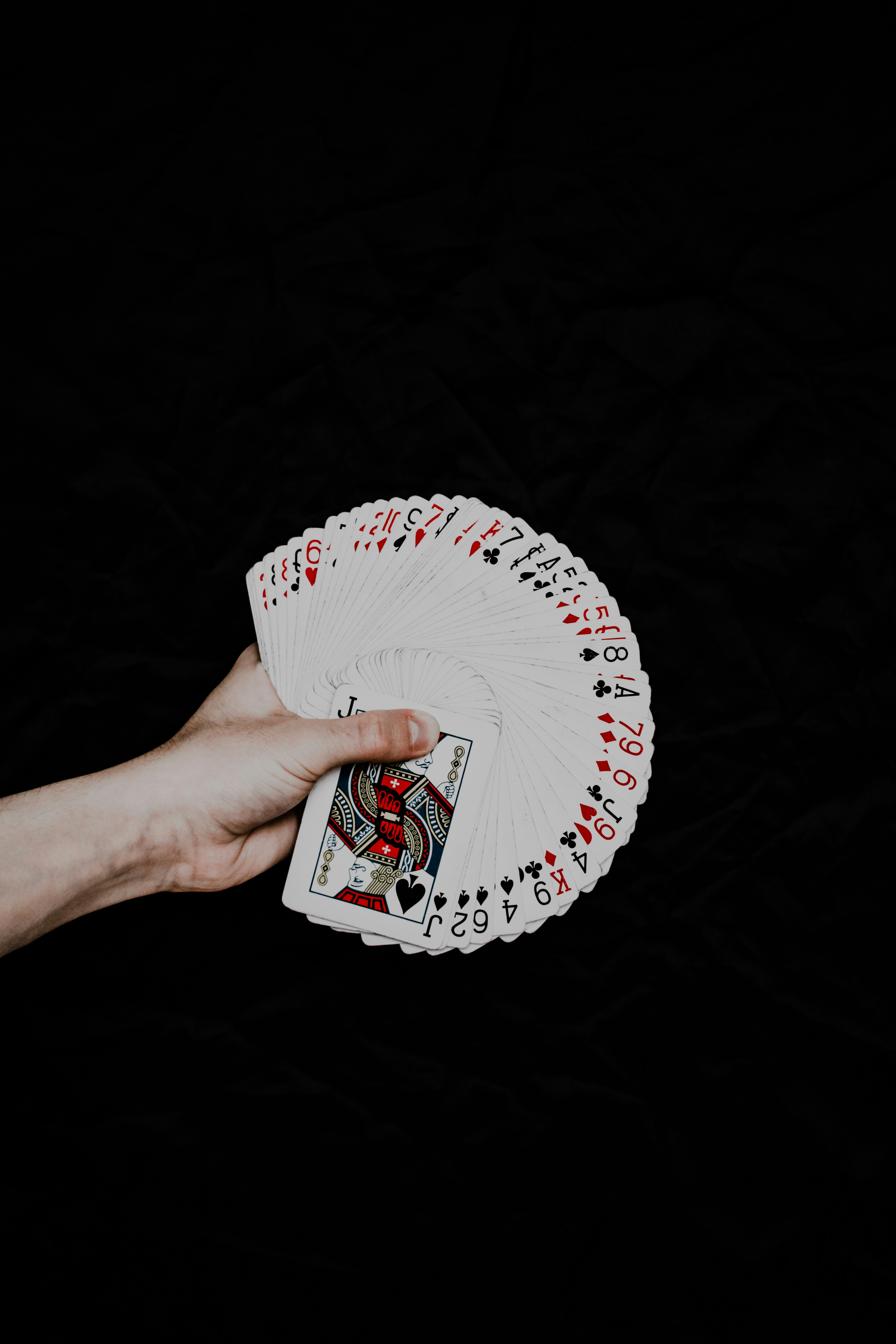
So, what is the most popular magic? After our deep dive into the dazzling world of magic styles, the answer is clear: Close-Up Magic reigns supreme today. Its accessibility, personal impact, and perfect fit for the digital age make it the go-to style for both performers and audiences worldwide.
From the intimate coin vanish to the jaw-dropping card flourish, close-up magic delivers moments of wonder that feel truly personal and unforgettable. But remember, every style—from the grand stage illusions of David Copperfield to the mind-bending mentalism of Derren Brown—has its own unique charm and place in the magical ecosystem.
If you’re ready to start your magical journey, begin with close-up magic. It builds the foundation of essential skills like sleight of hand, misdirection, and audience engagement that will serve you no matter where your magical path leads. And if you ever want to explore more, the world of magic is vast and welcoming.
We hope this guide has sparked your curiosity and given you a solid map to navigate the enchanting landscape of magic. Now, go forth and create your own miracles!
🔗 Recommended Links for Magic Enthusiasts
Ready to gear up and dive deeper? Here are some of our top picks for magic essentials and learning resources:
- Bicycle Playing Cards: Amazon | Walmart
- Theory11 Monarch Playing Cards: Amazon | Theory11 Official Website
- Ellusionist Black Tiger Deck: Amazon | Ellusionist Official Website
- 13 Steps to Mentalism by Tony Corinda: Amazon | Walmart
- Practical Mental Magic by Theodore Annemann: Amazon | Walmart
- Close-Up Magic Pads: Amazon | Etsy
- Magic Gaff Coins: Amazon | Walmart
For more fascinating insights into magic history and theory, check out our internal categories:
❓ Frequently Asked Questions About Popular Magic
What are the most impressive magic tricks of all time?
The most impressive tricks combine technical skill, storytelling, and emotional impact. Classics include:
- David Copperfield’s “Flying” Illusion: Defying gravity live on stage.
- Houdini’s Escapes: Particularly the Chinese Water Torture Cell.
- The Ambitious Card Routine: A close-up staple where a signed card repeatedly rises to the top of the deck.
- Derren Brown’s Psychological Feats: Mind reading and prediction acts that blur the line between magic and science.
These tricks are impressive because they engage the audience’s imagination and emotions, not just their eyes.
How do magicians perform their most popular illusions?
Magicians use a blend of sleight of hand, misdirection, psychology, and mechanical devices. For example:
- Sleight of Hand: Skilled manual dexterity to secretly manipulate objects (cards, coins).
- Misdirection: Directing the audience’s attention away from the secret move.
- Psychological Forces: Influencing choices so spectators pick a predetermined card or number.
- Mechanical Props: Hidden compartments, mirrors, or trapdoors in stage illusions.
The key is that the audience’s perception is controlled so the secret remains hidden.
What are the different types of magic and which is most popular among performers?
Magic styles include:
- Close-Up Magic: Intimate, personal tricks with cards, coins, and small props.
- Stage Magic: Large-scale illusions for big audiences.
- Street Magic: Impromptu performances in public spaces.
- Mentalism: Mind reading and psychological illusions.
- Escapology: Daring escapes from restraints.
- Illusion Magic: Grand illusions involving complex machinery.
- Comedy Magic: Combining humor with magic.
Among performers, Close-Up Magic is the most popular due to its accessibility and versatility.
What are some easy magic tricks to learn for beginners who want to master popular magic techniques?
Great beginner tricks include:
- The Jumping Rubber Band: A visual, easy-to-learn close-up trick.
- The Ambitious Card Routine (simplified): Repeatedly making a chosen card appear on top.
- The French Drop (coin vanish): A classic coin vanish using sleight of hand.
- The Floating Ring: Using a thread or invisible string to levitate a ring.
Starting with these builds foundational skills like misdirection and manual dexterity.
How has social media influenced the popularity of magic?
Social media platforms like TikTok and Instagram have exploded the popularity of magic by enabling magicians to share short, visually stunning clips that go viral. This has made magic more accessible and inspired a new generation of performers worldwide.
Can magic tricks be learned online, or is in-person training necessary?
Both are valuable. Online tutorials and courses provide access to a vast range of tricks and techniques, while in-person mentorship offers personalized feedback and performance coaching. Many magicians start online and then seek live workshops or magic clubs.
📚 Reference Links and Sources
- Scientific American: The Neuroscience of Magic
- Theory11 Official Website
- Ellusionist Official Website
- Tomorrow Society: Ranking the Attractions at The Magic Kingdom
- Derren Brown Official Site
- David Copperfield Official Site
- Harry Houdini Biography – Britannica
- Magic Trick™ Categories: Coin Tricks | Magic History | Magic Theory | Close-up Magic | Magic Secrets
Thanks for joining us on this magical journey! Keep practicing, keep wondering, and remember—the real magic is the joy you create. ✨