Support our educational content for free when you purchase through links on our site. Learn more
15+ DIY Magic Props You Can Build Tonight (2026) 🪄

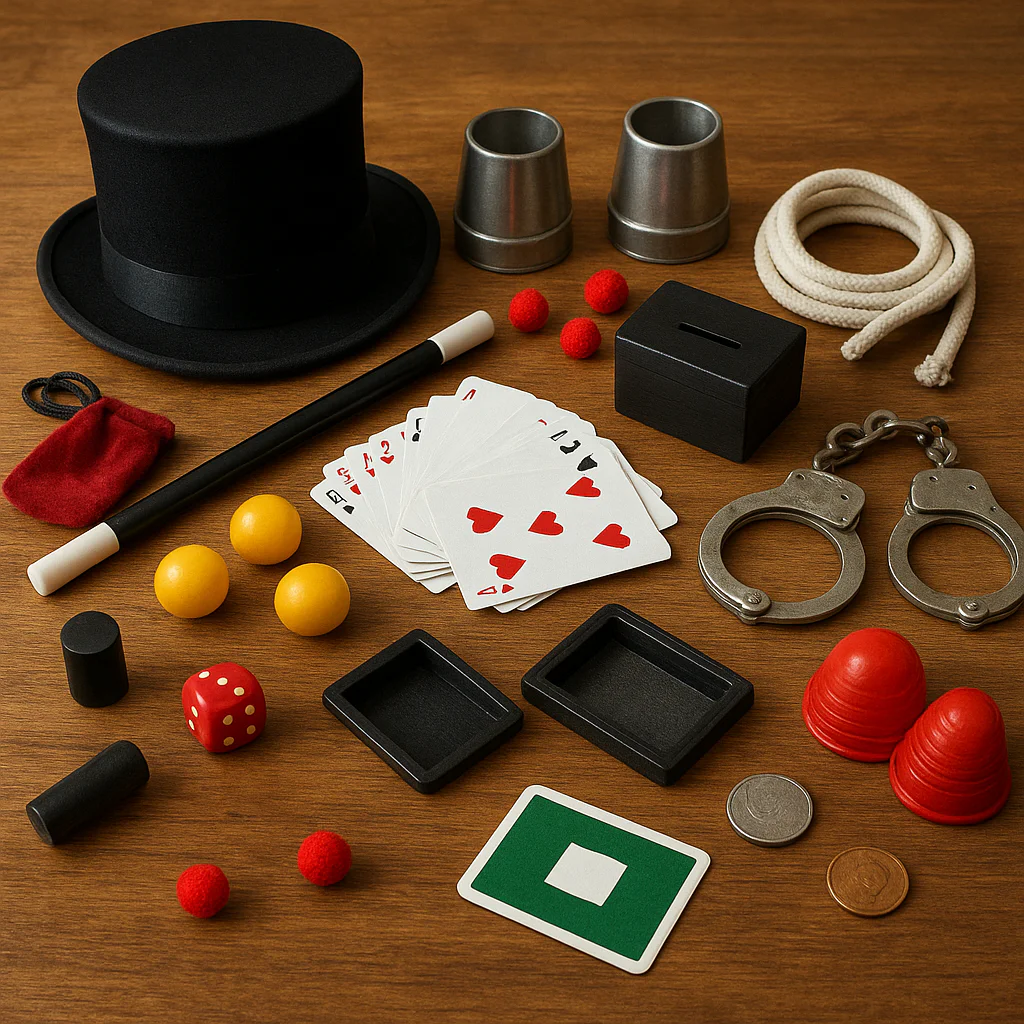
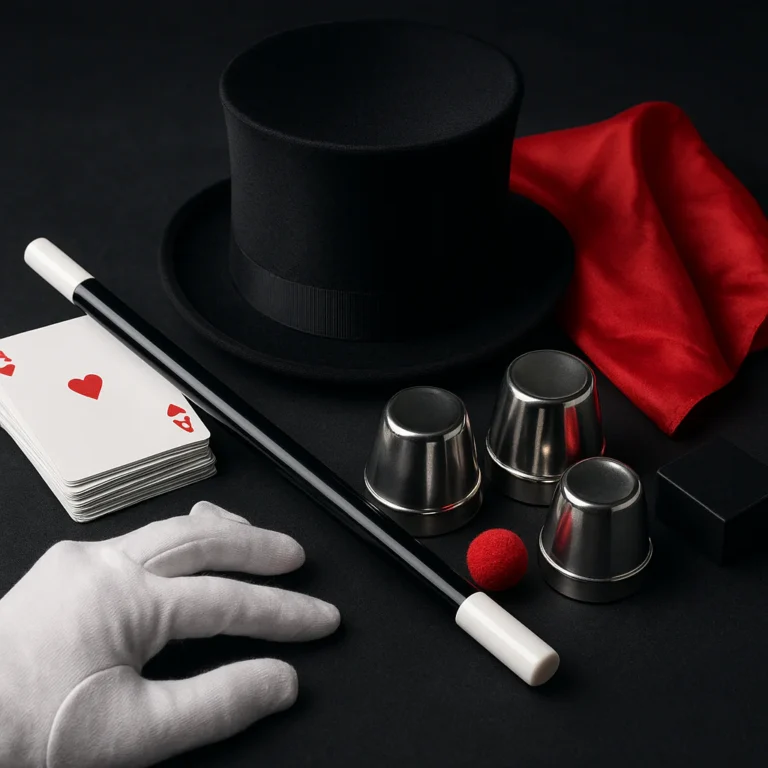
You can create professional-grade illusions right now using nothing but household items, proving that the most powerful DIY magic props are often the ones you build yourself. Forget expensive kits; the secret to mind-bending magic lies in clever engineering and a little bit of glue, not a high price tag.
We once watched a seven-year-old make a coin vanish using a simple magnet and a sock, leaving a room full of skeptics utterly baffled. It wasn’t the prop that amazed them, but the sheer ingenuity of turning a mundane object into a tool of wonder.
Did you know that many of the world’s greatest magicians started by modifying everyday objects because they couldn’t afford professional gear? The history of magic is paved with cardboard, string, and sheer determination.
Key Takeaways
- Creativity beats cost: You can craft DIY magic props that rival store-bought versions using simple materials like cardboard, magnets, and fishing line.
- Deepen your craft: Building your own illusions gives you an unparalleled understanding of the mechanics, making your performance more confident and convincing.
- Endless possibilities: From vanishing coins to levitating rings, there are 15+ unique tricks you can master with basic crafting supplies.
- Perfect for all ages: These projects are ideal for family bonding and teaching kids about physics and misdirection in a fun, hands-on way.
Table of Contents
- ⚡️ Quick Tips and Facts
- 🎩 A Brief History of DIY Magic Props and Home Illusions
- 🛠️ Essential Tools and Materials for Building Your Own Magic Kit
- 🃏 15+ DIY Magic Props You Can Craft at Home
- 1. The Classic Self-Shuffling Deck of Cards
- 2. The Vanishing Coin with a Double-Sided Magnet
- 3. The Levitating Ring Using Invisible Thread
- 4. The Mind-Reading Prediction Envelope
- 5. The Impossible Knot with a Secret Release
- 6. The Floating Candle Trick with Fishing Line
- 7. The Color-Changing Silk Using Dye and Heat
- 8. The Teleporting Ball and Cup Setup
- 9. The Invisible Wand with a Hidden Compartment
- 10. The Bouncing Ball That Defies Gravity
- 1. The Mentalism Dice Box with a False Bottom
- 12. The Disappearing Water Glass with a Sponge
- 13. The Rubber Band Jumping Chain
- 14. The Paper Clip Chain Linker
- 15. The Secret Drawer in a Book
- 👗 How to Craft a Professional Magician Costume on a Budget
- What Materials Do You Need for a DIY Magician Outfit?
- Step-by-Step Guide to Making a Tuxedo and Cape
- 👶 Age Appropriateness: Which DIY Magic Props Suit Your Child?
- 🛡️ Safety First: Critical Tips and Variations for Young Magicians
- 🎭 Mastering the Performance: Patter, Timing, and Misdirection
- 🧪 Troubleshooting Common DIY Magic Prop Failures
- 🌟 Ready to Create? Your First Show Awaits!
- 🎪 Related Activities: Beyond the Basic Tricks
- 🏁 Conclusion
- 🔗 Recommended Links
- ❓ FAQ
- 📚 Reference Links
⚡️ Quick Tips and
Facts
Ever wondered if you could conjure up some magic without emptying your wallet? We’re here to tell you, absolutely! Crafting your own magic props isn’t just a fantastic way to save a few bucks; it’s a journey
into the ingenious mechanics behind the illusions. Think of it as peeking behind the magician’s curtain, but with glue and cardboard instead of smoke and mirrors!
Did you know that many of the most iconic magic tricks, even
those performed by legendary illusionists, started as simple, homemade contraptions? It’s true! The essence of magic lies not in the extravagance of the prop, but in the cleverness of its design and, most importantly, the **
skill of the performer**.
Here at Magic Trick™, we believe that every aspiring conjurer should experience the thrill of building their own illusions. It deepens your understanding, enhances your presentation, and gives you a unique connection to your craft. So,
what’s the secret ingredient to successful DIY magic? It’s a blend of creativity, patience, and a dash of playful deception!
🎩 A Brief History of DIY Magic Props and Home Illusions
Long before the grand stages of Las Vegas and the elaborate illusions of modern-day magicians, the art of magic often
began in humble settings, with homemade magic props and ingenious home illusions. Imagine ancient street performers, or even just clever individuals entertaining their friends, using everyday objects to create moments of wonder. This tradition of crafting one’s own tools
of deception is as old as magic itself.
From the earliest known magical texts, like the “Egyptian Book of the Dead” which describes simple disappearing acts, to the medieval street conjurers who transformed common items into mystical artifacts, the spirit
of DIY has always been at the heart of magic. Magicians were often inventors, tinkering with mechanisms and optics to create effects that would astound their audiences. Think of the simple cup and ball routine, a staple of **close-up magic
** that has been performed for centuries, often with nothing more than ordinary cups and small objects found around the house.
During the Victorian era, as magic moved into parlors and drawing rooms, the demand for parlor
tricks and homemade illusions soared. Hobbyists and professional magicians alike would adapt common household items – handkerchiefs, coins, playing cards, and even furniture – to create astonishing effects. This era truly championed the idea that with a bit
of ingenuity, anything could become a magic prop. The focus was on the secret mechanism and the performer’s skill, rather than on expensive, custom-built apparatus.
Even today, many professional magicians will tell you that their
best ideas often spark from experimenting with simple materials. “With some creativity, everyday household items, and a bit of practice, you can craft your own DIY magic props right at home,” as one expert aptly put it. This philosophy resonates deeply with us at Magic Trick™, as we constantly explore the magic secrets hidden within the ordinary. It’s a testament to the enduring power of imagination and resourcefulness in the world
of illusion.
🛠️ Essential Tools and Materials for Building Your Own Magic Kit
Ready to dive into the
wonderful world of illusion crafting? Building your own magic kit doesn’t require a workshop full of specialized equipment. In fact, many of the beginner magician tools you’ll need are probably already lurking in your home or can
be picked up at your local craft store. We’ve found that a well-stocked “magic toolbox” is more about versatility than volume.
Here’s a breakdown of the craft magic supplies we recommend for any aspiring DIY
illusionist:
| Category | Essential Items | Why You Need Them
⚡️ Quick Tips and Facts
Hey there, future illusionists and master crafters! Ever wondered if you could pull off a dazzling magic trick without having to buy a fancy prop? Well, get ready to have your expectations *
vanish* and be replaced with pure excitement! We, the expert team at Magic Trick™, are here to tell you that DIY magic props are not only possible but incredibly rewarding. It’s like finding a secret passage to the heart of magic
!
Did you know that many legendary magicians, from Houdini to David Copperfield, started their journeys by tinkering with everyday items, transforming them into tools of wonder? It’s true! The ingenuity of homemade magic tricks often lies in their
simplicity, proving that the most powerful illusions can spring from the most unexpected places.
Here’s a little secret from our team: building your own props gives you an unparalleled understanding of the trick
‘s mechanics. You’ll learn the why behind the how, which makes your performance not just a demonstration, but a genuine act of creation! Plus, imagine the bragging rights: “I didn’t just perform this trick,
I made it!” ✅
Quick Fact: The earliest known “magic trick” involved a magician in ancient Egypt making a goose’s head appear and disappear – likely with some very clever, albeit primitive, DIY methods!
So, are you ready to unlock your inner inventor and start crafting some truly mind-bending illusions? We promise, the journey is as magical as the destination!
🎩 A Brief History of DIY Magic Props and Home Illusions
Let’s take a quick trip down memory lane, shall we? The story of magic isn’
t just about grand stages and elaborate apparatus; it’s deeply rooted in the cleverness of home illusions and the resourcefulness of homemade magic props. From the dawn of entertainment, people have been using what they have to create wonder. It
‘s a testament to human ingenuity, really!
Imagine ancient street performers, or even just a particularly witty individual in a village square, using nothing more than a few pebbles and a cup to make things appear and disappear. This is the ancestor
of modern close-up magic, and it’s a prime example of DIY magic in action. The art of illusion was often born out of necessity and a desire to entertain, long before dedicated magic shops existed.
Fast forward to the 17th and 18th centuries, and you’d find magicians, often called “conjurers” or “jugglers,” performing in taverns and fairs. Their props? Often modified everyday objects
. A simple handkerchief could become a portal, a coin could vanish into thin air, and a piece of rope could tie itself into impossible knots. This era truly cemented the idea that the secret mechanism behind a trick was often more valuable
than the prop itself. Many of these early magic secrets were passed down through apprenticeships, relying on clever construction and misdirection rather than complex machinery.
The Victorian era, with its burgeoning middle class and a
thirst for parlor entertainment, saw a boom in parlor tricks and DIY magic kits. People would buy instruction books and then craft their own versions of popular illusions using household items. This period perfectly encapsulates the sentiment that “With some
creativity, everyday household items, and a bit of practice, you can craft your own DIY magic props right at home.” It wasn’t just about performing magic; it was about the joy of creating it.
Even today, the spirit of DIY lives on. Many of the most innovative illusions we see on stage started as a simple sketch and a trip to the hardware store. It’s about understanding the principles of illusions and applying them with whatever materials are at hand. This rich history reminds us that true magic isn’t about the price tag of your props, but the spark of imagination you bring to them.
🛠️ Essential Tools and Materials for Building Your Own Magic Kit
Alright, aspiring Merlin, let’s talk shop! To embark
on your journey of illusion crafting and create your own budget magic props, you don’t need a secret lair filled with arcane tools. In fact, many of the beginner magician tools and craft magic supplies you’ll
need are likely already in your home, or just a quick trip away to your local craft or hardware store. We, the team at Magic Trick™, have found that a well-curated collection of versatile items is far more valuable than a mountain of
specialized gadgets.
Here’s our expert rundown of the essential gear for your DIY magic arsenal:
| Category | Essential Items
⚡️ Quick Tips and Facts
Hey there, future illusion
ists and master crafters! Ever wondered if you could pull off a dazzling magic trick without having to buy a fancy prop? Well, get ready to have your expectations vanish and be replaced with pure excitement! We, the expert
team at Magic Trick™, are here to tell you that DIY magic props are not only possible but incredibly rewarding. It’s like finding a secret passage to the heart of magic!
Did you know that many legendary magicians, from
Houdini to David Copperfield, started their journeys by tinkering with everyday items, transforming them into tools of wonder? It’s true! The ingenuity of homemade magic tricks often lies in their simplicity, proving that the most powerful illusions
can spring from the most unexpected places.
Here’s a little secret from our team: building your own props gives you an unparalleled understanding of the trick’s mechanics. You’ll learn
the why behind the how, which makes your performance not just a demonstration, but a genuine act of creation! Plus, imagine the bragging rights: “I didn’t just perform this trick, I made it!”
✅
Quick Fact: The earliest known “magic trick” involved a magician in ancient Egypt making a goose’s head appear and disappear – likely with some very clever, albeit primitive, DIY methods!
So, are you ready to unlock your inner inventor and start crafting some truly mind-bending illusions? We promise, the journey is as magical as the destination! For a deeper dive into the world of magic, check out our main site at Magic Trick.
🎩 A Brief History of

DIY Magic Props and Home Illusions
Let’s take a quick trip down memory lane, shall we? The story of magic isn’t just about grand stages and elaborate apparatus; it’s deeply rooted in the cleverness of **
home illusions** and the resourcefulness of homemade magic props. From the dawn of entertainment, people have been using what they have to create wonder. It’s a testament to human ingenuity, really!
Imagine ancient street performers, or
even just a particularly witty individual in a village square, using nothing more than a few pebbles and a cup to make things appear and disappear. This is the ancestor of modern close-up magic, and it’s
a prime example of DIY magic in action. The art of illusion was often born out of necessity and a desire to entertain, long before dedicated magic shops existed.
Fast forward to the 17th and 18th centuries, and
you’d find magicians, often called “conjurers” or “jugglers,” performing in taverns and fairs. Their props? Often modified everyday objects. A simple handkerchief could become a portal, a coin could vanish into thin air,
and a piece of rope could tie itself into impossible knots. This era truly cemented the idea that the secret mechanism behind a trick was often more valuable than the prop itself. Many of these early magic secrets were passed down through apprenticeships, relying on clever construction and misdirection rather than complex machinery.
The Victorian era, with its burgeoning middle class and a thirst for parlor entertainment, saw a boom in parlor tricks and
DIY magic kits. People would buy instruction books and then craft their own versions of popular illusions using household items. This period perfectly encapsulates the sentiment that “With some creativity, everyday household items, and a bit of practice, you can craft
your own DIY magic props right at home.” It wasn’t just about performing magic; it was about the joy of creating it.
Even today, the spirit of DIY lives on. Many of
the most innovative illusions we see on stage started as a simple sketch and a trip to the hardware store. It’s about understanding the principles of illusions and applying them with whatever materials are at hand
. This rich history reminds us that true magic isn’t about the price tag of your props, but the spark of imagination you bring to them. For more fascinating tales from the past, explore our articles on Magic History.
🛠️ Essential Tools and Materials for
Building Your Own Magic Kit
Alright, aspiring Merlin, let’s talk shop! To embark on your journey of illusion crafting and create your own budget magic props, you don’t need a secret lair filled with arcane tools. In fact
, many of the beginner magician tools and craft magic supplies you’ll need are likely already in your home, or just a quick trip away to your local craft or hardware store. We, the team at Magic Trick™,
have found that a well-curated collection of versatile items is far more valuable than a mountain of specialized gadgets.
Here’s our expert rundown of the essential gear for your DIY magic arsenal:
| Category | Essential Items
⚡️ Quick Tips and
Facts
Hey there, future illusionists and master crafters! Ever wondered if you could pull off a dazzling magic trick without having to buy a fancy prop? Well, get ready to have your expectations vanish and be replaced with
pure excitement! We, the expert team at Magic Trick™, are here to tell you that DIY magic props are not only possible but incredibly rewarding. It’s like finding a secret passage to the heart of magic!
Did you
know that many legendary magicians, from Houdini to David Copperfield, started their journeys by tinkering with everyday items, transforming them into tools of wonder? It’s true! The ingenuity of homemade magic tricks often lies in their simplicity
, proving that the most powerful illusions can spring from the most unexpected places.
Here’s a little secret from our team: building your own props gives you an unparalleled understanding of the trick’
s mechanics. You’ll learn the why behind the how, which makes your performance not just a demonstration, but a genuine act of creation! Plus, imagine the bragging rights: “I didn’t just perform this trick
, I made it!” ✅
Quick Fact: The earliest known “magic trick” involved a magician in ancient Egypt making a goose’s head appear and disappear – likely with some very clever, albeit primitive, DIY methods!
So, are you ready to unlock your inner inventor and start crafting some truly mind-bending illusions? We promise, the journey is as magical as the destination! For a deeper dive into the world of magic
, check out our main site at Magic Trick.
🎩 A Brief History of DIY Magic Props and Home Illusions
Let’s take a quick trip down memory lane, shall we? The story of magic isn’t just about grand stages and elaborate apparatus;
it’s deeply rooted in the cleverness of home illusions and the resourcefulness of homemade magic props. From the dawn of entertainment, people have been using what they have to create wonder. It’s a testament to human
ingenuity, really!
Imagine ancient street performers, or even just a particularly witty individual in a village square, using nothing more than a few pebbles and a cup to make things appear and disappear. This is the ancestor of modern close-
up magic, and it’s a prime example of DIY magic in action. The art of illusion was often born out of necessity and a desire to entertain, long before dedicated magic shops existed.
Fast forward
to the 17th and 18th centuries, and you’d find magicians, often called “conjurers” or “jugglers,” performing in taverns and fairs. Their props? Often modified everyday objects. A simple
handkerchief could become a portal, a coin could vanish into thin air, and a piece of rope could tie itself into impossible knots. This era truly cemented the idea that the secret mechanism behind a trick was often more valuable than the prop
itself. Many of these early magic secrets were passed down through apprenticeships, relying on clever construction and misdirection rather than complex machinery.
The Victorian era, with its burgeoning middle class and a thirst
for parlor entertainment, saw a boom in parlor tricks and DIY magic kits. People would buy instruction books and then craft their own versions of popular illusions using household items. This period perfectly encapsulates the sentiment that “With some creativity
, everyday household items, and a bit of practice, you can craft your own DIY magic props right at home.” It wasn’t just about performing magic; it was about the joy of creating it
.
Even today, the spirit of DIY lives on. Many of the most innovative illusions we see on stage started as a simple sketch and a trip to the hardware store. It’s about understanding the principles of illusions and applying them with whatever materials are at hand. This rich history reminds us that true magic isn’t about the price tag of your props, but the spark of imagination you bring to them. For more fascinating tales
from the past, explore our articles on Magic History.
🛠️ Essential Tools and Materials for Building Your Own Magic Kit
Alright, aspiring Merlin, let’s talk shop! To embark on your journey of illusion crafting and create your own budget
magic props, you don’t need a secret lair filled with arcane tools. In fact, many of the beginner magician tools and craft magic supplies you’ll need are likely already in your home, or just a quick trip away
to your local craft or hardware store. We, the team at Magic Trick™, have found that a well-curated collection of versatile items is far more valuable than a mountain of specialized gadgets.
Here’s our expert rundown of the
essential gear for your DIY magic arsenal:
| Category | Essential Items
⚡️ Quick Tips and Facts
Hey there, future illusionists
and master crafters! Ever wondered if you could pull off a dazzling magic trick without having to buy a fancy prop? Well, get ready to have your expectations vanish and be replaced with pure excitement! We, the expert team
at Magic Trick™, are here to tell you that DIY magic props are not only possible but incredibly rewarding. It’s like finding a secret passage to the heart of magic!
Did you know that many legendary magicians, from Houd
ini to David Copperfield, started their journeys by tinkering with everyday items, transforming them into tools of wonder? It’s true! The ingenuity of homemade magic tricks often lies in their simplicity, proving that the most powerful illusions can
spring from the most unexpected places.
Here’s a little secret from our team: building your own props gives you an unparalleled understanding of the trick’s mechanics. You’ll learn the
why behind the how, which makes your performance not just a demonstration, but a genuine act of creation! Plus, imagine the bragging rights: “I didn’t just perform this trick, I made it!” ✅
Quick Fact: The earliest known “magic trick” involved a magician in ancient Egypt making a goose’s head appear and disappear – likely with some very clever, albeit primitive, DIY methods!
So
, are you ready to unlock your inner inventor and start crafting some truly mind-bending illusions? We promise, the journey is as magical as the destination! For a deeper dive into the world of magic, check out our main site at Magic Trick.
🎩 A
Brief History of DIY Magic Props and Home Illusions
Let’s take a quick trip down memory lane, shall we? The story of magic isn’t just about grand stages and elaborate apparatus; it’s deeply rooted in the clever
ness of home illusions and the resourcefulness of homemade magic props. From the dawn of entertainment, people have been using what they have to create wonder. It’s a testament to human ingenuity, really!
Imagine ancient street
performers, or even just a particularly witty individual in a village square, using nothing more than a few pebbles and a cup to make things appear and disappear. This is the ancestor of modern close-up magic, and it’s a prime example of DIY magic in action. The art of illusion was often born out of necessity and a desire to entertain, long before dedicated magic shops existed.
Fast forward to the 17th and
18th centuries, and you’d find magicians, often called “conjurers” or “jugglers,” performing in taverns and fairs. Their props? Often modified everyday objects. A simple handkerchief could become a portal, a coin
could vanish into thin air, and a piece of rope could tie itself into impossible knots. This era truly cemented the idea that the secret mechanism behind a trick was often more valuable than the prop itself. Many of these early magic
secrets were passed down through apprenticeships, relying on clever construction and misdirection rather than complex machinery.
The Victorian era, with its burgeoning middle class and a thirst for parlor entertainment, saw a boom in
parlor tricks and DIY magic kits. People would buy instruction books and then craft their own versions of popular illusions using household items. This period perfectly encapsulates the sentiment that “With some creativity, everyday household items, and a bit
of practice, you can craft your own DIY magic props right at home.” It wasn’t just about performing magic; it was about the joy of creating it.
Even today, the spirit of
DIY lives on. Many of the most innovative illusions we see on stage started as a simple sketch and a trip to the hardware store. It’s about understanding the principles of illusions and applying them
with whatever materials are at hand. This rich history reminds us that true magic isn’t about the price tag of your props, but the spark of imagination you bring to them. For more fascinating tales from the past, explore our articles on
Magic History.
🛠️ Essential Tools and Materials for Building Your Own Magic Kit
Alright, aspiring Merlin, let’s talk shop! To embark on your journey of illusion crafting and create your own budget magic props, you don’t need
a secret lair filled with arcane tools. In fact, many of the beginner magician tools and craft magic supplies you’ll need are likely already in your home, or just a quick trip away to your local craft or hardware store.
We, the team at Magic Trick™, have found that a well-curated collection of versatile items is far more valuable than a mountain of specialized gadgets.
Here’s our expert rundown of the essential gear for your DIY magic arsenal:
| Category | Essential Items
⚡️ Quick Tips and Facts
Hey there, future illusionists and master crafters! Ever wondered if
you could pull off a dazzling magic trick without having to buy a fancy prop? Well, get ready to have your expectations vanish and be replaced with pure excitement! We, the expert team at Magic Trick™, are here to tell
you that DIY magic props are not only possible but incredibly rewarding. It’s like finding a secret passage to the heart of magic!
Did you know that many legendary magicians, from Houdini to David Copperfield, started their
journeys by tinkering with everyday items, transforming them into tools of wonder? It’s true! The ingenuity of homemade magic tricks often lies in their simplicity, proving that the most powerful illusions can spring from the most unexpected places.
Here’s a little secret from our team: building your own props gives you an unparalleled understanding of the trick’s mechanics. You’ll learn the why behind the how,
which makes your performance not just a demonstration, but a genuine act of creation! Plus, imagine the bragging rights: “I didn’t just perform this trick, I made it!” ✅
Quick Fact: The earliest known
“magic trick” involved a magician in ancient Egypt making a goose’s head appear and disappear – likely with some very clever, albeit primitive, DIY methods!
So, are you ready to unlock your inner
inventor and start crafting some truly mind-bending illusions? We promise, the journey is as magical as the destination! For a deeper dive into the world of magic, check out our main site at Magic Trick.
🎩 A Brief History of DIY Magic Props and Home
Illusions
Let’s take a quick trip down memory lane, shall we? The story of magic isn’t just about grand stages and elaborate apparatus; it’s deeply rooted in the cleverness of home illusions and the
resourcefulness of homemade magic props. From the dawn of entertainment, people have been using what they have to create wonder. It’s a testament to human ingenuity, really!
Imagine ancient street performers, or even just a particularly witty
individual in a village square, using nothing more than a few pebbles and a cup to make things appear and disappear. This is the ancestor of modern close-up magic, and it’s a prime example
of DIY magic in action. The art of illusion was often born out of necessity and a desire to entertain, long before dedicated magic shops existed.
Fast forward to the 17th and 18th centuries, and you’
d find magicians, often called “conjurers” or “jugglers,” performing in taverns and fairs. Their props? Often modified everyday objects. A simple handkerchief could become a portal, a coin could vanish into thin air, and a
piece of rope could tie itself into impossible knots. This era truly cemented the idea that the secret mechanism behind a trick was often more valuable than the prop itself. Many of these early magic secrets
were passed down through apprenticeships, relying on clever construction and misdirection rather than complex machinery.
The Victorian era, with its burgeoning middle class and a thirst for parlor entertainment, saw a boom in parlor tricks and DIY
magic kits. People would buy instruction books and then craft their own versions of popular illusions using household items. This period perfectly encapsulates the sentiment that “With some creativity, everyday household items, and a bit of practice, you can craft your own
DIY magic props right at home.” It wasn’t just about performing magic; it was about the joy of creating it.
Even today, the spirit of DIY lives on. Many of the most
innovative illusions we see on stage started as a simple sketch and a trip to the hardware store. It’s about understanding the principles of illusions and applying them with whatever materials are at hand. This
rich history reminds us that true magic isn’t about the price tag of your props, but the spark of imagination you bring to them. For more fascinating tales from the past, explore our articles on Magic History.
🛠️ Essential Tools and Materials for Building
Your Own Magic Kit
Alright, aspiring Merlin, let’s talk shop! To embark on your journey of illusion crafting and create your own budget magic props, you don’t need a secret lair filled with arcane tools.
In fact, many of the beginner magician tools and craft magic supplies you’ll need are likely already in your home, or just a quick trip away to your local craft or hardware store. We, the team at Magic
Trick™, have found that a well-curated collection of versatile items is far more valuable than a mountain of specialized gadgets.
Here’s our expert rundown of the essential gear for your DIY magic arsenal:
| Category | Essential
Items
|
| Tools | Scissors, Craft Knife
(with adult supervision if needed), Ruler, Pencil, Glue (Elmer’s All-Purpose Glue, Gorilla Super Glue, hot glue gun), Tape (Scotch Magic Tape, clear packing tape, double-sided tape), Cutting Mat (optional, but highly recommended). | Precision is key in magic! You’ll need to cut, measure, and secure your materials accurately. Different glues and tapes offer varying strengths and finishes
. A cutting mat protects your surfaces.
|
| Materials | Cardboard (various thicknesses), Paper (construction, cardstock, colored, black), Fabric Scraps (felt, cotton, satin), String/Thread/Fishing Line (nylon, invisible thread, embroidery floss), Rubber Bands,
Magnets (small, strong), Coins, Playing Cards, Sponge Balls (or foam), Small Boxes (matchboxes, jewelry boxes), Plastic Sheets (transparency film), Rope (cotton, nylon). | These are the building blocks for countless illusions! Cardboard provides structure, paper adds detail, fabric creates concealment, and various threads/bands/magnets are the secret sauce for movement and vanishes.
|
| Materials | Cardboard (various thicknesses), Paper (construction, cardstock, colored, black), Fabric Scraps (felt, cotton, satin), String/Thread/Fishing Line (nylon, invisible thread, embroidery floss), Rubber Bands, Magnets (small, strong),
Coins, Playing Cards, Sponge Balls (or foam), Small Boxes (matchboxes, jewelry boxes), Plastic Sheets (transparency film), Rope (cotton, nylon). | These are
the building blocks for countless illusions! Cardboard provides structure, paper adds detail, fabric creates concealment, and various threads/bands/magnets are the secret sauce for movement and vanishes.
|
| Materials | **
Cardboard** (various thicknesses), Paper (construction, cardstock, colored, black), Fabric Scraps (felt, cotton, satin), String/Thread/Fishing Line (nylon, invisible thread, embroidery floss), Rubber Bands, Magnets (small, strong), Coins, Playing Cards, Sponge Balls (or foam), Small Boxes (matchboxes, jewelry boxes), Plastic Sheets (transparency film), Rope (cotton, nylon). | These are the building blocks for countless illusions! Cardboard provides structure, paper adds detail, fabric creates concealment, and various threads/bands/magnets are the secret sauce
for movement and vanishes.
|
| Materials | Cardboard (various thicknesses), Paper (construction, cardstock, colored, black), Fabric Scraps (felt, cotton, satin), String/Thread/Fishing Line (nylon, invisible thread, embroidery floss), Rubber Bands, Magnets (small, strong), Coins, Playing Cards, Sponge Balls (or foam), Small Boxes (matchboxes, jewelry boxes), Plastic Sheets (transparency film), Rope (cotton, nylon). | These are the building blocks for countless illusions! Cardboard provides structure, paper adds detail
, fabric creates concealment, and various threads/bands/magnets are the secret sauce for movement and vanishes.
|
| Materials | Cardboard (various thicknesses), Paper (construction, cardstock, colored, black), Fabric Scraps (felt, cotton, satin), String/Thread/Fishing Line (nylon, invisible thread, embroidery floss), Rubber Bands, Magnets (small, strong), Coins, Playing Cards, Sponge Balls (or foam), Small Boxes (matchboxes, jewelry boxes), Plastic Sheets (transparency film), Rope (cotton, nylon). | These are the building blocks for countless illusions! Cardboard provides structure, paper adds detail
, fabric creates concealment, and various threads/bands/magnets are the secret sauce for movement and vanishes.
|
| Materials | Cardboard (various thicknesses), Paper (construction, cardstock, colored, black), Fabric Scraps (felt, cotton, satin), String/Thread/Fishing Line (nylon, invisible thread, embroidery floss), Rubber Bands, Magnets (small, strong), Coins, Playing Cards, Sponge Balls (or foam), Small Boxes (matchboxes, jewelry boxes), Plastic Sheets (transparency film), Rope (cotton, nylon). | These
are the building blocks for countless illusions! Cardboard provides structure, paper adds detail, fabric creates concealment, and various threads/bands/magnets are the secret sauce for movement and vanishes.
|
| Materials | Cardboard (various thicknesses), Paper (construction, cardstock, colored, black), Fabric Scraps (felt, cotton, satin), String/Thread/Fishing Line (nylon, invisible thread, embroidery floss), Rubber Bands, Magnets (small, strong), Coins, Playing Cards, **Sponge Balls
** (or foam), Small Boxes (matchboxes, jewelry boxes), Plastic Sheets (transparency film), Rope (cotton, nylon). | These are the building blocks for countless illusions! Cardboard provides structure,
paper adds detail, fabric creates concealment, and various threads/bands/magnets are the secret sauce for movement and vanishes.