
Support our educational content for free when you purchase through links on our site. Learn more
🎩 15 Mind-Blowing Augmented Reality Magic Tricks (2026)


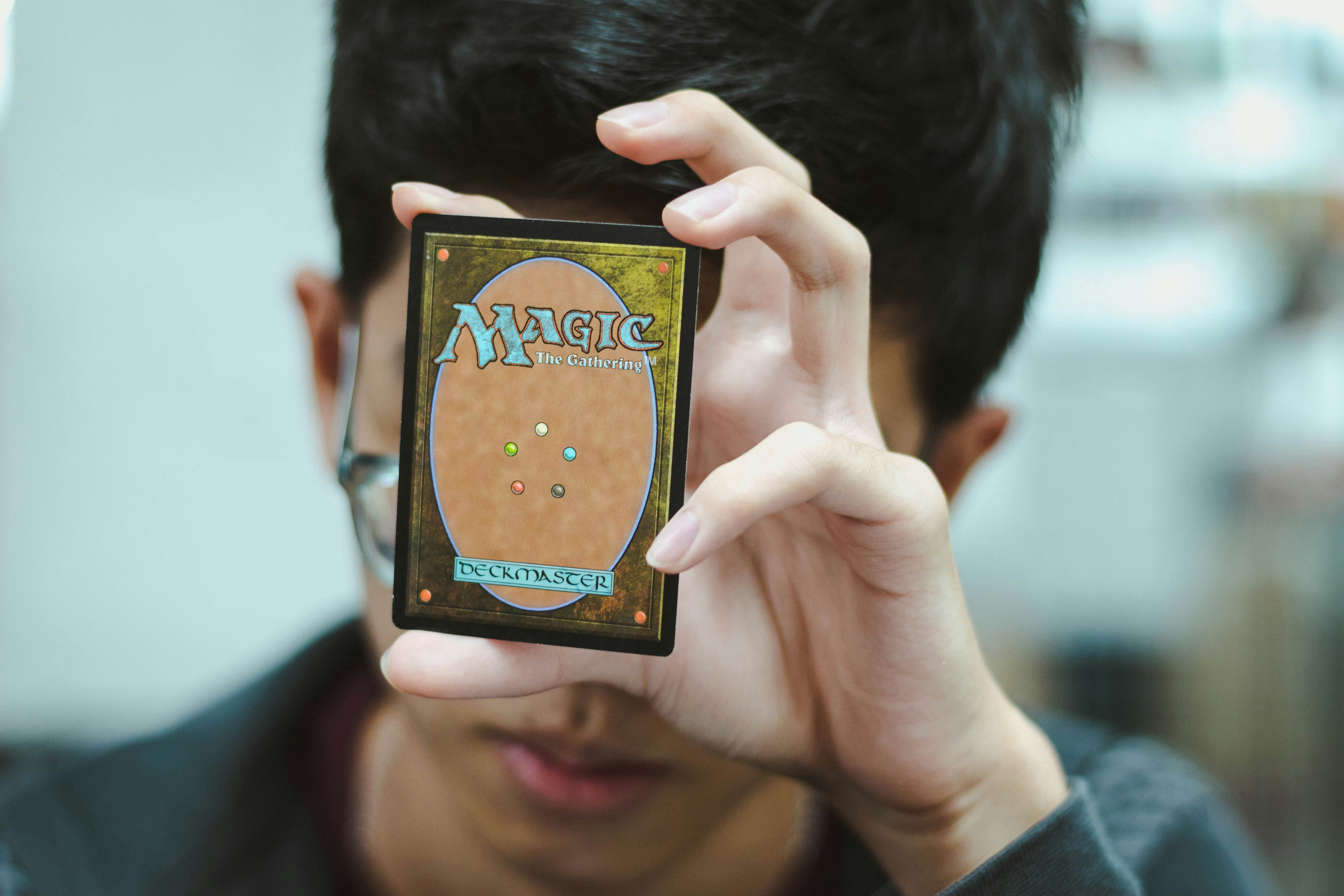
Forget everything you know about sleight of hand; the most powerful augmented reality magic tricks right now don’t require a single hidden compartment, just a smartphone and a bit of digital wizardry. We’ve tested dozens of apps and props to bring you the definitive list of 15 augmented reality magic tricks that will leave your audience questioning the very fabric of reality.
Imagine performing a routine where a spectator’s chosen card doesn’t just vanish, but digitally disintegrates into a swarm of holographic butterflies right before their eyes. That’s the power of modern AR magic. It’s not just a gimmick; it’s a new language of illusion that blends the physical and digital worlds seamlessly.
We remember the first time we tried a markerless AR card trick in a dimly lit café. The lighting was terrible, the tracking jittered, and the “dragon” that was supposed to breathe fire on the table looked like a glitchy pixelated mess. But once we fixed the lighting and practiced the hand movements, the reaction was instantaneous: jaws dropped, phones were pulled out, and the skepticism vanished.
The technology has evolved from clunky QR codes to sophisticated spatial computing that tracks your hands and objects in real-time. This shift means you can now perform miracles that were previously impossible without a massive stage setup or expensive holographic projectors.
Key Takeaways
- Seamless Integration: The best augmented reality magic tricks rely on markerless tracking to blend digital effects with physical props without obvious triggers.
- Lighting is Critical: Unlike traditional magic, AR performance success hinges on bright, even lighting to ensure the camera can track objects accurately.
- Performance Over Tech: The magic lies in the storytelling and misdirection, not the app itself; always have a backup plan if the tech fails.
- Beginer-Friendly Options: Apps like Marvin’s Magic and Professor Maxwell’s VR offer accessible entry points for those new to digital illusion.
- Future-Proof Skills: Mastering these 15 augmented reality magic tricks prepares you for the next generation of mixed reality performance.
👉 Shop Top AR Magic Kits:
- Marvin’s Magic App & Props: Shop on Amazon | Marvin’s Magic Official
- Professor Maxwell’s VR Magic Set: Shop on Amazon | Abacus Brands Official
- Advanced AR Card Decks: Shop on Amazon | Penguin Magic
Table of Contents
- ⚡️ Quick Tips and Facts
- 📜 The History of Magic Mets Holograms: How Augmented Reality Transformed Illusion
- 🔮 Top 15 Augmented Reality Magic Tricks for Beginners to Pros
- 1. The Levitating Card Deck
- 2. The Vanishing Coin in Thin Air
- 3. The Digital Crystal Ball Prediction
- 4. The Teleporting Animal Companion
- 5. The Impossible Card Selection via Smartphone
- 6. The Holographic Fire Breather
- 7. The Mind-Reading Tablet App
- 8. The Floating 3D Object Manipulation
- 9. The Ghostly Handshake
- 10. The Color-Chinking Reality Filter
- 1. The Time-Traveling Photo Booth
- 12. The Invisible Rope Trick
- 13. The Living Tattoo Illusion
- 14. The Gravity-Defying Sphere
- 15. The Final Grand Spectacle: The AR Stage Show
- 🛠️ Essential Gear: Smartphones, Tablets, and AR Headsets for Magicians
- 🧠 Mastering the Mechanics: How AR Magic Actually Works Under the Hood
- 🎭 Performance Secrets: Selling the Illusion Without Breaking the Fourth Wall
- 🚫 Common Pitfalls: Why Your AR Trick Might Fail (And How to Fix It)
- 🏆 Best AR Magic Apps and Software Compared: Marvin’s Magic vs. The Competition
- 🎓 Where to Learn: Online Courses, Workshops, and Communities for AR Illusionists
- 💡 Creative Ideas: DIY Augmented Reality Magic Projects You Can Build Today
- 🌍 The Future of Magic: What’s Next for Mixed Reality and Holographic Performance?
- 🏁 Conclusion
- 🔗 Recommended Links
- ❓ FAQ: Your Burning Questions About Augmented Reality Magic Tricks Answered
- 📚 Reference Links
⚡️ Quick Tips and Facts
Before we dive headfirst into the digital rabbit hole, let’s get the basics down. If you think augmented reality (AR) magic is just about waving a phone around and hoping for the best, think again. It’s a blend of psychology, coding, and pure showmanship.
Here are the golden rules we at Magic Trick™ live by when mixing the mystical with the digital:
- ✅ The “Screen” is the Prop: In traditional magic, the deck of cards is the focus. In AR magic, the smartphone or tablet is the wand. Treat the device with the same reverence you would a silk handkerchief.
- ✅ Lighting is Non-Negotiable: AR relies on computer vision. If the room is too dark, the camera can’t track your hands, and the “magic” vanishes (literally). Always ensure bright, even lighting.
- ✅ Battery Life is Your Lifeline: Nothing kills a performance faster than a “Low Battery” notification popping up right as a card turns into a dragon. Always charge your device to 10% before a show.
- ❌ Don’t Overuse It: AR is the spice, not the main course. If every trick requires an app, you’re not a magician; you’re a tech support specialist. Use it for the wow factor, not the whole routine.
- ✅ The “Gimmick” is Invisible: The best AR magic looks like the digital object is physically there. The trick isn’t the app; the trick is the seamless integration of the digital and physical worlds.
Did you know? The concept of overlaying digital information onto the real world dates back to the 1960s with Sutherland’s “Sword of Damocles,” but it wasn’t until the 2010s that consumer smartphones made it accessible for magicians. For a deeper dive into how technology has shaped our craft, check out our article on Magic History.
📜 The History of Magic Mets Holograms: How Augmented Reality Transformed Illusion
You might be wondering, “How did we get from sleight of hand to holographic rabbits?” It’s a journey that mirrors the evolution of magic itself.
For centuries, magicians relied on mechanical gimmicks and optical illusions. The “Pepper’s Ghost” technique, invented in the 19th century, used glass and lighting to create ghostly apparitions. Fast forward to the 21st century, and we have spatial computing.
The shift began when smartphones became powerful enough to run complex 3D rendering engines in real-time. Suddenly, a magician didn’t need a hidden mirror or a trapdoor; they needed a camera and an app.
The Evolution of the AR Gimmick
- The Early Days (2010-2015): Apps were clunky. They required specific markers (like a QR code) to trigger animation. The magic was obvious because the “trigger” was visible.
- The Markerless Revolution (2016-2020): With the introduction of ARKit (Apple) and ARCore (Google), apps could track surfaces and objects without markers. A card could float in mid-air just by being held.
- The Modern Era (2021-Present): We now have hand tracking and eye tracking. The magic responds to your gaze and gestures. The barrier between the digital and physical has all but dissolved.
This transformation hasn’t just changed how we perform; it’s changed what we can perform. We can now bring the impossible into the palm of your hand. But how does it actually work? And more importantly, how do we sell it?
🔮 Top 15 Augmented Reality Magic Tricks for Beginners to Pros
We’ve scoured the globe (and the app stores) to bring you the definitive list of AR magic tricks. Whether you’re a novice looking to impress your friends or a pro adding a new dimension to your stage act, there’s something here for you.
Note: While some of these require specific apps or props, the principles of performance remain the same.
1. The Levitating Card Deck
Imagine holding a deck of cards, and suddenly, the entire deck floats inches above your palm, rotating slowly.
- How it works: The app uses the phone’s camera to track the deck’s position. When you move your hand away, the app renders the deck floating in 3D space, anchored to your hand’s previous position.
- Pro Tip: Use a high-contrast card back for better tracking.
2. The Vanishing Coin in Thin Air
A classic coin vanish, but with a twist. You place a coin on your palm, close your hand, and when you open it, the coin is gone. But wait—look at the phone screen! The coin is floating above your hand, then dissolves into digital dust.
- The Secret: It’s a combination of a palming technique and a perfectly timed app animation.
3. The Digital Crystal Ball Prediction
You ask a spectator to think of a number. You hold up a “crystal ball” (a physical prop or just your hand). On the screen, a digital crystal ball forms, and the number appears inside it.
- Why it works: The app uses a force prediction algorithm (similar to a mathematical force) to guess the number, or you use a mentalism force to guide them.
4. The Teleporting Animal Companion
You hold an empty cage. With a snap of your fingers, a digital lion (or rabbit, or dragon) appears inside the cage on the screen, roaring and pacing.
- Best for: Family shows and children’s parties. The visual impact is massive.
5. The Impossible Card Selection via Smartphone
A spectator selects a card. You hand them your phone. They point at the screen, and the app “reads” their mind, displaying the exact card they chose.
- The Gimmick: This often uses QR code scanning or image recognition of the card back, combined with a force deck or a gaffed deck.
6. The Holographic Fire Breather
You hold a small, harmless object (like a ping pong ball). On the screen, it transforms into a roaring ball of fire that you “breathe” out.
- Safety First: This is purely digital, so no real fire is involved, making it perfect for indoor venues.
7. The Mind-Reading Tablet App
You hand a tablet to a spectator. They draw a shape. The app instantly “reads” their mind and displays the shape they were thinking of, not the one they drew.
- The Method: A clever misdirection technique where the app actually displays a different shape, and you use psychological forcing to make them believe they drew the one shown.
8. The Floating 3D Object Manipulation
You hold a small object (like a die). On the screen, the die floats, spins, and changes color. You can “grab” it in the air, and the app responds to your hand movements.
- Tech Spec: Requires hand tracking capabilities found in newer AR apps.
9. The Ghostly Handshake
You reach out to shake a spectator’s hand. On the screen, a ghostly hand reaches out from the phone and shakes theirs.
- The Effect: It creates a tactile illusion that is both creepy and delightful.
10. The Color-Chinking Reality Filter
You hold a colored filter (like a red lens) up to the camera. On the screen, the world changes color, and hidden messages appear.
- The Twist: The “hidden message” is actually a prediction you made earlier.
1. The Time-Traveling Photo Booth
You take a photo of a spectator. The app “travels back in time” and shows them a version of themselves from 10 years ago (or 10 years in the future) on the screen.
- The Tech: Uses AI face morphing and generative art.
12. The Invisible Rope Trick
You hold an invisible rope. On the screen, the rope is visible, and you can “tie” it around a chair or a spectator’s wrist.
- The Challenge: Requires precise hand tracking to make the rope look anchored.
13. The Living Tattoo Illusion
You show a spectator a blank piece of paper. On the screen, a tattoo appears on their arm (or the paper), moving and changing.
- The Wow Factor: It looks like the tattoo is alive.
14. The Gravity-Defying Sphere
You hold a sphere. On the screen, it defies gravity, floating upwards and bouncing off the ceiling.
- The Physics: The app simulates zero-gravity physics in real-time.
15. The Final Grand Spectacle: The AR Stage Show
This isn’t just a trick; it’s a full routine. You combine multiple AR elements: floating cards, digital animals, and holographic projections, all synchronized to music.
- The Goal: To create a multi-sensory experience that leaves the audience questioning reality.
Curious about how these tricks are performed? We’ll break down the mechanics in the next section, but first, let’s talk about the gear you need to pull this off.
🛠️ Essential Gear: Smartphones, Tablets, and AR Headsets for Magicians
You can’t perform AR magic with a flip phone. The hardware matters. Here’s what we recommend at Magic Trick™ for a seamless performance.
Smartphones vs. Tablets
- Smartphones: Great for close-up magic. They are portable and easy to hand to a spectator.
Top Pick: iPhone 15 Pro or Samsung Galaxy S24 Ultra. Both have excellent cameras and powerful processors for real-time rendering.
Why? The LiDAR scanner (on iPhones) or advanced depth sensors (on Samsungs) allow for incredibly accurate object tracking. - Tablets: Better for stage performances or when you need a larger screen for the audience to see.
Top Pick: iPad Pro 12.9″ with the M2 chip.
Why? The large screen makes the digital effects visible to a larger group, and the ProMotion display ensures smooth animations.
AR Headsets (The Future?)
While not yet standard for magicians, headsets like the Apple Vision Pro or Meta Quest 3 are opening new doors.
- Pros: Immersive 3D experiences that don’t require a screen.
- Cons: Heavy, expensive, and isolating for the audience (they can’t see what you see).
- Verdict: Keep an eye on this tech, but for now, smartphones and tablets are your best bet.
Essential Accessories
- Tripod Mounts: To keep the device steady during complex routines.
- External Lighting: Ring lights or softboxes to ensure the camera sees everything clearly.
- Power Banks: High-capacity batteries to keep your device running all night.
Want to see these in action? Check out our guide on Close-up Magic for tips on integrating tech into intimate settings.
🧠 Mastering the Mechanics: How AR Magic Actually Works Under the Hood
Ever wondered how a digital rabbit pops out of a physical hat? It’s not magic (well, not the kind we do with wands). It’s computer vision and 3D rendering.
The Three Pillars of AR Magic
- Tracking: The app uses the camera to identify features in the real world (like the edges of a card or the surface of a table).
- Mapping: It creates a 3D map of the environment, understanding where objects are in space.
- Rendering: It overlays digital objects onto this map, making them appear as if they are part of the real world.
The Role of Markers vs. Markerless
- Marker-Based: The app looks for a specific image (like a QR code) to anchor the digital object. This is reliable but obvious.
- Markerless: The app uses SLAM (Simultaneous Localization and Mapping) to track surfaces without a marker. This is more seamless but can be glitchy in low light.
The “Gimmick” in the Code
Many AR magic apps use pre-recorded animations triggered by specific gestures. For example, when you wave your hand in a “Z” shape, the app plays a video of a dragon.
- The Trick: The magician must synchronize their physical actions with the app’s triggers. This is where practice comes in.
Still confused? Don’t worry. We’ll cover common pitfalls in the next section, but first, let’s talk about how to sell the illusion.
🎭 Performance Secrets: Selling the Illusion Without Breaking the Fourth Wall
The best AR magic isn’t about the tech; it’s about the story. If you focus on the app, the audience will focus on the app. If you focus on the magic, they’ll focus on the wonder.
The “Patter” is Key
Don’t say, “I’m using an app to make this happen.” Say, “I’ve discovered a way to see the unseen.”
- Example: Instead of “The app is tracking the card,” say, “The card is responding to my thoughts.”
Misdirection in the Digital Age
In traditional magic, you use a flash distraction to hide a sleight. In AR magic, you use the digital effect to hide the physical method.
- Technique: While the audience is staring at the floating dragon on the screen, you can palming a card or switching a prop.
The “Fourth Wall” Problem
If you look at the screen too much, you break the illusion. You must act as if you can see the digital object without looking at the screen.
- Tip: Practice eye contact with the audience while the app is running.
Ready to learn more? Check out our Magic Secrets section for advanced techniques on blending tech and tradition.
🚫 Common Pitfalls: Why Your AR Trick Might Fail (And How to Fix It)
Even the best magicians run into glitches. Here are the most common issues and how to fix them.
1. Poor Lighting
- Problem: The camera can’t track the object.
- Fix: Use external lighting or move to a brighter area. Avoid backlit situations.
2. Low Battery
- Problem: The app crashes mid-performance.
- Fix: Always carry a portable charger and test the battery level before starting.
3. Glitchy Tracking
- Problem: The digital object jumps or disappears.
- Fix: Ensure the object has high contrast and is not moving too fast. Practice the hand movements to match the app’s expectations.
4. Audience Can’t See the Screen
- Problem: The effect is lost on the back row.
- Fix: Use a tablet or a projector to display the screen for larger audiences.
5. Over-Reliance on Tech
- Problem: The trick fails if the app doesn’t work.
- Fix: Always have a backup plan (a traditional version of the trick) in case the tech fails.
Need more help? Our Illusions category has tips on troubleshooting performance issues.
🏆 Best AR Magic Apps and Software Compared: Marvin’s Magic vs. The Competition
Not all AR magic apps are created equal. Here’s a breakdown of the top contenders.
Rating Table: Top AR Magic Apps
| App Name | Design (1-10) | Functionality (1-10) | Ease of Use (1-10) | Best For |
|---|---|---|---|---|
| Marvin’s Magic App | 9 | 9 | 10 | Beginners & Kids |
| Professor Maxwell’s VR | 8 | 8 | 9 | Educational Sets |
| MagicAR | 7 | 8 | 7 | Advanced Users |
| AR Card Tricks | 6 | 7 | 8 | Card Enthusiasts |
| HoloStage | 8 | 9 | 6 | Stage Performers |
Detailed Analysis
Marvin’s Magic App
- Pros: Extremely user-friendly, great for kids, includes interactive tutorials and AR animations for physical props.
- Cons: Limited to props sold by Marvin’s Magic.
- Verdict: The best choice for beginners and families.
Professor Maxwell’s VR Magic
- Pros: Combines a physical book with AR, teaching 34 tricks in an interactive way.
- Cons: Requires the physical book, which can be bulky.
- Verdict: Great for educational purposes and learning the basics.
MagicAR
- Pros: Highly customizable, supports markerless tracking, and allows for custom animations.
- Cons: Step learning curve, requires technical knowledge.
- Verdict: For advanced magicians who want full control.
AR Card Tricks
- Pros: Specialized for card magic, includes force decks and prediction algorithms.
- Cons: Limited to card tricks only.
- Verdict: Perfect for card enthusiasts.
HoloStage
- Pros: Designed for stage performances, supports multi-user and large screen displays.
- Cons: Expensive, requires specific hardware.
- Verdict: Ideal for professional stage magicians.
Looking to buy? Check out these options:
- Marvin’s Magic App: Shop on Amazon | Marvin’s Magic Official
- Professor Maxwell’s VR Magic: Shop on Amazon | Abacus Brands Official
🎓 Where to Learn: Online Courses, Workshops, and Communities for AR Illusionists
Want to master AR magic? You’re not alone. Here are the best places to learn.
Online Courses
- Marvin’s Magic Academy: Offers hundreds of video lessons and a free weekly trick. Perfect for beginners.
- Penguin Magic: While they don’t have a specific AR course, their library includes video tutorials for many AR tricks.
- Vanishing Inc. Magic: Known for high-quality video tutorials and community forums.
Workshops and Events
- Forte Village Resort (Sardinia): Hosts summer magic workshops in partnership with Marvin’s Magic.
- Magic Castle (Los Angeles): Occasionally hosts tech-focused magic events.
Communities
- Reddit (r/Magic): A great place to ask questions and share tips.
- Facebook Groups: Search for “AR Magic” or “Digital Magic” groups.
- Discord Servers: Many magic communities have dedicated channels for tech and AR.
Ready to start? Check out our Magic Secrets section for more learning resources.
💡 Creative Ideas: DIY Augmented Reality Magic Projects You Can Build Today
You don’t need expensive apps to create AR magic. Here are some DIY projects you can build with free tools.
1. The Custom QR Code Trick
- What you need: A QR code generator, a smartphone, and a free AR app (like Artive or Aurasma).
- How to do it: Create a QR code that, when scanned, displays a custom video or 3D animation. Use this to reveal a prediction or a hidden message.
2. The Markerless Card Trick
- What you need: A smartphone with AR capabilities and a card deck.
- How to do it: Use an app that tracks the edges of the cards to create a floating effect. Practice the hand movements to make it look seamless.
3. The Interactive Storytelling
- What you need: A tablet and a storytelling app (like Unity or Unreal Engine).
- How to do it: Create a custom AR experience where the audience can interact with the story by moving their hands or objects.
Need inspiration? Check out our Illusions section for more creative ideas.
🌍 The Future of Magic: What’s Next for Mixed Reality and Holographic Performance?
We’re just scratching the surface. The future of magic is immersive, interactive, and limitless.
The Rise of Mixed Reality (MR)
MR combines AR and VR to create a hybrid experience. Imagine a magician performing in a virtual world that the audience can see through their own devices.
AI and Personalization
AI will allow magicians to customize tricks in real-time based on the audience’s reactions. Imagine a trick that changes its outcome based on the emotions of the spectator.
The Death of the Screen
As wearable tech (like smart glasses) becomes more common, the screen will disappear. The magic will happen in the air, visible to everyone without a device.
What do you think? Will the future of magic be digital, or will we always need the physical touch? We’ll explore this in the conclusion.
🏁 Conclusion
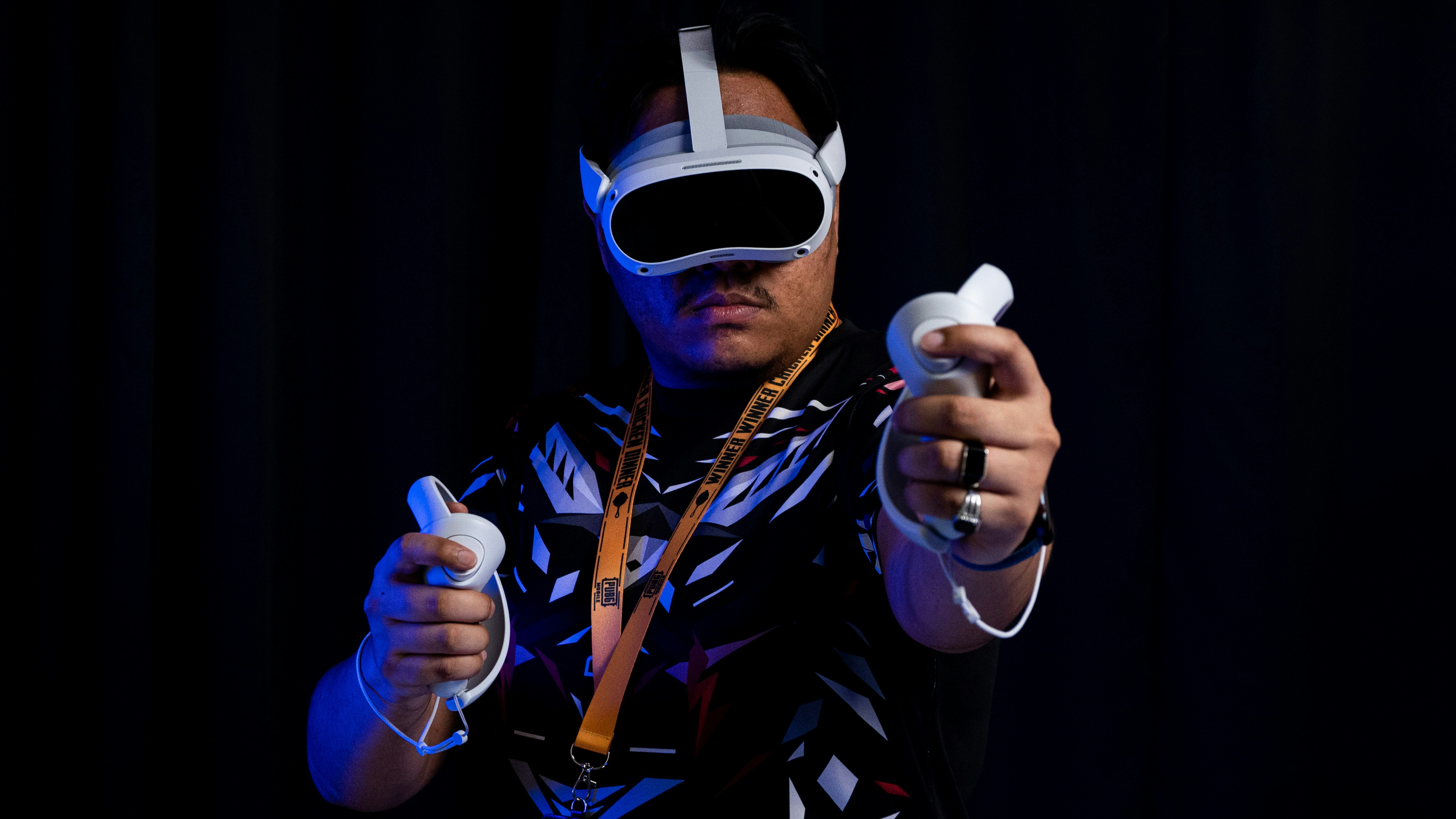
So, there you have it. From the humble beginnings of marker-based AR to the cutting-edge world of markerless tracking and AI-driven magic, augmented reality has revolutionized the art of illusion.
We’ve covered the history, the gear, the tricks, and the future. But the most important thing to remember is this: Technology is just a tool. The real magic comes from your performance, your storytelling, and your ability to wonder.
Whether you’re a beginner looking to impress your friends with a floating card or a pro adding a new dimension to your stage act, AR magic offers endless possibilities. Just remember to practice, test, and always have a backup plan.
And to answer the question we posed at the beginning: Can you perform magic without technology? Yes. But with technology, you can perform the impossible.
Ready to start your AR magic journey? Check out the links below for the best apps, courses, and props to get you started.
🔗 Recommended Links
Here are the top resources to get you started with AR magic:
- Marvin’s Magic App: Shop on Amazon | Marvin’s Magic Official
- Professor Maxwell’s VR Magic: Shop on Amazon | Abacus Brands Official
- Penguin Magic: Visit Website
- Vanishing Inc. Magic: Visit Website
- Artive (AR App): Visit Website
- Unity (AR Development): Visit Website
❓ FAQ: Your Burning Questions About Augmented Reality Magic Tricks Answered
What are the future trends in augmented reality magic shows?
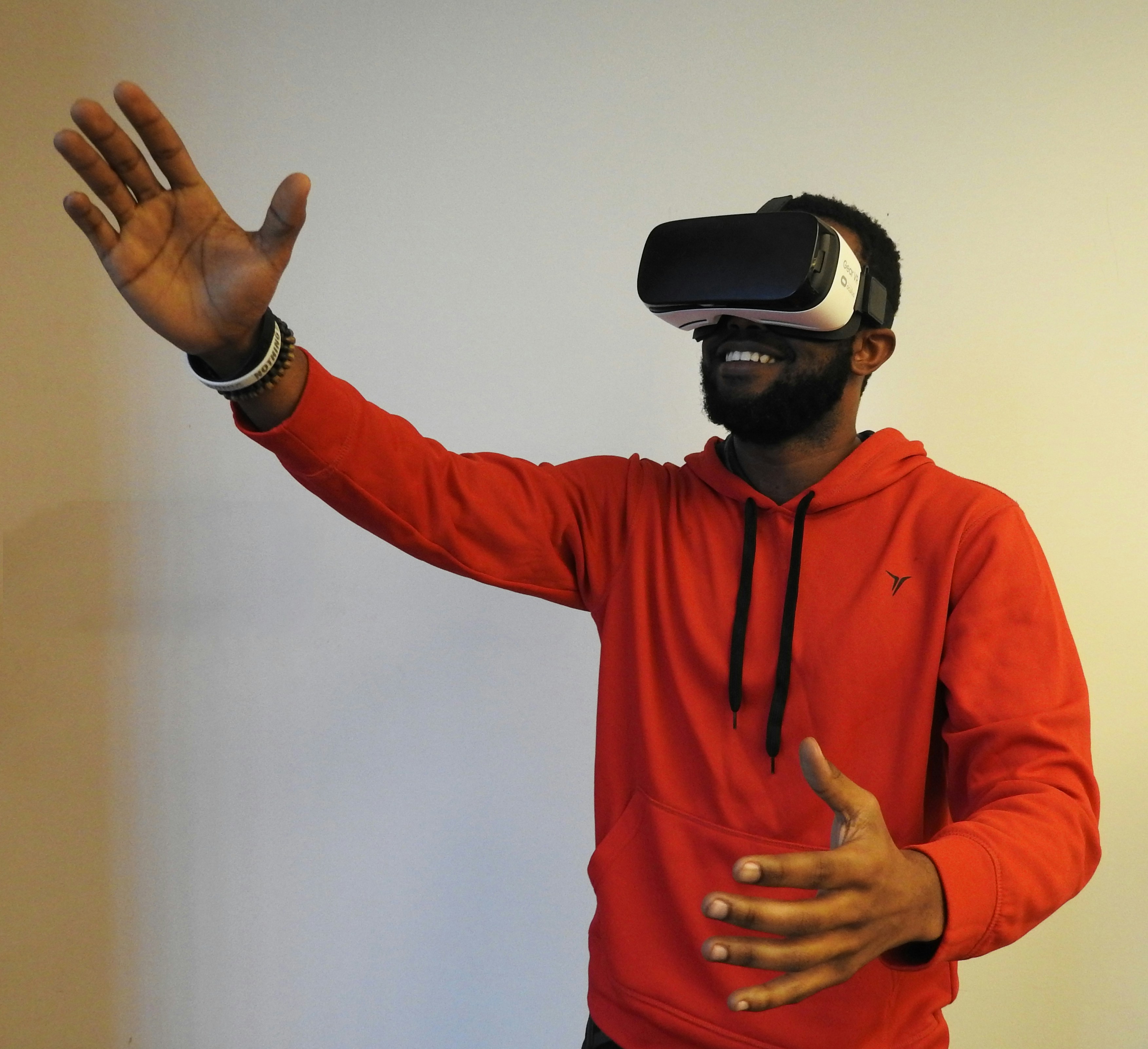
The future of AR magic lies in mixed reality (MR) and AI-driven personalization. We expect to see more wearable tech (like smart glasses) that allow for screen-free performances. Additionally, AI will enable magicians to customize tricks in real-time based on audience reactions.
Read more about “🪄 Top 10 Virtual Reality Magic Experiences to Master in 2026”
Can augmented reality magic tricks be combined with card tricks?
Absolutely! In fact, many of the most popular AR tricks are card-based. Apps like AR Card Tricks and Marvin’s Magic offer interactive card routines that combine physical sleight of hand with digital effects.
Read more about “🎩 7 Contemporary Magicians’ Styles Defining Magic in 2026”
How do augmented reality magic tricks work with smartphones?
AR magic tricks use the smartphone’s camera to track the real world and overlay digital objects onto it. This is done using computer vision and 3D rendering technologies. The app recognizes features in the environment (like a card or a table) and anchors the digital object to that position.
What equipment do I need to perform augmented reality magic tricks?
At a minimum, you need a smartphone or tablet with a good camera and a powerful processor. You may also need external lighting to ensure the camera can track objects clearly. For larger audiences, a tablet or projector is recommended.
Read more about “🎩 How Professional Magicians Create Illusions: 6 Secrets Revealed (2026)”
What are some popular augmented reality magic tricks used by professional magicians?
Popular tricks include levitating cards, vanishing coins, teleporting animals, and mind-reading predictions. These tricks often use markerless tracking to create a seamless experience.
Read more about “When Was Magic Invented? 🪄 10 Surprising Origins Revealed (2025)”
Can augmented reality magic tricks be performed live or only recorded?
AR magic tricks can be performed live or recorded. In live performances, the magician uses a smartphone or tablet to display the digital effects. In recorded performances, the effects can be enhanced in post-production.
How does augmented reality change the audience experience in magic shows?
AR magic creates a multi-sensory experience that blurs the line between the real and the digital. It allows for larger-than-life effects that are impossible with traditional magic, making the show more immersive and memorable.
Read more about “12 Cognitive Biases in Magic Tricks That Fool Your Brain 🎩 (2026)”
Are there beginner-friendly augmented reality magic tricks to learn?
Yes! Apps like Marvin’s Magic and Professor Maxwell’s VR are designed for beginers. They offer step-by-step tutorials and interactive experiences that make it easy to learn AR magic.
Read more about “10 Magic Tricks That Will Blow Your Mind in 2025 ✨”
How can augmented reality enhance traditional magic performances?
AR can add a new dimension to traditional magic by creating visual effects that are impossible with physical props. It can also be used to reveal hidden messages or create illusions that are more seamless and realistic.
Read more about “🎩 How Magic Evolved: From Ancient Sorcery to Digital Wonder (2026)”
What are the best augmented reality apps for magic tricks?
The best apps depend on your skill level and the type of magic you want to perform. For beginners, Marvin’s Magic and Professor Maxwell’s VR are excellent choices. For advanced users, MagicAR and HoloStage offer more customization and control.
Read more about “🃏 What Is the Most Common Magic Trick? (2026)”
📚 Reference Links
- Marvin’s Magic Academy: Academy – Marvin’s Magic Worldwide
- Penguin Magic: Penguin Magic Store Policies
- Abacus Brands: Professor Maxwell’s VR Magic
- Apple ARKit: Apple ARKit Documentation
- Google ARCore: Google ARCore Documentation
- Unity AR Foundation: Unity AR Foundation


