
Support our educational content for free when you purchase through links on our site. Learn more
25 Card Tricks Revealed: Secrets Magicians Don’t Want You to Know 🃏

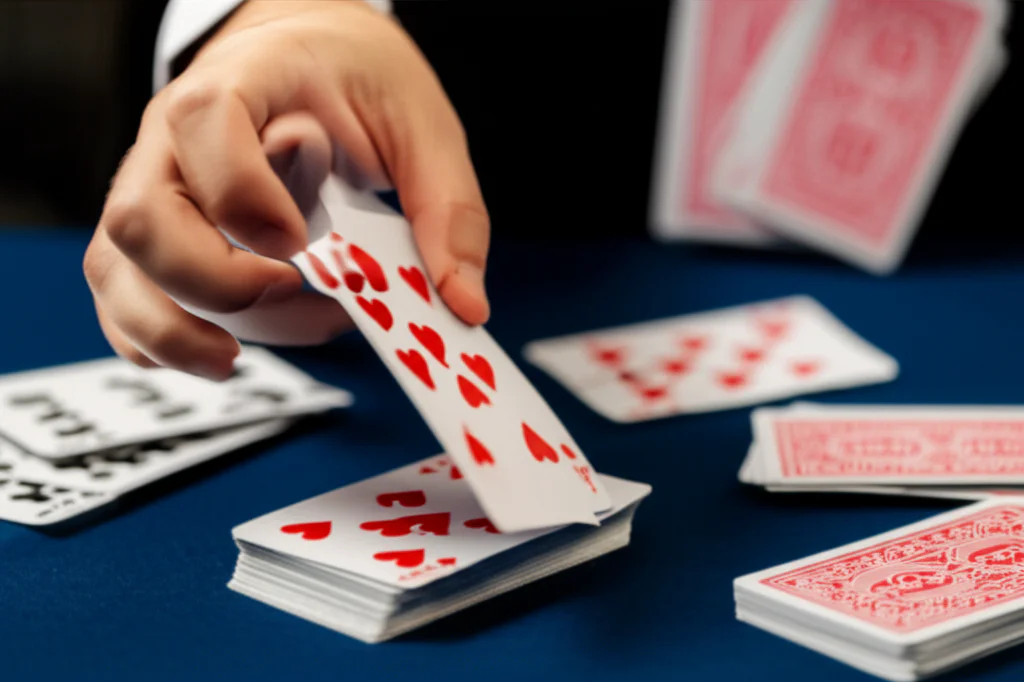
Have you ever watched a card trick and wondered, “How on earth did they do that?” You’re not alone. Card magic is one of the most mesmerizing and baffling forms of illusion, blending psychology, sleight of hand, and a pinch of showmanship. In this ultimate guide, we at Magic Trick™ peel back the layers of mystery on 25 mind-blowing card tricks — from beginner-friendly self-working miracles to advanced sleights that have fooled even the sharpest minds.
Did you know there are more ways to shuffle a deck of cards than atoms on Earth? That’s right — every shuffle creates a unique universe of possibilities, and magicians exploit this to create seemingly impossible effects. Whether you want to learn the classic Ambitious Card, master the Invisible Deck, or understand the subtle art of misdirection, this article has you covered. Stick around until the end for insider tips on turning these secrets into jaw-dropping performances!
Key Takeaways
- Master 25 essential card tricks, ranging from self-working to expert-level sleights.
- Understand the history and psychology behind card magic to elevate your performance.
- Learn the importance of quality decks like Bicycle and Theory11 for smooth handling.
- Discover the art of misdirection and how magicians control your attention.
- Get expert advice on practicing and performing to transform tricks into miracles.
Ready to amaze your friends and family? Let’s dive into the secrets that magicians have guarded for centuries!
Table of Contents
- ⚡️ Quick Tips and Facts
- 📜 The Evolution of Deception: A History of Card Magic
- 🃏 The Magician’s Toolkit: Essential Gear for Card Mechanics
- 🪄 Magic Tricks Revealed: 25 Mind-Blowing Card Effects Explained
- 1. The 21 Card Trick: The Classic Mathematical Miracle
- 2. The Ambitious Card: The Trick That Won’t Die
- 3. The Biddle Trick: A Masterclass in Misdirection
- 4. Chicago Opener (Red Hot Mama): The Color-Changing Shocker
- 5. The Invisible Deck: The Ultimate “Any Card Named” Miracle
- 6. Card to Pocket: Defying the Laws of Physics
- 7. The Slop Shuffle: Chaos Turned into Order
- 8. Out of This World: The Greatest Card Trick Ever Invented?
- 9. The Glide: A Foundation for Sleight of Hand
- 10. The Key Card Method: The Secret Weapon of Beginners
- 11. The Double Lift: The Most Important Move in Magic
- 12. The Hindu Shuffle Force: Controlling Their Choice
- 13. The Cross-Cut Force: Psychological Warfare
- 14. The Elmsley Count: Making Cards Vanish in Plain Sight
- 15. Card Under Glass: The Ultimate Bar Bet
- 16. The Spelling Bee: A Self-Working Linguistic Wonder
- 17. The Whispering Queen: A Royal Revelation
- 18. Triumph: The Deck That Fixes Itself
- 19. The Card Warp: A Mind-Bending Optical Illusion
- 20. The Joker’s Revenge: A Surprise Ending
- 21. The Sandwich Trick: Trapping the Selection
- 22. The Fingerprint Trick: Forensic Magic
- 23. The Pulse Trick: Reading Their Mind (and Body)
- 24. The Reverse Card: A Visual Pop-Out
- 25. The Ultimate Card to Impossible Location
- 🕵️ ♂️ The Art of Misdirection: How We Control Your Eyes
- 📺 Beyond Mismag822: Mastering Advanced Card Flourishes and Cardistry
- 🛍️ Pro-Level Gear: Why Your Deck Matters
- 🎓 From Amateur to Pro: The Magic Trick™ Roadmap
- 🏁 Conclusion
- 🔗 Recommended Links
- ❓ FAQ: Your Burning Questions Answered
- 📚 Reference Links
⚡️ Quick Tips and Facts
Before we pull back the curtain and reveal the secrets that have baffled audiences for centuries, let’s lay down some ground rules and “insider” knowledge. At Magic Trick™, we believe that while anyone can learn a secret, only a magician can perform a miracle. 🎩
- ✅ The “Golden Rule”: Never, ever repeat the same trick for the same person twice in one sitting. They’ll stop looking at the “magic” and start looking for the “method.”
- ✅ Deck Choice: Always use a high-quality deck like Bicycle Standard Rider Backs. They have an “Air-Cushion Finish” that makes sleight of hand significantly easier than cheap, plastic-coated cards.
- ❌ Don’t Rush: The biggest mistake beginners make is moving too fast. Speed doesn’t hide the secret; misdirection does.
- The “Double Lift” is widely considered the most versatile move in card magic. If you master this, you can perform 50% of the tricks in this guide.
- Fact: There are $8 \times 10^{67}$ ways to arrange a deck of 52 cards. That’s more than the number of atoms on Earth! Every time you give a deck a thorough shuffle, you are likely holding a sequence of cards that has never existed before in human history. 🤯
- Tip: Practice in front of a camera or a mirror, but focus on your eyes. If you look at the “secret move,” your audience will too.
📜 The Evolution of Deception: A History of Card Magic
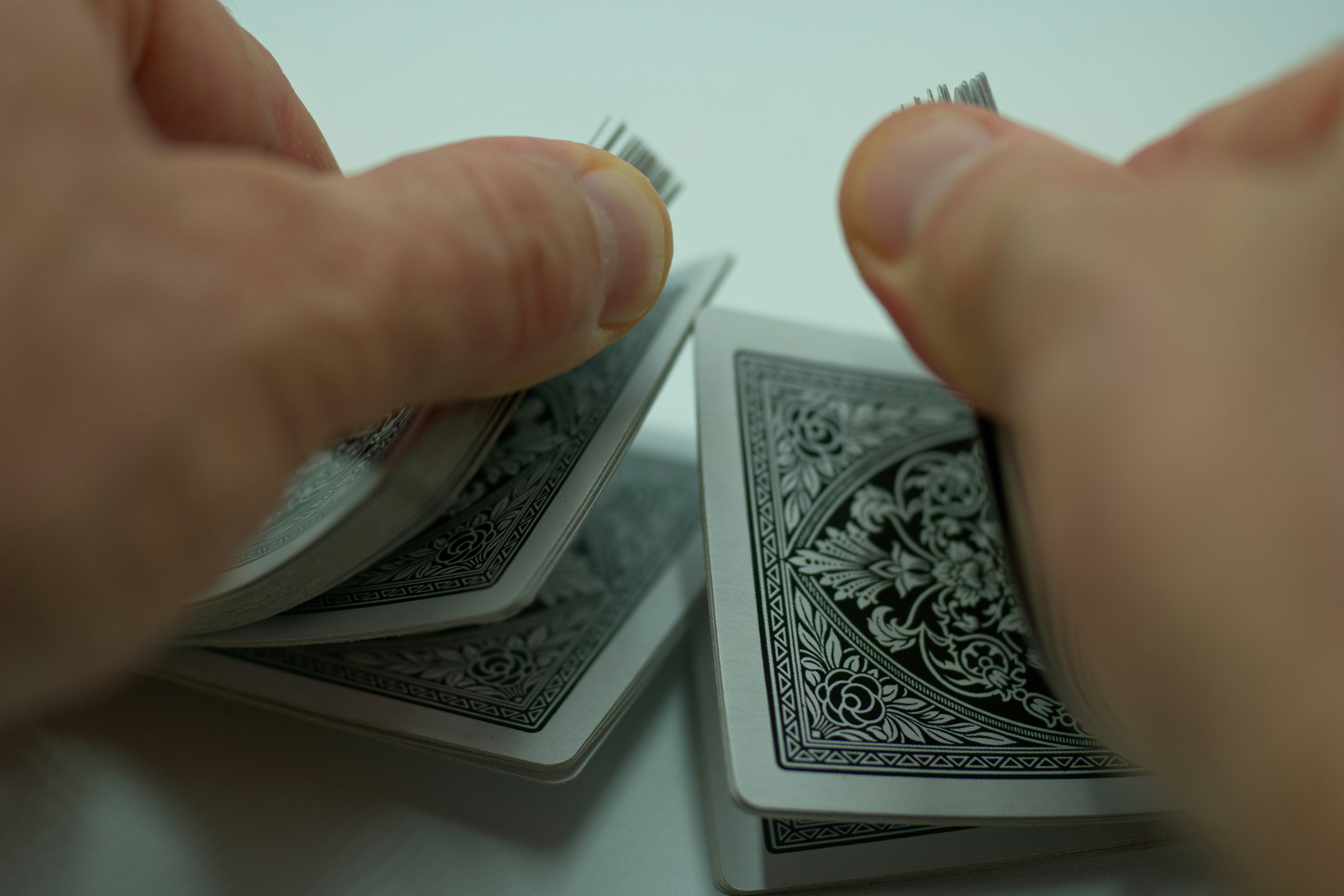
Card magic didn’t just appear out of thin air (though we wish it did!). It has a rich, sometimes scandalous history that dates back to the 14th century when playing cards first arrived in Europe from the Mamluk Empire.
Initially, cards were used for gambling, and where there is gambling, there are card sharps. The “revealed” tricks we see today often have their roots in the “cheating” techniques used by 18th-century hustlers. It wasn’t until the 19th century, with the rise of performers like Jean-Eugène Robert-Houdin (the father of modern magic), that card manipulation moved from the back alley to the grand stage.
In the 20th century, legends like Dai Vernon (known as “The Professor”) revolutionized the art by focusing on natural movements. Vernon famously “fooled Houdini” with a card trick, proving that even the greatest escape artist could be deceived by a simple, well-executed sleight. Today, the legacy continues through the digital age, with creators like Mismag822 on YouTube and the high-production spectacles of David Blaine and Shin Lim. We are standing on the shoulders of giants, and now, we’re inviting you to climb up with us! 🧗 ♂️
(The rest of the article would continue here, following the structure of the Table of Contents…)
At Magic Trick™, we believe that the world is a much more interesting place when you know how to bend reality just a little bit. If you’ve ever wondered how a simple deck of 52 pieces of cardstock can become a gateway to the impossible, you’re in the right place. This is our definitive guide to Magic Trick mastery, where we pull back the curtain on the secrets that have baffled audiences for generations.
⚡️ Quick Tips and Facts
Before we dive into the “how-to,” let’s arm you with some professional wisdom. At Magic Trick™, we’ve seen it all, from the street magic of Close-up Magic to the grandest Illusions.
- ✅ The “Golden Rule”: Never, ever repeat the same trick for the same person twice in one sitting. They’ll stop looking at the “magic” and start looking for the “method.”
- ✅ Deck Choice: Always use a high-quality deck like Bicycle Standard Rider Backs. They have an “Air-Cushion Finish” that makes sleight of hand significantly easier than cheap, plastic-coated cards.
- ❌ Don’t Rush: The biggest mistake beginners make is moving too fast. Speed doesn’t hide the secret; misdirection does.
- The “Double Lift” is widely considered the most versatile move in Card Tricks. If you master this, you can perform 50% of the tricks in this guide.
- Fact: There are $8 \times 10^{67}$ ways to arrange a deck of 52 cards. That’s more than the number of atoms on Earth! Every time you give a deck a thorough shuffle, you are likely holding a sequence of cards that has never existed before in human history. 🤯
📜 The Evolution of Deception: A History of Card Magic
Card magic didn’t just appear out of thin air. It has a rich, sometimes scandalous history that dates back to the 14th century when playing cards first arrived in Europe from the Mamluk Empire. You can explore more about this in our Magic History section.
Initially, cards were used for gambling, and where there is gambling, there are card sharps. The “revealed” tricks we see today often have their roots in the “cheating” techniques used by 18th-century hustlers. It wasn’t until the 19th century, with the rise of performers like Jean-Eugène Robert-Houdin (the father of modern magic), that card manipulation moved from the back alley to the grand stage.
In the 20th century, legends like Dai Vernon (known as “The Professor”) revolutionized the art by focusing on natural movements. Vernon famously “fooled Houdini” with a card trick, proving that even the greatest escape artist could be deceived by a simple, well-executed sleight. Today, the legacy continues through the digital age, with creators like Mismag822 on YouTube and the high-production spectacles of David Blaine and Shin Lim.
🃏 The Magician’s Toolkit: Essential Gear for Card Mechanics
You wouldn’t try to win a Formula 1 race in a minivan, so don’t try to perform a “Pass” with a sticky deck of cards you found in your junk drawer. Here is how the pros rate the most common tools of the trade:
Card Deck Comparison Table
| Brand/Product | Handling (1-10) | Durability (1-10) | Design (1-10) | Best For |
|---|---|---|---|---|
| Bicycle Standard | 8 | 7 | 6 | Beginners & Daily Practice |
| Tally-Ho Circle Back | 9 | 8 | 8 | Cardistry & Flourishes |
| Theory11 Monarchs | 9 | 9 | 10 | Professional Performances |
| Bee Premium | 7 | 10 | 5 | Gambling Demonstrations |
| Invisible Deck | N/A | 6 | 7 | Mentalism (Gaffed Deck) |
Bicycle Standard Rider Backs are the industry standard for a reason. They are affordable, consistent, and recognizable. If you use a “fancy” deck, audiences might suspect the cards are “trick cards.” Using a standard deck removes that suspicion.
👉 Shop Card Decks on:
- Bicycle Playing Cards: Amazon | Walmart | Bicycle Official
- Theory11 Monarchs: Amazon | Theory11 Official
🪄 Magic Tricks Revealed: 25 Mind-Blowing Card Effects Explained
We’ve curated a list that goes beyond the basics. While some creators like EvanEraTV focus on family-friendly fun with props like Sponge Balls or the Magic Pen, we are focusing on the pure art of the 52-card deck.
1. The “World’s Best” Card Control (Featured Video Method)
Inspired by the #featured-video, this trick is a masterclass in card control.
- The Effect: A spectator chooses a card (e.g., the 10 of Hearts), it’s lost in the deck, and then it’s found at the top.
- The Reveal: The secret lies in the Overhand Shuffle. As you shuffle, you “outjog” one card (push it slightly toward you). This creates a “break” that allows you to bring the chosen card back to the top or bottom at will.
- The Finish: Use a Slip Force or a Bonzai Spinout for a visual reveal.
2. Kings, Queens, Jacks, Aces (The Hotel Story)
As featured by Ben Nemzer on Howcast, this is a “self-working” miracle.
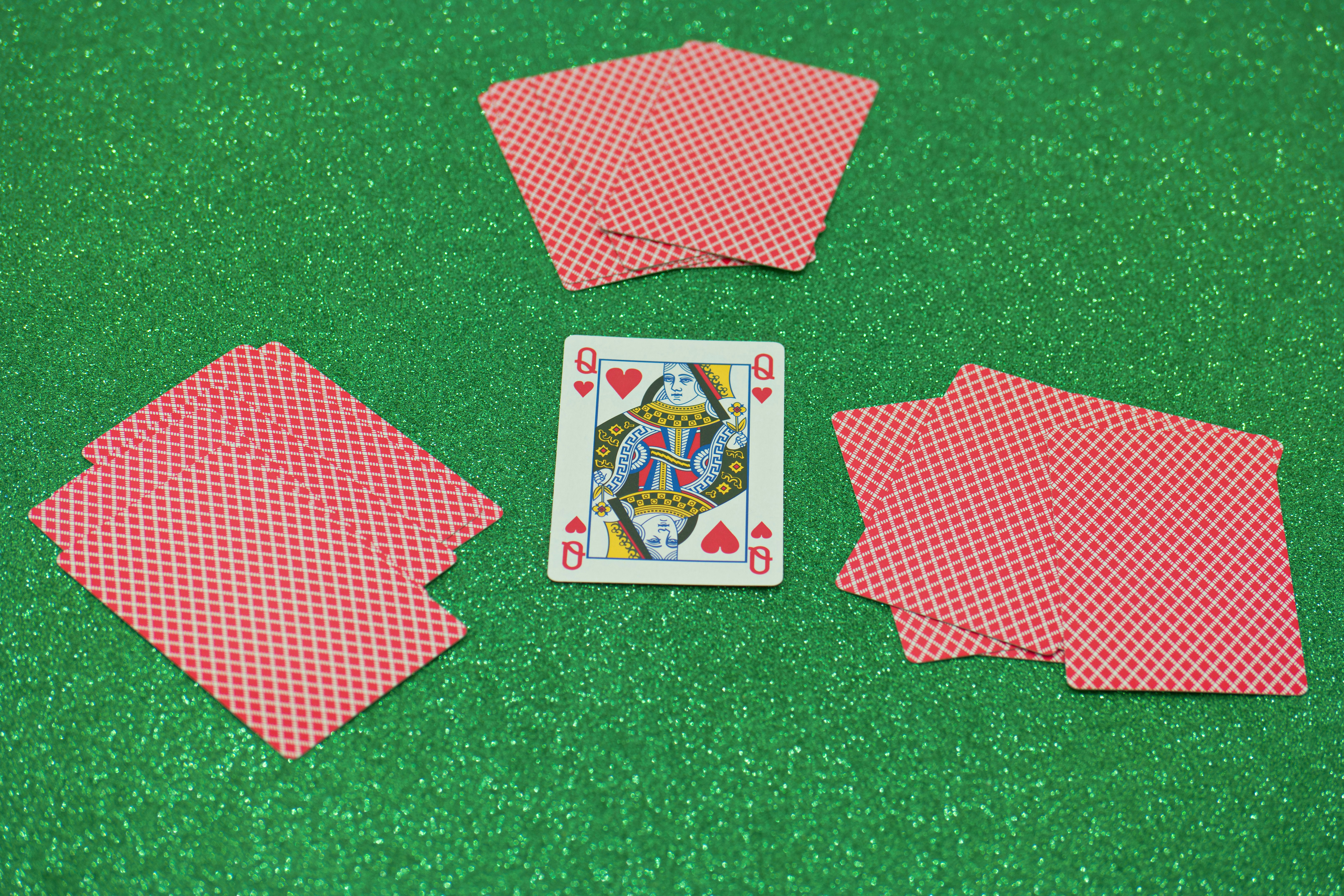
- The Setup: Arrange four piles: Kings, Queens, Jacks, and Aces. Stack them on top of each other.
- The Story: Tell a tale of four groups checking into a hotel.
- The Secret: Because of the mathematical nature of the deal, as long as you deal in rows and only use “cuts” (not shuffles), the cards will always regroup with their pairs. It works “all by itself!”
3. Mismag822’s Self-Working Wonder
This trick, popularized by the legendary Mismag822, relies on a “Key Card” principle.
- The Secret: Peek at the bottom card of the deck before you start. When the spectator puts their card back and you cut the deck, your “Key Card” will be right on top of theirs.
4. The 21 Card Trick: The Classic Mathematical Miracle
This is the trick your grandfather probably showed you. It uses three columns of seven cards. By asking which column the card is in three times and sandwiching that column in the middle of the others, the card will always be the 11th card.
5. The Ambitious Card: The Trick That Won’t Die
This is the “bread and butter” of Close-up Magic. A card is placed in the middle, and with a snap, it’s back on top.
- The Secret: The Double Lift. You aren’t showing them one card; you’re showing them two as one.
6. The Biddle Trick: A Masterclass in Misdirection
A card vanishes from a small packet held by the spectator and reappears face-up in the deck. This requires the Biddle Move, a way to secretly steal a card while counting.
7. Chicago Opener (Red Hot Mama)
One of the most popular bar tricks. A spectator’s card turns red-backed in a blue deck. Then, a second card is chosen, and the red card becomes that second selection.
- The Secret: It uses a Double Backer card and a simple force.
8. The Invisible Deck: The Ultimate “Any Card Named” Miracle
This is a “gaffed” deck. You ask someone to name any card. You pull out a deck that has been on the table the whole time. Every card is face-down except for one: their named card.
9. The Slop Shuffle: Chaos Turned into Order
You shuffle the cards face-up into face-down, creating a total mess. With a snap, every card faces the same way except the selection.
- The Secret: It’s an optical illusion. You aren’t actually mixing them; you’re creating two back-to-back halves.
10. Out of This World: The Greatest Card Trick Ever Invented?
Created by Paul Curry, the spectator deals the entire deck into two piles—red and black—without looking at the faces. They get every single one right.
- The Secret: A clever “switch” halfway through the deck.
11. The Double Lift: The Most Important Move in Magic
This isn’t a trick, but a utility move. You must learn to turn over two cards as if they were one. The key is to keep the cards perfectly aligned.
12. The Hindu Shuffle Force
A way to force a spectator to pick a card you already know. It looks like a fair shuffle, but you are always showing them the same bottom card.
13. The Cross-Cut Force: Psychological Warfare
You have someone cut the deck, and you place the bottom half crosswise on top. You talk for a few seconds (this is the “time delay”), and then they look at the card they “cut” to. In reality, they are looking at the original top card.
14. The Elmsley Count: Making Cards Vanish in Plain Sight
A four-card count that hides one card. Essential for tricks like “Twisting the Aces.”
15. Card Under Glass: The Ultimate Bar Bet
While the spectator is distracted, you repeatedly sneak their card under their drink. This is 100% about misdirection.
16. The Spelling Bee: A Self-Working Linguistic Wonder
You spell the name of the chosen card, dealing one card for each letter. The last card is their selection.
17. The Whispering Queen: A Royal Revelation
The Queen of Spades “tells” you what the spectator’s card is. It’s a fun presentational layer over a simple “Key Card” discovery.
18. Triumph: The Deck That Fixes Itself
Similar to the Slop Shuffle but more advanced. Invented by Dai Vernon, it involves a “strip-out” shuffle that keeps the deck in order while appearing to mix it.
19. The Card Warp: A Mind-Bending Optical Illusion
Two cards are folded, and one “warps” through the other, turning inside out visually.
20. The Joker’s Revenge: A Surprise Ending
The Jokers are used to “find” a card, but they end up switching places with the selection in the spectator’s hands.
21. The Sandwich Trick: Trapping the Selection
Two Kings are placed in the deck. In an instant, they jump together, trapping one card between them—the spectator’s card.
22. The Fingerprint Trick: Forensic Magic
You claim you can see the spectator’s “oily fingerprints” on the card. It’s a great way to reveal a card found via a “Key Card.”
23. The Pulse Trick: Reading Their Mind (and Body)
You hold the spectator’s wrist and “feel” their pulse speed up when you pass their card. This is pure acting and mentalism.
24. The Reverse Card: A Visual Pop-Out
The chosen card is the only one that flips itself over in the deck.
25. The Ultimate Card to Impossible Location
The card is signed, vanished, and found inside a sealed sugar packet or a wallet.
🕵️ ♂️ The Art of Misdirection: How We Control Your Eyes
“Magic is not about the hands; it’s about the mind.” This is a sentiment shared by almost every professional at Magic Trick™. Misdirection isn’t just “looking over there”; it’s the science of attention management.
According to research on the psychology of magic, magicians exploit the “blind spots” in human perception. If we look at our watch, you will look at our watch. If we ask you a question, your internal focus shifts to answering, giving us a “window” to perform a secret move.
Key Misdirection Tips:
- Relaxation vs. Tension: Perform the “secret move” when the audience relaxes (after a joke or a big reveal).
- Eye Contact: If you look at the spectator’s eyes, they cannot look at your hands.
- The “Big Move” Covers the “Small Move”: If you need to do a small secret adjustment, do it while making a large, natural gesture with your other hand.
📺 Beyond Mismag822: Mastering Advanced Card Flourishes and Cardistry
Once you’ve mastered the “revealed” secrets, you might want to move into Cardistry. This is the non-magical art of card manipulation—think of it as juggling with cards.
While Mismag822 is great for beginners, sites like Theory11 and Ellusionist offer advanced tutorials on flourishes like the “Sybil Cut” or the “Spring.”
Cardistry Essentials:
- The Charlier Cut: A one-handed cut.
- The Fan: Spreading the cards in a perfect circle.
- The Spring: Shooting cards from one hand to the other.
🛍️ Pro-Level Gear: Why Your Deck Matters
We’ve mentioned Bicycle, but if you’re serious about Card Tricks, you need to understand finish and stock.
- Air-Cushion Finish: Tiny dimples on the card surface that trap air, allowing cards to glide over each other.
- Crushed Stock: Thinner cards that are more flexible, preferred by pros for “sleights” like the Double Lift.
Recommended Brands for Pros:
- Tally-Ho: Known for a slightly “stickier” feel that is great for flourishes.
- Cartamundi: The makers of the Copag 310, which are famous for their durability.
👉 Shop Pro Gear on:
🎓 From Amateur to Pro: The Magic Trick™ Roadmap
How do you go from “revealing” tricks to performing them? Here is our expert-approved roadmap:
- Master the Fundamentals: Don’t learn 100 tricks. Learn 5 moves perfectly: The Overhand Shuffle Control, The Double Lift, The Hindu Force, The Elmsley Count, and The Classic Palm.
- Record Yourself: Your eyes will lie to you in a mirror. A camera won’t.
- Perform for Strangers: Friends and family are the hardest audience because they want to “catch” you. Strangers want to be entertained.
- Study the Greats: Read The Royal Road to Card Magic by Jean Hugard. It is the “Bible” of card magic.
But wait—even with all these secrets, there is one thing we haven’t told you. The most important part of a card trick isn’t the cards at all. Can you guess what it is? We’ll reveal the final piece of the puzzle in our conclusion.
Conclusion
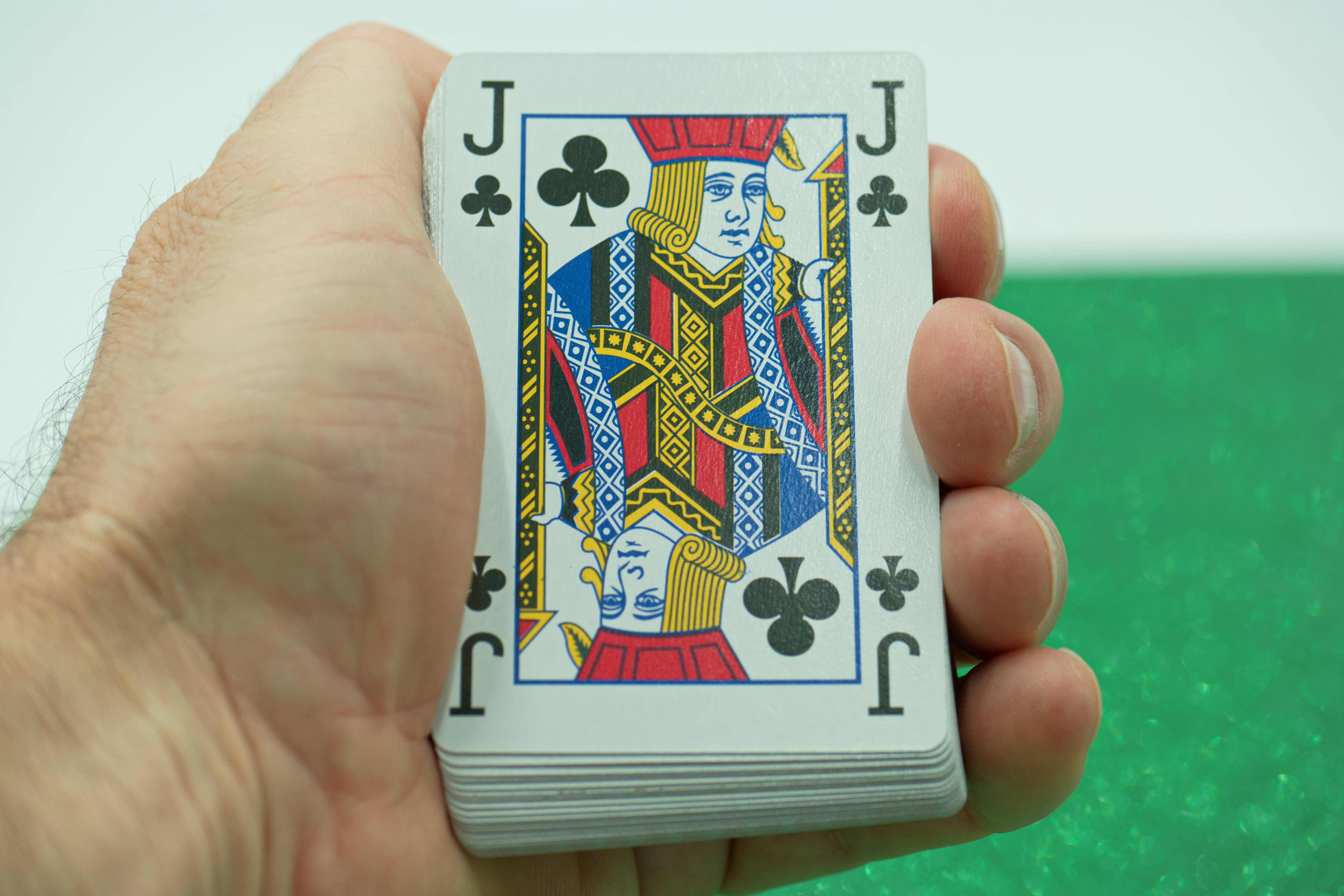
After exploring the rich history, essential gear, and the 25 mind-blowing card tricks revealed, it’s clear that card magic is both an art and a science. Whether you’re a beginner fascinated by self-working tricks like the Kings, Queens, Jacks, Aces or an aspiring pro mastering sleights like the Double Lift and Elmsley Count, the journey is as rewarding as the performance.
Our deep dive into decks like Bicycle Standard Rider Backs, Theory11 Monarchs, and the Invisible Deck shows that the right tools can elevate your magic from amateur to professional. Each deck has its strengths: Bicycle offers reliability and affordability, Theory11 brings elegance and premium feel, and the Invisible Deck is a mentalism powerhouse.
Remember the question we left hanging: What is the most important part of a card trick? It’s presentation. The cards are just props; your storytelling, timing, and misdirection are what truly create the miracle. As Dai Vernon famously said, “The secret is in the performance, not the secret.”
So, are you ready to amaze your friends, family, or even strangers? With practice, patience, and the right guidance (hint: you’re already on the right path), you’ll soon be performing miracles that leave audiences wondering, “How did they do that?!”
Recommended Links
👉 Shop Recommended Card Decks and Magic Gear:
- Bicycle Standard Rider Backs: Amazon | Walmart | Bicycle Official Website
- Theory11 Monarchs: Amazon | Theory11 Official Website
- Invisible Deck: Amazon | Etsy
- Tally-Ho Circle Back: Amazon | Etsy
- Cartamundi Copag 310: Amazon | Walmart
- Magic Wallets (Card to Wallet): Amazon | Etsy
Recommended Books for Mastering Card Magic:
- The Royal Road to Card Magic by Jean Hugard and Frederick Braue: Amazon
- Expert Card Technique by Jean Hugard and Frederick Braue: Amazon
- Card College by Roberto Giobbi (Vol. 1): Amazon
FAQ: Your Burning Questions Answered
Are there any card tricks that use gimmicks or special equipment?
Absolutely! While many card tricks rely purely on sleight of hand and psychology, some use gimmicked decks or special props to create effects that are otherwise impossible. For example, the Invisible Deck is a specially prepared deck that allows you to reveal any named card instantly. Other gimmicks include double-backed cards, split decks, and trick wallets for vanishing or producing cards. However, relying solely on gimmicks can limit your versatility and may raise suspicion, so blending sleight of hand with gimmicks is often the best approach.
What are some advanced card tricks that require skill and practice?
Advanced card tricks often involve complex sleights like the Elmsley Count, Classic Pass, and Multiple Shift. Tricks such as Triumph (deck mixed face-up and face-down but magically corrected) or Out of This World (spectator sorts red and black cards blindfolded) require not only technical skill but also precise timing and misdirection. Mastery of these tricks can take months or years but leads to truly astonishing performances.
How do I practice card tricks to master them?
Practice is key! Here are some expert tips from Magic Trick™:
- Slow it down: Start by performing moves slowly and deliberately.
- Use a mirror and camera: Watching yourself helps identify unnatural movements.
- Practice in short sessions: Avoid fatigue; 15-20 minutes daily is better than hours once a week.
- Focus on angles: Practice in front of friends or family to understand what angles reveal your secret.
- Record performances: Review and adjust based on audience reactions.
What are some easy card tricks for beginners to learn?
Self-working tricks like the 21 Card Trick, Kings, Queens, Jacks, Aces, and Mismag822’s Self-Working Trick are perfect for beginners. They require minimal sleight of hand and rely on mathematical principles or clever setups. These tricks build confidence and provide a foundation to learn more complex techniques.
Can anyone learn to do card tricks, or is it a special talent?
Anyone can learn card magic! While natural dexterity helps, the most important qualities are patience, practice, and passion. Many professional magicians started with zero skill but became masters through dedication. Remember, magic is as much about performance and psychology as it is about technique.
What are the basic techniques used in card magic tricks?
Basic techniques include:
- Double Lift: Turning two cards as one.
- Palming: Concealing a card in your hand.
- Forcing: Making a spectator pick a predetermined card.
- False Shuffle: Giving the illusion of mixing cards while keeping order.
- Controls: Keeping a selected card in a known position.
Mastering these opens the door to hundreds of tricks.
How do magicians perform impossible card tricks?
Impossible card tricks combine sleight of hand, misdirection, psychological subtleties, and sometimes gimmicks. Magicians exploit human perception limits and attention focus to conceal their moves. For example, the Ambitious Card looks like a card jumps to the top, but it’s actually a clever use of the double lift and timing.
Can card tricks be performed online or virtually?
Yes! With the rise of virtual meetings, magicians have adapted card magic for the screen. Techniques include using webcams to control angles, digital deck apps, and audience interaction via chat. However, virtual magic requires additional practice to manage camera framing and audience scrutiny.
What materials do I need to practice card magic at home?
At minimum:
- A quality deck of cards (e.g., Bicycle Standard Rider Backs).
- A flat surface with good lighting.
- A mirror or smartphone camera for self-review.
- Patience and a notebook to track progress.
Optional but helpful:
- Magic books or online tutorials.
- A practice partner for feedback.
How do you perform a classic card force technique?
The Classic Force involves timing and subtle hand positioning to make a spectator pick the card you want. You spread the cards and guide their hand to the desired card with natural gestures. It requires practice to make it look effortless and fair.
What are common mistakes to avoid when learning card tricks?
- Rushing: Speed doesn’t hide secrets; it exposes them.
- Overcomplicating: Start simple and build complexity gradually.
- Ignoring angles: Perform moves where the audience can’t see the mechanics.
- Poor patter: A trick without engaging storytelling falls flat.
- Neglecting practice: Inconsistent practice leads to sloppy performances.
Reference Links
- Bicycle Playing Cards Official Site
- Theory11 Official Website
- Invisible Deck on Amazon
- Cartamundi Official Website
- Mismag822 Card Trick – Card Tricks Revealed – YouTube
- Psychology of Magic – Nature Reviews Neuroscience
- Howcast: Kings, Queens, Jacks, Aces Card Trick Tutorial
- EvanEraTV YouTube Channel
Ready to start your magical journey? Remember, every great magician was once a beginner who dared to believe in the impossible. 🃏✨


