
Support our educational content for free when you purchase through links on our site. Learn more
🎩 15 Magic Tricks You Can Master at Home in 2026

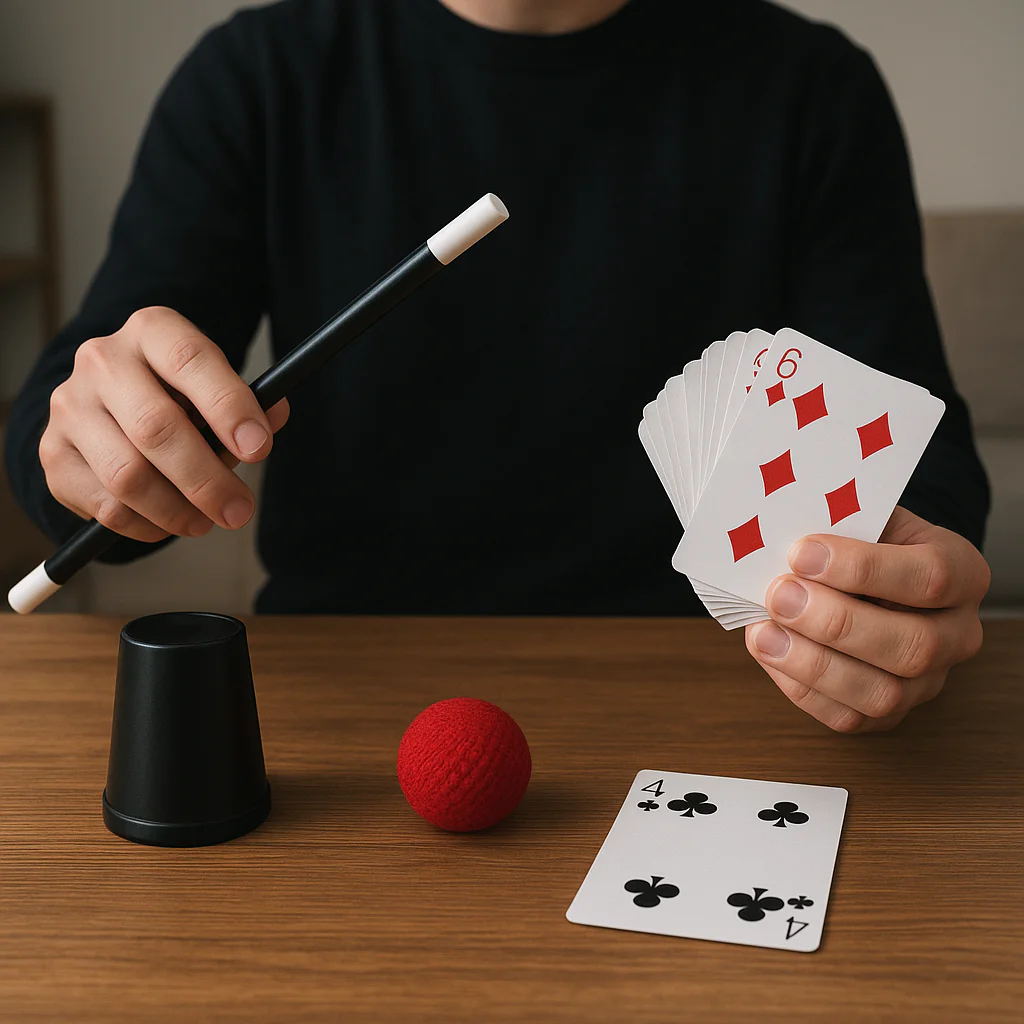
You can learn to perform 15 foolproof magic tricks in under an hour using nothing but items already in your kitchen drawer. The secret to answering how can I learn magic tricks quickly and easily at home isn’t about buying expensive gadgets; it’s about mastering the psychology of misdirection and practicing simple sleights in front of a mirror.
Forget the idea that magic requires years of grueling practice. We’ve all been there: staring at a YouTube video, trying to make a coin vanish, only to end up looking like we dropped it on purpose. But here is the twist: the most magical moments often come from the simplest methods. Did you know the “Cups and Balls” trick, one of the oldest in history, dates back to ancient Egypt and required no special equipment?
Today, you don’t need a stage or a tuxedo. With a standard deck of cards, a few rubber bands, and a little bit of confidence, you can create wonder right in your living room. Whether you want to impress friends at a party or just have fun with your family, the barrier to entry has never been lower.
Key Takeaways
- Speed is possible: You can learn the method for 15 different tricks in under 60 minutes by focusing on simple, household props.
- No expensive gear needed: The best tools are often free items like coins, rubber bands, and a standard Bicycle deck of cards.
- Practice makes perfect (not just repetition): Use a mirror to perfect your angles and learn to sell the illusion with your personality, not just your hands.
- Master the mindset: Success relies on misdirection and confidence rather than superhuman dexterity.
Table of Contents
- ⚡️ Quick Tips and Facts
- 📜 The Secret History of Home Magic: From Court Jesters to Your Living Room
- 🧠 Mastering the Mindset: How to Learn Magic Tricks Quickly and Easily at Home
- 🛠️ The Essential Home Magician’s Toolkit: What You Actually Need
- 🎓 15 Foolproof Magic Tricks You Can Master in Under an Hour
- 1. The Impossible Card Force
- 2. The Vanishing Coin
- 3. The Self-Shuffling Deck
- 4. The Levitating Paperclip
- 5. The Mind-Reading Prediction
- 6. The Rubber Band Jump
- 7. The Pen Through Table
- 8. The Invisible Thread Illusion
- 9. The Color-Changing Card
- 10. The Floating Ball
- 1. The Disappearing Water
- 12. The Mental Math Miracle
- 13. The Elastic Ring Link
- 14. The Teleporting Object
- 15. The Unbreakable String
- 🎭 Performance Psychology: Selling the Illusion Without Saying a Word
- 🚫 Common Beginner Mistakes That Ruin Even the Best Tricks
- 📚 Top Resources for Aspiring Magicians: Books, Apps, and Online Courses
- 🏆 Recommended Links: Where to Buy Quality Gimmicks and Props
- ❓ FAQ: Your Burning Questions About Learning Magic at Home Answered
- 🔗 Reference Links: The Magic Community’s Best Sources
- 🎩 Conclusion: Your Journey from Amateur to Illusionist Starts Now
⚡️ Quick Tips and Facts
Before we dive into the deep end of the pool, let’s float on the surface for a moment. You want to learn magic quickly and easily? We get it. We’ve all been there, staring at a deck of cards wondering why our fingers feel like sausages. But here’s the secret that the pros won’t always tell you: Magic isn’t about having superhuman dexterity; it’s about misdirection and psychology.
According to the legendary Harry Houdini, who started his career in a small town just like many of you, “Magic is the art of making the impossible seem possible.” But how do you get there without spending years in a dungeon practicing?
- The 10-Minute Rule: You can learn a solid, foolproof trick in under 10 minutes if you focus on one method. Don’t try to learn three tricks at once.
- Mirror, Mirror: The best teacher is a mirror. If you can’t see the secret move in the mirror, your audience won’t see it either.
- Household Heroes: You don’t need a $50 kit. A rubber band, a coin, and a deck of cards are your best friends. As noted in the “first YouTube video” perspective, tricks like the Appearing Coin or the Card Change rely on simple mechanics like double-stick tape or prepared cards found in any kitchen drawer.
- Practice Makes Perfect (But Not Perfection): You don’t need to be perfect; you need to be convincing. A slight stumble can be covered up with a joke.
“The secret is actually holding it in this odd kind of grip here,” explains one of the tutorials we analyzed. It’s not about strength; it’s about the angle.
If you’re wondering, “What is an easy magic trick?” that actually works, check out our deep dive on What is a easy magic trick? to get the foundational mindset right before you start.
📜 The Secret History of Home Magic: From Court Jesters to Your Living Room
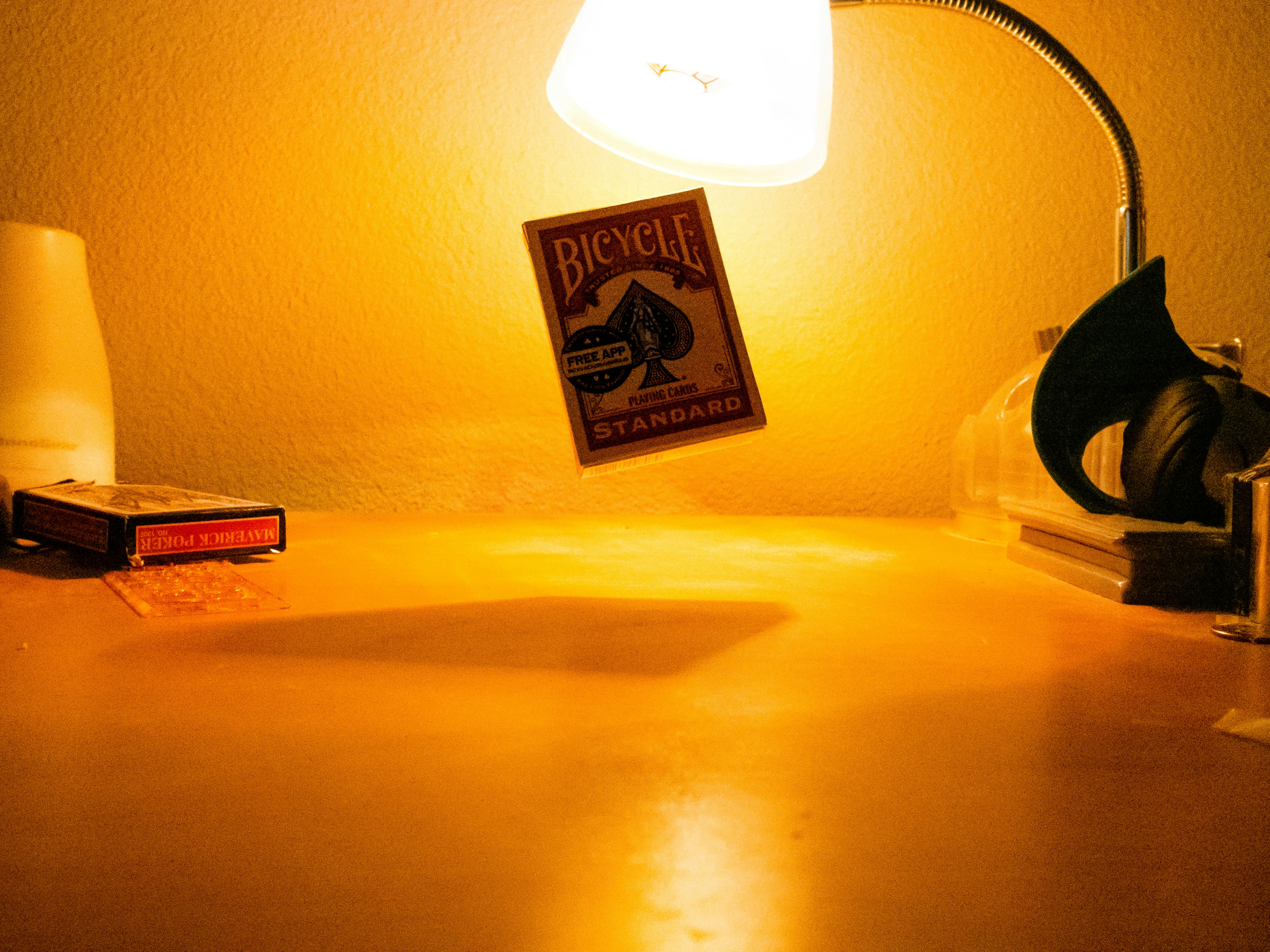
You might think magic is a modern invention born from YouTube algorithms, but the roots of home magic run deep. Long before the internet, magicians were the original content creators, performing in taverns and royal courts.
The Evolution of the Amateur Magician
In the 16th century, magic was often performed by traveling merchants and street performers. They used simple props: cups, balls, and ropes. The “Cups and Balls” trick, one of the oldest known magic tricks, dates back to ancient Egypt and Greece. It required no special gimmicks, just skill and misdirection.
Fast forward to the 19th century, and magic became a parlor game. Families would gather around the fireplace, and the “amateur magician” (usually the uncle with a deck of cards) would perform. This era birthed the concept of close-up magic, where the audience is inches away from the action.
Did you know? The term “sleight of hand” comes from the Old Norse word slægt, meaning “skill” or “dexterity.” It wasn’t about magic; it was about manual skill.
Today, the barrier to entry has never been lower. As the AboutMagic channel highlights, you can learn tricks using items “already found around the house.” This democratization of magic is a direct lineage from the street performers of old to the kids learning on their iPads today.
For more on how magic evolved from street performance to the digital age, explore our Magic History category.
🧠 Mastering the Mindset: How to Learn Magic Tricks Quickly and Easily at Home
So, you want to learn magic quickly. But here’s the catch: Speed without foundation is a recipe for disaster. If you rush, you’ll miss the subtle nuances that make a trick magical.
The Psychology of the Spectator
Before you even touch a prop, you need to understand how people think.
- Attention is Finite: People can only focus one thing at a time. If you tell them to watch your left hand, their brain ignores your right hand. This is misdirection.
- Expectation vs. Reality: Magic works because it violates our expectations. If we expect a coin to be in our hand, and it’s not, our brains scramble to find an explanation. That scramble is where the magic lives.
The “Learn, Practice, Perform” Cycle
Many beginners get stuck in the “Learn” phase. They watch a tutorial, try it once, fail, and quit.
- Learn: Watch the tutorial. Understand the method.
- Practice: Do it in front of a mirror. Do it until you can do it with your eyes closed.
- Perform: Do it for a friend. Even if you mess up, perform.
“Remember that anything is possible as long as you stay positive, work hard,” says Evan Era in his popular tutorial. It’s not just a platitude; it’s the magic mindset.
Why “Quick” is Relative
You can learn the method of a trick in 5 minutes. But to make it magical, you need to practice the presentation. A trick performed with confidence and a smile is 10x more powerful than a trick performed with hesitation.
🛠️ The Essential Home Magician’s Toolkit: What You Actually Need
Do you need a magic kit? Absolutely not. In fact, most professional magicians advise against them because they often contain cheap gimmicks that break easily.
The “Kitchen Drawer” Kit
Here is what you actually need to start performing close-up magic today:
| Item | Purpose | Why It’s Essential |
|---|---|---|
| Standard Deck of Cards | Card tricks, predictions, forces | The most versatile prop in magic. Get a Bicycle deck; they are the gold standard. |
| Coins (Quarters, Pennies) | Vanishes, transpositions, penetrations | Coins are always available and relatable. |
| Ruber Bands | Visual illusions, jumps, transformations | Inexpensive and effective for visual magic. |
| String/Yarn | Rope tricks, penetration illusions | Great for visual effects that look impossible. |
| Double-Stick Tape | Secret attachments, vanishes | The “gimmick” for many household tricks. |
| A Mirror | Practice tool | The only tool you need to perfect your angles. |
Recommended Brands
While you don’t need expensive gear, quality matters.
- Bicycle Cards: The industry standard. They shuffle well and last longer.
- USPCC (United States Playing Card Company): The manufacturer of Bicycle cards.
- Tactile Magic: For high-quality rubber bands and coins.
👉 Shop Bicycle Cards on:
👉 Shop Magic Coins on:
🎓 15 Foolproof Magic Tricks You Can Master in Under an Hour
Ready to blow some minds? We’ve compiled a list of 15 magic tricks that require minimal setup and can be learned in under an hour. These are perfect for beginners and kids, just like the tricks featured in the AboutMagic and Evan Era tutorials.
1. The Impossible Card Force
Difficulty: ⭐ | Time: 5 mins
This is the classic “mind-reading” trick. You ask a spectator to pick a card, and you magically know what it is.
- The Secret: It’s a force. You subtly guide them to pick the card you want.
- How to Do It: Use the “Hindu Shuffle Force” or the “Riffle Force.”
- Pro Tip: Practice the force until it looks like a natural shuffle.
2. The Vanishing Coin
Difficulty: ⭐ | Time: 10 mins
Make a coin disappear from your hand and reappear in a cup.
- The Secret: As mentioned in the “first YouTube video,” use double-stick tape inside the cup. When you turn the cup upside down, the coin sticks to the tape, making it look like it vanished from your hand.
- How to Do It: Place the taped coin inside the cup. Show the coin in your hand. Pretend to put it in the cup, but actually drop it into your lap (or use a “French Drop” sleight). Turn the cup over, and the coin is “gone.” Reveal it stuck to the bottom of the cup.
3. The Self-Shuffling Deck
Difficulty: ⭐ | Time: 15 mins
A deck of cards shuffles itself!
- The Secret: A gimmicked deck or a simple stacked deck.
- How to Do It: Use a “Toss and Turn” method where you secretly control the order of the cards.
4. The Levitating Paperclip
Difficulty: ⭐ | Time: 10 mins
Make a paperclip float in mid-air.
- The Secret: Invisible thread or a magnet.
- How to Do It: Attach a tiny piece of thread to the paperclip and your finger. Move your finger slowly to make it look like it’s floating.
5. The Mind-Reading Prediction
Difficulty: ⭐ | Time: 20 mins
Predict a number or word the spectator will choose.
- The Secret: Forcing a specific number or using a billet switch.
- How to Do It: Write a prediction on a piece of paper and seal it in an envelope. Force the spectator to pick that number.
6. The Rubber Band Jump
Difficulty: ⭐ | Time: 5 mins
A rubber band jumps from two fingers to two other fingers.
- The Secret: A simple finger twist.
- How to Do It: Loop the band around your index and middle fingers. Twist it and release. It will jump to your ring and pinky fingers.
7. The Pen Through Table
Difficulty: ⭐ | Time: 15 mins
Push a pen through a solid table.
- The Secret: A gimmicked pen or a hole in the table (if you’re at home).
- How to Do It: Use a pen with a retractable tip that looks like it’s going through the table.
8. The Invisible Thread Illusion
Difficulty: ⭐ | Time: 20 mins
Make an object float and move on its own.
- The Secret: Invisible thread attached to your clothing.
- How to Do It: Attach the thread to a small object and your shirt. Move your body to make the object move.
9. The Color-Changing Card
Difficulty: ⭐ | Time: 10 mins
A card changes color instantly.
- The Secret: A double-faced card or a palmed card.
- How to Do It: Use a gimmicked card that has two different faces.
10. The Floating Ball
Difficulty: ⭐ | Time: 15 mins
Make a ball float in your hand.
- The Secret: Invisible thread or a magnet.
- How to Do It: Attach the thread to the ball and your finger. Move your finger to make the ball float.
1. The Disappearing Water
Difficulty: ⭐ | Time: 10 mins
Make water disappear from a glass.
- The Secret: A sponge or absorbent material hidden in the glass.
- How to Do It: Pour the water into the sponge, then show the empty glass.
12. The Mental Math Miracle
Difficulty: ⭐ | Time: 15 mins
Guess a number the spectator is thinking of.
- The Secret: A mathematical force.
- How to Do It: Ask the spectator to do a series of math operations. The result is always the same number.
13. The Elastic Ring Link
Difficulty: ⭐ | Time: 15 mins
Link two rings together without breaking them.
- The Secret: A gimmicked ring or a secret move.
- How to Do It: Use a ring with a hidden opening.
14. The Teleporting Object
Difficulty: ⭐ | Time: 20 mins
Make an object move from one place to another.
- The Secret: Misdirection and palming.
- How to Do It: Secretly move the object while the audience is distracted.
15. The Unbreakable String
Difficulty: ⭐ | Time: 10 mins
Cut a string and restore it instantly.
- The Secret: A gimmicked string or a secret knot.
- How to Do It: Use a string with a hidden knot that can be untied and retied.
For more detailed tutorials on these tricks, check out our Card Tricks and Coin Tricks categories.
🎭 Performance Psychology: Selling the Illusion Without Saying a Word
You can have the best trick in the world, but if you can’t sell it, it’s just a puzzle. Magic is 50% method and 50% performance.
The Power of Patter
Patter is the story you tell while performing the trick. It’s not just about the words; it’s about the tone, pace, and emotion.
- Build Tension: Don’t rush. Let the audience anticipate the magic.
- Create a Character: Are you a mysterious wizard? A quirky friend? A serious scientist? Pick a persona and stick to it.
Misdirection: The Art of Distraction
Misdirection is the core of magic. It’s not about hiding the secret; it’s about directing attention away from it.
- Eye Contact: Look at the spectator’s eyes, not your hands.
- Gestures: Use your free hand to draw attention away from the secret move.
- Verbal Cues: Ask a question or make a joke to shift focus.
“The secret is actually holding it in this odd kind of grip here,” as mentioned in the tutorial. But the real secret is where you look while holding it.
Handling Mistakes
Everyone makes mistakes. The key is to recover gracefully.
- Laugh it off: If you mess up, laugh and say, “Oops, that’s not how it’s supposed to work!”
- Cover it up: Use a joke or a story to distract from the error.
- Keep going: Don’t stop. The audience will forget the mistake if you keep performing.
🚫 Common Beginner Mistakes That Ruin Even the Best Tricks
Even the best tricks can fail if you make these common mistakes. Let’s avoid them.
1. Over-Practicing in Front of a Mirror
While mirrors are great, don’t practice in front of a mirror for too long. You need to practice in front of a real audience to get used to their reactions.
2. Revealing the Secret Too Early
Don’t explain the trick before you perform it. The magic is in the mystery.
3. Performing for the Wrong Audience
Don’t perform a complex trick for a group of skeptics. Start with friends and family who are supportive.
4. Ignoring the Angles
Magic is all about angles. If you perform from the wrong angle, the secret will be revealed. Always check your angles in a mirror.
5. Rushing the Performance
Don’t rush. Take your time. Let the magic sink in.
📚 Top Resources for Aspiring Magicians: Books, Apps, and Online Courses
Want to take your magic to the next level? Here are the best resources for learning magic at home.
Books
- “The Royal Road to Card Magic” by Jean Hugard and Frederick Braue: The bible of card magic.
- “Mark Wilson’s Complete Course in Magic” by Mark Wilson: A comprehensive guide to all types of magic.
- “13 Steps to Mentalism” by Tony Corinda: The definitive guide to mentalism.
Apps
- Magic Tricks by Evan Era: A great app for learning tricks on the go.
- Card Tricks by Magic Tricks: A collection of card tricks with video tutorials.
Online Courses
- AboutMagic (YouTube): Free tutorials for beginners.
- Evan Era (YouTube): Simple tricks using household items.
- Vanishing Inc. Magic: Premium courses for advanced magicians.
👉 Shop Magic Books on:
🏆 Recommended Links: Where to Buy Quality Gimmicks and Props
If you’re ready to upgrade your toolkit, here are the best places to buy quality gimmicks and props.
Essential Gimmicks
- Double-Stick Tape: For vanishes and attachments.
- Invisible Thread: For floating illusions.
- Gimmicked Cards: For card tricks.
- Magnetic Coins: For coin tricks.
👉 Shop Magic Gimmicks on:
Recommended Brands
- Penguin Magic: High-quality gimmicks and tutorials.
- Ellusionist: Premium playing cards and gimmicks.
- Tactile Magic: Great for coins and rubber bands.
👉 Shop Ellusionist on:
❓ FAQ: Your Burning Questions About Learning Magic at Home Answered

What are the easiest magic tricks to learn for beginners at home?
The easiest tricks are those that use household items and require minimal sleight of hand. Examples include the Ruber Band Jump, the Vanishing Coin (using tape), and the Card Change (using a double-faced card). As the AboutMagic channel suggests, these tricks can be mastered in minutes.
Read more about “10 Easy Magic Tricks for Beginners to Wow Anyone (2026) 🎩”
How long does it take to learn a simple magic trick?
It depends on the trick. A simple trick like the Ruber Band Jump can be learned in 5 minutes. A more complex trick like the Card Force might take 30 minutes to master. The key is practice.
Read more about “🎩 5 Secrets to Master Close-Up Magic Performance (2026)”
Where can I find free magic trick tutorials online?
There are many free resources online. YouTube is the best place to start. Channels like AboutMagic, Evan Era, and 52Kards offer excellent tutorials. You can also check out our Close-up Magic category for more free content.
Read more about “🎩 50+ Magic Tricks to Master: From Beginner Vanishes to Pro Illusions (2026)”
What props do I need to start learning magic tricks at home?
You don’t need much! A deck of cards, coins, ruber bands, string, and double-stick tape are all you need to start. As the first YouTube video emphasizes, “Most of the materials for these magic tricks should already be around the house.”
Read more about “🪄 10 Tech-Enhanced Magic Props That Defy Logic (2026)”
Can I learn magic without a teacher?
Yes! With the abundance of online resources, you can learn magic on your own. However, having a mentor or joining a magic club can speed up your learning process.
How do I perform magic for an audience?
Start with friends and family. Practice in front of a mirror to perfect your angles. Remember to sell the trick with your patter and misdirection. Don’t be afraid to make mistakes; just recover gracefully.
Read more about “🪙 10 Coin Magic Tricks Tutorial: Master the Vanish (2026)”
What is the best way to practice magic?
Practice in front of a mirror to check your angles. Record yourself on video to see how you look. Perform for friends and family to get feedback. And most importantly, have fun!
Read more about “21 Mind-Blowing DIY Magic Tricks with Household Items 🪄”
🔗 Reference Links: The Magic Community’s Best Sources
For those who want to dive deeper, here are some reputable sources for verification and further learning.
- The Magic Circle: The world’s leading magic organization. Visit Website
- International Brotherhood of Magicians: A global community of magicians. Visit Website
- Vanishing Inc. Magic: A premier online magic shop and resource. Visit Website
- Penguin Magic: High-quality magic tutorials and gimmicks. Visit Website
- AboutMagic (YouTube): Free tutorials for beginners. Watch Video
- Evan Era (YouTube): Simple tricks using household items. Watch Video
- Wayne Magician (YouTube): Easy magic and balloon animals. Watch Video
For more on the 1 Magic Tricks You Can Do Now! tutorial, check out the full video here: 1 Magic Tricks You Can Do Now! – YouTube.
🎩 Conclusion: Your Journey from Amateur to Illusionist Starts Now
So, there you have it. You’ve learned that magic isn’t about having superhuman powers; it’s about practice, psychology, and a little bit of misdirection. You’ve discovered that you don’t need expensive gimmicks to perform amazing tricks. All you need is a deck of cards, a coin, and a willingness to learn.
Remember the words of Evan Era: “Remember that anything is possible as long as you stay positive, work hard, and Laugh@Life my friends!” Magic is a journey, not a destination. Every time you perform a trick, you’re not just fooling your audience; you’re creating a moment of wonder.
Start small. Practice the Ruber Band Jump or the Vanishing Coin. Master the Card Force. And then, when you’re ready, perform for your friends and family. Watch their faces light up with amazement. That’s the real magic.
“You can do this anywhere, anytime,” as the first YouTube video reminds us. So, what are you waiting for? Grab a deck of cards, find a mirror, and start your journey today.
Ready to take the next step?
- 👉 Shop Magic Cards on: Amazon | Walmart | Bicycle Official
- 👉 Shop Magic Coins on: Amazon | Etsy | Tactile Magic Official
- 👉 Shop Magic Gimmicks on: Amazon | Etsy | Penguin Magic Official
Recommended Books:
- “The Royal Road to Card Magic” by Jean Hugard and Frederick Braue: Amazon
- “Mark Wilson’s Complete Course in Magic” by Mark Wilson: Amazon
- “13 Steps to Mentalism” by Tony Corinda: Amazon
Recommended Videos:
- 1 Magic Tricks You Can Do Now! – YouTube: Watch Video
- How to Learn Magic Tricks Quickly and Easily at Home (AboutMagic): Watch Video
- How to Learn Magic Tricks Quickly and Easily at Home (Evan Era): Watch Video
Now, go forth and amaze! 🎩✨


