Support our educational content for free when you purchase through links on our site. Learn more
🃏 What Is the Most Common Magic Trick? (2026)


You’ve seen it a thousand times: a card jumps to the top, a coin vanishes into thin air, or a rabbit pops out of a hat. But if you asked a room full of professional magicians, “What is the most common magic trick?” you wouldn’t get a single answer. While the Rabbit from a Hat is the most recognized image of magic, the Ambitious Card is the undisputed king of actual performance. In this deep dive, we’re peeling back the curtain on the tricks that have defined the art form for centuries, from the ancient Cups and Balls to the modern Invisible Deck. We’ll reveal why these specific effects dominate the stage, how to perform them without a gimmick, and the surprising psychology that makes them so impossible to explain. By the end, you’ll know exactly which trick to learn first to amaze your friends—and why the “simplest” move is often the hardest to master.
Key Takeaways
- The Real Champion: While the Rabbit from a Hat is the cultural icon, the Ambitious Card is the most frequently performed trick in the world of close-up magic.
- History Matters: The Cups and Balls remains the oldest continuously performed trick, dating back to Ancient Egypt, serving as the foundation for modern sleight of hand.
- Skill Over Props: The most common tricks rely on misdirection and dexterity rather than expensive gadgets, making them accessible to anyone with a deck of cards or a coin.
- Mastering the Basics: Learning the French Drop and Classic Force is essential for any beginner, as these techniques form the backbone of almost every magic routine.
- Why They Endure: These tricks survive because they exploit human psychology, creating a sense of wonder that technology and new effects struggle to replicate.
Table of Contents
- ⚡️ Quick Tips and Facts
- 📜 The History of Illusion: How the Card Trick Became King
- 🃏 The Ultimate Answer: What is the Most Common Magic Trick?
- 🏆 The Five Most Iconic Magic Tricks of All Time
- 🧠 Why Do We Love the Same Tricks Over and Over?
- 🛠️ Essential Props for Beginners: From Bicycle Decks to Silk Handkerchiefs
- 🎭 Stage Magic vs. Close-Up: Where the Most Common Tricks Shine
- 🚫 Common Mistakes Beginners Make When Performing Popular Tricks
- 💡 How to Master the Most Common Magic Tricks Like a Pro
- 🔮 Future Trends: Will New Tricks Replace the Classics?
- 🏁 Conclusion
- 🔗 Recommended Links
- ❓ FAQ: Your Burning Questions About Common Magic Tricks Answered
- 📚 Reference Links
⚡️ Quick Tips and Facts
Before we dive into the rabbit hole (pun intended) of magic history, let’s get the lowdown on what actually makes a trick “common.” Is it the one you see on TikTok? The one your uncle does at Thanksgiving? Or the one that has been performed since the days of ancient Egypt?
Here are the hard truths from the Magic Trick™ team:
- The “Rabbit” Paradox: While pulling a rabbit from a hat is the most recognized image of a magician, it is surprisingly rarely performed in live shows today. Why? Because rabbits are messy, unpredictable, and frankly, hard to manage on stage! 🐇❌
- The Real King: If you asked a room full of magicians, “What is the most common trick you perform?”, the answer isn’t a grand illusion. It’s the Ambitious Card or the French Drop. These are the workhorses of the magic world. 🃏✅
- Sleight of Hand is King: The most common tricks rely on misdirection and dexterity, not expensive props. A deck of cards and a pair of hands are all you need to start.
- The “Gimmick” Myth: Many common tricks use gimmicks (special props), but the best magicians can perform them with ordinary objects found in your pocket.
- Learning Curve: You can learn the basics of the most common tricks in an afternoon, but mastering them to fool a professional takes years of practice.
Pro Tip: If you want to start your journey, check out our comprehensive guide on How to Learn Magic Tricks: 21 Secrets to Amaze in 2026 ✨. We break down exactly how to go from “clumsy beginner” to “mystery maker.”
📜 The History of Illusion: How the Card Trick Became King
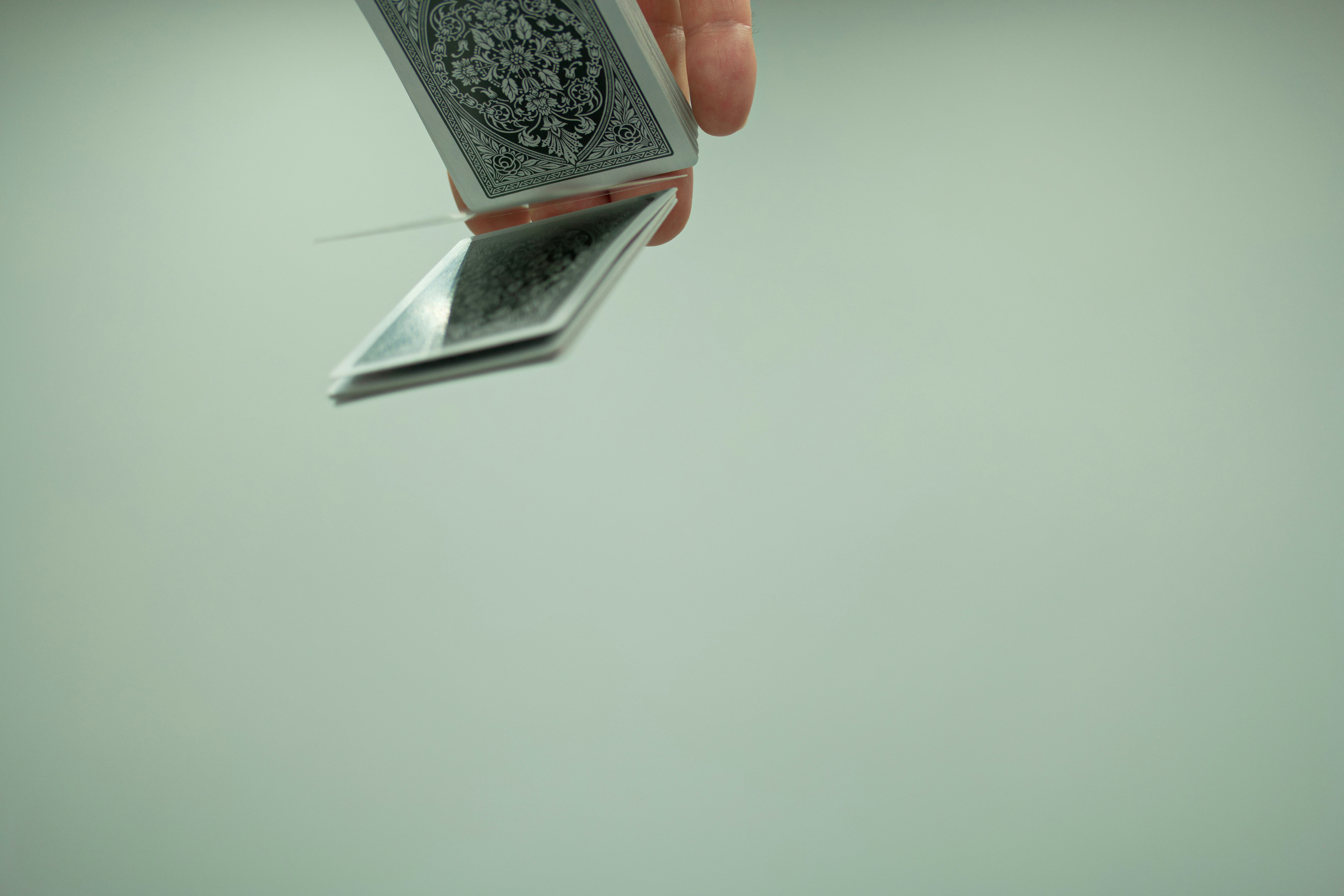
To understand what is the most common magic trick, we have to travel back in time. Magic isn’t just about modern stage shows; it’s a language that has evolved over millennia.
From Ancient Egypt to the Victorian Parlor
The earliest recorded magic tricks date back to Ancient Egypt around 2500 BC. The story of Djedi, a priest who could reattach a severed goose’s head, is one of the first written accounts of magic. But back then, magic was often tied to religion and ritual.
Fast forward to the 19th century, and the Victorian era changed everything. Magicians like Jean Eugène Robert-Houdin (often called the “Father of Modern Magic”) moved magic from the streets and temples into elegant parlors. He introduced the clockwork automata and refined the art of sleight of hand.
“The classic tricks in magic go back hundreds, sometimes thousands, of years and each has an interesting story behind it.” — Magic Orp Productions
The Rise of the Card
Why did cards become the dominant prop?
- Portability: You can carry a deck of cards anywhere.
- Relatability: Everyone knows what a card is.
- Versatility: Cards can be shuffled, cut, dealt, and manipulated in infinite ways.
By the 1900s, the Bicycle Rider Back deck became the gold standard. Why? Because it was affordable, durable, and had a consistent design that made card forcing and shuffling easier to learn.
The Evolution of the “Common” Trick
In the early days, the Cups and Balls was the undisputed king. It was the test of a magician’s skill. If you could master the Cups and Balls, you could do anything.
However, as magic moved into the close-up era (think David Blaine and street magic), the Ambitious Card and Coin Vanishes took the throne. These tricks required no stage, no assistant, and no massive audience. They were intimate, personal, and impossible.
🃏 The Ultimate Answer: What is the Most Common Magic Trick?
So, we’ve asked the question a thousand times: What is the most common magic trick?
The answer depends on how you define “common.”
1. The Most Recognized Trick: Rabbit from a Hat 🐰
If you ask a child (or a non-magician) to name a magic trick, 99% will say “pulling a rabbit from a hat.” It’s the cultural icon of magic.
- Status: High recognition, low performance frequency.
- Why? It requires a live animal, a large hat, and a lot of setup. It’s a stage illusion, not a close-up trick.
2. The Most Performed Trick: The Ambitious Card 🃏
If you walk into a room of 100 magicians and ask them what they perform most, the Ambitious Card wins hands down.
- Status: The ultimate close-up staple.
- Why? It’s simple, effective, and works with any deck of cards. A signed card keeps rising to the top, defying gravity and logic.
- Quote: “I don’t know of a single magician who hasn’t at sometime had a go with the Ambitious Card plot.” — Alan Hudson
3. The Oldest and Most Fundamental: Cups and Balls 🥣
Historically, the Cups and Balls is the most common trick in terms of longevity. It has been performed for over 2,000 years.
- Status: The “Holy Grail” of sleight of hand.
- Why? It teaches the fundamentals of misdirection, palming, and audience management.
The Verdict
While the Rabbit from a Hat is the most imagined trick, the Ambitious Card is the most performed trick in the modern era. It is the bread and butter of the close-up magician.
Wait, is there a trick even more common than the Ambitious Card?
Some argue that the French Drop (a simple coin vanish) is performed more often because it’s the foundation of almost every coin routine. But as a standalone “effect,” the Ambitious Card takes the crown.
🏆 The Five Most Iconic Magic Tricks of All Time
While the Ambitious Card is the most common, these five tricks are the most iconic. They define the art form and have inspired generations of magicians.
1. The Ambitious Card: A Classic That Never Dies
The Effect: A spectator signs a card. The magician places it in the middle of the deck. With a snap of the fingers, the card jumps to the top. This happens multiple times, often with different cards.
Why It’s Iconic:
- Simplicity: It requires no gimmicks (if done right).
- Impact: It creates a sense of impossibility that is hard to explain.
- Variations: From the classic “rise to the top” to the “teleportation” version where the card moves to the bottom or the middle.
The Secret: It’s all about false shuffles and double lifts. The magician never actually puts the card in the middle; they use a force or a stack to control the card.
Fun Fact: The Ambitious Card plot dates back to the 17th century, but it was popularized by Dai Vernon (The Professor) in the 20th century.
2. The French Drop: The Foundation of Sleight of Hand
The Effect: The magician holds a small object (coin, ring, ball) in one hand. They pretend to transfer it to the other hand, but the object stays in the first hand. The “empty” hand is shown, and the object has vanished.
Why It’s Iconic:
- Versatility: Used in thousands of routines.
- Stealth: It’s so subtle that even experienced magicians can miss it.
- Foundation: It’s the first trick every beginner learns.
The Secret: The misdirection is key. The magician looks at the receiving hand, and the audience follows. The object is palmed in the original hand.
3. Cups and Balls: The Oldest Trick in the Book
The Effect: Three cups and three balls. The balls appear, disappear, multiply, and penetrate the cups.
Why It’s Iconic:
- History: Found in Egyptian tombs and Roman texts.
- Skill: It requires perfect timing and dexterity.
- Evolution: From simple wooden cups to modern metal sets with magnetic balls.
The Secret: It’s a combination of sleight of hand, gimmicks (like the shell and load), and misdirection.
4. The Invisible Deck: The Ultimate Mind-Reading Feat
The Effect: A spectator names any card. The magician reveals a deck where every card is the opposite of the named card (e.g., if they say “Ace of Spades,” the deck is all red cards except for the Ace of Spades).
Why It’s Iconic:
- Mystery: It feels like mind reading.
- Portability: It fits in a pocket.
- Impact: It’s a “kicker” ending that leaves the audience speechless.
The Secret: The deck is gimmicked. One half of the deck is reversed, and the other half is normal. The magician uses a force to make the spectator “choose” the card they want.
5. The Classic Force: Controlling the Uncontrollable
The Effect: The magician asks a spectator to “pick any card.” No matter what they pick, it’s always the card the magician wanted them to pick.
Why It’s Iconic:
- Psychology: It exploits the illusion of free will.
- Utility: It’s used in almost every card trick.
- Power: It gives the magician total control over the outcome.
The Secret: The magician uses a force technique (like the riffle force or slip force) to ensure the spectator picks the pre-determined card.
🧠 Why Do We Love the Same Tricks Over and Over?
You might wonder: Why do magicians keep performing the same tricks? Why not invent something new every day?
The Psychology of Wonder
Humans are wired to seek patterns. When we see a pattern, we feel safe. When that pattern is broken (like a card jumping to the top), we feel wonder. The Ambitious Card works because it breaks the pattern of “cards stay where you put them.”
The Comfort of the Familiar
Just like we love re-watching our favorite movies, magicians love performing tricks that work. The Cups and Balls has been refined over centuries. It’s a proven formula for creating magic.
The Challenge of Mastery
Performing a common trick is easy. Mastering it is hard. The French Drop is simple, but doing it so smoothly that no one notices takes years of practice. Magicians love the challenge of perfecting the basics.
Quote: “Magic, like comedy and music, is subjective.” — Alan Hudson
🛠️ Essential Props for Beginners: From Bicycle Decks to Silk Handkerchiefs
Ready to start your magic journey? You don’t need a million-dollar budget. Here are the essential props you need to perform the most common tricks.
1. The Perfect Deck of Cards
Not all decks are created equal. For beginners, we recommend:
- Bicycle Rider Back: The gold standard. Durable, smooth, and affordable.
- Bicycle Gold: A premium version with a gold finish.
- Ellusionist: Known for high-quality, custom designs.
| Brand | Durability | Feel | Price Range | Best For |
|---|---|---|---|---|
| Bicycle | High | Smooth | $ | Beginners |
| Bicycle Gold | High | Premium | $$ | Intermediate |
| Ellusionist | Medium | Unique | $$ | Advanced |
| Tally-Ho | High | Stiff | $ | Professionals |
👉 CHECK PRICE on:
- Bicycle Rider Back: Amazon | Walmart | Bicycle Official
- Ellusionist Decks: Amazon | Ellusionist Official
2. The Magic Wand
A wand is more than a prop; it’s a symbol of authority.
- Wooden Wands: Classic, traditional.
- Metal Wands: Durable, modern.
- Gimmicked Wands: Some wands have hidden compartments for palming objects.
👉 CHECK PRICE on:
3. Silk Handkerchiefs
Perfect for vanishes, transformations, and color changes.
- Cotton Silks: Soft, easy to manipulate.
- Polyester Silks: Durable, vibrant colors.
👉 CHECK PRICE on:
4. The Cups and Balls Set
If you want to master the oldest trick, you need a good set.
- Wooden Sets: Traditional, warm feel.
- Metal Sets: Durable, modern look.
- Magnetic Sets: Easier for beginners to learn the basics.
👉 CHECK PRICE on:
🎭 Stage Magic vs. Close-Up: Where the Most Common Tricks Shine
The context matters. A trick that works on stage might fail in a close-up setting, and vice versa.
Stage Magic: The Grand Illusion
- Audience: Large crowds, far away.
- Props: Large, visible, often mechanical.
- Tricks: Sawing a Woman in Half, Levitation, Vanishing Elephant.
- Why? These tricks rely on scale and spectacle. They need to be seen from the back row.
Close-Up Magic: The Intimate Miracle
- Audience: Small groups, often 1-on-1.
- Props: Small, ordinary, often in the spectator’s hands.
- Tricks: Ambitious Card, French Drop, Cups and Balls.
- Why? These tricks rely on detail and psychology. The audience is right there, so the magic must be impossible to explain.
Did you know? The Ambitious Card is a close-up trick. If you try to perform it on stage, the audience won’t see the card jumping. It needs to be up close!
🚫 Common Mistakes Beginners Make When Performing Popular Tricks
Even the best magicians make mistakes. Here are the top pitfalls to avoid when performing the most common tricks.
1. The “Patter” Problem
Mistake: Not talking enough or talking too much.
Fix: Develop a patter (story) that fits the trick. For the Ambitious Card, tell a story about a “stubborn card” that refuses to stay in the middle.
2. The “Sleight” Slip
Mistake: Moving too fast or too slow.
Fix: Practice the timing of your moves. The French Drop must be smooth and natural. If you rush, the audience will see the secret.
3. The “Gimmick” Glitch
Mistake: Using a gimmick that is too obvious.
Fix: Choose high-quality gimmicks that are well-made. A cheap Invisible Deck might look suspicious.
4. The “Audience” Blindspot
Mistake: Not engaging the audience.
Fix: Make eye contact. Ask questions. Involve the spectator in the trick. Magic is a shared experience.
5. The “Rehearsal” Regret
Mistake: Performing a trick you haven’t practiced enough.
Fix: Practice in front of a mirror or record yourself. Watch your body language and hand movements.
💡 How to Master the Most Common Magic Tricks Like a Pro
So, you’ve got the props, you know the tricks, but how do you master them?
1. Practice, Practice, Practice
There’s no shortcut. The French Drop might look easy, but it takes hundreds of hours to perfect.
- Tip: Practice for 15 minutes every day. Consistency is key.
2. Study the Masters
Watch videos of David Blaine, Shin Lim, and Dai Vernon. See how they handle the Ambitious Card or the Cups and Balls.
- Tip: Don’t just watch the trick; watch their body language and patter.
3. Learn the Theory
Understand the principles behind the tricks. Why does the Classic Force work? How does misdirection function?
- Tip: Read books like “Royal Road to Card Magic” by Hugard and Braue.
4. Perform for Real People
Practice on friends, family, and strangers. The real test is performing in front of an audience.
- Tip: Start with small groups. Don’t be afraid to make mistakes.
5. Develop Your Own Style
Don’t just copy the masters. Add your own personality and humor to the tricks.
- Tip: If you’re funny, make the Ambitious Card a comedy routine. If you’re serious, make it a mystery.
🔮 Future Trends: Will New Tricks Replace the Classics?
As we look to the future, will the Ambitious Card and Cups and Balls be replaced by new, high-tech tricks?
The Rise of Digital Magic
With the rise of augmented reality and AI, new tricks are emerging. Magicians are using apps and holograms to create impossible effects.
- Example: Simon Pierro uses an iPad to create magic that looks like real life.
The Enduring Power of the Classics
Despite the new tech, the classics remain popular. Why? Because they are human. They rely on skill and psychology, not just technology.
- Quote: “You should check out their versions, if you get a chance, so you can see how classics grow and evolve.” — Magic Orp Productions
The Hybrid Future
The future of magic is likely a hybrid of old and new. Magicians will use traditional sleight of hand combined with digital effects to create even more impossible experiences.
Final Thought: No matter how advanced technology gets, the human element of magic will always be the most important. The most common magic trick will always be the one that makes the audience believe in the impossible.
🏁 Conclusion

We’ve journeyed through the history of magic, explored the most common tricks, and uncovered the secrets behind the Ambitious Card, French Drop, and Cups and Balls.
So, what is the most common magic trick?
- Culturally: The Rabbit from a Hat.
- Practically: The Ambitious Card.
- Historically: The Cups and Balls.
But the real answer is this: The most common magic trick is the one that makes you wonder. Whether it’s a card jumping to the top or a coin vanishing from your hand, the magic is in the experience.
Now, it’s your turn. Grab a deck of cards, practice the French Drop, and see if you can make the Ambitious Card rise to the top. Who knows? Maybe you’ll be the next magic legend.
Wait, did we answer your question?
We told you the most common trick, but we didn’t tell you how to perform it perfectly. That’s a story for another day. But don’t worry, we’ve got you covered with our step-by-step guides and video tutorials.
Stay magical, and keep practicing! ✨🎩
🏁 Conclusion
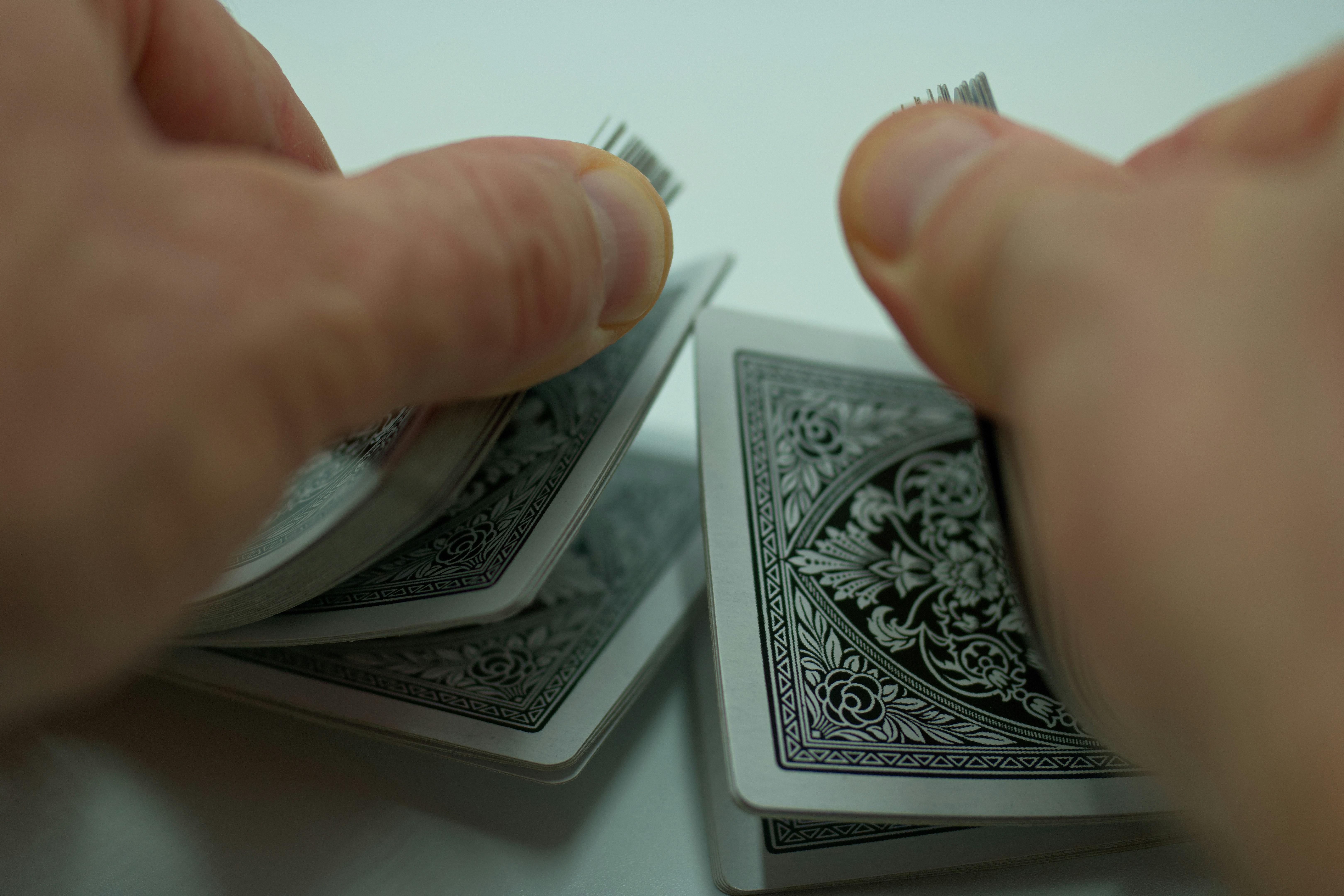
We’ve traveled from the ancient sands of Egypt to the neon-lit streets of modern-day magic, uncovering the secrets behind the most common magic trick. But before we hang up our top hats, let’s tie up those loose ends and answer the burning question we left hanging earlier: Can you really master the Ambitious Card in a single afternoon?
The short answer? You can learn the method in an afternoon. The long answer? Mastery takes a lifetime. The Ambitious Card is deceptively simple. Anyone can make a card jump to the top with a hidden gimmick or a clumsy double lift. But to make it look like pure magic—where the card seems to defy gravity on its own, moving with a life of its own—that requires the kind of dexterity and misdirection that only comes from thousands of hours of practice.
The Verdict: What Should You Perform?
If you are a beginner looking to impress friends at a party, the Ambitious Card is your best friend. It’s portable, requires no setup, and the effect is undeniable. If you are looking to dive deep into the history of the craft, the Cups and Balls is your ultimate challenge. It is the gym where magicians build their muscles.
Positives of the “Most Common” Tricks:
- ✅ Universal Appeal: Everyone understands a deck of cards or a coin.
- ✅ Portability: You can perform them anywhere, anytime.
- ✅ Scalability: They work for one person or a crowd of 50.
- ✅ Longevity: These tricks have survived centuries for a reason.
Negatives to Consider:
- ❌ Overexposure: Because they are common, audiences might have seen them before.
- ❌ High Skill Ceiling: The difference between a “good” and “great” performance is razor-thin.
- ❌ Skepticism: Audiences are more likely to suspect a trick if they’ve heard of it.
Our Confident Recommendation:
Don’t let the “common” label fool you. The Ambitious Card is not just a trick; it’s a rite of passage. We recommend starting with a high-quality Bicycle Rider Back deck and focusing on the Classic Force and the Double Lift. Once you can perform the Ambitious Card without a single “tell,” you will have unlocked the door to the world of close-up magic.
The Final Secret: The most powerful magic isn’t in the trick itself; it’s in the connection you build with the audience. A simple card trick performed with confidence and charisma will always beat a complex illusion performed with hesitation.
🔗 Recommended Links
Ready to take your magic to the next level? Here are the essential tools, books, and resources we recommend based on our team’s experience.
📚 Essential Books for Aspiring Magicians
- “Royal Road to Card Magic” by Hugard and Braue: The bible of card magic. If you only buy one book, make it this one. It covers everything from the basic shuffle to the Ambitious Card.
- Check Price on Amazon
- “The Expert at the Card Table” by S.W. Erdnase: A classic text on sleight of hand, though it requires patience to decode.
- Check Price on Amazon
- “Modern Coin Magic” by J.B. Bobo: The definitive guide to coin manipulation, including the French Drop.
- Check Price on Amazon
🎩 Essential Props & Gimmicks
- Bicycle Rider Back Playing Cards: The industry standard for card magic.
- 👉 Shop Bicycle Cards on: Amazon | Walmart | Bicycle Official
- Professional Cups and Balls Set (Wooden): Perfect for learning the oldest trick in the book.
- 👉 Shop Cups and Balls on: Amazon | Etsy
- Invisible Deck (Gimmicked): For the ultimate mind-reading effect.
- 👉 Shop Invisible Deck on: Amazon | Ellusionist Official
- Magic Silks (Assorted Colors): Essential for vanishes and transformations.
- 👉 Shop Magic Silks on: Amazon | Walmart
🎥 Video Tutorials & Courses
- Vanishing Inc. Magic: A premier online store offering video tutorials for the Ambitious Card and French Drop.
- Visit Vanishing Inc.
- Penguin Magic: A massive library of video downloads and live streams from top magicians.
- Visit Penguin Magic
❓ FAQ: Your Burning Questions About Common Magic Tricks Answered

What are some popular street magic tricks?
Street magic relies on impromptu effects that can be performed with everyday objects.
- The Coin Vanish (French Drop): Simple, effective, and requires no props.
- The Card Prediction: Using a force to make a spectator “choose” a card you already predicted.
- The Levitation: Often performed with a suspension device hidden under clothing.
- The Pen Through Glass: A classic illusion where a pen seems to pass through a solid glass.
Read more about “125 Mind-Blowing Magic Tricks You Must Master in 2026 ✨”
How do you practice magic tricks effectively?
- Mirror Practice: Watch your hands in a mirror to ensure your movements are natural.
- Record Yourself: Video recording helps you spot “tells” you might miss in the mirror.
- Slow Motion: Practice the move in slow motion to build muscle memory, then gradually increase speed.
- The “Three-Person” Rule: Practice on three different people before performing for an audience.
Read more about “50 Best Magic Tricks to Learn in 2026 🎩✨”
Can anyone learn to do magic tricks?
Yes! Magic is a skill, not a talent. While some people have better dexterity naturally, anyone can learn the Ambitious Card or French Drop with consistent practice. The key is patience and persistence.
Read more about “🪄 15 Advanced Magic Techniques to Master in 2026”
What is the history behind common magic tricks?
- Cups and Balls: Dates back to Ancient Egypt (2500 BC).
- Ambitious Card: Popularized in the 17th century, refined by Dai Vernon in the 20th.
- Rabbit from a Hat: First attributed to Louis Comte in 1814.
- Sawing a Woman in Half: Invented by P.T. Selbit in 1921.
Read more about “Audience Perception in Magic: 7 Secrets That Will Blow Your Mind 🎩 (2026)”
How do magicians perform card tricks?
Magicians use a combination of sleight of hand (manual dexterity), misdirection (controlling attention), and psychology (influencing choices).
- Forces: Making a spectator “choose” a specific card.
- False Shuffles: Shuffling the deck without changing the order of the cards.
- Double Lifts: Showing two cards as one to hide the secret card.
Read more about “12 Cognitive Biases in Magic Tricks That Fool Your Brain 🎩 (2026)”
What are some famous performances of the most common magic trick?
- David Blaine: His Ambitious Card routine on Street Magic is legendary for its raw, close-up intensity.
- Shin Lim: Known for his silent and elegant card manipulations, often using the Ambitious Card plot.
- Dai Vernon: The “Professor” who perfected the Ambitious Card and taught it to generations of magicians.
Read more about “How to Learn Magic Tricks: 21 Secrets to Amaze in 2026 ✨”
Where can I learn to perform the most common magic trick?
- Online Courses: Platforms like Penguin Magic and Vanishing Inc. offer video tutorials.
- Books: Royal Road to Card Magic is the best starting point.
- Local Magic Clubs: Join a local club to learn from experienced magicians.
- YouTube: Many magicians offer free tutorials, but be cautious of “reveals” that might ruin the magic for you.
Read more about “How to Do a Coin Disappearing Trick: 5 Secrets Revealed 🪙 (2026)”
What are some variations of the most common magic trick?
- The Ambitious Card: The classic version where the card rises to the top.
- The Card to Pocket: The card jumps from the deck into a spectator’s pocket.
- The Card to Ceiling: The card flies up and sticks to the ceiling.
- The Card to Mouth: The card appears in the magician’s mouth.
Read more about “What Is the Oldest Magic Trick? Unveiling 4,000 Years of Wonder 🪄 (2026)”
How do magicians keep their secrets?
- Misdirection: Drawing attention away from the secret move.
- Patter: Using a story to distract the audience.
- The Code of Silence: Magicians generally do not reveal secrets to non-magicians to preserve the wonder of the art.
- Gimmicks: Using special props that hide the method.
Read more about “What Was the First Magic Trick? Unveiling 12 Ancient Illusions 🪄”
What makes a magic trick effective and memorable?
- Impossibility: The effect must seem impossible to explain.
- Emotion: The trick should evoke a strong emotional response (wonder, shock, joy).
- Presentation: The story and personality of the magician are just as important as the method.
- Timing: Perfect timing makes the trick feel natural and seamless.
What is the history of the most common magic trick?
The Ambitious Card has roots in the 17th century, but it was Dai Vernon who refined it into the modern version we know today. It has been performed by countless magicians, from Harry Houdini to David Blaine, and remains a staple of close-up magic.
Read more about “12 Famous Magic Tricks Explained: Secrets You’ve Never Heard 🪄 (2026)”
What is the most popular card trick?
The Ambitious Card is widely considered the most popular card trick due to its simplicity, effectiveness, and versatility. It is the first trick many magicians learn and the last trick they perform.
Read more about “25 Astonishing Facts About Magic You Didn’t Know (2026) 🪄”
What are the 8 ways to magic?
While there isn’t a single “8 ways” list, magicians often categorize magic into 8 basic principles:
- Sleight of Hand: Manual dexterity.
- Misdirection: Controlling attention.
- Forcing: Influencing choices.
- Gimmicks: Special props.
- Psychology: Understanding the mind.
- Presentation: Storytelling and performance.
- Timing: Pacing and rhythm.
- Showmanship: Charisma and confidence.
Read more about “The Emotional Impact of Magic: Why It Moves Us All 🎩 (2026)”
📚 Reference Links
- List of Magic Tricks – Wikipedia: A comprehensive list of magic tricks and effects.
- https://en.wikipedia.org/wiki/List_of_magic_tricks
- Magic Orp Productions: “The Five Most Iconic Magic Tricks of All Time.”
- https://magicorpproductions.com/the-five-most-iconic-magic-tricks-of-all-time/
- Alan Hudson: “100 Greatest Magic Tricks Ever.”
- https://www.alanhudson.net/magic/100-greatest-magic-tricks-ever/
- Bicycle Cards: Official website for Bicycle playing cards.
- https://www.bicyclecards.com/
- Ellusionist: Official website for premium magic props.
- https://www.ellusionist.com/
- Vanishing Inc. Magic: Online magic store and tutorial platform.
- https://www.vanishingincmagic.com/
- Penguin Magic: Online magic store and video library.
- https://www.penguinmagic.com/
- Royal Road to Card Magic: Book by Hugard and Braue.
- https://www.amazon.com/s?k=Royal+Road+to+Card+Magic+Hugard&tag=bestbrands0a9-20