Support our educational content for free when you purchase through links on our site. Learn more
How to Do a Coin Disappearing Trick: 5 Secrets Revealed 🪙 (2026)


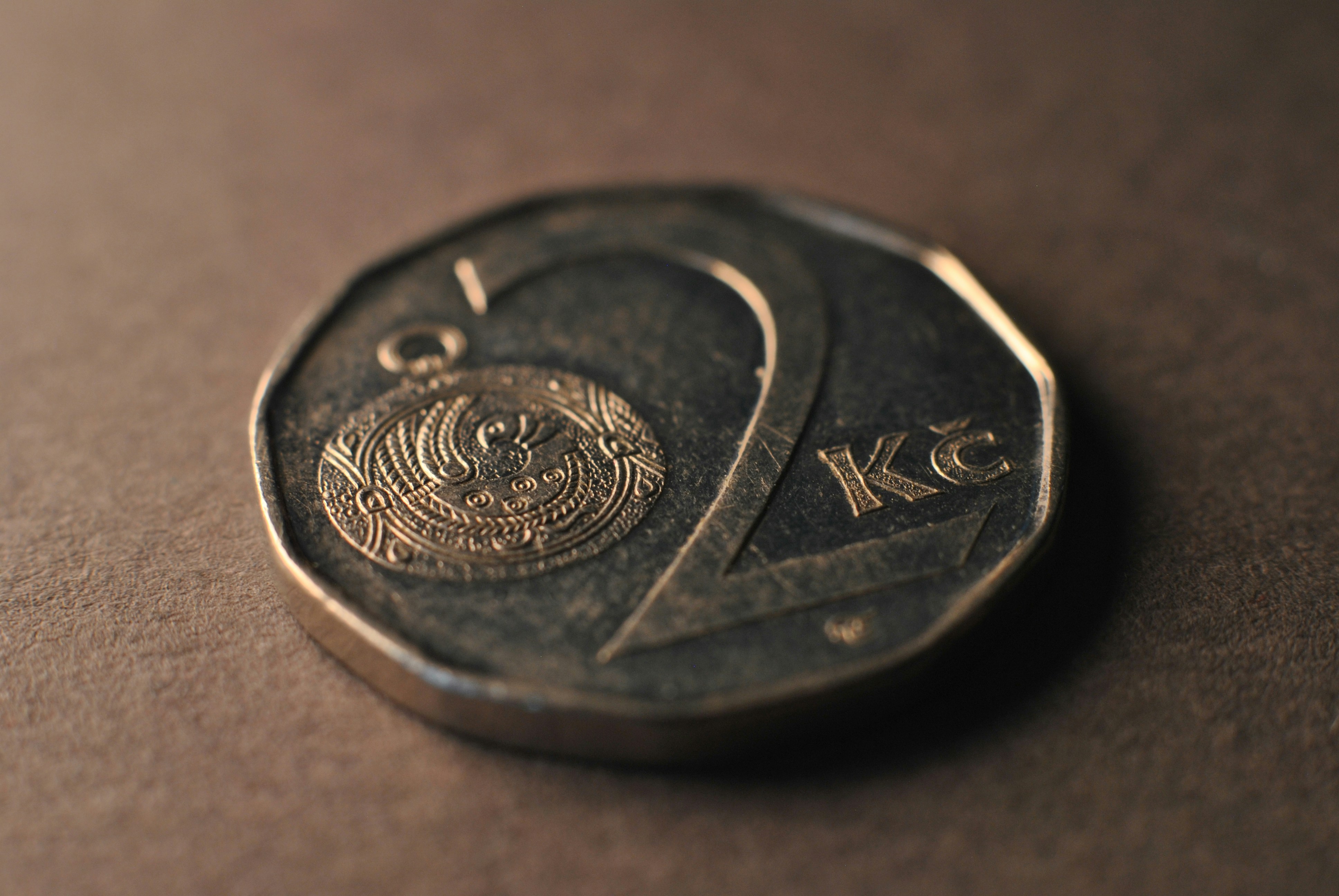
Have you ever watched a magician make a coin vanish right before your eyes and wondered, “How on earth did they do that?” Well, you’re in the right place! At Magic Trick™, we’ve unlocked the mysteries behind the most mesmerizing coin disappearing tricks—from the classic French Drop to the slick Retention Vanish. Whether you’re a total beginner or looking to polish your sleight of hand, this guide will take you step-by-step through the techniques, psychology, and performance tips that transform simple coins into magical moments.
Did you know that coin magic has roots stretching back thousands of years, captivating audiences from ancient Rome to modern-day street performers? In this article, we’ll not only teach you five foolproof vanish techniques but also reveal how to harness misdirection and psychology to make your vanish utterly convincing. Plus, stick around for our expert recommendations on the best coins and gimmicks to elevate your magic game!
Key Takeaways
- Master the fundamentals: Techniques like the French Drop and Classic Palm form the foundation of all coin vanishes.
- Use misdirection wisely: Guiding your audience’s attention is just as important as your hand movements.
- Choose the right coins: Larger, textured coins are easier for beginners to handle and vanish convincingly.
- Practice with purpose: Consistent, slow, and mindful practice builds the muscle memory needed for flawless execution.
- Enhance with gimmicks: Tools like the Ellusionist Revolution Coin Vanish can add polish and confidence to your routine.
Ready to vanish your first coin and leave your friends amazed? Let’s dive in!
Table of Contents
- ⚡️ Quick Tips and Facts About Coin Disappearing Tricks
- 🪙 The Art and History of Coin Vanishing Magic
- 🎩 Introduction to Coin Magic: Why Coins Are the Magician’s Favorite
- 🔍 Understanding the Psychology Behind Coin Disappearing Illusions
- 🛠️ Essential Tools and Props for Mastering Coin Vanishes
- 1️⃣ Step-by-Step Guide: How to Do the Classic French Drop Coin Vanish
- 2️⃣ Mastering the Sleight of Hand: The Classic Palm Coin Disappear Technique
- 3️⃣ The Retention Vanish: Making the Coin Disappear in Plain Sight
- 4️⃣ The Shuttle Pass: A Smooth Coin Vanish for Intermediate Magicians
- 5️⃣ Vanishing Coin with Misdirection: How to Distract and Amaze
- 🎥 Watch and Learn: Top YouTube Channels for Coin Disappearing Tricks
- 💡 Tips for Perfecting Your Coin Vanish Magic Tricks Like a Pro
- 🤹 ♂️ Common Mistakes to Avoid When Performing Coin Disappearing Tricks
- 🔄 Practice Routines and Exercises to Sharpen Your Coin Magic Skills
- 🎭 Incorporating Storytelling and Presentation into Your Coin Vanish
- 🧰 Recommended Brands and Products for Coin Magic Beginners and Experts
- 🌐 Join the Magic Community: Forums, Clubs, and Socials for Coin Magicians
- 🏆 The Magic Trick™ Team’s Favorite Coin Vanishing Routines
- 🎉 Conclusion: Your Journey to Becoming a Coin Vanishing Wizard
- 🔗 Recommended Links for Further Coin Magic Exploration
- ❓ FAQ: All Your Burning Questions About Coin Disappearing Tricks Answered
- 📚 Reference Links and Resources for Coin Magic Mastery
Body
⚡️ Quick Tips and Facts About Coin Disappearing Tricks
Welcome, aspiring illusionists, to the captivating world of coin magic! ✨ Here at Magic Trick™, we’ve spent countless hours perfecting the art of making things vanish, and trust us, the humble coin is one of the most powerful tools in a magician’s arsenal. Before we dive deep, let’s get you started with some quick, mind-bending facts and essential tips.
- The Oldest Trick in the Book? While coin vanishes are ancient, the very concept of magic itself dates back millennia! Did you know that some of the earliest recorded magic tricks, like the “cup and balls,” share principles with modern coin magic? You can learn more about the fascinating origins of our craft in our article, What Is the Oldest Magic Trick? Unveiling 4,000 Years of Wonder 🪄 (2026).
- Sleight of Hand is King: Forget fancy gadgets for a moment. The core of a truly baffling coin vanish lies in dexterity and misdirection. Your hands are your most important props!
- Practice Makes Perfect (and Invisible): You can’t just think a coin away. Consistent, dedicated practice is non-negotiable. As Conjuror.community rightly states, “Practice and dedication are essential.” We couldn’t agree more!
- Misdirection is Your Secret Weapon: The audience’s attention is a precious commodity. Learn to guide it away from the secret move and towards the illusion. It’s all about controlling where they look, and more importantly, where they don’t.
- Audience Engagement is Magic: A trick isn’t just about the mechanics; it’s about the performance. Engage your audience, tell a story, and make them want to believe.
- ✅ Start Simple: Don’t try to vanish a whole stack of coins on day one. Master the basics, like the French Drop or Classic Palm, before moving to more complex coin tricks.
- ❌ Don’t Rush: Speed comes with practice. Focus on smoothness and naturalness first. A slow, smooth vanish is far more convincing than a fast, jerky one.
- Coins are Universal: From a shiny quarter to a foreign coin, their familiarity makes them relatable and their disappearance all the more astonishing.
Ready to make some metal disappear? Let’s get started!
🪙 The Art and History of Coin Vanishing Magic
The art of making a coin disappear isn’t just a parlor trick; it’s a timeless piece of magic history that has captivated audiences for centuries. From ancient street performers to modern-day close-up magicians, the vanishing coin has remained a staple, evolving with each generation while retaining its core mystery.
Historically, coin magic, or “numismatic magic,” has roots stretching back to antiquity. Early forms of sleight of hand involving small objects, including coins, were documented in ancient Egypt and Rome. These early practitioners understood the power of misdirection and quick hand movements to create illusions that defied explanation. For instance, the Roman magician Albinus, mentioned in historical texts, was known for his dexterity with small objects, likely including coins.
During the Middle Ages and Renaissance, traveling performers and charlatans often used coin tricks to entertain and, sometimes, to deceive. The simplicity of a coin, readily available to anyone, made these tricks incredibly accessible and impactful. Imagine a weary traveler seeing a coin vanish from a performer’s hand – it must have seemed like true sorcery!
The 17th and 18th centuries saw the emergence of more structured magic performances, with coin tricks becoming a refined art form. Magicians like Jean-Eugène Robert-Houdin in the 19th century, often considered the “father of modern magic,” incorporated sophisticated coin manipulations into his elaborate stage shows, elevating the status of close-up magic. His work laid much of the groundwork for the modern techniques we still use today.
Fast forward to the 20th century, and coin magic truly flourished. Innovators like T. Nelson Downs, known as the “King of Koins,” developed intricate routines and techniques that are still studied by magicians worldwide. Downs’s book, The Art of Magic (1909), is a treasure trove of coin sleights, many of which form the foundation of contemporary coin vanishing. You can find digitized versions of such historical texts through resources like the Conjuring Arts Research Center.
What makes the vanishing coin so enduring? It’s the sheer impossibility of it. A solid object, right there in your hand, then poof! Gone. It taps into our primal sense of wonder and challenges our perception of reality. And that, dear friends, is the true magic.
🎩 Introduction to Coin Magic: Why Coins Are the Magician’s Favorite
Why do magicians, from seasoned pros to eager beginners, gravitate towards coins? It’s a question we get asked a lot at Magic Trick™, and the answer is surprisingly multifaceted. Coins are, without a doubt, one of the most versatile and impactful props in the world of close-up magic.
First off, coins are universally recognizable. Everyone knows what a coin is, how it feels, and how it should behave. This familiarity makes their disappearance or reappearance all the more astonishing. There’s no exotic prop to distract from the impossibility; it’s just a simple coin. As Conjuror.community highlights, coin magic is “universally appealing across ages.” We’ve seen kids and grandparents alike gasp in amazement at a well-executed coin vanish!
Secondly, coins are readily available and inexpensive. You don’t need to invest in elaborate, costly equipment to start. A few coins from your pocket are all you need to begin your journey into coin tricks. This low barrier to entry makes them perfect for aspiring magicians.
Third, and perhaps most importantly, coins are perfect for developing fundamental sleight of hand. The techniques you learn with coins—palming, misdirection, timing, and naturalness—are transferable to almost every other form of magic, from card tricks to larger illusions. Vanishing Inc. emphasizes this, stating, “Start with the classic palm; it’s the foundation for most coin magic.” Mastering coin manipulation builds a strong foundation for your entire magical repertoire.
Finally, coins offer an incredible range of possibilities. From simple vanishes and productions to complex transpositions and penetrations, the potential for creativity is endless. They are perfect for impromptu performances, allowing you to create a moment of magic anytime, anywhere. Imagine being at a dinner party, borrowing a coin, and making it vanish right under someone’s nose! The intimacy of close-up coin magic creates a powerful, personal connection with your audience. It adds “mystery and excitement to any act,” as Conjuror.community aptly puts it.
So, if you’re looking for a powerful, accessible, and foundational area of magic to explore, look no further than the humble coin. It’s small, but its magical potential is enormous!
🔍 Understanding the Psychology Behind Coin Disappearing Illusions
At Magic Trick™, we believe that true magic isn’t just about moving your hands; it’s about moving minds. The most baffling coin disappearing tricks aren’t just sleight of hand; they’re brilliant exercises in applied psychology. Understanding how the human brain perceives and processes information is your ultimate secret weapon in creating truly impossible illusions.
The core psychological principle at play is misdirection. This isn’t just about looking away; it’s about directing attention. Magicians exploit the brain’s limitations in processing multiple stimuli simultaneously. Our attention is a finite resource, and a skilled magician knows how to overload it or divert it just enough to execute a secret move.
Consider these psychological elements:
- Selective Attention: Our brains are constantly filtering information. When you point to your other hand, make a sudden noise, or tell a compelling story, you’re guiding the audience’s selective attention away from the hand doing the “dirty work.” Vanishing Inc. notes, “The secret to a good coin vanish is in the timing and misdirection.” This timing is crucial for exploiting the brief moments when attention shifts.
- Expectation and Pattern Recognition: We expect coins to behave in a certain way. When you appear to place a coin into your other hand, the audience’s brain completes the pattern based on their past experiences, even if the coin never actually left your original hand. This creates a powerful cognitive bias.
- Peripheral Vision Limitations: Our peripheral vision is less acute than our central vision. Magicians often perform secret moves just outside the audience’s direct line of sight, relying on the brain’s inability to fully process details in the periphery.
- Social Cues and Authority: As the performer, you hold a certain authority. Your gestures, eye contact, and verbal cues influence where the audience looks and what they believe. A confident, natural demeanor can sell even the most audacious sleight.
- The “Magician’s Choice” (Illusion of Free Will): While less direct for a vanish, this principle highlights how magicians subtly influence choices. In a vanish, you’re influencing their perception of reality, making them choose to believe the coin is gone.
One of our team members, Alex, once tried to vanish a coin for his niece, Maya. He was so focused on the mechanics that he forgot to look at her. Maya, being a sharp cookie, immediately saw the coin drop into his lap. “Uncle Alex, it’s right there!” she exclaimed. It was a humbling lesson: your eyes are as important as your hands in directing attention. Where you look, the audience will follow. If you look intently at the hand where the coin should be, they will too, reinforcing the illusion.
By understanding these psychological underpinnings, you don’t just perform a trick; you craft an experience that plays directly on the fascinating quirks of the human mind.
🛠️ Essential Tools and Props for Mastering Coin Vanishes
While the true magic lies in your hands and mind, having the right tools can certainly enhance your journey into coin vanishing. At Magic Trick™, we advocate for starting with the basics, but we also know that sometimes a little something extra can elevate your performance.
The Humble Coin: Your Primary Prop
Your most essential “prop” is, of course, the coin itself! But not all coins are created equal for magic.
- Size Matters: For beginners, a larger coin like a U.S. Half Dollar or a British 50p piece is often easier to handle. They provide more surface area for palming and are easier to track visually. As you gain skill, you might move to quarters or even smaller coins for a more delicate touch.
- Weight and Texture: A coin with a bit of weight and a slightly textured edge (like a reeded edge) can offer better grip. Avoid overly smooth or slippery coins when starting out.
- Consistency: Stick to one type of coin for practice. This builds muscle memory and consistency in your movements.
👉 CHECK PRICE on:
Gimmicked Coins: The Magician’s Little Helpers
While we emphasize sleight of hand, there are ingenious gimmicked coins that can make certain vanishes incredibly clean and deceptive, especially for beginners or for specific effects. These aren’t cheating; they’re clever engineering!
One such innovation is the Ellusionist Revolution Coin Vanish. This product has garnered significant attention for its ability to create a seamless coin disappearance.
Ellusionist Revolution Coin Vanish Review
| Feature | Rating (1-10) | Notes | | Design | 9 | Sleek, minimalist design that blends seamlessly with various coin types. The small size makes it discreet. |
🎉 Conclusion: Your Journey to Becoming a Coin Vanishing Wizard
Well, there you have it—your ultimate guide to mastering the art of making coins vanish like a true magician! From the rich history that breathes life into every sleight to the psychological wizardry that keeps your audience spellbound, you’re now armed with the knowledge and techniques to dazzle any crowd.
Remember, the heart of coin magic lies not just in the mechanics but in the performance—the storytelling, the timing, and the subtle misdirection that turns a simple vanish into a jaw-dropping moment. Whether you’re starting with the classic French Drop or exploring nifty gimmicks like the Ellusionist Revolution Coin Vanish, the path to mastery is paved with practice, patience, and passion.
Speaking of the Revolution Coin Vanish device, here’s a quick recap:
Positives:
- Sleek, discreet design that blends naturally with your coins.
- Easy to use for beginners yet reliable enough for seasoned pros.
- Highly portable, perfect for impromptu performances.
- Consistently praised by users for its clean, natural vanish effect.
Negatives:
- Requires some initial setup and practice to integrate smoothly.
- May not suit magicians who prefer pure sleight of hand without gimmicks.
- Limited to specific coin sizes for optimal performance.
Our verdict? If you’re looking for a professional-looking vanish with minimal fuss, the Revolution Coin Vanish is a fantastic addition to your toolkit. But don’t neglect the fundamentals—nothing beats the power of well-honed sleight of hand.
So, what about those lingering questions? How do you make a coin disappear and reappear in someone’s ear? What’s the secret behind the coin vanishing in water? We’ll unravel those mysteries in the FAQ below. Ready to make magic? Let’s go!
🔗 Recommended Links for Further Coin Magic Exploration
Ready to shop or dive deeper? Here are some top picks and resources to fuel your coin magic journey:
-
Ellusionist Revolution Coin Vanish:
Amazon | Ellusionist Official Website -
U.S. Half Dollar Coins (Great for Beginners):
Amazon | Walmart -
“Modern Coin Magic” by J.B. Bobo (The Bible of Coin Magic):
Amazon -
“Coin Magic” by Richard Kaufman:
Amazon -
Vanishing Inc. Magic – Easy Magic Tricks with Coins:
Vanishing Inc. Article -
Conjuror Community – Mastering Easy Coin Vanishing Tricks:
Conjuror Community Article
❓ FAQ: All Your Burning Questions About Coin Disappearing Tricks Answered
How do you make a coin disappear and appear in someone’s ear?
This classic coin magic effect combines sleight of hand with a bit of playful misdirection. Typically, the magician pretends to place the coin into one hand but secretly palms it. Then, with a magical gesture or a tap, the coin “magically” appears behind the spectator’s ear.
Key steps:
- Use a classic palm vanish to secretly retain the coin.
- Distract the audience with eye contact and patter.
- Reach behind the spectator’s ear with your free hand and discreetly reveal the coin.
- Timing and naturalness are crucial to avoid suspicion.
This trick leverages the audience’s expectation and surprise, making it a crowd favorite for all ages.
How does the disappearing coin in water trick work?
Ah, the coin vanishing in water is a clever illusion that plays on optical tricks and sleight of hand. Usually, the magician shows a coin, places it on a surface or into a glass of water, and then makes it vanish.
Common methods:
- Using a gimmicked coin or shell that can be secretly removed.
- Palming the coin before it touches the water.
- Employing a clear glass with a false bottom or a hidden compartment.
The trick’s success depends on controlling angles and audience sightlines, ensuring the secret move is invisible. It’s a fantastic way to combine visual magic with everyday objects.
How to do the appearing coin trick?
The appearing coin is essentially the reverse of the vanish. You start with your hands empty and then seemingly produce a coin from thin air.
Basic technique:
- Use a classic palm or finger palm to secretly hold the coin.
- Use natural gestures to reach into the palm and reveal the coin.
- Misdirection helps—engage the audience’s attention elsewhere as you prepare the reveal.
Practice smoothness and timing to make the production look effortless.
How to do the vanishing coin trick step by step?
Let’s break down the classic French Drop vanish, one of the most beginner-friendly and visually effective coin vanishes:
- Hold the coin between the thumb and first two fingers of your dominant hand.
- Bring your other hand over as if to grab the coin.
- As your other hand closes, secretly let the coin drop into the palm of your original hand.
- Close the hand that pretended to take the coin, showing it empty.
- Use misdirection (a glance, a gesture) to distract the audience.
- Open the hand to reveal the coin has vanished.
Remember, timing and naturalness are everything. Practice in front of a mirror to perfect angles and fluidity.
What are the easiest coin tricks for beginners?
Starting simple is smart! Here are some beginner-friendly coin tricks:
- French Drop Vanish: Classic and effective.
- Basic Palm Vanish: Learning to conceal the coin naturally.
- Coin Roll: Rolling the coin across your fingers for flair.
- Coin Flip Production: Producing a coin from nowhere with a flip.
- Coin Through Table: Using sleight to make a coin appear to penetrate a surface.
These tricks build foundational skills and confidence.
How can I improve my sleight of hand skills?
Improving sleight of hand is a marathon, not a sprint. Here’s how to level up:
- Consistent Practice: Dedicate at least 30 minutes daily focusing on smoothness and control.
- Use a Mirror: Self-observation helps catch unnatural movements.
- Record Yourself: Video feedback reveals subtle tells.
- Slow It Down: Master the moves slowly before speeding up.
- Learn from Experts: Watch tutorials from trusted sources like Vanishing Inc. or Ellusionist.
- Perform for Friends: Real audiences help you adjust timing and misdirection.
What materials do I need for basic coin magic?
You don’t need much to start:
- Coins: Preferably larger, textured coins like U.S. Half Dollars or British 50p.
- Smooth Surface: A table or mat to practice on.
- Mirror: For self-correction.
- Instructional Resources: Books like Modern Coin Magic by J.B. Bobo or online tutorials.
- Optional: Gimmicked coins or devices like the Ellusionist Revolution Coin Vanish for advanced effects.
How do magicians practice coin vanishing techniques?
Magicians practice methodically:
- Repetition: Repeating moves until muscle memory kicks in.
- Segmented Practice: Breaking down tricks into smaller components.
- Slow Motion: Practicing moves slowly to ensure precision.
- Simulated Performances: Practicing in front of mirrors or recording to simulate audience conditions.
- Feedback: Getting critiques from fellow magicians or mentors.
- Integration: Combining sleights with patter and misdirection for a complete performance.
📚 Reference Links and Resources for Coin Magic Mastery
For those who want to verify facts, deepen their knowledge, or explore the best coin magic resources, here are some reputable links:
-
Vanishing Inc. Magic – Easy Magic Tricks with Coins:
https://www.vanishingincmagic.com/money-magic/articles/easy-magic-tricks-with-coins/ -
Conjuror Community – Mastering the Art of Easy Coin Vanishing Tricks:
https://conjuror.community/mastering-the-art-of-easy-coin-vanishing-tricks/ -
Ellusionist Official Website:
https://ellusionist.com/collections/coin-magic-tricks/Coins-&-Money -
J.B. Bobo’s Modern Coin Magic (Book):
https://www.amazon.com/Modern-Coin-Magic-J-B-Bobo/dp/0486279943?tag=bestbrands0a9-20 -
Richard Kaufman’s Coin Magic (Book):
https://www.amazon.com/Coin-Magic-Richard-Kaufman/dp/0910702006?tag=bestbrands0a9-20 -
Magic Trick™ Coin Tricks Category:
https://www.magictrick.app/category/coin-tricks/ -
Magic Trick™ Close-up Magic Category:
https://www.magictrick.app/category/close-up-magic/
Ready to make your first coin vanish? Remember, every master was once a beginner who dared to believe in magic. Now, it’s your turn! 🪄✨