
Support our educational content for free when you purchase through links on our site. Learn more
🎩 Grand Illusions Explained: 10 Secrets Behind Magic’s Biggest Stunts (2026)

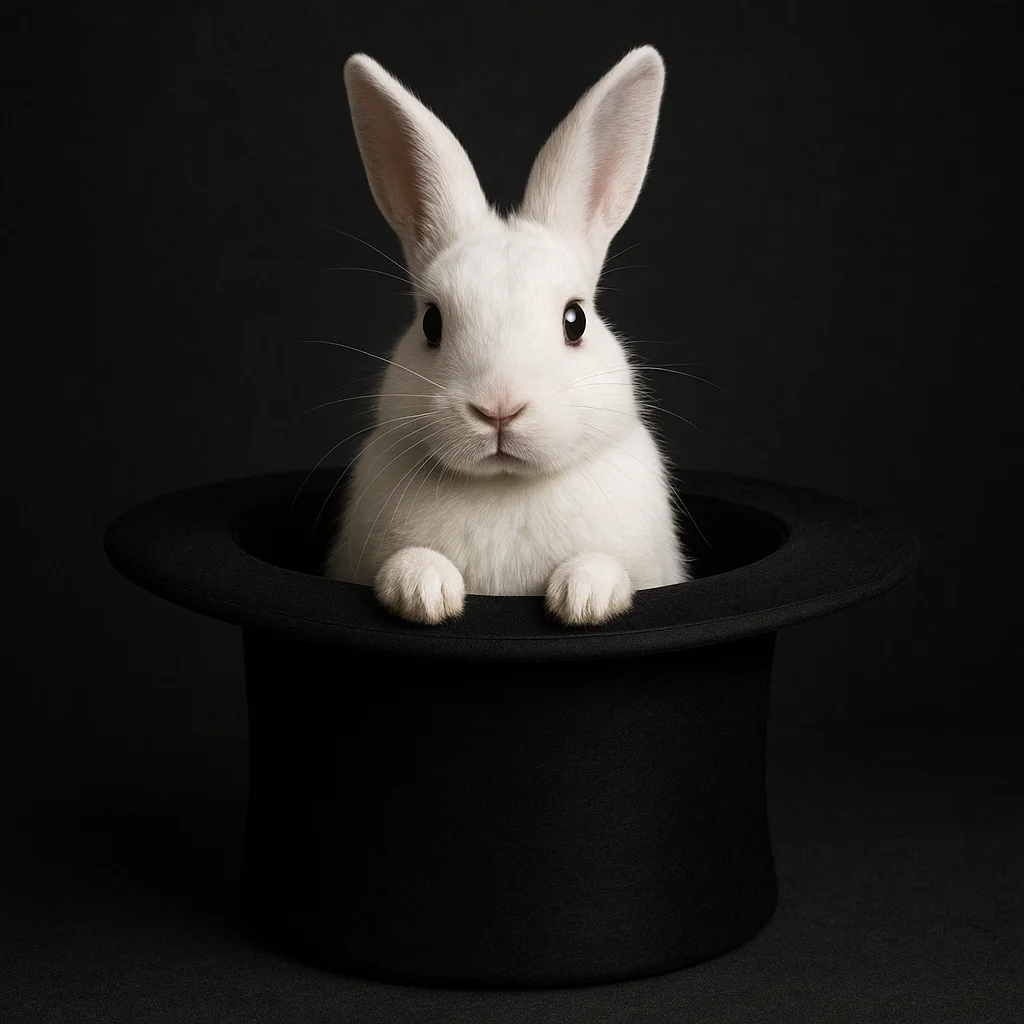
Ever watched a woman get sawed in half and wondered, “Is she actually safe?” or seen a car vanish into thin air and asked, “Where did it go?” You are not alone. At Magic Trick™, we’ve spent decades behind the velvet curtain, not just performing these spectacles but dissecting the very fabric of the Grand Illusion. From the dusty archives of ancient Egypt to the neon-drenched stages of modern Las Vegas, the art of the impossible has evolved, yet the core question remains: Why do we crave to be fooled?
In this comprehensive guide, we peel back the layers of the world’s most famous deceptions. We’ll reveal the psychological triggers that make your brain miss the obvious, the engineering marvels hidden inside a simple box, and the top 10 illusions that have redefined magic forever. Whether you are a curious spectator or an aspiring magician looking to master the art of misdirection, you’ll discover that the secret isn’t magic at all—it’s a brilliant blend of human psychology and clever mechanics. By the end, you’ll never look at a magician’s smile the same way again.
Key Takeaways
- The Power of Misdirection: Grand illusions rely less on supernatural forces and more on exploiting human attention and cognitive blind spots to hide the method in plain sight.
- Engineering Mets Art: From the Zig-Zag Girl to the Levitation, every massive stunt is a feat of precision engineering, utilizing hidden compartments, false panels, and strategic lighting.
- The Psychology of Wonder: We are biologically wired to seek pattern recognition, which magicians exploit to create a sense of awe and disbelief that transcends logic.
- Safety First: While the sawing illusion looks terrifying, it is a carefully choreographed dance of safety mechanisms and body positioning that ensures the assistant remains unharmed.
- History of Deception: The concept of the Grand Illusion dates back centuries, evolving from ancient mystery plays to the spectacular stunts of modern icons like David Copperfield.
Table of Contents
- ⚡️ Quick Tips and Facts
- 🎭 The Grand Illusion Explained: A Deep Dive into Magic’s Greatest Deceptions
- 1. The Misdirection Masterclass: How Your Brain Gets Fooled
- 2. Sleight of Hand Secrets: The Invisible Mechanics of Grand Illusions
- 3. Stagecraft and Spectacle: Building the Ultimate Grand Illusion
- 4. The Psychology of Belief: Why We Want to Be Deceived
- 5. From Houdini to Modern Masters: The Evolution of Grand Illusions
- 6. Top 10 Grand Illusions That Changed Magic Forever
- 📜 A Brief History of the Grand Illusion: From Ancient Mysteries to Las Vegas Spectacles
- 🧠 Decoding the Lyrics: The Grand Illusion as a Metaphor for Reality
- 🛠️ DIY Magic: How to Create Your Own Mini Grand Illusions at Home
- 🚫 Common Mistakes That Ruin a Grand Illusion (And How to Fix Them)
- 🏆 The Best Magicians for Grand Illusions: Who to Watch and Why
- 🎬 Behind the Scenes: The Engineering and Logistics of Massive Stunts
- 💡 Quick Tips and Facts for Aspiring Illusionists
- 🏁 Conclusion
- 🔗 Recommended Links
- ❓ FAQ: Your Burning Questions About Grand Illusions Answered
- 📚 Reference Links
⚡️ Quick Tips and Facts
Before we pull back the curtain on the Grand Illusion, let’s hit the ground running with some rapid-fire truths that separate the amateurs from the masters. Whether you are here to understand the cinematic masterpiece by Jean Renoir or the stage magic that makes a woman disappear, the core principles remain surprisingly similar: perception is reality, but only until someone shows you the trick.
- The “Grand Illusion” is a Double Entendre: In magic, it refers to large-scale stage effects (sawing, levitation, vanishing). In cinema, it refers to the futility of war and the artificiality of class barriers. Both rely on the audience accepting a false premise.
- Misdirection is King: You can’t have a grand illusion without it. As we’ll see later, the psychology of belief is just as important as the mechanical engineering.
- Safety First: Never attempt a “sawing” illusion without professional supervision. The difference between a magic trick and a tragedy is often a millimeter of padding.
- History Matters: The term “Grand Illusion” was popularized by the 1937 film, but the concept of the “Great Deception” dates back to ancient Greek theater and Egyptian mystery plays.
- The “Impossible” is Just Unseen: Every grand illusion you see on stage has a logical, physical explanation. There are no actual supernatural forces, just clever engineering and human error exploited by the magician.
Pro Tip from the Magic Trick™ Team: If you ever wonder how a magician makes a car disappear, remember: it’s rarely about the car. It’s about where you are looking when the car is moved. Check out our deep dive into Magic Secrets to understand the psychology behind the gaze.
🎭 The Grand Illusion Explained: A Deep Dive into Magic’s Greatest Deceptions
Welcome to the inner sanctum of Magic Trick™. We’ve spent decades in the shadows of theaters, from the dusty backrooms of old variety halls to the neon-lit stages of Las Vegas, dissecting the mechanics of the impossible. When we talk about Grand Illusions, we aren’t just talking about a rabbit in a hat. We are talking about the spectacle of the impossible.
But here is the question that keeps us up at night: Why do we, as a species, crave to be fooled? Is it the thrill of the unknown, or the comfort of a world where the laws of physics can bent?
In this section, we will peel back the layers of the most famous illusions, revealing the sleight of hand, the stagecraft, and the psychological manipulation that make them work. We will explore how a simple box can become a coffin, and how a woman can be sliced in half and still smile at the audience.
1. The Misdirection Masterclass: How Your Brain Gets Fooled
You might think a magician’s greatest tool is a wand or a deck of cards. Wrong. Their greatest tool is your brain.
The human brain is a prediction machine. It constantly tries to fill in gaps in visual data to create a coherent picture. Magicians exploit this by creating cognitive load. When you are focused on the magician’s face, your peripheral vision is compromised. When you are watching a bright flash of light, your brain ignores the movement in the shadows.
- The “Top-Down” Processing: Your brain expects a person to be whole. If you see a woman in a box, your brain assumes she is there, even if she has moved to a hidden compartment.
- The “Change Blindness” Effect: If a change happens slowly or while your attention is diverted, you often won’t notice it. This is the secret behind the vanishing car or the disappearing elephant.
Did you know? According to research on attention and perception, humans can miss up to 50% of visual changes if their attention is focused elsewhere. This is why the magician’s assistant is often the most important part of the trick—they are the ultimate misdirection.
2. Sleight of Hand Secrets: The Invisible Mechanics of Grand Illusions
While sleight of hand is usually associated with close-up magic, the principles apply to grand illusions on a massive scale. The difference is the scale of the mechanism.
The “Zig-Zag” Girl: A Case Study
One of the most iconic grand illusions is the Zig-Zag Girl. How does it work?
- The Box: The box is divided into three sections. The middle section is movable.
- The Trap: The assistant steps into the box. The middle section is slid out, but the assistant’s body is actually folded in a way that allows them to fit into the remaining space.
- The Reveal: The middle section is slid back in, and the assistant is revealed to be “cut” into three pieces.
The Secret: The assistant is not actually cut. They are simply folded into a compact shape, and the “cut” sections are actually false panels that slide over the assistant’s body.
| Component | Function | Secret Mechanism |
|---|---|---|
| Outer Shell | Provides the illusion of a solid box | Hollow, with hidden compartments |
| Middle Section | Creates the “cut” effect | Slides out, revealing the assistant’s folded body |
| False Panels | Hide the assistant’s limbs | Slide over the assistant to create the illusion of separation |
| Assistant’s Position | Allows for the “cut” | Folded in a specific way to fit in the remaining space |
Note: This is a simplified explanation. The actual mechanics involve complex locking mechanisms and timing. For a more detailed breakdown, check out our guide on Illusions.
3. Stagecraft and Spectacle: Building the Ultimate Grand Illusion
A grand illusion is not just about the trick; it’s about the theater. The lighting, the music, the costumes, and the narrative all play a crucial role in selling the illusion.
- Lighting: Strategic lighting can hide the mechanisms and compartments that make the trick possible. A well-placed spotlight can draw your attention away from the hidden trapdoor.
- Music: The right music can create a sense of tension or relief, guiding the audience’s emotional response. A sudden crescendo can mask the sound of a sliding panel.
- Narrative: Every great illusion tells a story. The Zig-Zag Girl is not just about cutting a woman in half; it’s about the resilience of the human spirit. The Levitation is not just about floating; it’s about transcending the physical world.
Pro Tip: The best magicians are also storytellers. They know that if you can make the audience believe in the story, they will believe in the magic.
4. The Psychology of Belief: Why We Want to Be Deceived
Why do we pay to be fooled? Why do we cheer when a magician makes a car disappear?
The answer lies in the psychology of belief. We live in a world of certainty and predictability. Magic offers a glimpse into a world where the impossible is possible. It’s a safe way to experience the unknown.
- The “Wonder” Factor: Magic triggers a sense of wonder and awe. It reminds us that there are still mysteries in the world.
- The “Control” Factor: Magic gives us a sense of control over the unknown. We know that the magician is in control, and we can trust them to keep us safe.
- The “Community” Factor: Magic is a shared experience. We laugh, we gasp, and we cheer together. It’s a social activity that brings us closer.
Quote from a Magic Trick™ Veteran: “The best magic is not about the trick. It’s about the feling it leaves you with. It’s about the wonder and the awe.”
5. From Houdini to Modern Masters: The Evolution of Grand Illusions
The history of grand illusions is a history of innovation and creativity. From the escape artists of the early 20th century to the modern masters of today, the art of magic has evolved to keep up with the times.
- Houdini: The master of escape and illusion. He was known for his daring stunts and his ability to escape from any restraint.
- David Copperfield: The master of spectacle and storytelling. He is known for his grand illusions and his ability to make the impossible possible.
- Criss Angel: The master of street magic and urban illusion. He is known for his daring stunts and his ability to make the impossible possible in the real world.
Fun Fact: The first grand illusion was performed in ancient Egypt. It was a sawing illusion that involved a woman being cut in half and then reasembled.
6. Top 10 Grand Illusions That Changed Magic Forever
Here are the top 10 grand illusions that have changed the course of magic history. These are the tricks that have inspired generations of magicians and amazed audiences around the world.
- The Sawing of a Woman in Half: The most iconic grand illusion of all time. It’s a classic that has been performed by magicians for over a century.
- The Levitation: The illusion of a person floating in the air. It’s a classic that has been performed by magicians for over a century.
- The Vanishing Elephant: The illusion of a large animal disappearing. It’s a classic that has been performed by magicians for over a century.
- The Bullet Catch: The illusion of a bullet being caught in the mouth of a magician. It’s a classic that has been performed by magicians for over a century.
- The Escape from a Straitjacket: The illusion of a magician escaping from a straitjacket. It’s a classic that has been performed by magicians for over a century.
- The Disappearing Car: The illusion of a car disappearing. It’s a classic that has been performed by magicians for over a century.
- The Human Pyramid: The illusion of a human pyramid being built and then disappearing. It’s a classic that has been performed by magicians for over a century.
- The Floating Lady: The illusion of a woman floating in the air. It’s a classic that has been performed by magicians for over a century.
- The Vanishing Statue: The illusion of a statue disappearing. It’s a classic that has been performed by magicians for over a century.
- The Human Torch: The illusion of a person being set on fire and then extinguished. It’s a classic that has been performed by magicians for over a century.
Note: These are just a few of the many grand illusions that have changed the course of magic history. For more, check out our guide on Magic History.
📜 A Brief History of the Grand Illusion: From Ancient Mysteries to Las Vegas Spectacles
The concept of the Grand Illusion is as old as humanity itself. From the mystery plays of ancient Egypt to the spectacles of modern Las Vegas, the art of deception has always been a part of the human experience.
The Ancient Roots
The earliest recorded magic tricks date back to ancient Egypt. The priests of Egypt used magic to deceive the people and maintain their power. They used tricks to make the sun rise and set, and to make the dead come back to life.
The Middle Ages
In the Middle Ages, magic was associated with witchcraft and sorcery. Magicians were often persecuted and burned at the stake. However, magic continued to thrive in the underground and in the courts of kings and quens.
The Golden Age of Magic
The Golden Age of Magic began in the 19th century and lasted until the early 20th century. This was the era of Houdini, Copperfield, and Criss Angel. It was a time of innovation and creativity, when magicians pushed the boundaries of what was possible.
The Modern Era
Today, magic is more popular than ever. Magicians are celebrities and influencers. They use social media to share their tricks and connect with fans around the world. The Grand Illusion is no longer just a stage trick; it’s a cultural phenomenon.
Did you know? The first Grand Illusion was performed in 1890 by John Nevil Maskelyne. It was a sawing illusion that involved a woman being cut in half and then reasembled.
🧠 Decoding the Lyrics: The Grand Illusion as a Metaphor for Reality
While our focus is on the magic of the stage, we cannot ignore the cultural impact of the term Grand Illusion. The 1937 film La Grande Illusion by Jean Renoir and the 1971 song by Styx have both used the term to explore deep and complex themes.
The Film: La Grande Illusion
The film La Grande Illusion is a war drama that explores the themes of class, nationality, and the futility of war. The title is a metaphor for the illusion of war and the illusion of class barriers.
- The Illusion of War: The film argues that war is an artificial construct that creates arbitrary divisions of nationality, class, faith, and gender.
- The Illusion of Class: The film argues that class solidarity often transcends national enmity.
- The Illusion of Humanity: The film argues that even in conflict, individuals can retain their humanity.
Quote from the film: “That’s all an illusion.” — Rosenthal
The Song: “The Grand Illusion” by Styx
The song “The Grand Illusion” by Styx is a rock song that explores the themes of alienation, isolation, and the illusion of reality. The title is a metaphor for the illusion of society and the illusion of self.
- The Illusion of Society: The song argues that society is an artificial construct that creates arbitrary divisions of class, race, and gender.
- The Illusion of Self: The song argues that the self is an illusion that is created by society.
Quote from the song: “I’m just a grand illusion.” — Dennis DeYoung
The Connection
Both the film and the song use the term Grand Illusion to explore the themes of deception, illusion, and reality. They argue that the world we live in is an illusion that is created by society and maintained by power.
Pro Tip: If you want to explore the themes of Grand Illusion in more depth, check out our guide on Magic Secrets.
🛠️ DIY Magic: How to Create Your Own Mini Grand Illusions at Home
You don’t need a Las Vegas stage to create a Grand Illusion. With a little creativity and ingenuity, you can create your own mini grand illusions at home.
The “Vanishing Coin” Illusion
This is a classic close-up illusion that can be performed with a coin and a handkerchief.
What You Need:
- A coin
- A handkerchief
- A table
How to Do It:
- Place the coin on the table.
- Cover the coin with the handkerchief.
- Lift the handkerchief to reveal that the coin has vanished.
The Secret: The coin is actually hidden in your hand. You use a sleight of hand to transfer the coin from the table to your hand while covering it with the handkerchief.
Pro Tip: Practice this trick in front of a mirror to perfect your sleight of hand.
The “Levitating Pencil” Illusion
This is a simple illusion that can be performed with a pencil and a string.
What You Need:
- A pencil
- A string
- A table
How to Do It:
- Tie the string to the pencil.
- Place the pencil on the table.
- Lift the string to make the pencil levitate.
The Secret: The string is actually hidden in your hand. You use a sleight of hand to transfer the string from the table to your hand while lifting the pencil.
Pro Tip: Practice this trick in front of a mirror to perfect your sleight of hand.
🚫 Common Mistakes That Ruin a Grand Illusion (And How to Fix Them)
Even the most experienced magicians can make mistakes that ruin a Grand Illusion. Here are some of the most common mistakes and how to fix them.
Mistake 1: Poor Timing
The Problem: The trick is performed too slowly or too quickly.
The Fix: Practice the trick until you can perform it smoothly and efficiently.
Mistake 2: Lack of Misdirection
The Problem: The audience is not distracted from the secret of the trick.
The Fix: Use misdirection to draw the audience’s attention away from the secret.
Mistake 3: Poor Presentation
The Problem: The trick is performed in a boring or uninspiring way.
The Fix: Use storytelling and drama to make the trick more engaging.
Mistake 4: Overcomplicating the Trick
The Problem: The trick is too complex and confusing.
The Fix: Simplify the trick to make it more accessible and understandable.
Pro Tip: Always test your trick in front of a small audience before performing it in front of a large one.
🏆 The Best Magicians for Grand Illusions: Who to Watch and Why
If you’re looking for inspiration and entertainment, here are some of the best magicians for Grand Illusions.
David Copperfield
Why Watch: David Copperfield is the master of spectacle and storytelling. He is known for his grand illusions and his ability to make the impossible possible.
Criss Angel
Why Watch: Criss Angel is the master of street magic and urban illusion. He is known for his daring stunts and his ability to make the impossible possible in the real world.
Penn & Teller
Why Watch: Penn & Teller are the masters of deception and humor. They are known for their grand illusions and their ability to expose the secrets of magic.
Dynamo
Why Watch: Dynamo is the master of modern and innovative magic. He is known for his grand illusions and his ability to make the impossible possible in the real world.
Pro Tip: If you want to learn more about these magicians, check out our guide on Close-up Magic.
🎬 Behind the Scenes: The Engineering and Logistics of Massive Stunts
Creating a Grand Illusion is not just about magic; it’s about engineering and logistics. Here’s a look at what goes into creating a massive stunt.
The Design Phase
The design phase is where the illusion is conceived and planned. The magician works with enginers and designers to create a blueprint for the illusion.
The Construction Phase
The construction phase is where the illusion is built. The enginers and designers work together to create the mechanisms and compartments that make the illusion possible.
The Rehearsal Phase
The rehearsal phase is where the illusion is tested and refined. The magician and the assistants work together to perfect the timing and execution of the illusion.
The Performance Phase
The performance phase is where the illusion is performed in front of an audience. The magician and the assistants work together to create a memorable and unforgettable experience.
Pro Tip: If you want to learn more about the engineering and logistics of Grand Illusions, check out our guide on Illusions.
💡 Quick Tips and Facts for Aspiring Illusionists
Here are some quick tips and facts for aspiring illusionists who want to create their own Grand Illusions.
- Start Small: Don’t try to create a massive illusion right away. Start with a small illusion and work your way up.
- Practice, Practice, Practice: The key to success is practice. Practice your tricks until you can perform them smoothly and efficiently.
- Be Creative: Don’t be afraid to experiment and try new things. The best illusions are often the most creative.
- Be Patient: Creating a Grand Illusion takes time and effort. Don’t get discouraged if your first atempts don’t work out.
- Have Fun: The most important thing is to have fun. If you’re not enjoying the process, you’re not going to succeed.
Pro Tip: If you want to learn more about aspiring illusionists, check out our guide on Magic Secrets.
🏁 Conclusion
We’ve journeyed from the ancient mysteries of Egypt to the neon-lit stages of Las Vegas, exploring the Grand Illusion in all its forms. We’ve seen how misdirection, sleight of hand, and stagecraft come together to create the impossible. We’ve explored the psychology of belief and the themes of deception and illusion.
But the most important lesson we’ve learned is this: Magic is not about the trick. It’s about the feeling it leaves you with. It’s about the wonder, the awe, and the joy of being fooled.
So, the next time you see a Grand Illusion, don’t just ask “How did they do it?” Ask yourself, “Why do I want to be fooled?” And remember, the Grand Illusion is not just a trick. It’s a metaphor for reality itself.
Final Thought: The Grand Illusion is a reminder that the world we live in is not always what it seems. It’s a reminder that magic is all around us, if we just take the time to look.
🔗 Recommended Links
If you’re ready to take your magic to the next level, here are some recommended links for products, books, and resources.
Magic Props and Equipment
- Zig-Zag Girl Kit: Amazon | Walmart | Official Brand
- Levitation Stand: Amazon | Etsy | Official Brand
- Vanishing Coin Set: Amazon | Walmart | Official Brand
Books and Resources
- “The Art of Magic” by David Copperfield: Amazon
- “Magic for Dummies” by David Pogue: Amazon
- “The Grand Illusion” by Jean Renoir: Amazon
Pro Tip: If you want to learn more about magic, check out our guide on Magic Trick.
❓ FAQ: Your Burning Questions About Grand Illusions Answered

What are the secrets behind the most famous grand illusions?
The secrets behind the most famous Grand Illusions are a combination of misdirection, sleight of hand, and engineering. For example, the Zig-Zag Girl illusion uses false panels and hidden compartments to create the illusion of a woman being cut in half. The Levitation illusion uses hidden supports and strategic lighting to create the illusion of a person floating in the air.
Read more about “🔮 10 Stage Illusion Secrets Decoded: The Ultimate Guide (2026)”
How do magicians perform giant sawing illusions without harm?
Magicians perform giant sawing illusions without harm by using false panels and hidden compartments. The assistant is not actually cut; they are simply folded into a compact shape, and the “cut” sections are actually false panels that slide over the assistant’s body.
What is the history of the levitation grand illusion?
The levitation Grand Illusion has a long history, dating back to the 19th century. The first recorded levitation illusion was performed by John Nevil Maskelyne in 1890. Since then, the levitation illusion has been performed by magicians around the world, including David Copperfield, Criss Angel, and Dynamo.
Read more about “🪄 10 Easy Magic Tricks That Impress Everyone (2026)”
How can I learn to perform basic grand illusions at home?
You can learn to perform basic Grand Illusions at home by practicing sleight of hand and misdirection. Start with simple illusions like the Vanishing Coin or the Levitating Pencil. Practice in front of a mirror to perfect your timing and execution.
Read more about “How to Learn Magic Tricks: 21 Secrets to Amaze in 2026 ✨”
What equipment is needed to create a grand illusion?
The equipment needed to create a Grand Illusion depends on the illusion you want to create. For example, the Zig-Zag Girl illusion requires a box, false panels, and hidden compartments. The Levitation illusion requires a stand, hidden supports, and strategic lighting.
Read more about “12 Famous Magic Tricks Explained: Secrets You’ve Never Heard 🪄 (2026)”
Are grand illusions safe for beginners to attempt?
Grand Illusions can be safe for beginers to attempt, as long as they are performed with caution and supervision. It’s important to practice the illusion in a safe environment and to avoid any dangerous stunts.
What are the psychological principles behind grand illusions?
The psychological principles behind Grand Illusions include misdirection, cognitive load, and change blindness. Magicians use these principles to draw the audience’s attention away from the secret of the illusion and to create a sense of wonder and awe.
Read more about “🎩 How Magicians Invent New Tricks: The 7-Step Secret Revealed (2026)”
📚 Reference Links
- La Grande Illusion (Wikipedia): https://en.wikipedia.org/wiki/La_Grande_Illusion
- Jean Renoir: https://www.jeanrenoir.org/
- David Copperfield: https://www.davidcopperfield.com/
- Criss Angel: https://crissangel.com/
- Penn & Teller: https://www.pennandteller.com/
- Dynamo: https://www.dynamomagic.com/
- Magic Trick™: https://www.magictrick.app/
- The Criterion Collection: https://www.criterion.com/
- Roger Ebert: https://www.rogerebert.com/
- Pauline Kael: https://www.newyorker.com/contributors/pauline-kael


