Support our educational content for free when you purchase through links on our site. Learn more
🎩 How to Practice Magic Tricks for Unshakeable Confidence (7 Steps)

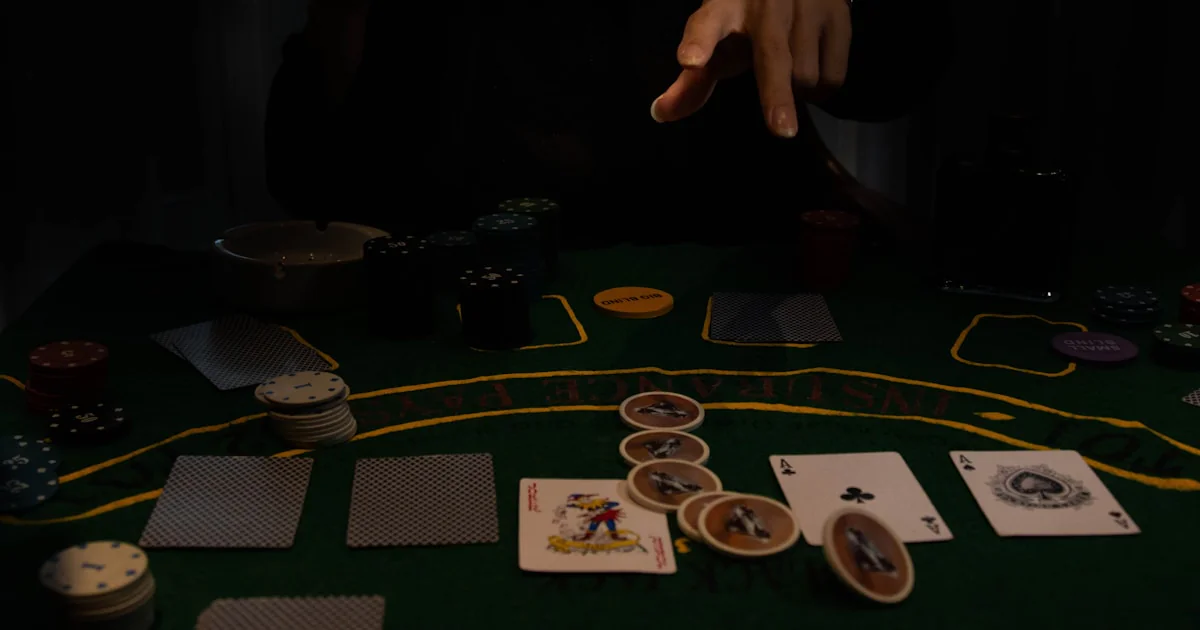
Ever performed a trick that looked flawless in the mirror, only to have your hands shake like a leaf the moment a real person watched? You aren’t alone. At Magic Trick™, we’ve seen brilliant magicians crumble under the weight of their own expectations because they skipped the most critical phase of their training: confident practice. While some might suggest you only need to master a couple of tricks to feel ready, the truth is far more nuanced. True confidence isn’t born from a single “vital” move; it’s forged in the fire of deliberate, repetitive, and psychologically sound rehearsal.
In this comprehensive guide, we’re pulling back the curtain on exactly how to practice magic tricks to perform confidently. We’ll walk you through a proven 7-step roadmap that takes you from awkward fumbling to seamless sleight of hand. You’ll discover why the “mirror test” is often a trap, how to rewire your brain to handle stage fright, and the specific mental exercises that turn nervous energy into electric performance. We’ll even reveal the secret technique that stops your hands from shaking before you even pick up a card.
Ready to stop guessing and start commanding the room? Let’s turn your anxiety into your greatest asset.
Key Takeaways
- Deliberate Practice Beats Mindless Repetition: Simply repeating a trick 10 times won’t help; you must practice with focused intent and correct errors in real-time to build true muscle memory.
- The Mirror is a Liar: Mastering a move in front of a mirror is only 50% of the battle; real-world exposure to an audience is the only way to conquer stage fright.
- Confidence is a Skill, Not a Trait: You can train your brain to feel confident through visualization, breathing techniques, and gradual exposure, regardless of your natural temperament.
- Mistakes are Part of the Show: Learning to recover gracefully from an error is often more impressive to an audience than a perfect, robotic performance.
Table of Contents
- ⚡️ Quick Tips and Facts
- 🎩 A Brief History of Magic Practice: From Court Jesters to Modern Masters
- 🧠 The Psychology of Stage Fright: Why Your Hands Shake and How to Stop Them
- 🏗️ Building Your Magic Foundation: The Essential First Steps for Beginners
- 📚 The 7-Step Roadmap to Mastering Your First Sleight of Hand
- 🚫 The Danger of Running Before You Can Walk: Avoiding Common Pitfalls
- 🎭 Overcoming the Fear of Exposure: How to Handle Mistakes Gracefully
- 🎤 From Living Room to Main Stage: Gradual Exposure Techniques for Confidence
- 🧘 Mindfulness and Magic: Mental Exercises to Calm Nerves Before a Show
- 🤔 Caring Too Much? How to Balance Perfectionism with Performance Flow
- 🌟 The “Magic Moment”: How to Create Unforgettable Experiences for Your Audience
- 🛠️ Essential Tools and Resources for the Aspiring Magician
- ✅ Conclusion
- 🔗 Recommended Links
- ❓ FAQ
- 📚 Reference Links
⚡️ Quick Tips and Facts
Before we dive into the deep end of the pool, let’s get our feet wet with some golden nugets of wisdom that every magician at Magic Trick™ swears by. If you’re wondering why your hands feel like they’re made of jelly or why your audience looks bored, these facts might just be the missing puzzle piece.
- The “Mirror Trap” Myth: Just because you can perform a trick flawlessly in front of a mirror doesn’t mean you’re ready for an audience. Mirors don’t talk back, they don’t ask questions, and they certainly don’t laugh at your jokes. Performance anxiety is a real beast that only shows up when real eyes are watching.
- Quality Over Quantity: As noted by experts at Magic Shop, piling on new tricks is a trap. It’s better to master three tricks perfectly than to know thirty tricks poorly.
- The 10-20 Rule: According to Aaron Fisher Magic, you should practice a new routine 10 to 20 times before performing it for a human being. Anything less, and you’re just gambling with your reputation.
- Audience Size Matters: Did you know that 80% of beginners make the mistake of performing for just one person first? Aaron Fisher suggests performing for groups of two or more to master misdirection and build confidence faster.
- Mistakes Happen: Even the pros mess up. The key isn’t perfection; it’s recovery. A well-handled mistake can actually increase the audience’s trust in you.
Curious about how a simple breathing exercise can stop your hands from shaking? We’ll reveal the specific technique later in the “Mindfulness and Magic” section that has saved more than one show for us!
🎩 A Brief History of Magic Practice: From Court Jesters to Modern Masters

Magic isn’t just about pulling rabbits out of hats; it’s an art form with roots stretching back thousands of years. Understanding how magicians practiced in the past can give you a fresh perspective on your own journey.
In the days of the Court Jesters and traveling minstrels, practice was often a matter of survival. If you couldn’t fool the King, you might lose your head (literally, in some cases!). These early performers relied on repetition and observation. They watched the crowd, noted what made them gasp, and refined their moves accordingly.
Fast forward to the Golden Age of Magic in the 19th and early 20th centuries, with legends like Harry Houdini and David Copperfield. Houdini, known for his escape acts, practiced for hours in locked rooms, often to the point of exhaustion. He understood that confidence came from knowing his body could withstand the pressure.
Why do we still practice the same way today? Because the core principle remains unchanged: deception requires precision. Whether you’re a medieval sleight-of-hand artist or a modern close-up magician, the need to master your craft before stepping into the spotlight is universal.
For more on the evolution of our craft, check out our deep dive into Magic History.
🧠 The Psychology of Stage Fright: Why Your Hands Shake and How to Stop Them
Let’s be honest: stage fright is terrifying. Your heart races, your palms sweat, and your mind goes blank. But here’s the secret: every magician feels this, even the ones who look like they were born with a deck of cards in their hand.
The Science of Fear
When you’re about to perform, your body enters a “fight or flight” mode. This releases adrenaline, which can cause your hands to shake. It’s a natural response, but it’s the enemy of sleight of hand.
The “Blank Mind” Phenomenon
Have you ever walked onto a stage and forgotten the first line of your script? This is known as cognitive overload. Your brain is so focused on the fear that it forgets the mechanics of the trick.
How to Overcome It
- Breathe: Deep, slow breaths signal to your brain that you are safe.
- Visualize: Imagine the trick going perfectly. This primes your brain for success.
- Reframe the Nerves: Instead of thinking “I’m scared,” tell yourself “I’m excited.” The physical symptoms are the same; it’s just the label that changes.
But what if you mess up anyway? Don’t worry. We’ll cover how to handle mistakes gracefully in the “Overcoming the Fear of Exposure” section. Spoiler alert: humor is your best friend.
🏗️ Building Your Magic Foundation: The Essential First Steps for Beginners
Before you can run, you have to walk. And before you can perform a complex card force, you need to master the basics. Here’s how to build a solid foundation.
1. Choose Your Weapon
Are you a card magician, a coin wizard, or a rope artist? Pick one area and focus on it. Trying to learn everything at once is a recipe for disaster.
2. Master the Grip
Whether it’s the Biddle Grip for cards or the French Drop for coins, your grip is the foundation of your sleight. Practice until it feels natural.
3. Learn the Basics of Misdirection
Magic isn’t just about what you do; it’s about what the audience thinks you’re doing. Learn to control their gaze.
For more on specific techniques, explore our Close-up Magic category.
📚 The 7-Step Roadmap to Mastering Your First Sleight of Hand
Ready to take your skills to the next level? Follow this 7-step roadmap to master your first sleight of hand.
1. 🔍 Selecting the Right Prop: Cards, Coins, or Rope?
Choosing the right prop is crucial. Cards are versatile and easy to carry, but coins offer a more intimate experience. Rope is great for visual effects but requires more space.
| Prop Type | Difficulty | Portability | Audience Impact |
|---|---|---|---|
| Cards | Medium | High | High |
| Coins | High | High | Medium |
| Rope | Low | Medium | High |
| Silks | Low | High | Medium |
2. 👀 The Art of Misdirection: Controlling the Audience’s Gaze
Misdirection is the heart of magic. Learn to use your eyes, voice, and body to guide the audience’s attention away from the secret move.
3. 🔄 Repetition vs. Mindless Drilling: How to Practice Effectively
Practice doesn’t make perfect; perfect practice makes perfect. Focus on quality over quantity.
4. 🪞 The Mirror Test: Why You Must Watch Yourself Perform
Use a mirror to check your angles. If you can see the secret move, so can your audience.
5. 📹 Recording Your Performance: The Brutal Truth About Video Review
Record yourself and watch the footage. It’s painful, but it’s the fastest way to improve.
6. 🗣️ Scripting Your Patter: Turning Mechanics into Magic
Your words are just as important as your moves. Write a script that tells a story and keeps the audience engaged.
7. 🤝 The “Pavlovian” Rehearsal: Conditioning Your Brain for Success
Associate your performance with positive emotions. This helps reduce anxiety and builds confidence.
Still wondering how to script your patter? We’ll break down the art of storytelling in the “Mindfulness and Magic” section.
🚫 The Danger of Running Before You Can Walk: Avoiding Common Pitfalls
One of the biggest mistakes beginners make is performing too soon. You’ve practiced a trick five times in front of a mirror, and you think you’re ready. But the mirror doesn’t ask questions, and it doesn’t laugh at your jokes.
The Mirror vs. The Audience
Performing for a mirror is like driving in an empty parking lot. Performing for an audience is like driving in rush hour traffic. The stakes are higher, and the pressure is real.
The “Self-Integrity” Check
Are you cheating yourself by skipping steps? Make sure you’re practicing every move, even the ones that seem obvious.
What happens if you perform too soon? You might mess up, lose confidence, and never want to do magic again. But don’t worry, we’ll show you how to avoid this pitfall in the “From Living Room to Main Stage” section.
🎭 Overcoming the Fear of Exposure: How to Handle Mistakes Gracefully
Mistakes happen. Even the best magicians mess up. The key is how you handle it.
The “Shrug” Technique
If a trick goes wrong, don’t panic. Just shrug and say something like, “Well, that wasn’t at all like when I learned it at Hogwarts!” This diffuses the tension and keeps the mood light.
The “Safety Net” Approach
Have a backup trick ready. If one fails, switch to the other. This shows the audience that you’re in control, even when things go wrong.
But what if the audience sees the method? Don’t argue. Just laugh it off and move on. Remember, magic is about the experience, not the method.
🎤 From Living Room to Main Stage: Gradual Exposure Techniques for Confidence
Building confidence is a journey, not a destination. Start small and work your way up.
Step 1: The Living Room
Perform for your family and friends. They know you, so they’ll be forgiving.
Step 2: The Coffee Shop
Perform for strangers in a casual setting. This is where you learn to handle real reactions.
Step 3: The Open Mic
Perform at a local open mic night. This is where you learn to handle a larger audience.
Step 4: The Main Stage
Perform at a theater or event. This is where you shine.
How do you know when you’re ready for the next step? When you can perform the trick without thinking about the mechanics.
🧘 Mindfulness and Magic: Mental Exercises to Calm Nerves Before a Show
Mindfulness is a powerful tool for magicians. It helps you stay focused and calm.
Breathing Exercises
Take deep breaths before you perform. This signals to your brain that you are safe.
Visualization
Imagine the trick going perfectly. This primes your brain for success.
Positive Affirmations
Tell yourself, “I am a great magician.” This builds confidence.
But what if you still feel nervous? That’s okay. Even the pros feel nervous. The key is to act as if you’re not.
🤔 Caring Too Much? How to Balance Perfectionism with Performance Flow
Perfectionism is the enemy of progress. If you’re too focused on getting every move perfect, you’ll miss the magic of the moment.
The “Good Enough” Rule
Aim for “good enough,” not perfect. The audience won’t notice the small mistakes if the overall effect is strong.
The “Flow State”
Get into the flow. Let the trick happen naturally, without overthinking.
How do you find the balance? Practice until the moves are automatic, then focus on the story.
🌟 The “Magic Moment”: How to Create Unforgettable Experiences for Your Audience
The goal of magic isn’t just to fool the audience; it’s to create a magic moment. This is the moment when the audience gasps, laughs, or cries.
The Power of Storytelling
Tell a story that connects with the audience. This makes the magic more meaningful.
The Power of Emotion
Make the audience feel something. This is what they’ll remember.
What’s your favorite magic moment? Share it with us in the comments below!
🛠️ Essential Tools and Resources for the Aspiring Magician
To become a great magician, you need the right tools. Here are some essentials:
Decks of Cards
- Bicycle Rider Back: The classic choice for card magicians.
- Tally-Ho: Another great option with a different feel.
Coin Sets
- Jumbo Coins: Great for beginners.
- Silver Coins: For a more authentic look.
Practice Mirors
- Full-Length Mirror: Essential for checking angles.
Video Recording Equipment
- Smartphone: Perfect for recording your practice sessions.
Books and Videos
- “Royal Road to Card Magic” by Hugard and Braue: A classic for card magicians.
- “The Royal Road to Coin Magic” by S. W. Erdnase: A must-have for coin magicians.
👉 CHECK PRICE on:
- Bicycle Rider Back Cards: Amazon | Walmart | Bicycle Official
- Jumbo Coin Set: Amazon | Etsy | Magic Shop
✅ Conclusion
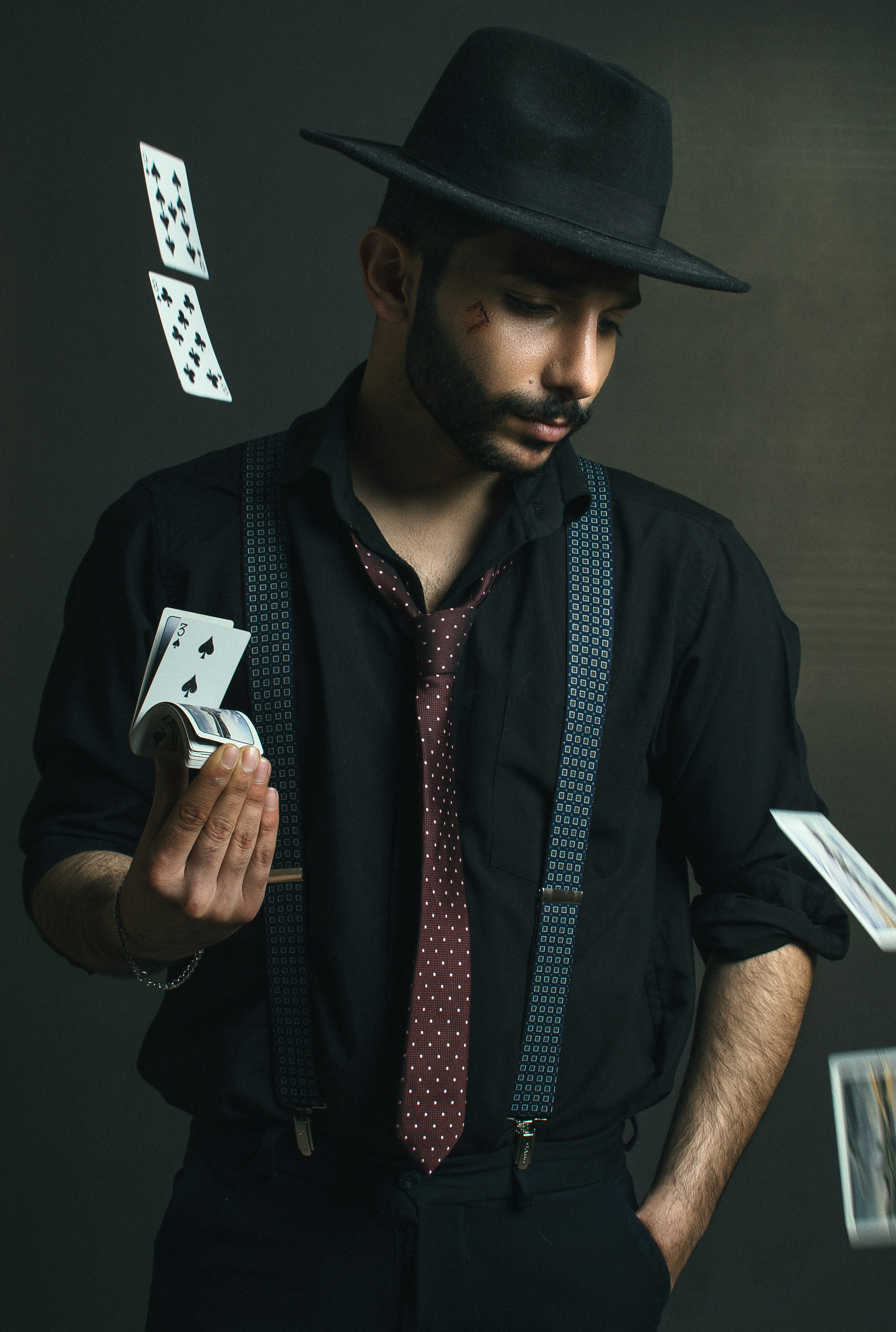
So, there you have it! From the psychology of stage fright to the art of storytelling, we’ve covered every aspect of how to practice magic tricks to perform confidently. Remember, magic is a journey, not a destination. Keep practicing, keep learning, and most importantly, keep having fun.
Ready to take your first step? Start with the “7-Step Roadmap” and watch your confidence soar. And if you ever feel stuck, just remember: every magician started exactly where you are now.
🔗 Recommended Links
- Books:
- Royal Road to Card Magic
- The Royal Road to Coin Magic
- Products:
- Bicycle Rider Back Cards
- Jumbo Coin Set
- Resources:
- Magic Trick™ Close-up Magic
- Magic Trick™ Magic Secrets
❓ FAQ

What are common mistakes to avoid when practicing magic illusions?
Common mistakes include practicing too little, performing too soon, and focusing on the wrong tricks. Avoid these by following the “7-Step Roadmap” and practicing regularly.
Read more about “🎩 Grand Illusions Explained: 10 Secrets Behind Magic’s Biggest Stunts (2026)”
How often should I practice magic tricks to build confidence?
Practice daily for at least 30 minutes. Consistency is key to building muscle memory and confidence.
Read more about “25 Common Mistakes Beginners Make When Learning Magic Tricks 🎩 (2026)”
What role does storytelling play in practicing magic tricks?
Storytelling is crucial. It connects the audience to the magic and makes the experience more memorable.
Read more about “🎩 How Magicians Invent New Tricks: The 7-Step Secret Revealed (2026)”
How do I overcome stage fright when performing magic tricks?
Use breathing exercises, visualization, and positive affirmations to calm your nerves. Remember, even the pros feel nervous.
Read more about “18 Easy Magic Tricks for Kids to Amaze Everyone in 2025 🪄”
What are effective rehearsal techniques for magic shows?
Effective techniques include recording yourself, practicing in front of a mirror, and performing for small groups before larger audiences.
Read more about “Audience Perception in Magic: 7 Secrets That Will Blow Your Mind 🎩 (2026)”
How can I improve my hand dexterity for magic performances?
Practice finger exercises, grip drills, and sleight of hand routines regularly. Consistency is key.
Read more about “🪄 15 Advanced Magic Techniques to Master in 2026”
What are the best beginner magic tricks to practice for confidence?
Start with self-working tricks like the “21 Card Trick” or “Invisible Deck.” These are easy to learn and perform.
What are the best daily exercises for improving magic trick confidence?
Practice breathing exercises, visualization, and positive affirmations daily. Also, perform for small groups regularly.
How can I overcome stage fright when performing magic tricks?
Use breathing exercises, visualization, and positive affirmations to calm your nerves. Remember, even the pros feel nervous.
Read more about “What Age is Appropriate to Start Teaching Children Easy Magic Tricks? … ✨”
What is the fastest way to master sleight of hand for beginners?
Start with basic moves like the French Drop or Biddle Grip. Practice them daily until they become automatic.
Read more about “7 Mesmerizing Egyptian Magic Tricks You Can Master in 2026 🔮”
How do I memorize magic routines without forgetting the steps?
Use scripting and visualization to memorize your routines. Break them down into smaller chunks and practice each part separately.
What are common mistakes that make magic tricks look amateurish?
Common mistakes include por timing, lack of misdirection, and over-explaining. Avoid these by practicing regularly and focusing on the story.
How should I practice magic tricks in front of a mirror?
Use the mirror to check your angles and movements. Make sure you can’t see the secret move from any angle.
What techniques do professional magicians use to build stage presence?
Professionals use storytelling, misdirection, and confidence to build stage presence. They also practice regularly and perform for small groups before larger audiences.
📚 Reference Links