
Support our educational content for free when you purchase through links on our site. Learn more
What Is the Most Classic Magic Trick? 🎩 Top 5 Timeless Illusions (2025)


Magic has fascinated humans for centuries, but have you ever wondered which trick truly holds the crown as the most classic magic trick? Is it the legendary Cups and Balls, the mysterious Linking Rings, or the iconic Rabbit-from-the-Hat? At Magic Trick™, we’ve delved deep into magic’s rich history and performed countless illusions to bring you the definitive list of the five most iconic classic magic tricks that continue to captivate audiences in 2025.
Stick around, because later we’ll reveal surprising psychological secrets behind these tricks, share pro tips on mastering them, and even recommend the best magic kits to get you started. Plus, discover how modern magicians reinvent these classics to keep the wonder alive. Ready to uncover the magic behind the magic? Let’s dive in!
Key Takeaways
- Classic magic tricks like the Cups and Balls and Linking Rings have endured for centuries due to their blend of skill, storytelling, and psychological misdirection.
- The five most iconic classic tricks include the Vanishing Coin, Linking Rings, Cups and Balls, Floating Card, and Sawing a Woman in Half.
- Understanding the psychology behind magic—such as misdirection and expectation violation—is key to mastering these illusions.
- Beginners should start with foundational tricks and quality props from trusted brands like Ellusionist and Penguin Magic to build essential skills.
- Modern magicians continually reinvent classics with creative twists, proving that timeless magic evolves while honoring tradition.
Ready to start your magical journey?
- 👉 Shop Magic Kits & Props:
Table of Contents
- ⚡️ Quick Tips and Facts About Classic Magic Tricks
- 🎩 The Timeless Allure: Origins and Evolution of Classic Magic Tricks
- ✨ The Five Most Iconic Classic Magic Tricks of All Time
- 🔍 What Makes a Magic Trick “Classic”? Key Elements and Characteristics
- 🧠 Psychology Behind Classic Magic Tricks: Why They Amaze Us
- 🛠️ How to Master Classic Magic Tricks: Tips from Professional Magicians
- 🎥 Famous Performances and Magicians Who Popularized Classic Tricks
- 🧩 Variations and Modern Twists on Classic Magic Tricks
- 🎁 Best Magic Kits and Props for Learning Classic Tricks
- 💡 Troubleshooting Common Challenges in Classic Magic Tricks
- 📚 Recommended Reading and Resources to Dive Deeper into Classic Magic
- 🔚 Conclusion: Why Classic Magic Tricks Still Captivate Audiences Today
- 🔗 Recommended Links for Magic Enthusiasts
- ❓ Frequently Asked Questions About Classic Magic Tricks
- 📑 Reference Links and Credible Sources
⚡️ Quick Tips and Facts About Classic Magic Tricks
Welcome to the enchanting world of classic magic tricks! If you’ve ever wondered what is the most classic magic trick, you’re in for a magical ride. At Magic Trick™, we’ve spent decades mastering, performing, and dissecting these timeless illusions. Here are some quick nuggets to get you started:
- ✅ Classic magic tricks are timeless — many date back centuries and are still performed today.
- ✅ The Cups and Balls trick is often called the “granddaddy of magic tricks” because it embodies core principles like vanish, appear, and multiply.
- ✅ Pulling a Rabbit from a Hat is the iconic image of magic but surprisingly less performed than you might think.
- ✅ Sleight of hand, misdirection, and storytelling are the secret sauce behind every classic trick.
- ✅ Classic tricks often have multiple variations and modern twists, keeping them fresh for new audiences.
- ✅ The psychology of surprise and wonder is as important as the mechanics of the trick itself.
For a deep dive into 102 classic magic tricks that still amaze in 2025, check out our detailed guide here: 102 Classic Magic Tricks That Still Amaze in 2025 🎩.
Curious about how these tricks evolved and why they still captivate? Let’s unravel the magic! ✨
🎩 The Timeless Allure: Origins and Evolution of Classic Magic Tricks
Magic isn’t just about pulling rabbits out of hats or sawing assistants in half — it’s a centuries-old art form steeped in culture, mystery, and showmanship. The roots of many classic tricks stretch back to ancient Egypt, Rome, and China, where magicians were revered as mystics or entertainers.
The Ancient Origins
- The Cups and Balls trick dates back over 2,000 years, with evidence found in Roman frescoes and Egyptian tombs.
- The Linking Rings likely originated in Asia, possibly Japan or China, symbolizing unity and eternity.
- Early magicians used simple props like coins, ropes, and cards to astound audiences, relying heavily on dexterity and misdirection.
Evolution Through the Ages
- The 19th century saw magic transition from street performances to grand theater shows, with magicians like Jean Eugène Robert-Houdin pioneering elegant presentations.
- The iconic Pulling a Rabbit from a Hat trick was first performed by Louis Comte in Paris in 1814, becoming a symbol of magic’s theatrical flair.
- The 20th century introduced illusions like Sawing a Woman in Half (P.T. Selbit, 1921) and levitation acts, pushing boundaries with technology and stagecraft.
Why Classic Tricks Endure
Classic magic tricks endure because they tap into universal human emotions: wonder, surprise, and curiosity. They combine technical skill with storytelling, creating moments that feel both impossible and intimate.
For more on magic’s rich history, explore our Magic History category.
✨ The Five Most Iconic Classic Magic Tricks of All Time
Ready to meet the legends? These five tricks have stood the test of time and continue to dazzle audiences worldwide. Each one is a masterclass in technique, psychology, and showmanship.
1. The Vanishing Coin: Sleight of Hand Mastery
Coins are the quintessential close-up magic prop. The vanishing coin trick is a staple for beginners and pros alike.
- Why it’s classic: Simple props, powerful effect.
- Key skills: Finger dexterity, timing, misdirection.
- Variations: French Drop, Classic Palm, Retention Vanish.
At Magic Trick™, we recommend starting with the “Classic Palm” technique — it’s the foundation for many coin vanish routines. Check out our Coin Tricks category for tutorials and pro tips.
2. The Linking Rings: Symbolism and Skill
The linking rings trick involves solid metal rings magically linking and unlinking in the magician’s hands.
- Historical roots: Possibly Asian origin, dating back centuries.
- Why it’s classic: Combines visual impact with elegant choreography.
- Performance tips: Smooth handling and rhythmic pacing are key.
Legendary magicians like Richard Ross have elevated this trick to an art form. It’s a crowd-pleaser that blends mystery with grace.
3. The Cups and Balls: The Granddaddy of Magic Tricks
Often called the oldest magic trick in the world, the cups and balls routine is a masterclass in misdirection and timing.
- Core effects: Vanish, appear, multiply, penetrate, transpose, transform.
- Why it’s classic: Tests a magician’s skill and audience management.
- Routine length: Can be brief or a full-length act.
Paul Daniels’ Chop Cup is a popular variation, while David Williamson’s routine is praised for its comprehensive approach. This trick is a rite of passage for magicians.
4. The Floating Card: Defying Gravity with Style
Levitation illusions have fascinated audiences for centuries, and the floating card is a close-up version that wows small groups.
- Why it’s classic: Combines simplicity with a magical visual.
- Techniques: Invisible thread, magnets, or sleight of hand.
- Modern twists: David Blaine’s street magic popularized this effect.
Mastering this trick requires patience and practice, but the payoff is huge — audiences love the “how did that happen?” moment.
5. The Sawing a Woman in Half Illusion: Drama and Mystery
This illusion is a theatrical spectacle that has evolved since P.T. Selbit’s 1921 debut.
- Why it’s classic: Combines suspense, drama, and spectacle.
- Variations: Clear boxes, buzz saws, multiple assistants.
- Modern takes: David Copperfield’s “Death Saw” is legendary.
It’s a perfect example of how magic blends storytelling with technical wizardry to create unforgettable moments.
🔍 What Makes a Magic Trick “Classic”? Key Elements and Characteristics
You might wonder, what exactly makes a magic trick “classic”? Is it age? Popularity? Complexity? We say it’s a blend of several factors:
Timeless Appeal
- Tricks that have been performed for decades or centuries.
- Effects that resonate universally — vanish, appear, transformation.
Fundamental Techniques
- Incorporate sleight of hand, misdirection, and audience engagement.
- Teach core skills that magicians build upon.
Versatility and Adaptability
- Can be performed in close-up, stage, or street magic settings.
- Allow for creative variations and personal flair.
Cultural Impact
- Recognizable imagery or effects that define magic in popular culture.
- Examples: pulling a rabbit from a hat, sawing in half, linking rings.
Classic tricks are the backbone of magic, forming the foundation for new generations of magicians to innovate.
🧠 Psychology Behind Classic Magic Tricks: Why They Amaze Us
Magic is as much about psychology as it is about mechanics. Classic tricks tap into how our brains perceive reality and process information.
Key Psychological Principles
- Misdirection: Diverting attention to conceal secret moves.
- Expectation Violation: Surprising the audience by breaking logical patterns.
- Cognitive Load: Overwhelming the brain’s ability to track multiple actions.
- Suspension of Disbelief: Inviting audiences to momentarily accept the impossible.
For example, the Cups and Balls trick uses misdirection so skillfully that audiences don’t notice the balls moving under the cups. The vanishing coin exploits our brain’s focus on one hand while the other performs the secret.
Understanding these principles helps magicians craft more impactful performances. Dive deeper into this fascinating topic in our Magic Theory category.
🛠️ How to Master Classic Magic Tricks: Tips from Professional Magicians
Mastering classic magic tricks isn’t just about memorizing moves — it’s about practice, presentation, and personality. Here are our top tips from the Magic Trick™ team:
Step 1: Learn the Fundamentals
- Start with basic sleight of hand techniques (palming, false transfers).
- Use quality props from trusted brands like Ellusionist or Penguin Magic.
Step 2: Practice with Purpose
- Practice in front of a mirror and record yourself.
- Focus on smoothness and natural movements.
Step 3: Master Misdirection
- Learn to control audience attention with gestures and eye contact.
- Timing is everything — misdirection must be seamless.
Step 4: Develop Your Presentation
- Craft a story or patter that complements the trick.
- Engage your audience emotionally — humor and suspense work wonders.
Step 5: Perform and Refine
- Start with friends and family, then small audiences.
- Take feedback seriously and adapt your routine.
Recommended Magic Kits for Beginners
| Kit Name | Best For | Included Tricks | Quality of Props | Instruction Clarity | Overall Rating (1-10) |
|---|---|---|---|---|---|
| Ellusionist Starter Kit | Beginners & Close-Up | Coin vanish, card tricks | 9 | 9 | 9 |
| Penguin Magic Essentials | Intermediate | Cups & Balls, linking rings | 8 | 8 | 8 |
| Melissa & Doug Magic Set | Kids & Beginners | Basic tricks, props | 7 | 7 | 7 |
👉 CHECK PRICE on:
🎥 Famous Performances and Magicians Who Popularized Classic Tricks
Many classic tricks owe their fame to legendary performers who added flair and innovation.
Pulling a Rabbit from a Hat
- First performed by Louis Comte in 1814.
- Popularized in modern times by magicians like Doug Henning and Siegfried & Roy.
Cups and Balls
- Paul Daniels’ performances brought the Chop Cup variation to TV audiences.
- David Williamson’s comprehensive routines remain a gold standard.
Sawing a Woman in Half
- P.T. Selbit’s 1921 debut shocked audiences.
- David Copperfield’s “Death Saw” (1995) is often cited as the greatest modern version.
Levitation and Floating Effects
- John Nevil Maskelyne introduced levitation in 1901.
- Harry Blackstone Jr. amazed audiences with the Floating Lightbulb.
- David Blaine revolutionized street levitation with minimal props.
The Linking Rings
- Richard Ross is renowned for his elegant handling.
- Penn & Teller have performed innovative versions with borrowed rings.
Want to see some of these iconic tricks in action? Check out the featured video for a captivating overview!
🧩 Variations and Modern Twists on Classic Magic Tricks
Classic doesn’t mean stuck in the past. Magicians continually reinvent these tricks to surprise new audiences.
Examples of Modern Twists
- Cups and Balls: Incorporating LED-lit cups or using transparent materials.
- Sawing in Half: Using clear boxes or multiple assistants for added drama.
- Linking Rings: Using borrowed rings or incorporating audience participation.
- Floating Card: Combining with digital effects or street magic flair.
Penn & Teller are masters at reinventing classics with humor and skepticism, showing how magic evolves while honoring tradition.
🎁 Best Magic Kits and Props for Learning Classic Tricks
If you’re eager to start your magical journey, having the right tools makes all the difference. Here are some of our top picks for classic magic kits and props:
| Product Name | Best For | Key Features | Durability | Instruction Quality | Overall Rating (1-10) |
|---|---|---|---|---|---|
| Ellusionist Classic Coin Set | Coin Tricks | High-quality coins, beginner-friendly | 9 | 9 | 9 |
| Penguin Magic Linking Rings | Linking Rings | Lightweight, smooth linking | 8 | 8 | 8 |
| Paul Daniels Chop Cup | Cups and Balls | Authentic design, professional grade | 9 | 8 | 9 |
| Melissa & Doug Magic Set | Beginners & Kids | Variety of props, easy instructions | 7 | 7 | 7 |
👉 Shop these on:
- Ellusionist Classic Coin Set on Amazon | Penguin Magic Linking Rings | Melissa & Doug Magic Set on Walmart
💡 Troubleshooting Common Challenges in Classic Magic Tricks
Even seasoned magicians hit snags. Here’s how to tackle common hurdles:
Problem: Audience Sees the Secret Move
- Solution: Improve misdirection by engaging the audience’s attention elsewhere.
- Tip: Practice timing — the secret move should happen when eyes are off you.
Problem: Props Are Clumsy or Noisy
- Solution: Invest in quality props from reputable brands.
- Tip: Test props in different lighting and sound environments.
Problem: Nervousness Affects Performance
- Solution: Rehearse in front of friends or record yourself.
- Tip: Develop a pre-show ritual to calm nerves.
Problem: Routine Feels Boring or Predictable
- Solution: Add storytelling or humor.
- Tip: Vary pacing and include surprises.
Remember, magic is as much about performance as technique. Keep refining your craft!
📚 Recommended Reading and Resources to Dive Deeper into Classic Magic
Hungry for more? Here are some of our favorite books and resources:
| Title | Author | Why Read It? | Link |
|---|---|---|---|
| Modern Coin Magic | J.B. Bobo | The bible for coin magic enthusiasts | Amazon |
| The Royal Road to Card Magic | Jean Hugard & Frederick Braué | Essential for card magic fundamentals | Amazon |
| Magic and Showmanship | Henning Nelms | Focuses on performance and presentation | Amazon |
| Strong Magic | Darwin Ortiz | Deep dive into psychological aspects | Amazon |
Plus, explore our Magic Secrets category for insider tips and tricks from pros.
Video: “World’s Most Famous Magic Tricks Revealed!” by #Mind Warehouse
Duration: 10:38 | Views: 15,287,945
If you’ve ever dreamed of becoming a wizard but missed your Hogwarts letter, this video is a must-watch! It breaks down some of the most iconic magic tricks in a fun and accessible way — perfect for beginners and enthusiasts alike. Check it out for a visual feast of magic history and technique.
That’s a wrap on the deep dive into classic magic tricks! Ready to start practicing or just marvel at the artistry? Stay tuned for the conclusion and more resources coming up next. 🎩✨
🔚 Conclusion: Why Classic Magic Tricks Still Captivate Audiences Today
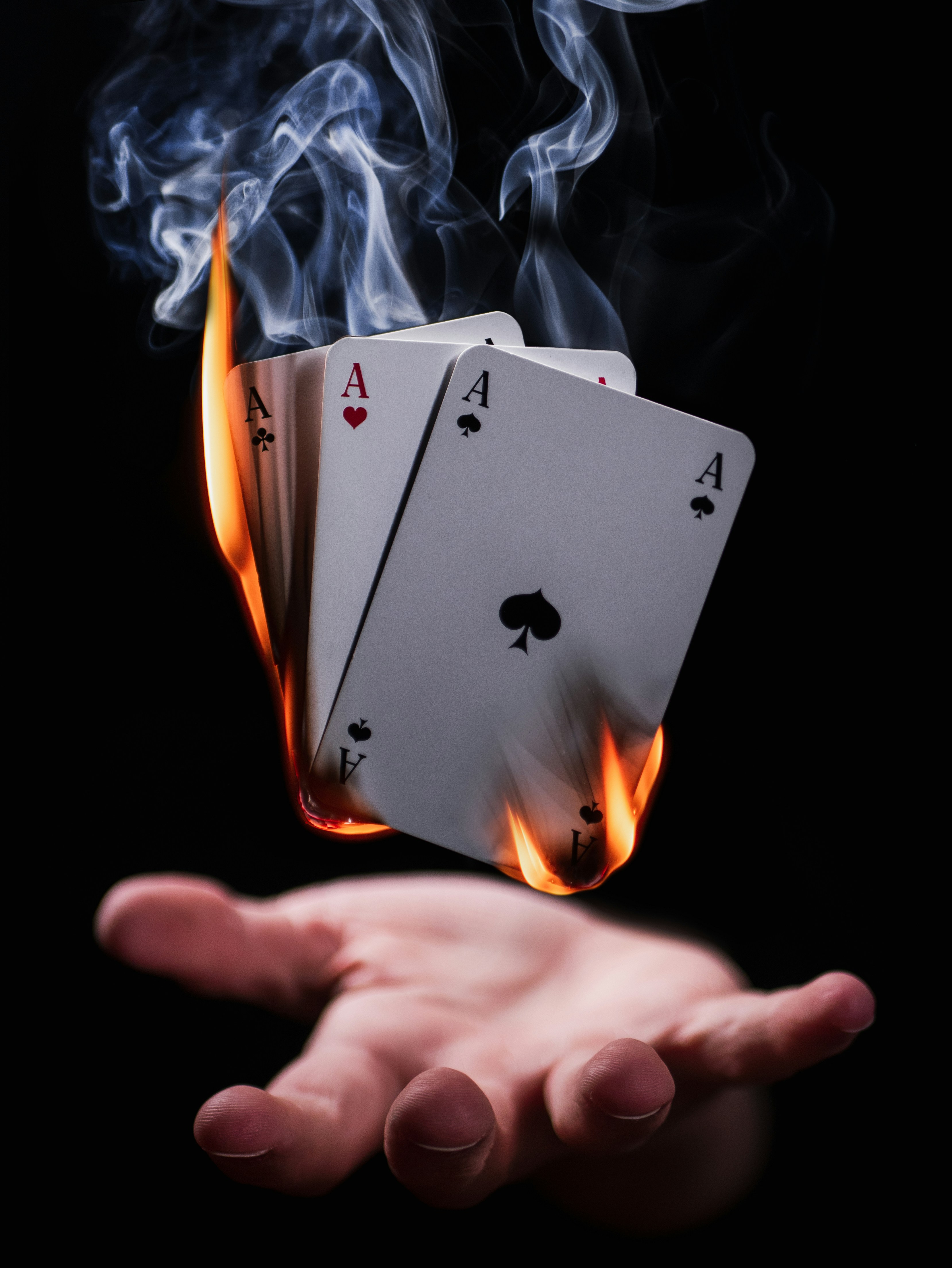
So, what is the most classic magic trick? As we’ve explored, the answer isn’t as simple as naming one trick. The magic world is rich with timeless illusions like the Cups and Balls, Linking Rings, and the iconic Pulling a Rabbit from a Hat — each a pillar of magic’s heritage. These tricks endure because they combine technical mastery, psychological insight, and engaging storytelling to create moments of pure wonder.
From the ancient origins of the Cups and Balls to the theatrical drama of sawing a woman in half, classic magic tricks have evolved but never lost their charm. They continue to inspire magicians and audiences alike, proving that the essence of magic lies not just in the trick itself but in the experience it creates.
If you’re inspired to learn, remember: mastering these classics is a journey of patience, practice, and passion. Whether you’re a beginner or a seasoned pro, these tricks offer endless opportunities to amaze and connect with your audience.
At Magic Trick™, we confidently recommend starting with foundational tricks like the vanishing coin or cups and balls — they build essential skills and open doors to the magical arts. And if you want to dive deeper, the right props and resources can make all the difference.
Ready to make magic? Your audience awaits! 🎩✨
🔗 Recommended Links for Magic Enthusiasts
Here are some top-quality products and resources to kickstart or elevate your magic journey:
-
Ellusionist Starter Kit:
Amazon | Ellusionist Official Website -
Penguin Magic Essentials Kit:
Penguin Magic Official Website -
Melissa & Doug Magic Set:
Walmart | Melissa & Doug Official Website -
Ellusionist Classic Coin Set:
Amazon -
Paul Daniels Chop Cup:
Penguin Magic -
Recommended Books:
❓ Frequently Asked Questions About Classic Magic Tricks
What are some easy magic tricks to learn for beginners?
Starting simple is key! Tricks like the vanishing coin, floating card, and basic card controls are excellent entry points. These tricks require minimal props but teach essential skills like sleight of hand and misdirection. Kits from brands like Ellusionist and Melissa & Doug offer beginner-friendly props and clear instructions. Remember, practice and presentation are just as important as the trick itself.
How do magicians perform classic magic tricks like sawing a woman in half?
The Sawing a Woman in Half illusion is a carefully choreographed theatrical trick involving hidden compartments, assistants, and clever staging. The original method by P.T. Selbit used a box with space for the assistant to curl up safely. Modern versions use clear boxes or multiple assistants for added drama. The key is illusion of danger combined with perfect timing and misdirection. While the mechanics are secret, the effect relies heavily on audience perspective and showmanship.
What are the most famous magic tricks of all time and how are they done?
Some of the most famous magic tricks include:
- Pulling a Rabbit from a Hat: Uses a hidden compartment or trapdoor in the hat or table.
- Cups and Balls: Involves sleight of hand to secretly move balls under cups.
- Linking Rings: Rings are gimmicked to link and unlink smoothly.
- Levitation: Uses wires, mirrors, or hidden supports.
- Sawing a Woman in Half: Employs boxes and assistants to create the illusion.
While the exact methods are closely guarded secrets, these tricks combine mechanical devices, sleight of hand, and psychological misdirection to create their effects.
What are some common magic trick techniques used by professional magicians to deceive audiences?
Professional magicians rely on techniques such as:
- Sleight of Hand: Skillful manipulation of objects to conceal actions.
- Misdirection: Drawing the audience’s attention away from the secret move.
- Forcing: Controlling a spectator’s choice to a predetermined outcome.
- Palming: Concealing objects in the hand.
- Switches: Substituting one object for another without detection.
- Timing and Patter: Using storytelling and timing to enhance deception.
Mastering these techniques requires practice and understanding of human perception, which is why magic is as much psychology as it is performance art.
📑 Reference Links and Credible Sources
For further verification and exploration, check out these reputable sources:
-
Wikipedia: 50 Greatest Magic Tricks
-
Magic Circle Official Site: The Magic Circle
-
Ellusionist: https://www.ellusionist.com/
-
Penguin Magic: https://www.penguinmagic.com/
-
Melissa & Doug: https://www.melissaanddoug.com/
Thank you for joining us on this magical journey! Remember, the true magic lies not just in the trick but in the joy and wonder you create. Keep practicing, stay curious, and never stop amazing your audience! 🎩✨


