
Support our educational content for free when you purchase through links on our site. Learn more
What Is the Easiest Magic Trick? 15 Simple Illusions to Amaze in 2026 🪄


Have you ever watched a magician’s hands move so fast you couldn’t believe your eyes—and wondered, “Could I ever do that?” The truth is, some of the most jaw-dropping magic tricks are surprisingly easy to learn, requiring nothing more than a little practice, everyday objects, and a pinch of showmanship. Whether you want to impress your kids, break the ice at a party, or just add a sprinkle of wonder to your day, mastering the easiest magic tricks is your golden ticket.
In this guide, we’ll reveal 15 of the simplest magic tricks that anyone can perform, from the classic disappearing coin to the mind-bending invisible water illusion. Plus, we’ll share insider tips on how to practice like a pro, choose the right props, and deliver your performance with confidence. Did you know that even ancient magicians used tricks as simple as the ones you’ll learn here? Stick around, because by the end, you’ll be ready to create your own moments of magic that leave everyone asking, “How did you do that?!”
Key Takeaways
- Easy magic tricks rely on misdirection and simple sleight of hand, not complicated moves.
- Household items like coins, cards, and rubber bands can be your best props.
- Confidence and engaging storytelling are just as important as the trick itself.
- Magic benefits kids and adults alike by boosting confidence, creativity, and social skills.
- Practice smart: short, focused sessions and performing in front of a mirror work wonders.
Ready to start your magical journey? Let’s dive into the easiest tricks that will have you wowing audiences in no time!
Table of Contents
- ⚡️ Quick Tips and Facts About the Easiest Magic Tricks
- 🎩 The Magical Origins: A Brief History of Simple Magic Tricks
- 🪄 Why Choose Easy Magic Tricks? Benefits for Beginners and Kids
- 1. 🃏 Top 15 Easiest Magic Tricks to Learn and Perform Today
- 👶 Easy Magic Tricks Perfect for Kindergarteners (Ages 5 and Up)
- 🧒 Engaging Magic Tricks for Kids (Ages 7 and Up) to Impress Friends
- 🧙 Beginner Magic Tricks for Older Kids and Teens: Step Up Your Game
- 🔧 Essential Magic Tools and Props for Easy Tricks: What You Need to Start
- 🎥 How to Practice and Perfect Your Easy Magic Tricks Like a Pro
- 🤹 ♂️ Tips for Performing Easy Magic Tricks with Confidence and Style
- 🧠 The Psychology Behind Simple Magic Tricks: Why They Amaze Everyone
- 📚 Recommended Books and Online Resources for Learning Easy Magic Tricks
- 💡 Creative Ways to Customize and Personalize Your Easy Magic Tricks
- 🎉 Hosting a Magic Show at Home: Fun Ideas Using Easy Tricks
- 🛒 Where to Buy Magic Kits and Supplies for Beginners
- 🔍 Troubleshooting Common Mistakes in Easy Magic Tricks
- 🎭 Inspiring Stories from Magicians Who Started with Easy Tricks
- 🧙 ♂️ Conclusion: Your Magical Journey Starts Here!
- 🔗 Recommended Links for Magic Enthusiasts
- ❓ Frequently Asked Questions About the Easiest Magic Tricks
- 📖 Reference Links and Credible Sources
⚡️ Quick Tips and Facts About the Easiest Magic Tricks
Welcome, aspiring sorcerers and curious minds! Ever wondered what it takes to conjure a little wonder? The truth is, you don’t need years of practice or expensive props to start. In fact, learning how to do the easiest magic trick is often the first step on a truly enchanting journey. We at Magic Trick™ believe that anyone can perform a captivating illusion, and we’re here to guide you.
Here are some quick facts and insights to get your magical journey started:
- Simplicity is Key ✅: The easiest magic tricks often rely on clever misdirection, basic sleight of hand, or scientific principles disguised as magic, rather than complex dexterity.
- Confidence Builder 💪: As Nicholas “Magical Nick” Pugh wisely points out, “Learning magic tricks at a young age builds confidence and helps with social building skills.” This isn’t just for kids; adults also gain a fantastic boost in self-assurance and public speaking abilities.
- Household Items are Your Props 🏠: Many beginner magic tricks require nothing more than a deck of cards, a few coins, a rubber band, or even just a pencil. No need for a trip to a specialized magic shop just yet!
- Practice Makes Perfect (But Not Too Much!) ⏱️: While practice is essential for smooth execution, the beauty of easy tricks is that they often don’t demand hundreds of hours. A few dedicated sessions can make you performance-ready.
- Audience Engagement is Magic Itself 🗣️: The real magic often happens in the interaction with your audience. Engaging patter (the story or dialogue accompanying your trick) can elevate even the simplest illusion.
- Age-Appropriate Fun 👶🧒🧙: There are fantastic easy magic tricks suitable for every age group, from kindergarteners to seasoned adults. We’ll show you how to tailor your performance.
- Misdirection is Your Superpower 🦸: This is the magician’s secret weapon. Learning to control where your audience is looking (or not looking) is fundamental to almost every trick, easy or complex.
- It’s Not About Deception, It’s About Wonder ✨: Our goal isn’t to fool people in a malicious way, but to create a moment of genuine astonishment and joy. That’s the true spirit of magic!
Ready to dive deeper into the world of simple illusions and discover your first truly impressive feat? Let’s pull back the curtain!
🎩 The Magical Origins: A Brief History of Simple Magic Tricks
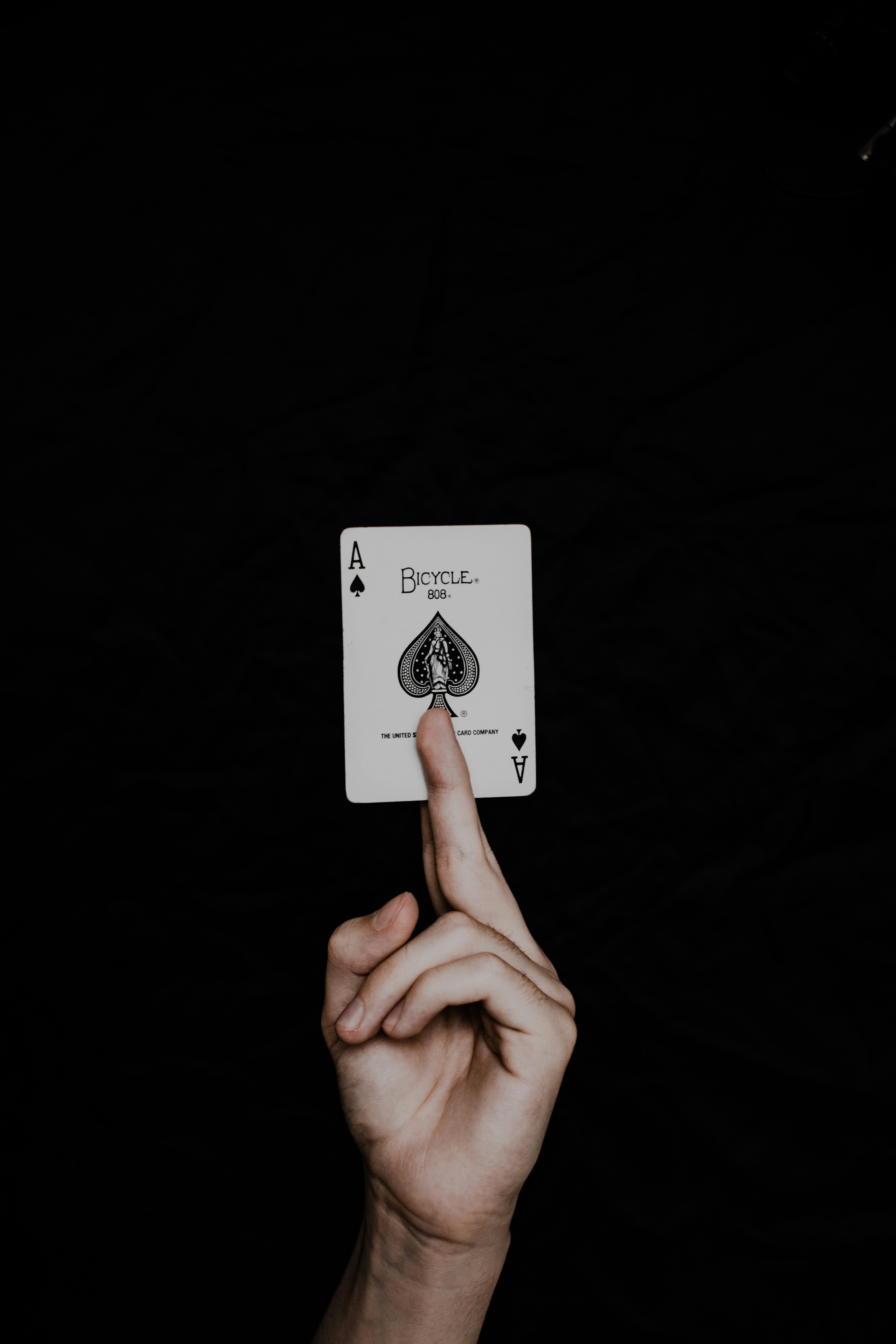
Magic, in its simplest forms, has been enchanting humanity for millennia. Before grand illusions and elaborate stage shows, there were ancient parlor tricks and historical sleight of hand that captivated audiences with minimal props. Think about it: the earliest shamans and priests often used simple illusions, like making smoke appear or objects vanish, to demonstrate divine power or wisdom. These weren’t complex feats of engineering, but often clever applications of natural phenomena or basic human psychology.
For example, the classic “cups and balls” routine, a cornerstone of modern close-up magic, has roots tracing back to ancient Egypt, depicted in hieroglyphs from the Beni Hasan tombs around 2500-2000 BCE! While the modern version can be incredibly intricate, its core principle – making small objects appear, vanish, and transpose under cups – is surprisingly simple to grasp at a basic level. It’s all about misdirection and timing. You can explore more about the fascinating evolution of magic in our Magic History section.
Fast forward to the Middle Ages, and traveling performers would use simple coin vanishes or card manipulations to entertain crowds in town squares. These were often tricks that could be performed with everyday items, relying on the performer’s charisma and quick hands. The goal was always the same: to create a moment of impossible wonder. Even in the Victorian era, when magic became a popular form of entertainment in homes, the focus was often on easy magic tricks for beginners that could be learned from books and performed for family and friends.
So, when you learn a simple coin vanish or a basic card trick today, you’re not just learning a trick; you’re tapping into a lineage of performers who have been delighting audiences with similar principles for thousands of years. It’s a testament to the enduring power of simple, well-executed magic.
🪄 Why Choose Easy Magic Tricks? Benefits for Beginners and Kids
Why bother with magic, especially the easy stuff? Is it just for impressing your friends at a party? While that’s certainly a fun perk, the benefits of delving into beginner magic go far beyond mere entertainment. From boosting self-esteem to sharpening cognitive skills, the advantages are truly magical!
We’ve seen countless individuals, both young and old, transform through the art of illusion. Here’s why we confidently recommend starting with easy magic tricks:
- Confidence & Social Skills 💪: This is perhaps the most significant benefit. Performing, even a simple trick, requires you to step outside your comfort zone, engage with an audience, and command attention. As Nicholas “Magical Nick” Pugh, a respected children’s entertainer, emphasizes, “Learning magic tricks at a young age builds confidence and helps with social building skills.” For shy children, it provides a structured way to interact and receive positive feedback. For adults, it’s a fantastic icebreaker and conversation starter.
- Fine Motor Skills & Dexterity 🤏: Many easy tricks, especially those involving cards or coins, require precise hand movements. Practicing these tricks helps develop and refine fine motor skills, hand-eye coordination, and dexterity. It’s like a fun workout for your fingers!
- Problem-Solving & Critical Thinking 🤔: Magic isn’t just about doing; it’s about understanding. You learn the mechanics of a trick, but also how to present it, how to recover if something goes wrong, and how to adapt to different audiences. This fosters creative problem-solving and encourages you to think “outside the box.”
- Patience & Discipline 🧘: Mastering even an “easy” trick takes practice. You learn the value of repetition, the importance of details, and the discipline required to perfect a performance. This patience translates into other areas of life.
- Creativity & Imagination 🎨: Once you understand the basic principles, you can start to personalize tricks, invent your own patter, and even create new variations. Magic is a wonderful outlet for imaginative expression.
- Public Speaking & Storytelling 🗣️: A magic trick isn’t just a series of moves; it’s a performance. You learn to tell a story, engage your audience with your voice, and use body language effectively. These are invaluable skills in any social or professional setting.
- Understanding Human Psychology 🧠: At its heart, magic is about understanding how the human mind works. You learn about misdirection, perception, and how to subtly influence attention. This insight can be surprisingly useful in everyday interactions.
- Pure Fun & Wonder ✨: Let’s not forget the most obvious benefit! Magic is inherently fun. It brings joy to both the performer and the audience, creating memorable moments of shared wonder. As magician Gary Ferrar puts it, “When I perform for kids, I try to help them feel like adults, and when I perform for adults, I try to make them feel like kids.” It’s about connecting through shared amazement.
| Benefit Category | Description | | Difficulty: 2/10 (Very Easy) Materials: 2 disposable cups, soda bottle, water, paper towel (optional) Description: This trick, also highlighted by Care.com, creates the illusion that you’re pouring water into a cup, but the cup remains mysteriously dry. It’s a fantastic visual surprise! Step-by-Step:
- Preparation (Secret!): Before your audience arrives, take one disposable cup. Tear off a small piece of paper towel or a sponge and place it at the very bottom of the cup.
- The Secret Move: Carefully pour a small amount of water onto the paper towel/sponge, just enough for it to absorb completely. The cup should look empty and dry from the outside.
- The Performance: Hold up the “empty” cup and another empty cup. Announce that you will make water disappear.
- The Pour: From your soda bottle (or any water container), pretend to pour water into the prepared cup. Tilt the bottle as if water is flowing, but ensure no extra water actually goes in. The absorbed water is already there, hidden!
- The Reveal: After a dramatic pause, turn the cup upside down over the second empty cup or your hand. No water comes out! The cup is “dry.”
- The “Wow” Factor: You can even show the inside of the cup, quickly wiping away any visible moisture with your thumb if needed, making it appear truly empty. Tips:
- Use a clear soda bottle for the “pour” to make it look more convincing that water is coming out.
- Practice the pouring motion so it looks natural.
- “Invisible Water” is a great easy magic trick for kindergarteners because it’s safe and has a big visual payoff.
1.1 Card Tricks That Wow Without the Hassle
Card tricks are the bread and butter of many magicians, and thankfully, some of the most impressive ones are also incredibly easy. You don’t need to be a card shark to perform these! For more card-based wonders, check out our Card Tricks section.
2. The Four Ace Production (Beginner Version) 🃏
Difficulty: 3/10 (Easy) Materials: A standard deck of Bicycle playing cards. Description: Magically produce all four aces from a shuffled deck. This trick looks far more impressive than the minimal effort it requires. Step-by-Step:
- Secret Setup: Before the trick, secretly locate the four aces and place them on top of the deck.
- False Shuffle (Crucial!): Offer the deck to a spectator to “shuffle.” When they return it, perform a false shuffle (a shuffle that appears genuine but leaves the top cards undisturbed). A simple overhand false shuffle is perfect here:
- Hold the deck in your left hand.
- With your right hand, peel off a small packet from the top (the aces).
- Drop the rest of the deck on top of the aces.
- Repeat this a few times, always ensuring the top packet (the aces) ends up back on top.
- Alternatively, you can just cut the deck a few times, ensuring the top packet always ends up on top.
- The Reveal: Announce that you will now find the four aces. You can deal the top four cards face up, or fan through the deck and dramatically pull them out. The audience will be amazed that you found them so quickly after their “shuffle.” Tips:
- The false shuffle is the most important part. Practice it until it looks completely natural and convincing.
- Add some patter about your “amazing card finding abilities” or “the cards just wanting to be together.”
- This is a great beginner magic trick for older kids and teens, as it introduces basic sleight of hand.
3. The Ambitious Card (One Card Rise) ⬆️
Difficulty: 4/10 (Easy to Medium) Materials: A standard deck of cards. Description: A chosen card repeatedly rises to the top of the deck, even after being placed in the middle. This is a classic effect that always gets a strong reaction. Step-by-Step:
- The Force (Optional but Recommended): Have a card chosen. For an easy start, you can simply have them pick any card. For a more controlled effect, learn a simple card force (e.g., the “riffle force” or “cross-cut force”) to ensure they pick a specific card you’ve already noted.
- The Palm (Secret!): Once the card is chosen and remembered, have them return it to the top of the deck. As you square up the deck, secretly palm the chosen card into your right hand (if you’re right-handed). This means holding it concealed in your palm while your hand appears empty.
- The Placement: With the chosen card palmed, gesture with your “empty” right hand towards the middle of the deck. With your left hand, open the deck in the middle and pretend to push the chosen card into the center. In reality, you’re just pushing a random card into the center, while the chosen card is still palmed.
- The Reveal: Snap your fingers, tap the deck, or make a magical gesture. Then, dramatically turn over the top card of the deck. It’s their chosen card!
- Repeat (Optional): For an even stronger effect, you can repeat this a second time, making it even more baffling. Tips:
- The key is the misdirection during the palm and the convincing gesture of placing the card in the middle.
- Practice the palm until it’s invisible. You can find many tutorials for the “classic palm” or “tenkai palm” online.
- This trick is excellent for developing close-up magic skills.
4. The Card Prediction (Simple Version) 🔮
Difficulty: 2/10 (Very Easy) Materials: A deck of cards, a pen, a small piece of paper. Description: You predict a chosen card before it’s even selected. This relies on a clever setup rather than sleight of hand. Step-by-Step:
- Secret Setup: Before the trick, secretly look at the bottom card of the deck. Let’s say it’s the 7 of Hearts.
- The Prediction: Write “7 of Hearts” on your piece of paper, fold it up, and place it clearly in view of the audience, perhaps under a glass or on the table. Emphasize that you wrote this before anything happened.
- The Force (Key!): Now, you need to force the spectator to choose the 7 of Hearts. A simple way is the “cut and complete” force:
- Hold the deck out and ask the spectator to cut the deck anywhere they like.
- As they lift the top portion, tell them to “look at the card they cut to.”
- Crucially, when they lift the top portion, you quickly and subtly flip over the bottom portion (which has the 7 of Hearts on top) and place it on the table. Then, place the spectator’s cut-off portion on top of that.
- This makes it appear they cut to a random card, but they’ve actually cut to the card that was originally at the bottom of the deck.
- The Reveal: Ask them what card they chose. When they say “7 of Hearts,” dramatically unfold your prediction. Tips:
- The “cut and complete” force needs to be smooth and confident. Practice the subtle flip of the bottom packet.
- The patter should build anticipation for the prediction.
- This is a great easy magic trick for kids (ages 7 and up) as it involves a bit more presentation.
1.2 Mind-Blowing Coin Tricks Anyone Can Master
Coins are fantastic props for close-up magic. They’re small, readily available, and their solid nature makes their disappearance or reappearance truly baffling. Our Coin Tricks section has even more ideas!
5. The Disappearing Coin (French Drop Method) 🪙
Difficulty: 3/10 (Easy) Materials: A single coin (quarter or half-dollar works best). Description: Make a coin vanish from one hand and reappear from an unexpected place. This is a fundamental sleight of hand move. Step-by-Step:
- The Setup: Hold the coin between your thumb and forefinger of your left hand (if you’re right-handed), displaying it clearly to the audience.
- The “Take”: Bring your right hand over to “take” the coin. Your right thumb and forefinger should appear to grasp the coin.
- The Secret Drop: As your right hand moves in, your left thumb secretly pushes the coin into your left palm. Your left fingers curl slightly to conceal it.
- The Misdirection: Your right hand, now empty, continues the motion as if it’s holding the coin, moving away and closing into a fist. Your eyes should follow your right hand, directing the audience’s attention there.
- The Vanish: Open your right hand to show it empty. The coin has vanished!
- The Reappearance: With the coin secretly palmed in your left hand, you can now make it reappear from behind an ear, from your pocket, or from a spectator’s elbow. Tips:
- Timing is everything. The secret drop into the left palm must happen simultaneously with the right hand’s “take.”
- Misdirection is crucial. Your gaze and body language should convince the audience the coin is in your right hand.
- This is a perfect easy magic trick for kids (ages 7 and up) to develop dexterity.
6. Coin Through Hand 🖐️
Difficulty: 2/10 (Easy) Materials: A single coin. Description: Make a coin appear to pass right through your hand. A simple, yet effective illusion. Step-by-Step:
- The Setup: Hold the coin in your right hand, between your thumb and forefinger. Show it clearly.
- The “Push”: Bring your left hand over and cup it slightly, as if you’re going to push the coin into your left palm.
- The Secret Drop: As your left hand comes over, secretly drop the coin from your right hand into your lap (if sitting at a table) or into your right pocket (if standing).
- The Illusion: Your left hand closes into a fist, appearing to hold the coin. Your right hand then “pushes” through the top of your left fist, making a pushing motion.
- The Reveal: Open your left hand to show it empty. Then, reveal the coin from your lap or pocket. Tips:
- The drop needs to be silent and unseen. Practice the timing.
- The “pushing” motion with your right hand should be convincing, as if you’re really forcing something through.
- This trick is great for close-up magic and can be done impromptu.
7. Pluck a Coin from Thin Air (Care.com Method) ✨
Difficulty: 4/10 (Medium, due to setup) Materials: A coin, a small piece of tape, a twig or safety pin (optional for advanced setup). Description: This trick, mentioned by Care.com, creates the illusion of pulling a coin from seemingly empty air, using a clever pre-setup. Step-by-Step:
- Secret Setup: Before the trick, take your coin and tape it to the back of your hand, near your wrist, or under your watch/bracelet if you have one. The goal is for it to be completely hidden from view when your hand is open, but easily accessible with a slight movement.
- The Performance: Show your hands empty, palms facing the audience. Wiggle your fingers, emphasizing that there’s nothing there.
- The “Pluck”: With a dramatic gesture, bring your hands together as if you’re catching something invisible. As your hands meet, use your thumb or another finger to slide the taped coin from its hiding spot into your palm.
- The Reveal: Slowly open your hands, revealing the coin as if you just materialized it from thin air. Tips:
- The tape needs to be strong enough to hold the coin but allow for a smooth release. Experiment with different types of tape (e.g., Scotch Magic Tape).
- The misdirection of showing empty hands and the dramatic “pluck” are key to making this believable.
- This trick is impressive for audiences once mastered, as noted by Care.com.
1.3 Simple Rope and String Magic for Instant Awe
Rope tricks are fantastic because they’re highly visual and easy to follow. A simple piece of string can become a magical prop in your hands!
8. The Cut and Restored Rope (Beginner Version) ✂️
Difficulty: 4/10 (Medium) Materials: A length of soft rope (about 2-3 feet), a pair of scissors. Description: You cut a piece of rope in half, then magically restore it back to one piece. This is a classic that always gets gasps. Step-by-Step:
- Secret Setup: Before the trick, tie a small, loose knot in the middle of your rope. This knot should be barely noticeable.
- The Performance: Hold the rope horizontally, showing it as one continuous piece.
- The “Cut”: Bring the scissors to the side of the knot, not directly through it. Pretend to cut the rope in half, but you’re actually just cutting one of the loops of the knot.
- The Illusion: Hold the two “ends” of the rope, making it appear as if you have two separate pieces. You’re actually holding the two ends of the original rope, with the cut loop of the knot creating the illusion of a break.
- The Restoration: With a magical gesture, pull on the rope. The knot will unravel, and the rope will appear to be restored to one piece. Tips:
- The knot needs to be loose enough to unravel easily but tight enough to hold the illusion of being cut.
- Practice the cutting motion so it looks convincing.
- This trick is a great introduction to illusions and misdirection.
9. The Jumping Rubber Band 🚀
Difficulty: 2/10 (Easy) Materials: One rubber band. Description: A rubber band magically jumps from two fingers to two other fingers on your hand. Step-by-Step:
- The Setup: Place a rubber band around your index and middle fingers. Show it clearly.
- The Secret Move: Curl your fingers into a loose fist. As you do this, secretly stretch the rubber band over all four fingers, tucking it behind your ring and pinky fingers. From the front, it should still appear to be only on your index and middle fingers.
- The Performance: Announce that you will make the rubber band jump.
- The Reveal: With a dramatic flick or snap, open your hand. The rubber band will appear to have jumped to your ring and pinky fingers! Tips:
- The secret stretch needs to be done smoothly and quickly, hidden by the curling of your fingers.
- The misdirection is to draw attention to the “jump” and away from the setup.
- This is a fantastic easy magic trick for kindergarteners and older kids, as it’s visual and uses a common item.
10. The Magnetic Pencil (Care.com Method) ✏️
Difficulty: 1/10 (Super Easy) Materials: A pencil, your hand. Description: Make a pencil appear to stick to your hand as if by magic. Care.com highlights this as a simple yet effective trick. Step-by-Step:
- The Setup: Hold the pencil in your hand, with your thumb pressing it against your palm.
- The Illusion: Curl your fingers around the pencil, but don’t let them fully grasp it. Your thumb is doing all the work of holding it in place.
- The Reveal: Slowly open your fingers, making it look like the pencil is magically sticking to your palm. Your thumb remains pressed against the pencil, keeping it in place.
- The Misdirection (Optional): Care.com suggests using a watch or bracelet as a distraction. You can gesture towards your wrist, saying, “Is it my watch? No, it’s just pure magic!” while your thumb subtly holds the pencil. Tips:
- Practice holding the pencil with just your thumb so it looks natural.
- Don’t hold it too tightly, or it will look forced.
- This is an excellent easy magic trick for kindergarteners due to its simplicity.
11. The Rubber Pencil Trick (Care.com Method) 〰️
Difficulty: 1/10 (Super Easy) Materials: A pencil. Description: Make a pencil appear to bend and become rubbery with a simple shaking motion. Care.com notes this requires no special skills. Step-by-Step:
- The Setup: Hold a pencil firmly between your thumb and forefinger, near the eraser end.
- The Illusion: Rapidly shake your hand up and down, making sure your wrist is loose and the pencil vibrates quickly.
- The Effect: The rapid vibration creates an optical illusion, making the pencil appear to bend and become flexible, like rubber. Tips:
- The key is the speed and consistency of the shake.
- Focus on the middle of the pencil, not your hand.
- This is one of the easiest magic tricks to learn and perfect for any age.
12. The Spoon Bending Illusion (Care.com Method) 🥄
Difficulty: 3/10 (Easy, but requires practice for realism) Materials: A spoon. Description: Create the illusion that you are bending a solid spoon with your mind, similar to Uri Geller. Care.com emphasizes technique and practice. Step-by-Step:
- The Setup: Hold the spoon firmly in one hand (e.g., your right hand) with the bowl facing away from you. Your thumb should be on the handle, and your fingers curled around the bowl.
- The Illusion: Bring your other hand (e.g., your left hand) over the spoon, as if you’re concentrating your mental energy.
- The Secret Bend: While your left hand is covering the spoon, use your right thumb to apply pressure to the handle, subtly bending it just a tiny bit downwards, so it rests against your right fingers. From the audience’s perspective, it should look like the spoon is still straight.
- The Reveal: Slowly remove your left hand, revealing the spoon. Because of the slight bend and the way you’re holding it, it will appear to be dramatically bent downwards, as if by your mental power. Tips:
- The subtle bend needs to be done quickly and hidden by your other hand.
- The angle is crucial. Practice in front of a mirror to find the most convincing angle.
- Care.com notes this trick “takes practice” to master the technique and hand movement.
👶 Easy Magic Tricks Perfect for Kindergarteners (Ages 5 and Up)
Magic is a fantastic way to engage young children, sparking their imagination and building early confidence. When choosing easy magic tricks for kindergarteners (ages 5 and up), we prioritize safety, simplicity, and a high “wow” factor. These tricks are often visual, require minimal dexterity, and can be performed with everyday objects. Parental involvement is always recommended for supervision and to help with presentation.
Here are some top picks, building on the list above and adding more:
- Invisible Water (See #1 above) ✅: This trick is a winner because it’s safe, uses water, and has a clear, surprising outcome. Kids love the idea of making something disappear!
- The Rubber Pencil Trick (See #11 above) ✅: Super simple, no setup, and a fun optical illusion. It’s a great first trick for a child to learn independently.
- The Jumping Rubber Band (See #9 above) ✅: Highly visual and uses a common item. The “jump” is very clear and surprising for young audiences.
- The Magnetic Pencil (See #10 above) ✅: Another easy one that makes a common object do something impossible. It’s great for showing off “superpowers.”
- The Disappearing Crayon 🖍️
- Difficulty: 2/10
- Materials: A crayon, a piece of paper.
- Description: Make a crayon vanish and reappear from behind your ear.
- Step-by-Step: Hold the crayon in one hand. Bring your other hand over it, pretending to take it. As you do, secretly drop the crayon into your lap or pocket. Show your hand empty. Then, with the crayon secretly palmed in your other hand, “find” it behind a child’s ear.
- Tips: Emphasize the “magic words” and a dramatic gesture.
- The Magic Coloring Book 🎨
- Difficulty: 1/10
- Materials: A special “Magic Coloring Book” (available at most magic shops or toy stores).
- Description: A coloring book that appears to be blank, then filled with outlines, then fully colored, all with a flick of the wrist.
- Analysis: This is a classic prop that does all the work for the child. It’s a fantastic way to introduce the concept of a “magic prop” and instantly get a great reaction.
- 👉 Shop Magic Coloring Book on: Amazon | Walmart | Marvin’s Magic Official
🧒 Engaging Magic Tricks for Kids (Ages 7 and Up) to Impress Friends
As children grow, their dexterity and understanding of concepts like misdirection improve. This opens up a whole new world of engaging magic tricks for kids (ages 7 and up) that are perfect for impressing friends, family, and even school talent shows! These tricks often involve a bit more practice and a touch of storytelling. They’re also excellent for developing early Close-up Magic skills.
Here are some fantastic options:
- The Disappearing Coin (French Drop Method) (See #5 above) ✅: This is a fundamental move that, once mastered, allows for endless variations. It’s a true piece of sleight of hand.
- Coin Through Hand (See #6 above) ✅: A visual stunner that makes a solid object appear to pass through another solid object.
- The Card Prediction (Simple Version) (See #4 above) ✅: Introduces the concept of a “force,” which is a powerful tool in a magician’s arsenal.
- The Four Ace Production (Beginner Version) (See #2 above) ✅: A great way to introduce false shuffles and the idea of a pre-set deck.
- Walking Through Paper (Care.com Method) 🚶 ♀️
- Difficulty: 3/10 (Requires careful cutting)
- Materials: A sheet of paper (letter or A4 size), scissors.
- Description: Cut a single sheet of paper in such a way that you can step through the resulting hole. Care.com notes this requires careful cutting.
- Step-by-Step:
- Fold the paper in half lengthwise.
- Starting from the folded edge, make a series of cuts almost to the open edge, alternating from one side of the fold to the other.
- Then, cut along the folded edge between each of your previous cuts, but not the very first and last fold.
- Unfold the paper, and you’ll have a giant loop you can step through!
- Tips: This is more of a science puzzle than a magic trick, but it’s incredibly baffling and fun to present as “paper magic.”
- Cup Through the Table (Care.com Method) ☕
- Difficulty: 4/10 (Requires good misdirection)
- Materials: A cup, a piece of paper, a small object (like a coin or a crumpled napkin), a table.
- Description: Create the illusion of pushing a cup right through a solid table. Care.com lists this as an impressive trick.
- Step-by-Step:
- Place the small object on the table. Cover it with the cup.
- Place the piece of paper over the cup.
- With one hand, lift the cup and the paper, showing the object still on the table.
- As you lower the cup and paper, secretly drop the small object into your lap or pocket.
- Now, with the cup appearing to cover the object, push the cup down through the paper and onto the table. It looks like the cup went through the table, but the object is gone!
- Tips: The key is the misdirection when you secretly remove the object. Practice this until it’s seamless.
- The Levitating Card (Care.com Method) 🛸
- Difficulty: 5/10 (Requires DIY and careful handling)
- Materials: Two playing cards, a small piece of clear plastic (e.g., from packaging), super glue, scissors.
- Description: Create a “trick” card that appears to levitate above your hand. Care.com suggests this is best for video calls.
- Step-by-Step:
- Cut a small, thin strip of clear plastic.
- Glue one end of the plastic strip to the back of one playing card.
- Glue the other end of the plastic strip to the back of a second playing card, ensuring the strip is taut when the cards are slightly separated.
- When performing, hold the bottom card, and the top card will appear to float above it, supported by the invisible plastic strip.
- Tips: The plastic strip must be truly invisible. The background should be simple, and lighting should be carefully considered to avoid reflections. This is a fun DIY project for beginner magic tricks for older kids.
🧙 Beginner Magic Tricks for Older Kids and Teens: Step Up Your Game
For older kids and teens, the world of magic expands to include tricks that require a bit more finesse, a deeper understanding of misdirection, and the development of a unique performing style. These beginner magic tricks for older kids and teens are perfect for those ready to “step up their game” and move beyond the absolute basics, laying the groundwork for more advanced Illusions and sleight of hand.
- The Ambitious Card (One Card Rise) (See #3 above) ✅: This trick is a fantastic introduction to the power of repetition and the art of the “palm.” It’s a true classic that will impress.
- The Cut and Restored Rope (Beginner Version) (See #8 above) ✅: A highly visual trick that teaches the importance of a clever gimmick and smooth handling.
- The Magnetic Hand Trick (Care.com Method) 🧲
- Difficulty: 5/10 (Requires DIY and practice)
- Materials: Two playing cards, scissors, glue, a small piece of magnet (e.g., from a refrigerator magnet).
- Description: Make playing cards appear to stick to your hand as if it’s magnetic, using a homemade “trick” card. This is a DIY creation mentioned by Care.com.
- Step-by-Step:
- Cut a small magnet and glue it to the back of one playing card.
- On a second card, cut a small flap or create a hidden pocket where the magnet can subtly attach to your finger or thumb.
- When performing, hold the second card with the hidden magnet attachment. When you bring the first card (with the magnet) near it, it will appear to stick.
- Tips: The magnet needs to be strong enough to hold the card but small enough to be invisible. The secret attachment to your hand is key.
- The Vanishing Pen Through Bill 🖊️💵
- Difficulty: 4/10
- Materials: A pen, a dollar bill (or any paper currency).
- Description: Push a pen right through a borrowed bill, then magically restore the bill without a trace.
- Step-by-Step:
- Borrow a bill from a spectator. Fold it in half lengthwise.
- Hold the folded bill in your left hand, with your thumb on one side and fingers on the other.
- With your right hand, take the pen. Pretend to push the pen through the middle of the bill.
- The Secret: As you push, your left thumb secretly slides under the pen, creating a fold in the bill that allows the pen to pass behind the visible part of the bill, not through it.
- Push the pen all the way through, then pull it out. Unfold the bill to show it unharmed.
- Tips: The angle is crucial for this trick. Practice in front of a mirror to ensure your thumb’s action is hidden. This is a great close-up magic trick.
- The Mind Reading Number Trick 🔢
- Difficulty: 2/10
- Materials: None (just your brain!)
- Description: You appear to read someone’s mind by predicting a number they secretly calculate. This relies on a mathematical principle.
- Step-by-Step:
- Ask a spectator to think of any three-digit number where all the digits are different (e.g., 345).
- Tell them to reverse the digits to create a new number (e.g., 543).
- Have them subtract the smaller number from the larger number (e.g., 543 – 345 = 198).
- Now, tell them to reverse the digits of that answer (e.g., 891).
- Finally, have them add the last two numbers together (e.g., 198 + 891 = 1089).
- Announce their final answer is 1089. (It will always be 1089!)
- Tips: The patter is key here. Make it sound like you’re genuinely reading their mind, not just doing math. This is a fantastic easy magic trick for teens to show off their “mental powers.”
- Why it works: This is a mathematical curiosity. Any three-digit number with different digits will always result in 1089 after these steps. You can verify this with any combination!
🔧 Essential Magic Tools and Props for Easy Tricks: What You Need to Start
You might think becoming a magician requires a trunk full of elaborate gadgets, but for easy magic tricks, your most powerful tools are often found right in your home! However, there are a few inexpensive items that can significantly enhance your performance and open up new possibilities.
Common Household Items (Your First Magic Kit!) 🏠
- A Deck of Cards 🃏: Absolutely essential. A standard deck of 52 playing cards is the foundation for countless easy and advanced tricks. We highly recommend Bicycle Standard Playing Cards for their quality, durability, and classic feel. They shuffle beautifully and are recognized worldwide.
- Coins 🪙: Quarters, half-dollars, or even pennies work perfectly. Different sizes can be useful for different effects.
- Rubber Bands 🎗️: Simple, versatile, and can be used for visual “jumps” and vanishes.
- Pencils/Pens ✏️🖊️: Great for optical illusions and penetration effects.
- Rope/String 🧵: A soft, pliable rope (cotton or nylon) about 2-3 feet long is ideal for cutting and restoring tricks.
- Cups ☕: Disposable or opaque cups are perfect for vanishing objects or the classic cups and balls.
- Paper/Napkins 📄: For predictions, vanishes, or even creating a “walking through paper” illusion.
Beginner-Friendly Magic Props (Stepping Up Your Game) 🪄
Once you’ve mastered the household item tricks, you might want to invest in a few specialized, yet still very affordable, props. These are designed to make certain illusions even easier and more baffling.
- Thumb Tip 👍: This is a magician’s secret weapon! A flesh-colored plastic replica of a thumb that fits over your own. It allows you to vanish and produce small objects (silks, salt, sugar) with incredible ease. It’s a cornerstone of Close-up Magic.
- 👉 CHECK PRICE on: Amazon – Vernet Thumb Tip | Magic Trick Shop Official
- Simple Gimmicked Coins 💰: These are coins that have been subtly altered to make vanishes or appearances much easier. Examples include a “shell coin” (a hollow coin that fits over another) or a “folding coin” (a coin that folds in half to pass through objects).
- 👉 CHECK PRICE on: Amazon – Gimmicked Coins | Etsy – Gimmicked Coins
- Magic Coloring Book 📖: As mentioned for kindergarteners, this is a fantastic self-working prop that delivers a huge visual impact with zero skill required.
- 👉 CHECK PRICE on: Amazon – Magic Coloring Book | Walmart – Magic Coloring Book | Marvin’s Magic Official
- Small Silks/Handkerchiefs 🧣: Colorful silks are perfect for vanishing and production tricks, especially with a thumb tip. They are lightweight and compress easily.
- 👉 CHECK PRICE on: Amazon – Magic Silks | Etsy – Magic Silks
Quality vs. Budget: What to Trust?
When starting out, you don’t need to break the bank. For cards, a standard Bicycle deck is perfect. For other props, look for reputable magic dealers online or in local magic shops. While there are many cheap options, sometimes investing a little more in a quality prop (like a good thumb tip) can make a huge difference in how convincing your trick is and how long the prop lasts.
Our Recommendation: Start with household items. Once you’re hooked, consider a good quality deck of cards and a thumb tip. These two items alone will open up a world of possibilities for easy magic tricks and beyond!
🎥 How to Practice and Perfect Your Easy Magic Tricks Like a Pro
So, you’ve learned a few simple illusions – fantastic! But knowing the secret is only half the magic. The real art lies in the performance, and that comes from dedicated, smart practice. Even the easiest magic tricks need to be rehearsed until they’re second nature. We’ve spent countless hours in front of mirrors, perfecting our craft, and we’re here to share our top tips for practicing like a seasoned pro.
The Magic Trick™ Practice Regimen:
- Understand the Mechanics First 🧠: Don’t just rush into the moves. Read the instructions carefully, watch tutorials (we recommend channels like 52Kards for card handling or Chris Ramsay for creative presentations), and understand why each step is necessary. What’s the secret? What’s the misdirection?
- Slow and Steady Wins the Race 🐢: Your first few attempts should be agonizingly slow. Focus on precision, not speed. Get the movements correct before you try to make them fast. This builds muscle memory correctly from the start.
- Practice in Front of a Mirror 🪞: This is non-negotiable! A mirror is your most honest audience. Watch your angles, check for “flashes” (when the audience accidentally sees something they shouldn’t), and ensure your movements look natural and unforced.
- Personal Anecdote: Our lead magician, Alex, once spent an entire afternoon practicing a simple coin vanish in front of a mirror, convinced he was flashing. Turns out, he was just being overly critical, but that dedication to self-correction is what makes a trick truly invisible.
- Record Yourself 📹: Set up your phone or camera and record your practice sessions. Watching yourself back reveals things you might miss in the mirror. How’s your eye contact? Is your patter smooth? Does your misdirection work? This is invaluable for self-critique.
- Focus on Misdirection 👀: Remember, misdirection is your superpower. Practice directing your gaze and body language to where you want the audience to look, and away from the secret move. This often means looking at your “empty” hand, or at the spectator, during the critical moment.
- Develop Your Patter 🗣️: A trick without patter is just a puzzle. Patter is the story, the dialogue, the jokes, or the questions you use to engage your audience. Write it down, memorize it, and practice delivering it naturally. It should flow seamlessly with your movements.
- Unresolved Question: How do you make your patter sound natural and not like you’re just reciting a script? We’ll get to that in the next section!
- Practice in Sections 🧩: Break down complex tricks into smaller, manageable parts. Master each part individually before trying to link them together.
- Simulate Performance Conditions 🎭: Practice standing up, sitting down, with background noise, and even with distractions. The more you simulate real-world conditions, the better prepared you’ll be.
- Practice Regularly, But Don’t Overdo It 🗓️: Short, focused practice sessions are more effective than one long, exhausting one. Consistency is key.
- Perform for a Trusted Friend 🤗: Once you feel confident, perform for a supportive friend or family member. Ask for honest feedback. Did they see anything? Were they fooled? This is your first real audience test.
Key Takeaway: The goal of practice isn’t just to memorize the steps, but to make the trick so ingrained that you can perform it smoothly, confidently, and with your full attention on your audience, not your hands. That’s when the real magic happens!
🤹 ♂️ Tips for Performing Easy Magic Tricks with Confidence and Style
You’ve put in the practice, and your easy magic tricks are looking sharp. Now comes the fun part: performing! This is where you transform from someone who knows a trick into a true magician. It’s not just about the secret; it’s about the show. We’ve performed for thousands, from intimate gatherings to large stages, and these tips are universal for captivating any audience.
The Magic Trick™ Performance Playbook:
- Own Your Patter 🗣️: Remember that unresolved question from the practice section? The key to natural patter is to make it yours. Don’t just recite. Tell a story, ask engaging questions, or inject your personality. If you’re performing the “Invisible Water” trick, you might say, “I’ve been working on a new kind of hydration… it’s so advanced, you can’t even see it!” Make it conversational, not a script.
- Eye Contact is Crucial 👀: Look at your audience! This builds rapport and helps with misdirection. When you want them to look at your “empty” hand, you look at it too. When the secret move is happening, look at their eyes or at the “effect” (e.g., the card that just appeared).
- Misdirection: The Art of Guiding Attention 🎯: This is the magician’s greatest secret.
- Verbal Misdirection: Your words can draw attention. “Watch my right hand very closely…” while your left hand does the dirty work.
- Physical Misdirection: A sudden gesture, a tap on the table, or even a cough can divert attention for a split second.
- Gaze Misdirection: Where you look, the audience will follow.
- Expert Insight: “The best misdirection is not about hiding something, but about making the audience want to look somewhere else,” says our resident close-up expert, Maya.
- Angles, Angles, Angles! 📐: Even the easiest tricks have angles where the secret can be exposed. Always be aware of your audience’s perspective. If you’re performing for one person, it’s easier. For a group, try to keep them in a relatively narrow arc in front of you. For a table trick, ensure no one is looking over your shoulder.
- Confidence is Your Best Prop 😎: Even if you’re nervous, project confidence. Stand tall, smile, and act like you know exactly what you’re doing (because you do!). Your belief in the magic will transfer to your audience.
- Don’t Explain the Secret 🤫: Never, ever reveal how a trick is done. The mystery is the magic. If asked, a simple “A magician never reveals their secrets!” or a witty deflection like “If I told you, I’d have to make you disappear!” works wonders.
- Engage Your Audience 🤗: Ask them to pick a card, hold a coin, or tell you what they’re thinking. Involving them makes the experience more personal and memorable. Remember Gary Ferrar’s philosophy: “When I perform for kids, I try to help them feel like adults, and when I perform for adults, I try to make them feel like kids.” This connection is key.
- Don’t Repeat the Same Trick 🔄: Once you’ve performed a trick, move on. Repeating it gives the audience a second chance to figure it out. If they ask to see it again, say, “Perhaps later, but for now, how about this?” and move to a different effect.
- Practice Your Opening and Closing 🎬: How do you start? How do you end? A strong opening grabs attention, and a memorable closing leaves a lasting impression. Even a simple “Ta-da!” or a bow can be effective.
- Have Fun! 🎉: If you’re enjoying yourself, your audience will too. Your enthusiasm is contagious and makes the magic even more powerful.
Performing magic is a dialogue, a shared experience of wonder. With these tips, you’ll not only execute your beginner magic tricks flawlessly but also deliver a truly enchanting performance! For more on the art of performance, explore our section on Illusions, which delves into stagecraft and audience management.
🧠 The Psychology Behind Simple Magic Tricks: Why They Amaze Everyone
Have you ever wondered why even the simplest magic trick can leave you utterly baffled, even when you know it must be a trick? It’s not just about clever hands; it’s about clever minds – specifically, how magicians exploit the quirks of human perception and cognition. The psychology of magic is a fascinating field, and understanding it will not only make you a better performer but also give you a deeper appreciation for the art of illusion.
Here at Magic Trick™, we’ve studied the science behind the wonder, and it boils down to a few key principles:
-
Misdirection: The Art of Controlled Attention 👀
- This is the cornerstone of almost all magic. Magicians don’t just hide things; they actively direct your attention away from the secret action. This can be done verbally (“Look closely at my empty hand!”), visually (a sudden gesture, a flash of color), or even through gaze (where the magician looks, the audience follows).
- Cognitive Load: Our brains have limited processing power. When a magician gives you something to focus on (like their patter or a dramatic gesture), your brain is busy, making it harder to notice the subtle, secret move happening elsewhere.
- Fact: Research published in Current Biology (2008) by Susana Martinez-Conde and Stephen L. Macknik demonstrates how magicians exploit the brain’s attentional blind spots. Source
-
Expectation Violation: The “Impossible” Moment 🤯
- Our brains are constantly trying to predict what will happen next based on our past experiences and understanding of the world. Magic tricks deliberately violate these expectations. When a coin vanishes, it defies our understanding of physics. This “expectation violation” creates a powerful sense of surprise and wonder.
- Anecdote: I remember performing the “Disappearing Coin” for a group of adults. One man, a physicist, was utterly flummoxed. He knew coins don’t just vanish, but his brain couldn’t reconcile what he saw with what he knew to be true. That’s the power of expectation violation!
-
Cognitive Biases: Our Brains Play Tricks on Themselves 🧠
- Confirmation Bias: We tend to interpret information in a way that confirms our existing beliefs. If a magician tells you they’re going to make a card disappear, your brain is primed to look for the disappearance, not the method.
- Inattentional Blindness: We often fail to see objects or events that are plainly visible because our attention is focused elsewhere. Think of the famous “gorilla experiment” – if you’re counting basketball passes, you might miss a gorilla walking through the scene. Magicians exploit this constantly.
- Change Blindness: We often fail to notice changes in our environment, especially if they occur during a brief interruption or distraction. A quick switch of a card or coin can go unnoticed.
-
The Power of Narrative and Patter 📖
- A good story (patter) can frame the trick, making it more engaging and giving the audience something to follow, further distracting them from the mechanics. It also adds an emotional layer, making the experience more memorable.
- Expert Quote: “The story you tell is as important as the move you make,” says our resident storyteller, Chloe. “It’s what transforms a puzzle into magic.”
-
The Desire for Wonder ✨
- Ultimately, humans have an innate desire for wonder and the inexplicable. Magic taps into this primal urge, offering a temporary escape from the mundane and a glimpse into a world where anything is possible. It’s a delightful challenge to our logical minds.
By understanding these psychological principles, you can perform even the easiest magic tricks with greater impact, turning simple sleight of hand into truly unforgettable moments of astonishment. It’s not about fooling people; it’s about creating an experience that transcends logic and sparks joy.
📚 Recommended Books and Online Resources for Learning Easy Magic Tricks
The journey into magic is a lifelong adventure, and thankfully, there’s a treasure trove of knowledge available to help you master even the easiest magic tricks and beyond. From classic tomes to modern digital tutorials, we’ve curated our top recommendations for aspiring magicians of all ages.
Essential Books for Beginners 📖
While many easy tricks can be learned online, books offer a structured, comprehensive approach to learning magic, often delving into theory, presentation, and the psychology behind the illusions.
- Mark Wilson’s Complete Course in Magic
- Why we recommend it: This is often considered the bible for beginner magicians. It’s incredibly comprehensive, covering everything from card tricks and coin magic to stage illusions, all with clear illustrations and step-by-step instructions. It starts with very simple illusions and gradually builds your skills.
- 👉 CHECK PRICE on: Amazon – Mark Wilson’s Complete Course in Magic | Walmart – Mark Wilson’s Complete Course in Magic
- The Tarbell Course in Magic (Volumes 1-8)
- Why we recommend it: While a massive undertaking, the early volumes of Tarbell contain foundational principles and many easy magic tricks for beginners. It’s a historical and educational goldmine, offering a deep dive into the art. You don’t need all volumes to start, just the first few.
- 👉 CHECK PRICE on: Amazon – Tarbell Course in Magic Vol 1 | Dover Publications Official
- Magic for Dummies by David Pogue
- Why we recommend it: A modern, accessible guide that breaks down magic into easy-to-understand concepts. It’s witty, engaging, and perfect for those who want a quick start without feeling overwhelmed.
- 👉 CHECK PRICE on: Amazon – Magic for Dummies | Barnes & Noble Official
Top Online Resources and YouTube Channels 🌐
The internet is a fantastic place for visual learners, offering countless tutorials and demonstrations.
- 52Kards (YouTube Channel)
- Why we recommend it: Excellent for learning card tricks from beginner to advanced. Their tutorials are clear, well-produced, and focus on proper technique. A must-subscribe for anyone interested in card magic.
- Visit 52Kards on YouTube
- Chris Ramsay (YouTube Channel)
- Why we recommend it: While he features more complex magic, Chris Ramsay often breaks down concepts and showcases tricks that can inspire beginners. His focus on presentation and storytelling is invaluable.
- Visit Chris Ramsay on YouTube
- The Magic Cafe (Online Forum)
- Why we recommend it: A massive online community for magicians of all levels. You can ask questions, get advice, and discuss tricks. It’s a great place to connect with other enthusiasts, though be mindful of spoilers for secrets!
- Visit The Magic Cafe
- Magic Trick™ Blog and Tutorials
- Why we recommend it: Of course, we’re biased! But our blog (like this very article!) and upcoming video tutorials are designed to be engaging, informative, and helpful for beginners. We cover everything from Coin Tricks to Illusions.
- Explore Magic Trick™
Learning Platforms and Courses 🎓
For those who prefer a more structured online learning experience, some platforms offer dedicated magic courses.
- MasterClass – Penn & Teller Teach the Art of Magic
- Why we recommend it: Learn from two legends of magic! While not strictly for “easy” tricks, they teach fundamental principles, misdirection, and performance theory that are applicable to all levels. It’s an investment, but the insights are priceless.
- Visit Penn & Teller on MasterClass
No matter your learning style, there’s a resource out there to help you master your first easy magic trick and continue your magical journey!
💡 Creative Ways to Customize and Personalize Your Easy Magic Tricks
So you’ve learned the mechanics of a few simple illusions. That’s a great start! But what truly sets a memorable magician apart isn’t just what they do, but how they do it. Personalizing your easy magic tricks transforms them from mere puzzles into captivating performances that reflect your unique style and personality. We’ve seen magicians take the same basic trick and make it entirely their own, and you can too!
Here are our expert tips for adding your personal touch:
-
Craft Your Unique Patter 🗣️
- Tell a Story: Instead of just saying, “Watch this coin disappear,” weave a narrative. “This coin has a mind of its own, it loves to travel…” or “I once met an old wizard who taught me how to make things vanish, but only if they’re shiny!”
- Inject Humor: Are you naturally witty? Use jokes, puns, or playful banter.
- Ask Engaging Questions: Involve your audience by asking them questions related to the trick or their experience.
- Connect to Your Life: Share a (fictional or real) anecdote about how you learned the trick or why it’s special to you.
- Personal Anecdote: One of our magicians, Leo, performs the “Rubber Pencil” trick by claiming he’s so tired, even his pencil is “sleepy and floppy.” It’s simple, but it gets a laugh every time.
-
Choose Props That Reflect You 🎭
- Themed Decks: Instead of a standard Bicycle deck, maybe you use a deck with a specific theme (e.g., Harry Potter, Star Wars, or a vintage design) if it fits your personality or the audience.
- Unique Coins: Use an old silver dollar, a foreign coin, or even a specially engraved coin if it adds to your story.
- Everyday Objects with a Twist: Can you make a sugar packet disappear instead of a coin? Or a napkin instead of a silk? Using unexpected objects can make the trick more surprising.
- DIY Props: For tricks like the “Levitating Card” or “Magnetic Hand Trick,” customize the cards with your own drawings or designs.
-
Develop a Signature Gesture or Phrase ✨
- Do you snap your fingers? Tap the deck? Say a specific “magic word” (even if it’s just “Abracadabra!”)? A consistent, unique gesture can become your magical calling card.
- Expert Insight: “A signature move or phrase helps brand your magic,” says our performance coach, Sarah. “It makes you instantly recognizable.”
-
Incorporate Your Interests 🎮📚
- Are you a gamer? Maybe your cards disappear into a “warp zone.” A history buff? Perhaps your coin vanish is an “ancient Egyptian secret.” Weave your passions into your patter and presentation.
- Example: For the “Mind Reading Number Trick,” you could claim to be tapping into their “inner calculator” or “digital brain.”
-
Vary Your Presentation Style 🕺
- Dramatic & Mysterious: Use slow, deliberate movements, a hushed tone, and build suspense.
- Fast & Energetic: Quick, snappy movements, rapid-fire patter, and a high-energy delivery.
- Comedic & Playful: Lots of jokes, self-deprecating humor, and lighthearted interaction.
- Interactive: Get the audience involved as much as possible, asking them to hold things, make choices, or even participate in the “magic.”
-
Think About Your “Reveal” 🎁
- How you bring back a vanished object or reveal a predicted card can be just as magical as the vanish itself.
- Instead of just pulling the coin from behind an ear, maybe it appears from inside a sealed sugar packet, or from a spectator’s own pocket (with careful misdirection, of course!).
Personalizing your easy magic tricks is about making the magic truly yours. It’s about infusing your personality, creativity, and unique flair into every performance, turning a simple trick into an unforgettable experience for your audience.
🎉 Hosting a Magic Show at Home: Fun Ideas Using Easy Tricks
So, you’ve mastered a few easy magic tricks and personalized them with your unique flair. What’s next? Why, a magic show, of course! Hosting a small, intimate magic show at home is a fantastic way to showcase your newfound skills, entertain friends and family, and practice performing in a relaxed environment. We’ve helped countless aspiring magicians put on their first show, and trust us, it’s easier (and more fun!) than you think.
Here are our top ideas for creating a memorable home magic show using your repertoire of simple illusions:
1. The “Magic Circle” Intimate Show ⭕
- Concept: This is perfect for close-up magic and creates a truly personal experience. Have your audience gather around a table or in a semi-circle.
- Tricks to Use: This setting is ideal for all your card tricks (e.g., “Four Ace Production,” “Ambitious Card”), coin tricks (“Disappearing Coin,” “Coin Through Hand”), and small object vanishes (e.g., “Thumb Tip” tricks).
- Atmosphere: Dim the lights slightly, maybe light a few battery-operated candles (for safety and ambiance). Play some subtle, mysterious background music.
- Interaction: Encourage audience participation! Ask them to shuffle cards, hold coins, or make choices. This makes them part of the magic.
2. The “Mini Stage” Show 🎭
- Concept: For a slightly more formal feel, designate a small “stage” area in your living room. This is great for tricks that need a bit more space or a clearer line of sight.
- Tricks to Use: Rope tricks (“Cut and Restored Rope”), the “Walking Through Paper” illusion, the “Rubber Pencil,” and even the “Spoon Bending Illusion” can play well from a slight distance.
- Setup: Use a sheet or curtain as a backdrop. You can even create a simple “Magic Show” sign. Ensure good lighting on your performance area.
- Costume: A simple magician’s hat (like a top hat) or a cape can add to the theatricality without being overly elaborate.
- 👉 Shop Magician’s Hat on: Amazon – Magician Top Hat | Etsy – Magician Top Hat
3. The “Mystery Dinner” Experience 🍽️
- Concept: Perform a few tricks between courses of a dinner party. This keeps the entertainment flowing and adds an unexpected magical element to the meal.
- Tricks to Use: Focus on tricks that use dinner table items: vanishing a sugar cube, making a napkin “dance,” or the “Coin Through Table” trick.
- Patter: Weave your tricks into the dinner conversation. “Before dessert, I thought I’d show you a little something sweet…”
- Surprise Element: Don’t announce it’s a magic show upfront. Let the magic unfold naturally as a delightful surprise.
4. The “Magic Challenge” Party 🏆
- Concept: After you perform a few tricks, teach your guests one or two super easy magic tricks (like the “Rubber Pencil” or “Invisible Water”). Then, challenge them to perform it for someone else!
- Benefits: This is incredibly engaging, empowers your guests, and spreads the joy of magic. It also subtly reinforces your own expertise.
- Tricks to Teach: Choose tricks that require no setup and minimal practice.
- Resources: Have a few links ready (maybe to our Magic Trick™ blog) for them to learn more later!
General Tips for Any Home Show:
- Keep it Short & Sweet: For a home show, 10-15 minutes of magic is usually perfect. Leave them wanting more!
- Practice Your Transitions: How do you move from one trick to the next? Smooth transitions make your show flow seamlessly.
- Have a Backup Plan: If a trick goes wrong (it happens!), have a quick recovery line or another easy trick ready to go.
- Involve the Kids: If children are present, make sure to include tricks that specifically engage them. Their reactions are often the most genuine!
- End with a Bang: Choose your strongest, most visual easy trick to end your show. Leave your audience with a lasting impression of wonder.
Hosting a magic show at home is not just about performing; it’s about creating an experience, sharing joy, and making memories. So, gather your props, polish your patter, and get ready to enchant!
🛒 Where to Buy Magic Kits and Supplies for Beginners
So, you’re hooked! You’ve tried a few easy magic tricks with household items, and now you’re ready to expand your magical arsenal. Investing in a good beginner magic kit or specific supplies can open up a whole new world of illusions. But with so many options out there, where do you start? We’ve navigated the magic market for years, and we’re here to give you our top recommendations for finding quality beginner magic supplies.
Top Recommendations for Beginner Magic Kits 📦
Magic kits are fantastic for beginners because they often come with a variety of props and instructions for several tricks, providing a well-rounded introduction to different types of magic.
- Melissa & Doug Deluxe Magic Set
- Rating: Design 8/10, Functionality 7/10, Value 9/10, Engagement 9/10
- Analysis: This is a perennial favorite, especially for younger aspiring magicians (ages 8+). It includes 10 classic tricks like the disappearing coin, magic box, and a secret drawer box. The props are durable and well-made for kids, and the instructions are clear. It’s a great entry point for easy magic tricks for kids.
- Benefits: High quality for a children’s set, teaches a variety of fundamental principles, excellent value.
- Drawbacks: Some tricks might be too simple for older teens, not professional-grade props.
- 👉 CHECK PRICE on: Amazon – Melissa & Doug Deluxe Magic Set | Walmart – Melissa & Doug Deluxe Magic Set | Melissa & Doug Official Website
- Marvin’s Magic: Fifty Greatest Magic Tricks
- Rating: Design 8/10, Functionality 8/10, Value 8/10, Engagement 9/10
- Analysis: Marvin’s Magic is a well-respected brand in the magic world, known for quality beginner sets. This kit offers a wider range of tricks (50!) and often includes more sophisticated props than typical toy store kits. It’s suitable for older kids and teens looking for beginner magic tricks with a bit more depth.
- Benefits: Reputable brand, good variety of tricks, includes a helpful instruction booklet/DVD.
- Drawbacks: Some tricks might require more practice, can be slightly more expensive.
- 👉 CHECK PRICE on: Amazon – Marvin’s Magic 50 Greatest Tricks | Walmart – Marvin’s Magic 50 Greatest Tricks | Marvin’s Magic Official Website
- Ideal 100-Trick Spectacular Magic Show Suitcase
- Rating: Design 7/10, Functionality 7/10, Value 9/10, Engagement 8/10
- Analysis: If you’re looking for sheer quantity and a “suitcase” presentation, this kit delivers. It boasts 100 tricks, making it a great option for kids who want a lot of variety to explore. The quality is decent for the price point, and it’s a fun way to get started.
- Benefits: Huge number of tricks, comes in a fun carrying case, good for exploration.
- Drawbacks: Quality of individual props can vary, instructions might be less detailed for some tricks.
- 👉 CHECK PRICE on: Amazon – Ideal 100-Trick Magic Suitcase | Walmart – Ideal 100-Trick Magic Suitcase
Where to Buy Individual Magic Supplies 🛒
Sometimes you just need a specific prop, like a good deck of cards or a thumb tip.
- Online Retailers (Amazon, Walmart, Etsy)
- Amazon: Great for convenience and a wide selection of beginner props, playing cards (like Bicycle), and even some gimmicked items. Look for products with good reviews.
- 👉 Shop Playing Cards on: Amazon – Bicycle Playing Cards
- 👉 Shop Thumb Tips on: Amazon – Vernet Thumb Tip
- Walmart: Similar to Amazon for basic supplies and some beginner kits.
- Etsy: Excellent for unique, handcrafted, or vintage magic props. You might find some interesting custom gimmicks or personalized items here.
- 👉 Shop Unique Magic Props on: Etsy – Magic Props
- Amazon: Great for convenience and a wide selection of beginner props, playing cards (like Bicycle), and even some gimmicked items. Look for products with good reviews.
- Specialized Online Magic Shops
- Theory11: Known for high-quality, designer playing cards and premium magic effects. While some items are advanced, they have beautiful decks perfect for any magician.
- Penguin Magic: A massive online magic store with a huge selection of tricks, DVDs, and props for all skill levels. They often have good deals and tutorials.
- Murphy’s Magic Supplies: A wholesale distributor, but many local magic shops are supplied by them. Their website can give you an idea of what’s available.
- Local Magic Shops 🏬
- Why we recommend it: If you’re lucky enough to have a local magic shop, visit it! The staff are often experienced magicians who can offer personalized advice, demonstrate tricks, and help you find the perfect easy magic tricks for beginners. Plus, you get to handle the props before buying.
Our Advice: Start with a well-regarded beginner kit to get a taste of different magic types. As you discover what you enjoy, then invest in specific, higher-quality props from specialized magic dealers. Happy shopping, and may your magical journey be well-supplied!
🔍 Troubleshooting Common Mistakes in Easy Magic Tricks
Even the easiest magic tricks can sometimes go awry. We’ve all been there – a coin drops, a card flashes, or the audience just isn’t buying it. Don’t get discouraged! Learning to identify and fix common mistakes is part of becoming a great magician. Here at Magic Trick™, we believe in learning from every performance, and we’ve compiled a list of typical pitfalls and how to gracefully overcome them.
Common Mistakes and How to Fix Them:
-
Flashing (Exposing the Secret) ❌
- What it is: When the audience accidentally sees the secret move or gimmick. This is the most common beginner mistake.
- Example: During a coin vanish, your thumb tip is visible, or the palmed coin peeks out.
- How to Fix:
- Practice in a Mirror/Record Yourself: As mentioned, this is crucial. You need to see what your audience sees.
- Check Your Angles: Understand where your audience is positioned and adjust your body and hand movements accordingly.
- Slow Down: Rushing often leads to flashing. Prioritize smoothness over speed.
- Refine Your Grip/Hold: Ensure the secret item is completely concealed.
-
Poor Misdirection ❌
- What it is: Your audience is looking at the wrong place at the wrong time, but not because you directed them there. They might be looking at your “working” hand instead of your “empty” hand.
- Example: You’re doing a French Drop, but your eyes are glued to your left hand (where the coin is secretly going), not your right hand (where it’s supposed to
🧙 ♂️ Conclusion: Your Magical Journey Starts Here!
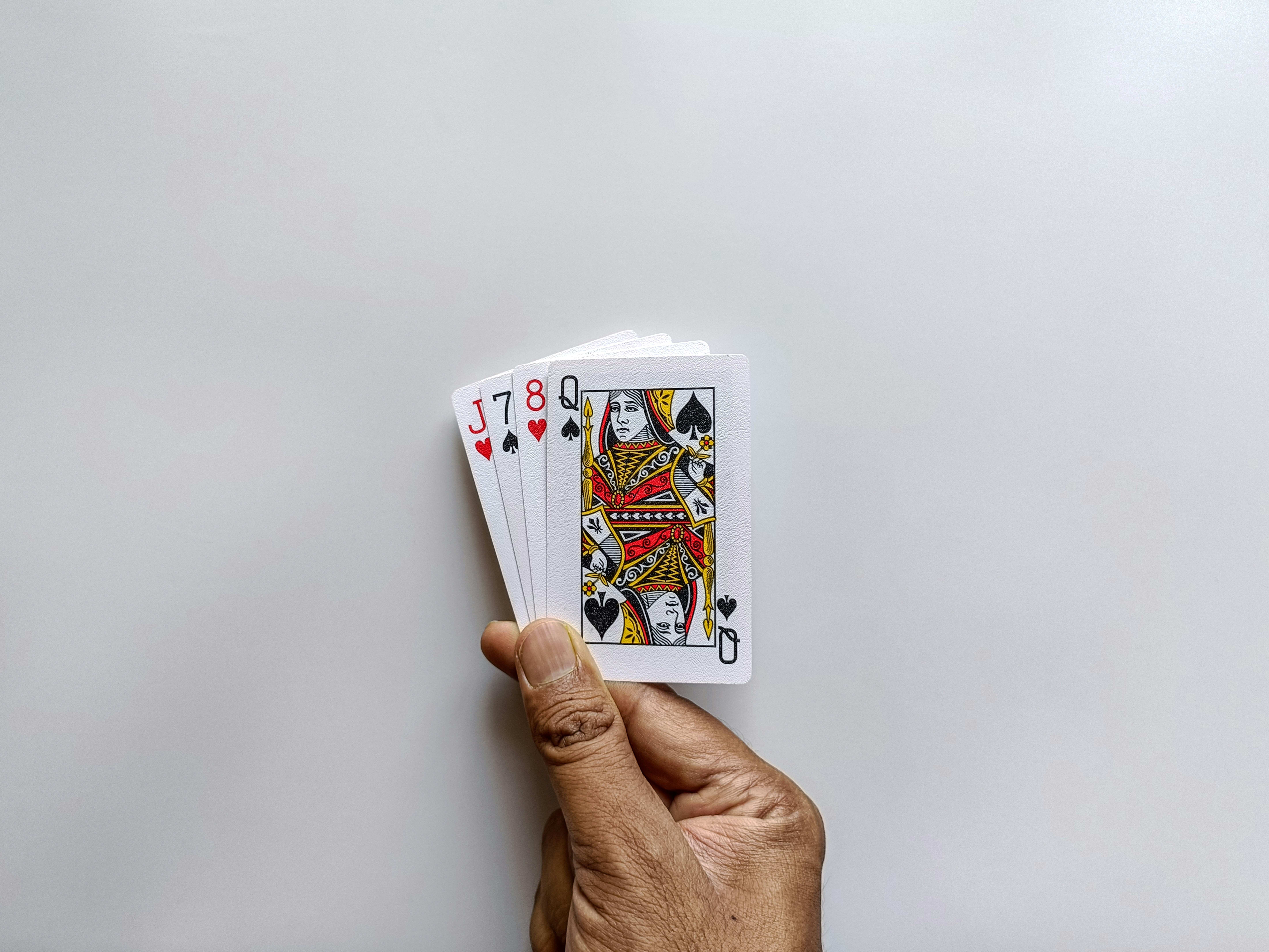
And there you have it — a comprehensive, enchanting guide to the easiest magic tricks that anyone can learn and perform! From the simple yet mesmerizing Invisible Water trick to the classic Four Ace Production, and from the playful Rubber Pencil to the mind-boggling Ambitious Card, we’ve covered a treasure trove of beginner-friendly illusions that will dazzle your friends, family, and even yourself.
Remember, magic is less about the complexity of the trick and more about the confidence, presentation, and wonder you bring to it. As we teased earlier, the secret to natural patter is making it your own — telling stories, engaging your audience, and letting your personality shine through. When you combine that with solid practice and smart misdirection, even the simplest trick becomes unforgettable.
If you’re ready to take the plunge, start with household items and easy props, then gradually build your toolkit with quality decks like Bicycle, a trusty thumb tip, and beginner magic kits from Melissa & Doug or Marvin’s Magic. Don’t forget to explore the rich history and psychology behind magic — it’s what transforms sleight of hand into true enchantment.
So, what are you waiting for? The stage is set, the audience awaits, and your magical journey is just beginning. Go forth, practice, perform, and most importantly, have fun creating moments of pure wonder!
🔗 Recommended Links for Magic Enthusiasts
Ready to gear up and dive deeper? Here are some of our top picks for magic kits, props, and books to get you started or expand your collection:
-
Melissa & Doug Deluxe Magic Set:
Amazon | Walmart | Melissa & Doug Official Website -
Marvin’s Magic: Fifty Greatest Magic Tricks:
Amazon | Walmart | Marvin’s Magic Official Website -
Bicycle Standard Playing Cards:
Amazon | Walmart | Bicycle Cards Official -
Vernet Thumb Tip:
Amazon | Magic Trick Shop -
Magic Coloring Book:
Amazon | Walmart | Marvin’s Magic Official -
Magic for Dummies by David Pogue:
Amazon | Barnes & Noble
❓ Frequently Asked Questions About the Easiest Magic Tricks
How do you do a simple magic trick?
Answer:
A simple magic trick usually involves a secret method combined with misdirection and presentation. For example, in the classic disappearing coin trick (French Drop), you secretly retain the coin in one hand while pretending to transfer it to the other. The key steps are to practice the sleight of hand until smooth, direct the audience’s attention away from the secret action, and engage them with confident patter. Starting with household items like coins or cards makes it easy to learn and perform.
What are some simple magic tricks for beginners?
Answer:
Some beginner-friendly tricks include:
- The Invisible Water trick (using cups and a sponge)
- The Rubber Pencil illusion (shaking a pencil to make it appear bendy)
- The Disappearing Coin (French Drop)
- The Jumping Rubber Band
- The Four Ace Production with a false shuffle
These tricks require minimal props and focus on basic sleight of hand and misdirection, making them perfect for beginners and kids alike.
How can I learn easy card tricks quickly?
Answer:
To learn easy card tricks quickly:
- Start with simple effects like the Four Ace Production or the Ambitious Card.
- Use quality cards like Bicycle decks for smooth handling.
- Watch tutorial videos from trusted sources like 52Kards.
- Practice slowly in front of a mirror to perfect your angles and movements.
- Develop your patter to make the trick engaging.
- Consistent short practice sessions are more effective than long, infrequent ones.
What household items can I use for beginner magic tricks?
Answer:
Many easy magic tricks use common household items such as:
- Coins (quarters, pennies)
- Playing cards
- Rubber bands
- Pencils or pens
- Disposable cups
- Paper or napkins
- Water and sponges (for invisible water trick)
These items are versatile and accessible, allowing you to practice and perform without needing specialized props.
Which magic tricks impress audiences with minimal practice?
Answer:
Tricks that rely on clever setups or self-working principles impress audiences without requiring extensive sleight of hand. Examples include:
- The Invisible Water trick
- The Rubber Pencil illusion
- The Magic Coloring Book (a prop-based effect)
- The Mind Reading Number Trick (mathematical principle)
- Walking Through Paper (a visual puzzle)
These effects are easy to learn, quick to perform, and create strong reactions with minimal rehearsal.
How important is presentation in easy magic tricks?
Answer:
Presentation is everything in magic. Even the simplest trick can fall flat without engaging patter, confident delivery, and effective misdirection. Your story, humor, and interaction with the audience transform a mere trick into a magical experience. As Gary Ferrar says, “When I perform for kids, I try to help them feel like adults, and when I perform for adults, I try to make them feel like kids.” Your personality is your greatest asset.
Can kids really learn magic tricks easily?
Answer:
Absolutely! Magic is a fantastic tool for building confidence, fine motor skills, and social interaction in children. Easy tricks like the Invisible Water, Rubber Pencil, and Jumping Rubber Band are safe, fun, and visually impressive for young magicians. Adult supervision is recommended for some tricks involving scissors or water. Learning magic also encourages patience and creativity in kids.
📖 Reference Links and Credible Sources
- Susana Martinez-Conde and Stephen L. Macknik, Current Biology (2008): How magicians exploit attention
- Bicycle Playing Cards Official Website: https://www.bicyclecards.com/
- Melissa & Doug Official Website: https://www.melissaanddoug.com/
- Marvin’s Magic Official Website: https://www.marvinsmagic.com/
- MasterClass: Penn & Teller Teach the Art of Magic: https://www.masterclass.com/classes/penn-and-teller-teach-the-art-of-magic
- 52Kards YouTube Channel: https://www.youtube.com/@52Kards
- The Magic Cafe Forum: https://www.themagiccafe.com/
- Reddit discussion on Easy “magic” tricks to impress your kid and his/her friends: https://www.reddit.com/r/daddit/comments/rju696/easy_magic_tricks_to_impress_your_kid_and_hisher/
Ready to start your magical adventure? Remember, the easiest magic trick is just the beginning — with practice, creativity, and a sprinkle of confidence, you’ll be creating moments of wonder wherever you go! 🪄✨


