Support our educational content for free when you purchase through links on our site. Learn more
🪙 7 Single Coin Tricks to Master in 2026 (No Gimmicks!)


Ever watched a magician make a coin vanish into thin air and wondered, “How is that even possible?” We’ve all been there. At Magic Trick™, we’ve spent decades dissecting the mechanics of the single coin trick, and we can tell you a secret: the magic isn’t in a hidden compartment or a special gadget. It’s in the human mind. While the internet is flooded with generic tutorials, true mastery requires understanding the psychology of misdirection and the precise mechanics of the French Drop.
Imagine this: You’re at a dinner party, and you casually pull a quarter from your pocket. With a flick of your wrist, it disappears, only to reappear behind a guest’s ear. The gasps, the laughter, the sheer disbelief—that’s the power of the single coin trick. It’s the ultimate icebreaker, the perfect parlor trick, and the foundation of all close-up magic. But here’s the catch: most beginners fail because they focus on the move instead of the moment. In this guide, we’re not just teaching you a trick; we’re handing you the keys to a world where reality bends to your will. We’ll reveal the 7 essential routines that will have your friends questioning their sanity, and we’ll even break down the exact psychological triggers that make the vanish feel impossible.
Ready to stop fumbling and start performing? Let’s dive into the art of the impossible.
Key Takeaways
- Master the Foundation: The French Drop is the non-negotiable cornerstone of all single coin tricks; without it, no other move will work.
- The Right Tool Matters: Not all coins are equal; a US Quarter or UK 50p offers the perfect balance of weight and size for beginners.
- Misdirection is Magic: The secret isn’t hiding the coin; it’s controlling the audience’s attention so they never see the move.
- 7 Essential Routines: From the classic vanish to the Coin Through the Table, we cover the 7 most impactful tricks you need in your repertoire.
- Practice Makes Perfect: Consistency is key; even the greatest magicians practice their sleight of hand for hours daily.
Table of Contents
- ⚡️ Quick Tips and Facts
- 📜 The Ancient Origins of the Single Coin Trick
- 🪙 Mastering the Classic French Drop: The Foundation of Coin Magic
- 🤲 Essential Sleight of Hand Techniques for Beginners
- 🪙 Top 7 Single Coin Tricks Every Magician Must Learn
-
- The Vanishing Coin (The Classic Disappearance)
-
- The Coin Through the Table (Solid Through Solid)
-
- The Coin in the Glass (Teleportation)
-
- The Coin Roll (The Visual Flourish)
-
- The Back Palm Vanish (The Invisible Disappearance)
-
- The Coin Bite (The Illusion of Destruction)
-
- The Coin to Pocket (The Instant Transport)
- 🛒 Choosing the Perfect Prop: Best Coins for Magic Tricks
- 🎭 From Parlor to Street: Performing Your Single Coin Routine
- 🧠 Psychology of Misdirection: How to Fool the Human Eye
- 🛠️ Troubleshooting: Why Your Coin Vanish Isn’t Working
- 📚 Recommended Resources and Learning Materials
- ❓ Frequently Asked Questions About Single Coin Magic
- 🔗 Reference Links and Further Reading
⚡️ Quick Tips and Facts
Before we dive into the deep end of the pool, let’s get our feet wet with some golden nugets of wisdom from the Magic Trick™ team. If you think you need a deck of cards or a rabbit to start your journey, think again. The most powerful tool in a magician’s arsenal is often the smallest one: a single coin.
Here is what you need to know right out of the gate:
- The “One Coin” Rule: You can perform over 90% of classic close-up routines with just one coin. No gimmicks, no special props, just pure skill.
- The Secret Weapon: The most common mistake beginners make is using a coin that is too small. A quarter (US) or a 50p (UK) is the “Goldilocks” size—large enough to see, small enough to hide.
- Misdirection is King: The coin doesn’t vanish because of magic; it vanishes because your eyes were looking at your left hand while the right hand did the work.
- Practice Makes Permanent: As the legendary David Roth once said, “The coin is a mirror; it reflects your confidence.” If you fumble, the audience knows. If you flow, they believe.
Want to see these concepts in action before we break them down? Check out this foundational lesson from a top-tier magic educator:
🎥 Watch First: Learn magic with just one coin! – YouTube
This video breaks down the Finger Palm, French Drop, and Thumb Palm, emphasizing the importance of practicing with both hands to eliminate the dreaded “hitchiker thumb.”
For those eager to dive deeper into the mechanics of these moves, our guide on How to Do Real Magic: 15 Impossible Tricks Revealed (2026) covers the foundational mindset you need.
📜 The Ancient Origins of the Single Coin Trick
You might be surprised to learn that the single coin trick isn’t a modern invention born in a Las Vegas showroom. It’s ancient art form that has traveled through centuries, evolving from street performance to parlor elegance.
From Ancient Egypt to the Renaissance
The history of coin magic is as old as currency itself. In ancient Egypt, priests used small metal discs to demonstrate the power of the gods, often making them disappear and reappear as a sign of divine intervention. Fast forward to the Renaissance in Europe, and you find coin manipulation becoming a staple of the “juggler-magician” repertoire.
According to historical records found in Magic History, the single coin trick was often used as a test of dexterity. If a performer could make a coin vanish and reappear in a spectator’s hand, it proved they had “supernatural” control over matter.
The Evolution of the “Single Coin”
While early magicians used various props, the single coin became the ultimate challenge. Why? Because it requires no setup. No hidden compartments, no double-sided tables. Just you and the metal.
- The 19th Century: Magicians like John Nevil Maskelyne began refining the French Drop, turning a simple vanish into a sophisticated routine.
- The 20th Century: David Roth and Mark Wilson revolutionized the field. They moved away from “tricks” and focused on routines—choreographed sequences of moves that told a story.
Did you know? The term “sleight of hand” comes from the Old Norse sleig, meaning “to deceive.” It’s not about lying; it’s about directing attention.
If you’re fascinated by how these ancient techniques evolved into modern Close-up Magic, you’ll love our deep dive into the history of the art form.
🪙 Mastering the Classic French Drop: The Foundation of Coin Magic
If you want to learn the single coin trick, you must first master the French Drop. It is the bread and butter of coin magic. Without it, you are trying to build a castle on sand.
What is the French Drop?
The French Drop is a vanish technique where you appear to take a coin from one hand into the other, but you actually retain it in the first hand. The second hand closes as if holding the coin, while the first hand secretly keeps it.
Step-by-Step Breakdown
- The Display: Hold the coin between your thumb and index finger of your dominant hand (let’s say the right hand). Show it clearly to the audience.
- The Approach: Bring your left hand over the right hand. Your left thumb should go under the coin, and your left fingers should go over the coin.
- The “Take”: As your left hand covers the coin, your right thumb releases the coin, but your right fingers (index and middle) secretly pinch it and pull it back into a finger palm.
- The Close: Your left hand closes into a fist, mimicking the action of holding the coin. Your right hand, now empty, drops naturally to your side.
- The Reveal: Wait a beat. Then, open your left hand to reveal the coin has vanished!
Common Mistakes to Avoid
- The “Hitchiker Thumb”: If your right thumb sticks up like a hitchiker, the audience will know you’re hiding something. Keep it relaxed and natural.
- Rushing: The vanish happens in a split second, but the performance takes time. Don’t rush the “take.”
- Lack of Eye Contact: If you look at your hands, the audience will look at your hands. Look at the audience!
Pro Tip: Practice this in front of a mirror. If you can’t see the secret move, the audience won’t either.
For more advanced variations of this move, check out our article on Magic Secrets where we break down the subtle differences between the French Drop and the Classic Palm.
🤲 Essential Sleight of Hand Techniques for Beginners
Once you have the French Drop down, you need to expand your toolkit. The single coin trick relies on a few core techniques that, when combined, create a seamless performance.
1. The Finger Palm
This is the most common way to hide a coin. You curl your fingers around the coin, tucking it into the base of your palm.
- Best for: Vanishes and reproductions.
- Difficulty: ⭐
- Tip: Keep your hand relaxed. A clenched fist looks suspicious.
2. The Thumb Palm
The coin is held between the thumb and the side of the index finger. It looks like your hand is empty.
- Best for: Walking around with a “vanished” coin.
- Difficulty: ⭐
- Tip: Practice walking with your hands in your pockets to get used to the feeling.
3. The Back Palm
The coin is held against the back of your hand, hidden by your fingers.
- Best for: Visual vanishes where the coin seems to melt into your hand.
- Difficulty: ⭐
- Tip: This requires a lot of practice to look natural.
4. The Retention Vanish
A variation of the French Drop where you pretend to transfer the coin but actually keep it in the original hand, then drop it into your lap or pocket.
- Best for: Creating a “clean” vanish.
- Difficulty: ⭐
Comparison of Techniques
| Technique | Visibility | Difficulty | Best Use Case |
|---|---|---|---|
| Finger Palm | Low | Medium | General vanishes |
| Thumb Palm | Very Low | Medium-High | Walking/Traveling |
| Back Palm | Medium | High | Visual effects |
| Retention Vanish | Low | Medium | Clean disappearances |
Remember: The goal isn’t to hide the coin; it’s to make the audience believe the coin is gone.
For more detailed tutorials on these moves, visit our Coin Tricks category.
🪙 Top 7 Single Coin Tricks Every Magician Must Learn
Now that you have the tools, let’s build the house. Here are the 7 essential single coin tricks that will transform you from a beginner to a magician. We’ve numbered these because they represent a progression in skill.
1. The Vanishing Coin (The Classic Disappearance)
This is the French Drop in its purest form. You show a coin, pretend to put it in your other hand, and it’s gone.
- Why it works: It’s simple, direct, and impossible to explain.
- Presentation: “Watch closely. I’m going to make this coin disappear. Ready? One, two, three… gone!”
2. The Coin Through the Table (Solid Through Solid)
You place a coin on the table, tap it, and it seems to pass through the wood.
- The Secret: You actually drop the coin into your lap or a hidden pocket while tapping.
- Presentation: “Coins are solid, right? But what if I told you they could become liquid?”
3. The Coin in the Glass (Teleportation)
You vanish a coin from your hand and make it appear inside a glass on the table.
- The Secret: You use a thumb palm to hide the coin, then secretly drop it into the glass while reaching for it.
- Presentation: “I’m going to send this coin on a journey. Destination: The bottom of this glass.”
4. The Coin Roll (The Visual Flourish)
A visual display where the coin seems to roll over your knuckles.
- The Secret: It’s a series of finger palms and releases that create the illusion of movement.
- Presentation: “This isn’t a vanish; it’s a dance. Watch the coin flow.”
5. The Back Palm Vanish (The Invisible Disappearance)
You show your hand empty, then reveal the coin is gone, then show it again.
- The Secret: Using the back palm to hide the coin while your hand appears empty.
- Presentation: “I can make it vanish, but can I make it reappear?”
6. The Coin Bite (The Illusion of Destruction)
You pretend to bite the coin in half, then reveal it’s whole again.
- The Secret: You use a shell coin or a gimmicked coin that splits in half.
- Presentation: “This coin is so hard, I might break my teeth! Crunch… wait, it’s still whole!”
7. The Coin to Pocket (The Instant Transport)
You vanish the coin from your hand and it appears in your pocket.
- The Secret: You use a retention vanish and then secretly drop the coin into your pocket.
- Presentation: “I’m going to send this coin to my pocket. Pof… check your pocket!”
Challenge: Can you master all seven? If you can, you’re ready to perform for a crowd.
🛒 Choosing the Perfect Prop: Best Coins for Magic Tricks
Not all coins are created equal. The single coin trick relies heavily on the physical properties of the coin. A coin that is too light will fly away; a coin that is too heavy will be hard to hide.
What Makes a Good Magic Coin?
- Weight: A standard quarter (5.67g) or 50p (8.0g) is ideal.
- Size: Large enough to be seen, small enough to hide.
- Texture: A smooth surface helps with sleight of hand.
- Material: Silver or copper alloys are best for the “clink” sound.
Top Recommendations
| Brand/Type | Material | Weight | Best For |
|---|---|---|---|
| US Quarter | Cupronickel | 5.67g | Beginners, Vanishes |
| UK 50p | Cupronickel | 8.0g | Visual effects, Flourishes |
| Eisenhower Dollar | Copper-Nickel | 2.68g | Advanced routines, Shells |
| Tango Expanded Shell | Aluminum | N/A | Advanced vanishes, Reproduction |
Note: The Eisenhower Dollar is a favorite among professionals because of its size and weight. It’s perfect for routines involving expanded shells.
👉 Shop
- Eisenhower Dollar (Ungimmicked): Monster Magic | Amazon
- Tango Expanded Shells: Amazon | Tango Magic Official
Pro Tip: If you’re buying a shell coin, make sure it matches the weight of your regular coin. A mismatched weight will give away the trick.
🎭 From Parlor to Street: Performing Your Single Coin Routine
You’ve learned the moves, you’ve chosen your coin. Now, how do you perform?
The Parlor Setting
In a parlor, you have a table and a seated audience. You can use table tricks like the Coin Through the Table.
- Tip: Use a tablecloth to hide your movements.
- Presentation: “Ladies and gentlemen, welcome to my parlor. Today, I will show you the impossible.”
The Street Setting
On the street, you have a standing audience and no table. You need visual tricks like the Coin Roll or Back Palm Vanish.
- Tip: Keep your hands visible. Don’t hide them in your pockets.
- Presentation: “Hey, look at this! I can make this coin disappear right in front of your eyes.”
The Psychology of Performance
- Eye Contact: Look at the audience, not your hands.
- Pacing: Don’t rush. Let the magic happen.
- Storytelling: Tell a story. “This coin was given to me by my grandfather…”
Remember: The best magic is not about the trick; it’s about the experience.
For more tips on performance, check out our Illusions category.
🧠 Psychology of Misdirection: How to Fool the Human Eye
Why do we fall for the single coin trick? It’s not because we’re stupid; it’s because our brains are wired to be fooled.
The Power of Attention
Our brains can only focus one thing at a time. If you look at my left hand, you won’t see what my right hand is doing. This is misdirection.
The “Gaze” Effect
Studies show that people follow the magician’s gaze. If I look at my left hand, you will look at my left hand. If I look at the audience, you will look at the audience.
The “Timing” Effect
The best vanishes happen at the exact moment the audience is distracted. A loud noise, a joke, or a sudden movement can all be used to hide the secret move.
Did you know? The human eye takes about 10 milliseconds to process an image. If you move the coin faster than that, it’s invisible.
For more on the science of magic, visit our Magic Secrets section.
🛠️ Troubleshooting: Why Your Coin Vanish Isn’t Working
So, you’ve practiced the French Drop, but the coin isn’t vanishing. What’s wrong?
Common Problems and Solutions
| Problem | Cause | Solution |
|---|---|---|
| Coin is visible | Hand is too tense | Relax your fingers. |
| Audience sees the move | Looking at your hands | Look at the audience. |
| Coin drops too early | Fingers are too loose | Practice the grip. |
| Vanish is too slow | Rushing the move | Slow down the performance. |
Pro Tip: Record yourself on video. You’ll see mistakes you didn’t know you were making.
If you’re still stuck, check out our Close-up Magic tutorials for more detailed breakdowns.
📚 Recommended Resources and Learning Materials
To master the single coin trick, you need more than just practice. You need the right resources.
Books
- “The Royal Road to Card Magic” by Jean Hugard and Frederick Braue (While about cards, it teaches the fundamentals of sleight of hand).
- “Expert Coin Magic” by Robert A. Nelson (A classic text on coin manipulation).
- “The Magic of David Roth” by David Roth (A must-read for advanced techniques).
Videos
- Learn magic with just one coin! – YouTube (The video we mentioned earlier).
- Penguin Magic (Online tutorials and courses).
- Vanishing Inc. Magic (High-quality video lessons).
Online Communities
- The Magic Cafe (A forum for magicians to share tips and tricks).
- Reddit r/Magic (A community for discussing magic).
Tip: Join a local magic club. Nothing beats learning from a live magician.
Conclusion
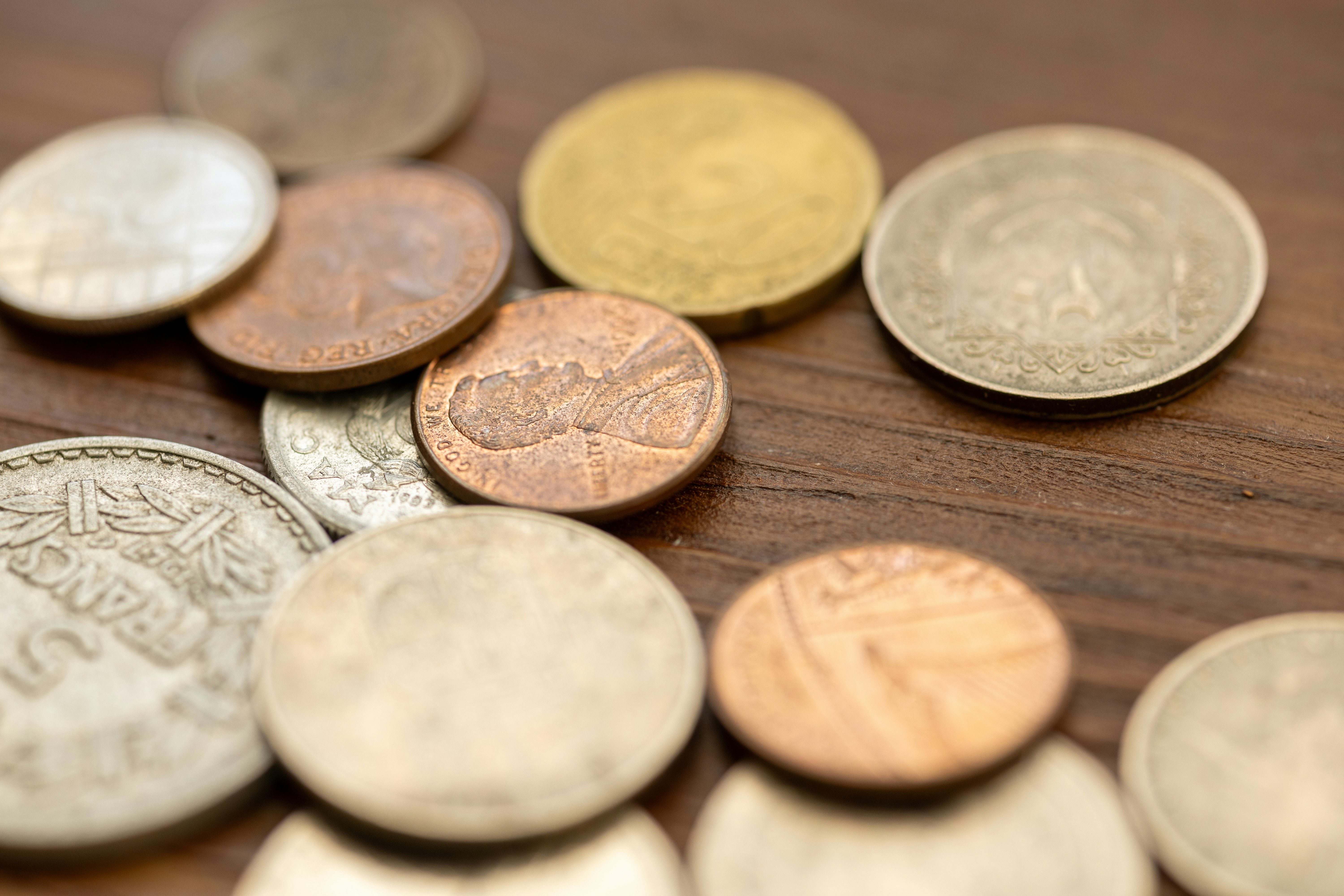
So, there you have it. The single coin trick is not just a trick; it’s a journey. From the ancient origins of coin magic to the modern techniques of David Roth and Mark Wilson, the art of the single coin has evolved into a sophisticated performance art.
We started with the French Drop, the foundation of all coin magic. We explored the top 7 tricks every magician must learn. We discussed the importance of choosing the right prop and the psychology of misdirection. And we even tackled the common problems that beginners face.
But here’s the real secret: The magic isn’t in the coin. It’s in you.
The coin is just a tool. The real magic happens when you connect with your audience, when you tell a story, when you make them believe in the impossible. So, pick up a coin, practice your moves, and get ready to amaze the world.
Final Thought: What’s the first trick you’ll perform? Will it be the Vanishing Coin or the Coin Through the Table? Let us know in the comments!
Recommended Links
Ready to start your journey? Here are the best places to get your hands on the tools you need.
👉 Shop Coins and Shells:
- Eisenhower Dollar (Ungimmicked): Monster Magic | Amazon
- Tango Expanded Shells: Amazon | Tango Magic Official
- US Quarters (Bulk): Amazon | Walmart
👉 Shop Books and Videos:
- “Expert Coin Magic” by Robert A. Nelson: Amazon
- “The Magic of David Roth” by David Roth: Amazon
- Penguin Magic Courses: Penguin Magic
- Vanishing Inc. Magic: Vanishing Inc.
FAQ

How to do the gravity coin trick?
The gravity coin trick involves making a coin appear to defy gravity by rolling it up your arm or hand. The secret is a combination of finger palms and misdirection. You secretly hold the coin in your hand while pretending to let it roll.
Read more about “🪄 How to Do Real Magic: 15 Impossible Tricks Revealed (2026)”
How to do the invisible coin trick?
The invisible coin trick is a variation of the French Drop where you make the coin vanish and reappear in a different location. The secret is a retention vanish followed by a reproduction from a hidden pocket or shell.
Read more about “🎩 15+ Unforgettable Children’s Party Magic Ideas (2026)”
How to do the floating coin trick?
The floating coin trick is an illusion where the coin appears to float in mid-air. The secret is a thread or magnet hidden in your hand or the coin itself. However, for a pure sleight of hand version, you can use a back palm and misdirection to create the illusion of floating.
Read more about “🪄 What Is the First Magic Trick? The 4,50-Year-Old Secret Revealed (2026)”
What is the primary movement coin trick?
The primary movement coin trick refers to the French Drop, which is the most fundamental move in coin magic. It involves pretending to transfer a coin from one hand to another while secretly retaining it in the original hand.
Read more about “How to Do a Coin Disappearing Trick: 5 Secrets Revealed 🪙 (2026)”
How to do the coin table trick?
The coin table trick involves making a coin appear to pass through a table. The secret is a drop into your lap or a hidden pocket while tapping the table.
Read more about “🎭 7 Ways Storytelling Transforms Magic Performance (2026)”
How to do a simple coin trick?
A simple coin trick is the French Drop. Show a coin, pretend to put it in your other hand, and it’s gone. Practice the finger palm and misdirection to make it work.
Read more about “🧠 Can Magic Tricks Supercharge Your Brain & Creativity? (2026)”
How to do the single coin trick for beginners?
For beginners, start with the French Drop. Practice the finger palm and misdirection until you can make the coin vanish consistently. Then, move on to the coin roll and back palm vanish.
Read more about “🎩 How to Practice Magic Tricks for Unshakeable Confidence (7 Steps)”
What is the secret behind the single coin trick?
The secret behind the single coin trick is misdirection and sleight of hand. The coin doesn’t vanish; it’s hidden in your hand while your other hand pretends to hold it.
Read more about “🪄 15 Mind-Blowing Hand Tricks: How to Do Magic with Your Hands (2026)”
Best props for learning the single coin trick?
The best props are a standard US quarter or UK 50p. They are the right size and weight for most tricks. For advanced tricks, consider expanded shells or gimmicked coins.
Read more about “🪄 What Is the Simplest Magic Trick? (Top 10 Revealed for 2026)”
Where to buy a single coin trick kit?
You can buy single coin trick kits from Amazon, Walmart, or specialty magic shops like Penguin Magic and Vanishing Inc. Magic. Look for kits that include a quarter, shell, and instructional video.
Read more about “15 Mind-Blowing DIY Magic Tricks with Household Items ✨ (2026)”
Reference Links
- David Roth’s Contributions to Coin Magic: David Roth Biography
- Mark Wilson’s Magic Lessons: Mark Wilson Magic
- The Science of Misdirection: Psychology of Magic
- Monster Magic Product Page: Eisenhower Dollar
- Tango Magic Official Site: Tango Magic
- Penguin Magic: Penguin Magic
- Vanishing Inc. Magic: Vanishing Inc.
- Learn magic with just one coin! – YouTube: YouTube Video