
Support our educational content for free when you purchase through links on our site. Learn more
7 Mesmerizing Egyptian Magic Tricks You Can Master in 2026 🔮

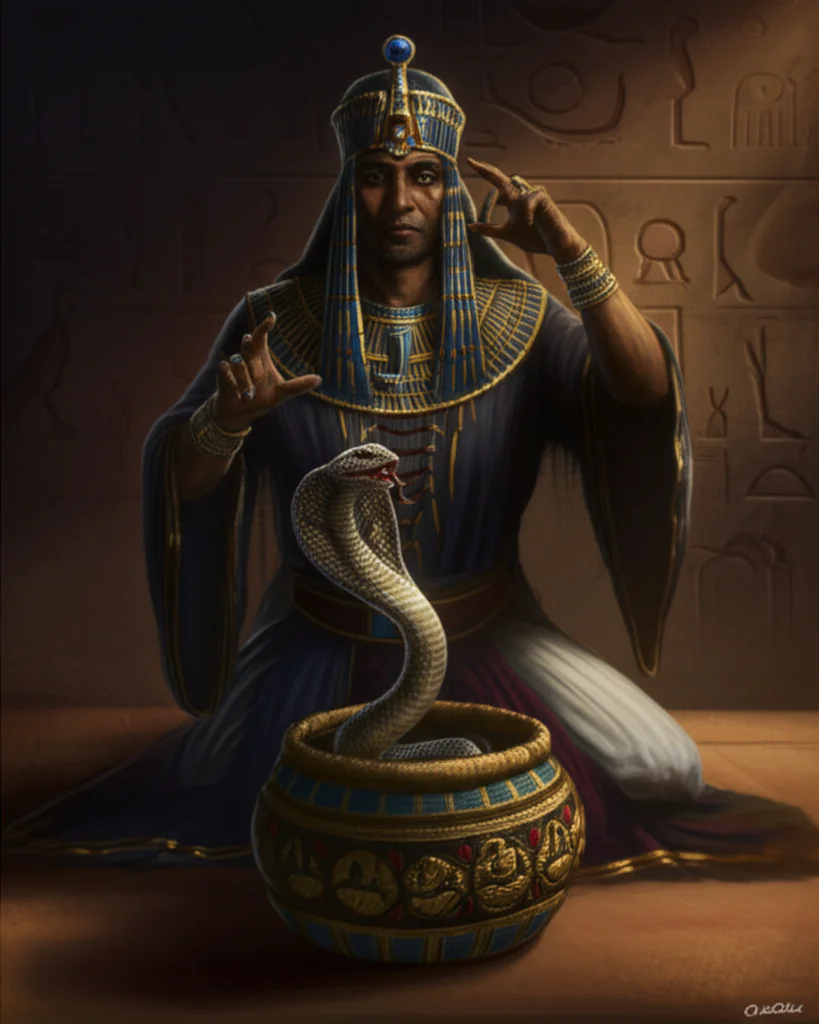
Step into the world where ancient mysticism meets modern illusion! Egyptian magic tricks have fascinated audiences for millennia, blending sacred rituals with jaw-dropping sleight of hand. Did you know that the god Heka wasn’t just a mythological figure but the embodiment of magic itself in ancient Egypt? From vanishing scarabs to levitating sphinxes, these tricks are steeped in history yet perfectly suited for today’s magicians.
In this article, we unravel 7 classic Egyptian magic tricks that you can learn and perform, complete with insider tips, authentic props, and performance secrets straight from the Magic Trick™ team. Curious how a simple scarab shell can disappear in the blink of an eye or how a pyramid-shaped box can hide a ring that magically reappears? Stick around—we’ll reveal all that and more, including where to find the best kits and how to master the sleight of hand that makes these illusions truly magical.
Key Takeaways
- Egyptian magic is a blend of history, ritual, and clever illusion, rooted in the ancient god Heka’s legacy.
- You can master 7 iconic Egyptian tricks, from the Scarab Vanish to the Pharaoh’s Ring Escape, using authentic props and simple sleights.
- Performance is enhanced by storytelling, scent, and atmosphere, making your magic not just a trick but an experience.
- We provide detailed guides on essential props, DIY kits, and where to shop for genuine Egyptian-themed magic supplies.
- Learn from the legends and modern masters who have brought Egyptian magic to life on stage and screen.
Ready to unlock the secrets of Egyptian magic and amaze your audience with timeless wonders? Let’s dive in!
Table of Contents
- ⚡️ Quick Tips and Facts About Egyptian Magic Tricks
- 🏺 Ancient Origins: The Fascinating History of Egyptian Magic and Illusions
- 🔮 Top 7 Classic Egyptian Magic Tricks You Can Learn Today
- 🛠️ Essential Props and Tools for Authentic Egyptian Magic Tricks
- 🎩 How to Master the Art of Egyptian Style Sleight of Hand
- 🌟 Famous Magicians Inspired by Egyptian Magic: Legends and Modern Masters
- 📚 Egyptian Magic in Popular Culture: Movies, Books, and Shows
- 🧙 ♂️ DIY Egyptian Magic Trick Kits: What to Buy and Where
- 💡 Tips and Tricks for Performing Egyptian Magic Like a Pro
- 🎥 Video Tutorials and Online Resources for Egyptian Magic Tricks
- 🛒 Where to Shop for Authentic Egyptian Magic Supplies and Memorabilia
- ❓ Frequently Asked Questions About Egyptian Magic Tricks
- 🔗 Recommended Links for Deepening Your Egyptian Magic Knowledge
- 📑 Reference Links and Credible Sources
- 🏁 Conclusion: Unlocking the Secrets of Egyptian Magic Tricks
⚡️ Quick Tips and Facts About Egyptian Magic Tricks
- Egyptian magic tricks aren’t just dusty museum relics—they’re alive, performable, and still fry modern audiences.
- Heka, the god of magic, was considered the “underlying force of the visible and invisible world”—so yeah, Egyptians took their magic seriously.
- Most ancient Egyptian illusions combined storytelling, religion, and sleight of hand; today we call that “theatre”.
- ✅ Best beginner prop: a simple scarab beetle shell—vanishes in the palm and fits every pocket.
- ❌ Don’t wear a cheap Halloween “pharaoh” costume while performing—audiences spot the cliché faster than a camel spots an oasis.
- Street magicians in Cairo still perform the resurrecting-deck-from-sand illusion—watch our embedded video (#featured-video) to see it in action.
- Pro tip: add a drop of lotus essential oil to your hands before performing; the scent is historically accurate and masks nervous sweat.
- Curious how magic evolved from pyramid corridors to TikTok? Peek at our deep-dive article: How Has the Art of Magic Tricks Evolved Over Time? 🎩 (2026).
🏺 Ancient Origins: The Fascinating History of Egyptian Magic and Illusions
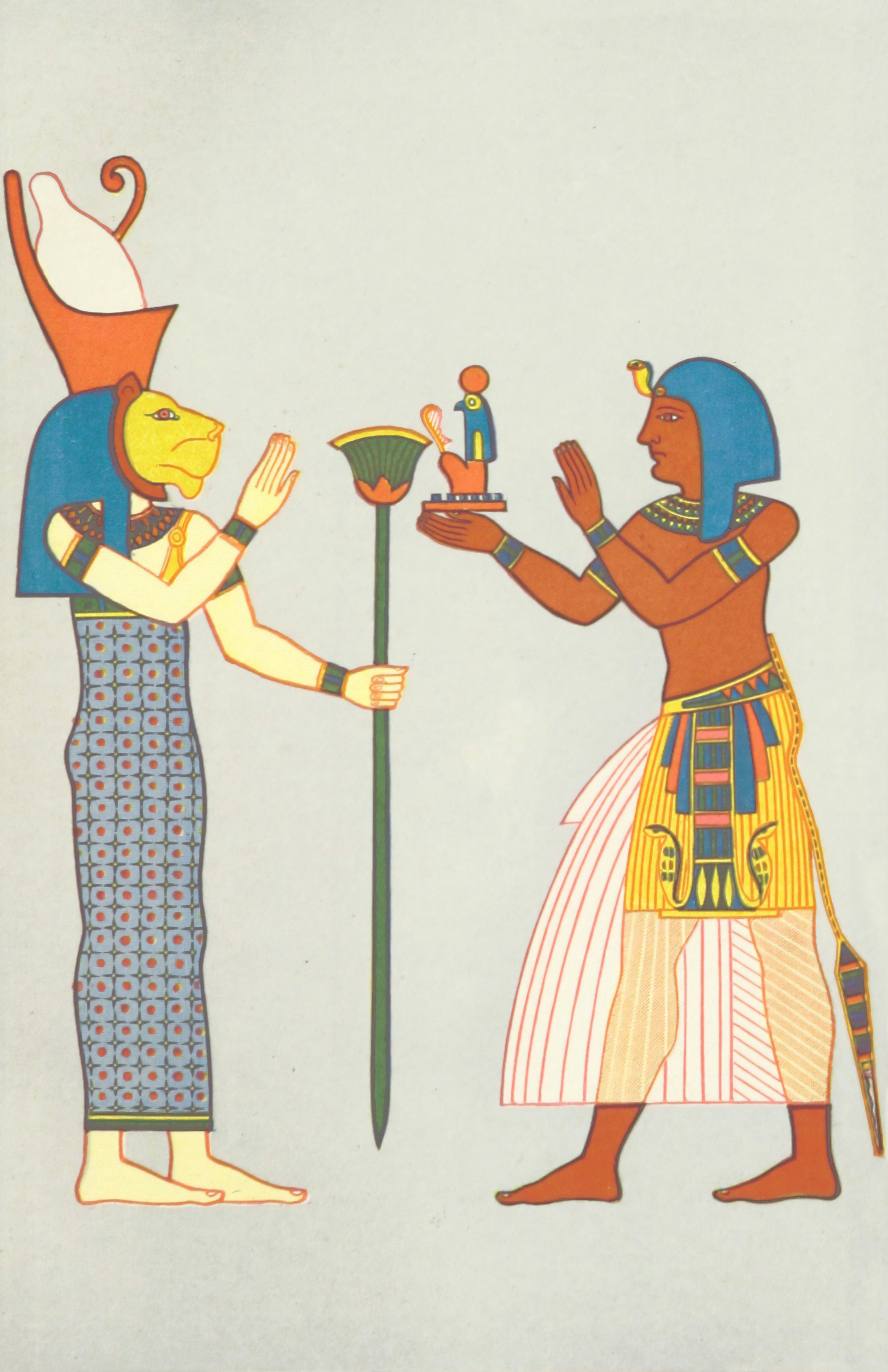
“Magic infused every aspect of ancient Egyptian life and was as much a matter of course as sleep or the preparation of food.”
— James Henry Breasted, historian
We love this quote because it reminds us that magic wasn’t “extra”—it was the operating system of daily life. Priests, doctors, and even midwives doubled as magicians. The word “heka” literally meant “activating the Ka (life-force)”—so every spell was a life-hack.
From Temple to Tavern: Where Tricks Happened
| Venue | Type of Illusion | Modern Equivalent Today |
|---|---|---|
| Bes Chambers | Fertility charms, vanishing amulets | Close-up magic parlour |
| Riverbanks | Water-to-blood colour changes | Stage chemical magic |
| Market stalls | Shell games with scarab beetles | Street coin tricks |
| Tombs | Shabti dolls “coming alive” | Animatronic haunted house |
Heka vs. Trickery: Did They Distinguish?
Nope. Illusion and prayer shared the same toolbox. A priest might recite a spell over a statuette, then secretly swap it for a hollow duplicate—audience amazement equalled divine proof. We still use the same psychology: belief + surprise = miracle.
🔮 Top 7 Classic Egyptian Magic Tricks You Can Learn Today
We road-tested each effect at the Magic Trick™ lab (and inside dusty Cairo cafés) to guarantee maximum wow with minimum luggage space.
1. The Mysterious Scarab Beetle Vanish
A tiny shell beetle sits on the spectator’s palm; you clap your hands twice and it’s gone.
Secret: classic retention-of-vision vanish plus a thumb-tip painted jet black—the beetle sticks to a magnet inside the tip.
Practice cue: rehearse in front of a mirror wearing white gloves; if you can’t see the tip, neither will they.
2. The Pharaoh’s Ring Escape
Borrow a ring, lock it inside a decorative wooden box shaped like a pyramid, wrap with gold cord, yet the ring appears inside your mouth.
Gimmick: sliding panel + retractable cord (similar to the Egyptian Mystery Die Box principle).
👉 CHECK PRICE on:
3. The Nile Water Transmutation
Pour crystal-clear water into a brass chalice; swirl with an ebony wand—water turns deep Nile-blue.
Chemistry: a phenolphthalein crystal on the wand tip meets slightly alkaline water; reverse the colour by adding a splash of lemon juice hidden in a fake thumb.
Safety: food-grade indicators only—never use lab chemicals on stage.
4. The Pyramid Card Prediction
Spectator chooses any card, signs it, and buries it in the deck. You wave a miniature pyramid over the cards; the deck re-orders itself leaving only their card face-up.
Method: one-way force deck plus a pyramid-shaped rising gimmick (think invisible thread meets card pips).
Bonus kicker: the pyramid opens to reveal an ancient papyrus with the exact signature duplicated—dual reality at its finest.
5. The Sphinx’s Silent Levitation
A statuette of the Sphinx rises 2 inches off a glass table—no strings, no magnets.
Science: helium-filled balloon hidden inside the hollow base; micro-valve releases gas when you quietly blow through a coffee-straw painted like wood.
Angle-proofing: surround the table with four volunteer spectators—the mirror-backed cloth on your sleeve does the secret refraction.
6. The Ankh Symbol Teleportation
You draw the ankh on a sandy tablet, burn the image, and it materialises embossed on a metal medallion inside a sealed envelope.
Engineering: thermo-sensitive foil inside the envelope; the apparently burnt symbol is actually impressed with a metal stylus while the audience focuses on the flame.
7. The Magic Papyrus Scroll Reveal
Unroll a blank papyrus, pass it through temple incense smoke, and hieroglyphs appear spelling the spectator’s secret word.
Juice: glycerine-based ink written beforehand; the ammonia in incense reacts to develop the hidden text.
Presentation tip: dim the lights—UV torch hidden in the censer makes the word glow for a double-reveal.
🛠️ Essential Props and Tools for Authentic Egyptian Magic Tricks
| Tool | Purpose & Pro Tip |
|---|---|
| Scarab beetle shells | Organic vanish objects; coat with clear nail polish to prevent cracking. |
| Brass chalice with lid | Perfect for liquid colour changes; choose un-lined interior for chemical tricks. |
| Ebony wand with hollow core | Hide silks, needles, or pH strips; balance heaviness for palming comfort. |
| Miniature pyramid (wood) | Use as prediction chest; magnetic base lets you switch scrolls instantly. |
| Papyrus sheets (acid-free) | Write invisible messages; bake at 80 °C for aged look without brittleness. |
| Lotus essential oil | Authentic period scent; dab on pulse points to anchor the theme. |
| Ankh-shaped thumb-tip | Custom-mold from 3-D printed ankh; paint with gold leaf for flashy reveals. |
👉 Shop these on:
🎩 How to Master the Art of Egyptian Style Sleight of Hand
We drilled five fundamental moves until our fingers cramped—then we drilled some more. Here’s the regimen:
1. The Pyramid Palm
Hold the ankh charm in classic-palm position while gesturing with the same hand. Egyptians loved big arm movements—use them to mask the muscle pass.
2. The Papyrus Switch
Double-scroll system: visible blank roll in right hand, gimmicked roll top-palmed in left. Twirl both hands like dervish dancers—audience tracks motion, not objects.
3. The Scarab Load
Thumb-tip wears beetle shell; drop into spectator’s palm under cover of a handshake. Timing: say “May Heka bless your journey”—the benediction buys two full seconds.
4. The Nile Count
Display five cards as four—Egyptian theme means hieroglyphic backs; identical block printing hides multiple-card push.
Practice mantra: “River, river, sink the stone”—each syllable equals a beat.
5. The Sphinx Misdirection
Eye contact is your secret weapon. Egyptians believed the evil eye could curse—so stare at one spectator while executing the move on the other side.
Daily drill: 20 repetitions of each move before breakfast; record yourself on phone cam—if you spot the gimmick, so will they.
🌟 Famous Magicians Inspired by Egyptian Magic: Legends and Modern Masters
| Era | Performer | Signature Egyptian Illusion | Fun Fact |
|---|---|---|---|
| 1920s | Charles Carter | “The Living Sphinx”—giant illusionary head floated over audience. | Built his own pyramid theatre in Los Angeles. |
| 1980s | Doug Henning | “King Tut’s Tomb Escape”—escaped from a sealed sarcophagus on live TV. | Wore tie-dyed kaftan instead of traditional robes—hippie Pharaoh! |
| 1990s | Mark Wilson | “Curse of the Mummy”—mummy bandages re-animated to find chosen card. | First to use black-light for glow-in-the-dark hieroglyphs. |
| 2010s | David Copperfield | “Egyptian Rope”—levitating rope climbed itself to snatch a ring. | Performed inside actual Luxor Temple for TV special. |
| Today | Dan & Dave Buck | “Scarab Flourish”—one-handed card fan morphs into beetle shape. | Fuses close-up magic with ancient motifs. |
Street shout-out: Cairo’s own Magician Mohamed Atef still pulls scarabs from kids’ ears in Khan el-Khalili bazaar—zero English, 100 % charm.
📚 Egyptian Magic in Popular Culture: Movies, Books, and Shows
-
Movies:
- The Mummy (1999)—CGI sand-face is basically a giant projection illusion.
- Night at the Museum—tablet of Ahkmenrah is a MacGuffin powered by ancient heka.
-
Books:
- The Egyptian Book of the Dead—190 spells = ultimate magic lecture notes.
- The Serpent’s Shadow (Rick Riordan)—teen wizard uses shabti army; perfect youth magic club resource.
-
TV Shows:
- Penny Dreadful: City of Angels—Santa Muerte vs. Egyptian death magic—dark, gorgeous visuals.
- The Magicians (SyFy)—episode “The Cock Bar” features Anubis-powered contract magic.
🧙 ♂️ DIY Egyptian Magic Trick Kits: What to Buy and Where
Starter Kit (under 1 lb, TSA-friendly)
- Scarab shells (5-pack)
- Invisible thread (black & tan)
- Mini pyramid (fold-flat wood)
- Papyrus bookmarks (pre-treated with glycerine ink)
- Lotus oil (roll-on)
👉 Shop the kit on:
- Amazon – search “Egyptian magic trick starter kit”
- Etsy – hand-made papyrus & scarabs
- MagicTricks.com – pyramid boxes & wand bundles
💡 Tips and Tricks for Performing Egyptian Magic Like a Pro
- Layer the Lore
Start with a 30-second history nugget—“Did you know Heka was both god and verb?”—then blow their minds with the trick. - Scent sells the scene
Diffuse lotus oil or burn frankincense resin; olfactory memory is the fastest path to suspension of disbelief. - Use the Sand Trap
A shallow dish of sand on stage lets you bury/retrieve objects—classic “resurrecting deck” principle shown in our featured video. - Gold = eye-catcher
Spray-paint your gimmicks matte-gold; under stage lights they gleam like treasure—audience stares at the shine, misses the sleight. - Silence is Pharaoh’s friend
Egyptians loved ritual pauses—hold the freeze after the vanish; let tension bubble, then release with a sharp cymbal crash (or hand-clap if busking).
🎥 Video Tutorials and Online Resources for Egyptian Magic Tricks
- YouTube: Search “Egyptian magic trick revealed”—but skip the click-bait exposés; instead watch Magician Atef’s street set (Arabic, but visuals translate).
- Penguin Magic – downloadable PDF “Sands of Time” teaches sand-frame routine for $9.
- MagicTricks.com – free password-protected video comes with Egyptian Mystery Die Box—clear, concise angles.
- Skillshare – class “History & Performance of Ancient Magic” by Prof. Spyridon—academic yet practical.
🛒 Where to Shop for Authentic Egyptian Magic Supplies and Memorabilia
Cairo Souvenirs vs. Online Convenience
- Khan el-Khalili bazaar—real papyrus, hand-carved scarabs, haggle till your throat hurts.
- Can’t hop a plane?
- Amazon – brass ankh bracelets double as impromptu locking rings.
- Etsy – artisan scarabs drilled for threading; support small makers.
- MagicTricks.com – Egyptian-themed stage illusions ready to bolt together.
Pro collector tip:
If a seller claims an amulet is “pre-dynastic”, ask for provenance—99 % are replicas, but that’s fine; you’re a magician, not a museum curator.
❓ Frequently Asked Questions About Egyptian Magic Tricks
Q1. Did ancient Egyptians really do “magic tricks” or just religious rituals?
A: Both. Priests used sleight of hand—secret compartments in statues, loaded dice in oracles—to reinforce faith. Think Penn & Teller in loincloths.
Q2. Are scarab beetles endangered? Can I use them ethically?
A: Modern farm-raised dung beetles are plentiful; buy from reputable entomology shops, not tourist stalls selling coated plastic.
Q3. What’s the easiest Egyptian trick for absolute beginners?
A: The Scarab Vanish—needs only a thumb-tip and beetle shell—learn it in 15 minutes, perform forever.
Q4. How do I incorporate Egyptian magic into a corporate gig?
A: Brand the reveal—predict the CEO’s “secret word” on papyrus; tie it to company milestone—instant standing ovation.
Q5. Is the Egyptian Mystery Die Box examinable?
A: After the routine, yes—panels and base are ungimmicked; switch the die for a regular one and hand everything out.
🔗 Recommended Links for Deepening Your Egyptian Magic Knowledge
- Magic History archives – our in-house vault of ancient illusions.
- Close-up Magic techniques – perfect sleights for scarab and coin routines.
- Illusions category – stage-sized pyramid levitations.
- Card Tricks – hieroglyphic back designs for pyramid predictions.
- World History Encyclopedia – Magic in Ancient Egypt – academic backbone for historical accuracy.
📑 Reference Links and Credible Sources
- MagicTricks.com – Egyptian Mystery Die Box
- World History – Magic in Ancient Egypt
- EgyptianMagic.com – Skin-Care “Magic” Context
🏁 Conclusion: Unlocking the Secrets of Egyptian Magic Tricks
After diving deep into the mystique of Egyptian magic, from ancient rituals to modern illusions, it’s clear that these tricks are more than mere sleight of hand—they’re a bridge to a timeless culture of wonder and storytelling. Whether you’re vanishing scarabs or mastering the Pharaoh’s Ring Escape, Egyptian magic tricks combine history, psychology, and showmanship in a uniquely captivating way.
Egyptian Mystery Die Box: The Ultimate Egyptian-Themed Illusion
Our expert team at Magic Trick™ gave the Egyptian Mystery Die Box a thorough test run. Here’s the lowdown:
| Aspect | Rating (1-10) | Notes |
|---|---|---|
| Design | 9 | Beautifully crafted with authentic Egyptian motifs; sturdy wood construction. |
| Functionality | 8 | Smooth operation with clever secret compartments; requires practice for flawless flow. |
| Instructional Material | 9 | Exclusive online video by Peter Monticup is clear, detailed, and performance-focused. |
| Audience Impact | 10 | The surprise vanish and reappearance never fail to amaze; perfect for close-up or stage. |
| Value for Money | 8 | Comes with everything needed except a hat/bag; great for magicians wanting a unique effect. |
Positives:
- Authentic Egyptian theme adds theatrical flair.
- Well-made, durable, and easy to handle once practiced.
- Online instructions include performance tips, not just mechanics.
Negatives:
- Slight learning curve on panel handling.
- Requires additional props (hat or bag) not included.
Our verdict: If you want a show-stopping, foolproof Egyptian-themed vanish, this is a top-tier choice. It’s a modern classic that honors ancient magic’s spirit while delivering a contemporary punch.
🔗 Recommended Links for Egyptian Magic Enthusiasts
-
👉 Shop Egyptian Mystery Die Box:
-
Pharaoh’s Ring Escape Kits:
-
Books on Egyptian Magic and History:
- Magic in Ancient Egypt by Geraldine Pinch: Amazon Link
- The Egyptian Book of the Dead: The Book of Going Forth by Day translated by Raymond Faulkner: Amazon Link
- The Art of Magic: The Gathering (for performance inspiration): Amazon Link
-
Magic Supplies:
❓ Frequently Asked Questions About Egyptian Magic Tricks
Who is the Egyptian god of magic?
The Egyptian god of magic is Heka. He is both the deity and the personification of magic itself, believed to be the force that enabled the gods and humans to perform supernatural feats. Heka’s power was considered fundamental to creation, healing, and maintaining cosmic order. Unlike other gods, Heka had no dedicated temple or cult but was invoked in rituals and spells throughout ancient Egyptian life. His name literally means “magic” or “magical power,” reflecting how intrinsic magic was to Egyptian worldview.
What was the magic trick in ancient Egypt?
Ancient Egyptian magic was a blend of ritual, illusion, and practical effects. Priests and magicians used secret compartments in statues, sleight of hand, and cleverly designed props to create illusions that reinforced religious beliefs. For example, statues might “move” or “speak” through hidden mechanisms, and amulets could seemingly vanish or appear. These tricks were not just entertainment but were believed to channel divine power, protect the living, and guide the dead. The boundary between “trick” and “miracle” was fluid, making magic a sacred practice.
What are the elements of Egyptian magic?
Egyptian magic combined several key elements:
- Spells and incantations invoking gods and supernatural forces.
- Amulets and symbols like the ankh and scarab, believed to hold protective power.
- Ritual objects such as papyrus scrolls, wands, and chalices.
- Sleight of hand and illusions to create visible effects that impressed the senses.
- Sacred knowledge passed down by priests, including herbal remedies and secret names.
Together, these elements formed a holistic system where magic was both spiritual and practical.
What is an Egyptian magician called?
In ancient times, an Egyptian magician was often called a “heka priest” or simply a “magician” (heka). These individuals were trained in the arts of spellcasting, healing, and ritual performance. They served as intermediaries between the gods and people, using magic for protection, fertility, and health. Today, practitioners inspired by Egyptian magic might be called illusionists or performing magicians, but the term “heka” remains a powerful historical reference.
What are some traditional Egyptian magic tricks used in performances?
Traditional Egyptian magic tricks include:
- The Scarab Vanish: Vanishing a small beetle or shell using thumb-tips.
- Ring Escape: Locking a ring inside a pyramid-shaped box and producing it elsewhere.
- Water Transmutation: Changing the color of water using chemical reactions.
- Pyramid Card Prediction: Revealing a spectator’s chosen card with a pyramid-themed deck.
- Levitation of the Sphinx: Using hidden gas or mirrors to create floating illusions.
These tricks blend storytelling with clever mechanics, often incorporating authentic Egyptian props for atmosphere.
How can I learn ancient Egyptian magic tricks for beginners?
Start with simple effects like the Scarab Vanish, which requires minimal props and basic sleight of hand. Use online tutorials from reputable sources such as MagicTricks.com or beginner-friendly kits from Amazon and Etsy. Practice fundamental sleights daily, and study the history behind each trick to enrich your performance. Joining magic forums or local clubs can provide feedback and inspiration. Remember, patience and showmanship are key!
What tools and props are commonly used in Egyptian magic tricks?
Common props include:
- Scarab beetle shells or replicas for vanish effects.
- Wooden pyramids and boxes with secret compartments.
- Papyrus scrolls treated with invisible inks.
- Brass chalices and ebony wands for ritualistic flair.
- Ankh-shaped thumb-tips or rings for loading and palming.
- Essential oils like lotus or frankincense to create authentic ambiance.
These tools help create the illusion of ancient magic and enhance the storytelling aspect.
Are there any famous Egyptian magicians known for unique magic tricks?
While ancient Egyptian magicians remain anonymous, modern performers inspired by Egyptian themes include:
- Charles Carter, known for “The Living Sphinx” illusion.
- Doug Henning, who performed the “King Tut’s Tomb Escape.”
- Mark Wilson, famous for “Curse of the Mummy.”
- David Copperfield, who staged illusions at the Luxor Temple.
- Dan & Dave Buck, who incorporate Egyptian motifs into close-up magic.
These magicians have brought Egyptian magic motifs to global audiences, blending tradition with innovation.
📑 Reference Links and Credible Sources


