
Support our educational content for free when you purchase through links on our site. Learn more
🪙 11 Must-Know Coin Magic Tricks Tutorial (2026)


Ever wondered how magicians make a simple coin vanish into thin air or magically pass through solid objects? Coin magic is one of the most captivating and accessible forms of close-up magic, turning everyday objects into tools of wonder. In this comprehensive tutorial, we’ll take you from the very basics—like the classic French Drop vanish—to advanced routines like the mesmerizing Coin Matrix and the legendary Miser’s Dream. Along the way, you’ll discover insider tips on sleight of hand, misdirection, and performance psychology that will transform your coin magic from amateur to awe-inspiring.
Here’s a fun fact: the art of coin magic dates back centuries and has been perfected by masters like T. Nelson Downs, known as the “King of Koins.” But don’t worry—you don’t need decades of practice to get started. With our step-by-step guidance and expert advice from the Magic Trick™ team, you’ll be dazzling friends and family in no time. Curious about how to make a coin pass through a glass or transform into a key? Keep reading, because we’ve got those jaw-dropping secrets covered too!
Key Takeaways
- Master fundamental palming techniques like the Classic Palm and Finger Palm to build a strong foundation.
- Start with beginner-friendly tricks such as the French Drop and Retention Vanish before progressing to advanced routines.
- Use misdirection and engaging patter to enhance your performance and captivate your audience.
- Incorporate essential props like half-dollar coins and close-up mats to improve control and presentation.
- Explore advanced effects including the Coin Matrix, Miser’s Dream, and Coin Through Glass for maximum impact.
- Practice consistently and perform for live audiences to build confidence and refine your skills.
Ready to make magic happen? Let’s dive into the enchanting world of coin magic tricks!
Table of Contents
- ⚡️ Quick Tips and Facts for Aspiring Coin Magicians
- 🪙 The Allure of Coin Magic: A Brief History and Evolution of Sleight of Hand
- 🤔 Why Coin Magic? Unlocking the Power of Everyday Objects
- 🛠️ Essential Props and Setup for Your Coin Magic Journey
- 🧠 The Psychology of Coin Magic: Misdirection, Patter, and Audience Engagement
- ✨ Mastering the Fundamentals: Basic Coin Manipulations and Palming Techniques
- 🪄 Easy Coin Magic Tricks for Beginners: Your First Steps into Illusion
- 🚀 Intermediate Coin Magic Tricks: Elevating Your Sleight of Hand
- 🌟 Advanced Coin Magic Techniques: Pushing the Boundaries of Perception
- 🤸 Coin Flourishes and Manipulations: Adding Style to Your Performance
- 🚧 Common Mistakes and How to Avoid Them in Coin Magic
- 💪 Practice Makes Perfect: Building Your Coin Magic Repertoire and Routine
- 📚 Beyond the Tutorial: Recommended Resources for Deepening Your Coin Magic Skills
- 🎬 The Grand Finale: Performing Your Coin Magic with Confidence and Charisma
- ❓ FAQ: Your Burning Questions About Coin Magic Answered
- ✅ Conclusion: Your Journey into the World of Coin Magic
- 🔗 Recommended Links for Further Exploration
- 📖 Reference Links
⚡️ Quick Tips and Facts for Aspiring Coin Magicians
Welcome, future masters of illusion! At Magic Trick™, we believe that the journey into magic should be as enchanting as the tricks themselves. Coin magic, in particular, is a fantastic starting point for anyone looking to delve into the captivating world of magic tricks. Why coins? Because they’re everywhere, they’re familiar, and they offer an intimate, powerful form of close-up magic that truly connects with your audience. Before we dive into the nitty-gritty, here are some quick tips and fascinating facts to get your mental gears spinning! 🧠✨
- The Power of Familiarity: As Alan Hudson notes, “Coins are familiar objects that we encounter in our daily lives, making them perfect for magic tricks that captivate and intrigue.” This familiarity makes the impossible seem even more astonishing!
- Practice, Practice, Practice! 🕰️ There’s no shortcut to mastery. Dedicate consistent time to practice, even if it’s just 15 minutes a day. Repetition builds muscle memory, which is crucial for smooth, natural movements.
- Mirror, Mirror on the Wall: Your best friend in practice is a mirror. Use it to check your angles, ensure your movements are invisible, and refine your overall presentation.
- Misdirection is Key 🔑: Magic isn’t just about sleight of hand; it’s about sleight of mind! Learn to control where your audience is looking. Your words, gaze, and gestures are all tools for misdirection.
- Start Simple, Build Up 🏗️: Don’t try to tackle the most complex routines first. Master basic coin vanishes and productions before moving on to more intricate illusions.
- The Right Coin Matters 🪙: While any coin can work, a half-dollar or a dollar coin (like the Eisenhower dollar) is often preferred for practice due to its size and weight, offering a good grip and visibility for the audience.
- Angles are Everything 📐: Be mindful of your audience’s perspective. What looks invisible from one angle might be glaringly obvious from another. Practice performing for different viewpoints.
- Patter is Your Partner 🗣️: What you say is almost as important as what you do. Develop engaging patter (the story or dialogue accompanying your trick) to enhance the illusion and entertain your spectators.
- Confidence Sells the Illusion 😎: Even if you mess up a little, act like it was supposed to happen. Your confidence will convince your audience that they just witnessed something truly magical.
- It’s an Ancient Art 📜: Coin magic, or numismatic prestidigitation, has roots stretching back centuries, evolving from street performers to sophisticated stage acts. It’s a timeless art form!
🪙 The Allure of Coin Magic: A Brief History and Evolution of Sleight of Hand
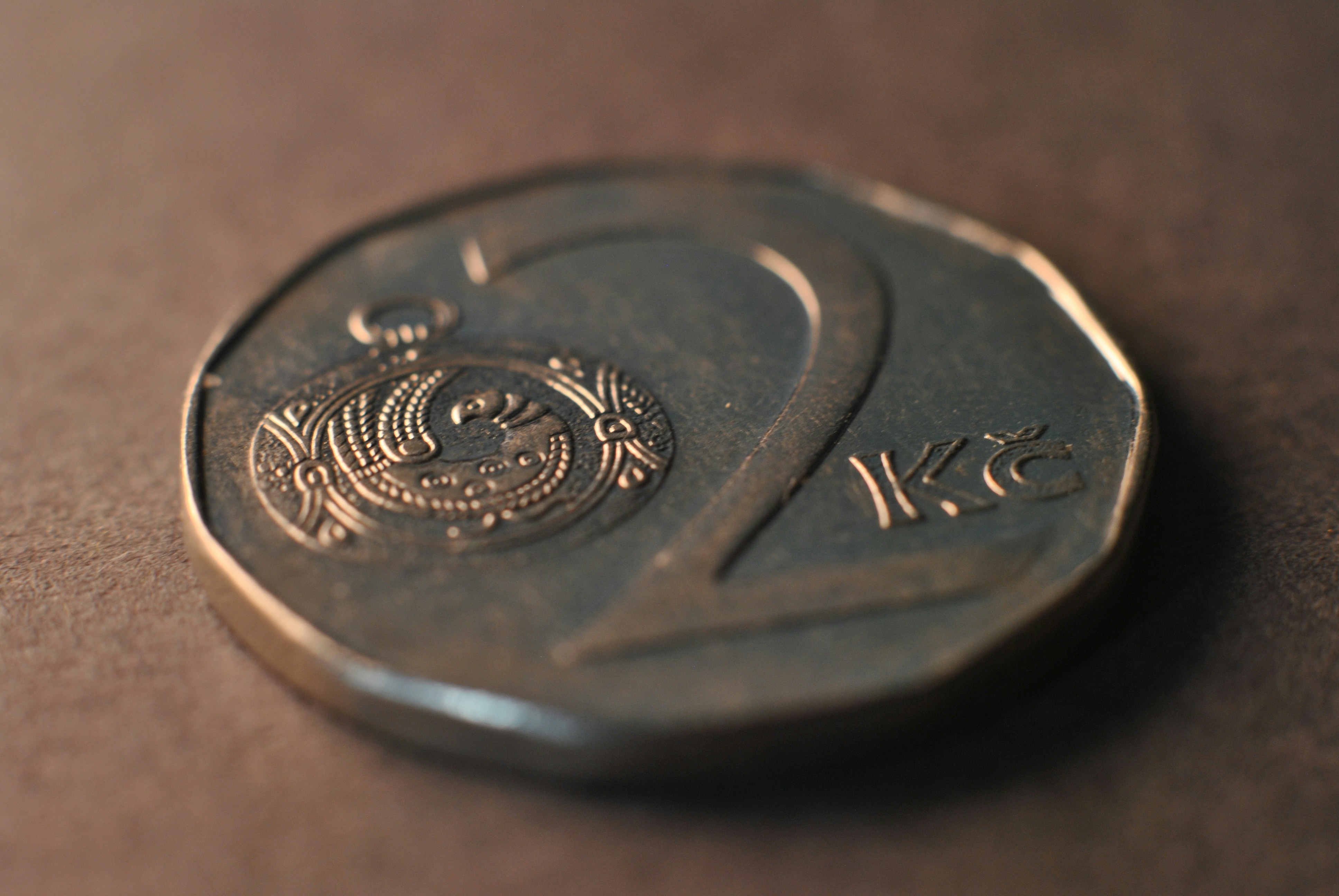
Have you ever wondered why a simple coin, an object we handle daily, can become such a powerful tool for illusion? The answer lies deep in the history of magic and the human fascination with the impossible. Coin magic, a cornerstone of close-up magic, has captivated audiences for centuries, evolving from rudimentary street performances to highly sophisticated acts of digital dexterity.
Our team at Magic Trick™ has always been drawn to the intimate nature of coin magic. There’s something uniquely personal about performing a trick right under someone’s nose, with an object they might have in their own pocket. This art form isn’t just about making a coin disappear; it’s about making their coin disappear, or appear, or pass through solid objects. It’s about creating a moment of pure wonder, up close and personal.
Historically, coin magic has been a staple for street performers and traveling conjurers. Coins were readily available, universally recognized, and easy to conceal. Early magicians used basic palming techniques to make coins vanish and reappear, often incorporating them into shell games or thimble-rigging routines. As magic evolved, so did the complexity of coin manipulation. Masters like T. Nelson Downs, known as the “King of Koins” in the late 19th and early 20th centuries, elevated coin magic to an art form, developing intricate routines like “The Miser’s Dream” that are still studied and performed today. His book, Modern Coin Manipulation, published in 1900, remains a foundational text for serious coin magicians. You can often find reprints or digital versions of this classic work on platforms like Amazon or through magic dealers.
The evolution of coin magic mirrors the development of sleight of hand itself. It’s a testament to human ingenuity and the endless pursuit of illusion. From simple vanishes to complex routines involving multiple coins and props, the art continues to thrive, proving that sometimes, the most profound magic comes from the most ordinary objects.
🤔 Why Coin Magic? Unlocking the Power of Everyday Objects
So, why should you dive into the world of coin magic? Is it just for impressing your friends at parties? While that’s certainly a perk, the benefits run much deeper. As the Alan Hudson article aptly points out, coins are “portable, widely available, and relatable.” This accessibility is just the tip of the iceberg!
Here at Magic Trick™, we’ve seen countless aspiring magicians start their journey with coins, and for good reason. Here’s why coin magic is an absolute powerhouse for any budding illusionist:
- Ultimate Portability 🚶 ♂️: Forget bulky props or elaborate setups. All you need are a few coins, and you’re ready to perform anywhere, anytime. A casual dinner, a coffee shop, a bus stop – the world becomes your stage!
- Relatability and Impact 🤝: Everyone understands what a coin is. When you make a familiar object vanish or penetrate another solid object, the impact is immediate and profound. It defies their everyday experience, making the magic feel incredibly real.
- Foundational Skill Building 💪: Coin magic is a fantastic training ground for developing crucial sleight of hand, misdirection, and performance skills. Mastering coin vanishes will give you a solid foundation that translates directly to card tricks and other forms of close-up magic.
- Develops Dexterity and Coordination 🖐️: The intricate movements required for coin manipulation significantly improve your hand-eye coordination and finger dexterity. It’s like a workout for your hands!
- Boosts Confidence and Charisma ✨: Successfully performing a coin trick, especially for a small group, builds immense confidence. You learn to command attention, tell a story, and engage with your audience – skills that extend far beyond magic.
- Minimal Investment 💰: Unlike some magic disciplines that require expensive props, you can start learning coin magic with coins you already have in your pocket. This low barrier to entry makes it accessible to everyone.
- Versatility in Performance 🎭: From intimate one-on-one performances to small group settings, coin magic adapts beautifully. You can perform silently or with engaging patter, making it incredibly versatile.
We often tell our students, “If you can make a coin dance, you can make anything dance!” It’s about understanding the principles of illusion, and coins are the perfect medium to learn them.
🛠️ Essential Props and Setup for Your Coin Magic Journey
Alright, you’re convinced! You’re ready to make some metal move. But what do you actually need to get started? The beauty of coin magic is its simplicity, but a few key choices can significantly enhance your learning and performance.
Choosing Your Weapon: The Right Coins for Close-Up Magic
While you can certainly start with any coin you find, selecting the right “weapons” for your close-up arsenal can make a huge difference in comfort, grip, and visibility.
| Coin Type | Pros ✅ | Cons ❌ | Best For |
|---|---|---|---|
| **Half-Dollar (e.g., Kennedy Half-Dollar)** | ✅ Excellent size for palming and visibility. ✅ Good weight and feel. ✅ Readily available. |
❌ Can feel large for very small hands initially. | General practice, most coin routines, professional performance. |
| **Dollar Coin (e.g., Eisenhower Dollar, Sacagawea Dollar)** | ✅ Highly visible for larger audiences. ✅ Good for flashier productions. |
❌ Can be too large for comfortable palming for many. ❌ Less common in circulation. |
Stage close-up, specific routines requiring larger coins. |
| **Quarter (e.g., Washington Quarter)** | ✅ Very common and accessible. ✅ Good for smaller hands or more subtle work. |
❌ Can be harder to see for larger audiences. ❌ Less “presence” than a half-dollar. |
Beginners, impromptu magic, routines requiring multiple coins. |
| **Penny/Dime** | ✅ Extremely subtle for vanishes. ✅ Great for very small hands. |
❌ Very difficult for audience to see. ❌ Requires extremely fine motor control. |
Advanced subtle work, specific routines where small size is an advantage. |
Our Expert Recommendation: For beginners, we at Magic Trick™ strongly recommend starting with Kennedy Half-Dollars. They strike the perfect balance between size, weight, and availability. You can often find rolls of them at your local bank, or purchase them specifically for magic.
A Note on Coin Edges: Alan Hudson mentions considering coin edges. While plain edges (like some older coins) can be slightly easier for certain palms, reeded edges (like modern quarters and half-dollars) offer a bit more grip, which can be beneficial for manipulations like the coin roll. Don’t overthink this for now; focus on what feels comfortable.
Beyond the Coin: Gimmicks, Mats, and Other Handy Tools
While the coin itself is the star, a few supporting players can elevate your practice and performance.
-
Close-Up Mat 🟩: This is a game-changer. A good close-up mat provides:
- A quiet surface: No more clinking coins giving away your moves.
- A non-slip surface: Prevents coins from rolling away.
- A dark, non-distracting background: Helps your audience focus on the coins.
- Protection for your coins and table: Prevents scratches.
We love the Pro-Pad Close-Up Mat by TCC Presents. It’s durable, has a great feel, and is the perfect size for most close-up work.
- 👉 CHECK PRICE on:
- TCC Presents Pro-Pad Close-Up Mat: Amazon | TCC Magic Official
-
Gimmicked Coins 🤫: These are specially altered coins that do some of the “heavy lifting” for you, allowing for truly impossible effects.
- Shell Coins: A hollowed-out coin that fits perfectly over another coin, allowing for vanishes, productions, and transformations.
- Folding Coins: A coin that can fold in half, allowing it to pass through impossibly small openings (like a bottle neck).
- Magnetic Coins: Coins that are magnetic or contain a magnet, used with a hidden magnet in your hand or clothing for vanishes and appearances.
- Copper/Silver Coins: Two coins (one copper, one silver) fused together or cleverly gaffed to appear as one, allowing for instant transformations.
Oscar Owen, in the featured video, demonstrates a trick where a coin appears to pass through a rubber membrane on a glass, which is “achieved with a special gimmick coin.” This is a perfect example of how gimmicks can create stunning visual magic.
Our Anecdote: One time, our resident coin expert, Alex, was performing a “coin through bottle” trick at a party. He used a folding coin, and the spectator’s jaw dropped when the coin visibly fell into the bottle. The secret? A perfectly crafted folding coin and a dash of misdirection!
-
Rubber Bands (for specific tricks): Simple, yet effective for tricks like “Coin Through Handkerchief” or securing a coin for a vanish.
Remember, while gimmicks are fantastic, mastering pure sleight of hand first is crucial. Gimmicks should enhance your magic, not replace your skill.
🧠 The Psychology of Coin Magic: Misdirection, Patter, and Audience Engagement
Magic isn’t just about what your hands do; it’s about what your audience thinks they see. This is where the psychology of magic comes into play, particularly with coin tricks. At Magic Trick™, we emphasize that misdirection and engaging patter are just as vital as flawless sleight of hand. Without them, even the most perfect vanish can fall flat.
Misdirection: The Art of Guiding Attention
Misdirection is the magician’s secret weapon. It’s the art of drawing the audience’s attention away from the secret move and towards something else. There are two main types:
-
Physical Misdirection: This involves using your body, gaze, or a prop to direct attention.
- Eye Gaze: If you look intently at one hand, your audience will naturally follow your gaze, allowing your other hand to perform a secret move.
- Gestures: A sweeping gesture, a pointing finger, or even a sudden movement can divert attention.
- Movement: Moving a prop or even your head can create a moment of distraction.
-
Verbal Misdirection (Patter): What you say can be incredibly powerful in guiding attention and shaping perception.
- Storytelling: A captivating story can immerse your audience, making them less analytical about your hands.
- Questions: Asking a question (“Did you see that?”) can make them think about the effect rather than the method.
- Humor: A well-timed joke can create a laugh, a moment of relaxed attention where a secret move can be executed.
Our Insight: We’ve found that the most effective misdirection feels completely natural. It’s not about being overtly deceptive, but about creating a compelling narrative or interaction that naturally draws focus away from the “dirty work.” Think of it like a director guiding a camera – you’re guiding your audience’s eyes and minds.
Patter: Your Storyteller and Guide
Patter is the spoken narrative that accompanies your magic trick. It’s not just filler; it’s an integral part of the performance.
- Builds Rapport: Engaging patter helps you connect with your audience, making them feel part of the experience.
- Creates Context: It explains what is happening and why it’s magical, setting the stage for the illusion.
- Enhances Misdirection: As mentioned, well-crafted patter can subtly direct attention and distract from secret moves.
- Adds Personality: Your patter is a reflection of your unique style. Are you witty, mysterious, charming, or playful? Let your personality shine!
Example Patter Snippet for a Coin Vanish: “Now, you see this coin? Just an ordinary half-dollar, right? [Show coin clearly] Most people think it’s impossible to make something disappear right before their eyes… but what if I told you that sometimes, the most solid objects are merely suggestions? Watch closely… [Perform vanish] …and just like that, it’s gone! Where did it go? Ah, that’s the real magic, isn’t it?”
Audience Engagement: Making Them Part of the Magic
Magic is a shared experience. Engaging your audience transforms them from passive observers into active participants.
- Eye Contact: Maintain eye contact to build connection and gauge their reactions.
- Involve Them: Ask them to hold a coin (before you make it vanish, of course!), choose a hand, or simply confirm what they’re seeing.
- React to Their Reactions: If they gasp, smile. If they look confused, lean into the mystery.
- Be Present: Don’t just go through the motions. Be genuinely excited and amazed by your own magic, and that energy will be contagious.
A Personal Story: Our founder, David, once performed a coin vanish for a young boy. Instead of just making it disappear, he pretended to “steal” the coin’s “magic dust” and sprinkle it on the boy’s hand, then made the coin reappear from the boy’s own ear! The boy’s delight was priceless, proving that engagement and a little theatrical flair can make a simple trick unforgettable.
Remember, the goal isn’t just to fool them, but to entertain and amaze them. The psychology of magic helps you achieve that deeper connection.
✨ Mastering the Fundamentals: Basic Coin Manipulations and Palming Techniques
Before you can make coins fly, float, or penetrate solid objects, you need to master the absolute basics: palming. Palming is the art of secretly holding a coin in your hand so that it appears empty. It’s the bedrock of almost all coin magic, and getting it right is crucial. As Pinterest notes, “Sleight of hand fundamentals” are key.
At Magic Trick™, we can’t stress this enough: your hands must look natural and relaxed, even when holding a coin in secret. A tense, claw-like hand screams “I’m hiding something!” Practice these palms until they feel like second nature.
The Classic Palm: Your Secret Weapon
The Classic Palm is arguably the most fundamental and versatile coin palm. It allows you to hold a coin securely in the center of your palm, leaving your fingers and thumb free to gesture naturally.
How to Perform the Classic Palm:
- Starting Position: Hold a coin flat in the palm of your dominant hand.
- The Grip: Curl your fingers slightly, bringing the coin up into the fleshy part of your palm, just below your fingers.
- Secure the Coin: Use the base of your thumb and the fleshy part of your pinky finger to gently “pinch” the coin in place. The coin should be held by the tension of your palm muscles, not by a tight grip.
- Relaxation: This is the hardest part! Once the coin is secured, relax your fingers and thumb. Your hand should look as natural as if it were empty. Practice opening and closing your hand, gesturing, and even shaking hands while maintaining the palm.
- Practice Tip: Start with a larger coin like a half-dollar. Once comfortable, try smaller coins.
Key Benefits of the Classic Palm:
- Versatility: Allows for vanishes, productions, and transfers.
- Natural Appearance: When done correctly, the hand looks completely empty.
- Foundation: Many other coin techniques build upon this palm.
❌ Common Mistake: Holding the coin too tightly, causing your hand to look stiff or unnatural. ✅ Solution: Practice in front of a mirror, focusing on keeping your hand relaxed. Imagine you’re holding a delicate butterfly.
The Finger Palm: Subtle and Deceptive
The Finger Palm is used when you need to show the palm of your hand empty, or when you’re transferring a coin subtly. The coin is held by the tips of your fingers.
How to Perform the Finger Palm:
- Starting Position: Hold the coin between your thumb and forefinger.
- The Transfer: As you move your hand, curl your middle and ring fingers slightly.
- Secure the Coin: The coin is gripped by the tips of your middle and ring fingers, against the base of your palm. Your thumb and forefinger can then open and close naturally.
- Relaxation: Again, keep your hand relaxed. The coin should be hidden by the natural curve of your fingers.
Key Benefits of the Finger Palm:
- Subtlety: Excellent for quick, invisible transfers.
- “Empty Hand” Display: Allows you to flash the palm of your hand briefly.
The Thumb Palm: A Hidden Gem
The Thumb Palm is less common for primary vanishes but is incredibly useful for specific productions and for holding a coin while your fingers are otherwise occupied. The coin is held by the thumb against the side of the hand.
How to Perform the Thumb Palm:
- Starting Position: Hold the coin in your fingertips.
- The Move: Bring your thumb over the coin and press it against the side of your palm, near the base of your index finger.
- Secure the Coin: The coin is held by the pressure of your thumb against the side of your hand. Your fingers can then spread open.
Key Benefits of the Thumb Palm:
- Quick Access: Allows for fast productions from an apparently empty hand.
- Finger Freedom: Keeps your fingers free for other manipulations.
The Back Palm: For Flashy Productions
The Back Palm is a more advanced technique, often used for flashy productions where a coin seems to appear from nowhere at the fingertips. The coin is held on the back of the hand.
How to Perform the Back Palm:
- Starting Position: Hold the coin in a classic palm.
- The Roll: With a slight flick of the wrist and fingers, roll the coin over the edge of your hand so it rests on the back, held by the tips of your middle and ring fingers.
- Appearance: To produce it, reverse the motion, rolling it back into a classic palm or directly to the fingertips.
Key Benefits of the Back Palm:
- Visual Impact: Creates a very striking appearance or disappearance.
- Advanced Dexterity: A great way to showcase your skill.
❌ Common Mistake: Exposing the coin on the back of the hand. ✅ Solution: Practice the transition smoothly and quickly, ensuring your fingers are always covering the coin from the audience’s perspective.
Mastering these fundamental palms is like learning the alphabet of coin magic. Once you know them, you can start combining them to form words, sentences, and eventually, entire magical stories!
🪄 Easy Coin Magic Tricks for Beginners: Your First Steps into Illusion
You’ve got your coins, you’ve practiced your palms, and you’re ready to amaze! These beginner-friendly coin tricks are perfect for building confidence and getting a feel for performance. We’ll start with some classic vanishes and productions, drawing on the wisdom from Alan Hudson and Pinterest summaries. Remember, “This is actually really easy to do,” as Oscar Owen says in the featured video, but practice is still key!
1. The French Drop: A Classic Coin Vanish
The French Drop is a timeless vanish, often one of the first coin tricks magicians learn. It’s simple, elegant, and incredibly deceptive when done correctly. Alan Hudson lists it as a key technique, and Oscar Owen mentions it as a good option for a vanish.
The Effect: You openly show a coin in one hand, pretend to transfer it to the other, and when the second hand opens, the coin is gone!
Step-by-Step Tutorial:
- Starting Position: Hold a half-dollar (or similar coin) openly between the thumb and forefinger of your left hand (if you’re right-handed). Your palm should be facing up.
- The Approach: Bring your right hand towards the coin, as if to take it. Your right thumb should be on top of the coin, and your right fingers underneath.
- The Illusion of Transfer: As your right hand covers the coin, your left thumb and forefinger secretly release the coin, allowing it to drop into a finger palm in your left hand. Your left fingers curl slightly to conceal it.
- The Fake Take: Your right hand, now empty, continues the motion as if it has taken the coin. Your right fingers close into a loose fist.
- The Reveal: Your left hand (which secretly holds the coin) moves away naturally, perhaps to gesture or relax at your side. Your right hand, after a moment of suspense, slowly opens to reveal… nothing! The coin has vanished!
Tips for Success:
- Timing is Everything: The moment the coin drops into your left finger palm should coincide with your right hand covering it.
- Natural Movement: Both hands should move smoothly and naturally. Avoid any jerky or hesitant motions.
- Misdirection: As your right hand pretends to take the coin, your eyes should follow it. This directs the audience’s attention away from your left hand.
2. The Retention Vanish: Making Coins Disappear Right Before Their Eyes
The Retention Vanish is a more visual and direct vanish than the French Drop, creating the illusion that the coin simply melts away. It’s a fantastic way to make a coin disappear from your fingertips.
The Effect: You openly show a coin in your fingertips, and with a gentle closing motion, it seems to just… disappear!
Step-by-Step Tutorial:
- Starting Position: Hold a coin between your right thumb and forefinger, with the coin resting on the tips of your middle and ring fingers. Your palm should be facing the audience.
- The “Take”: Bring your left hand towards the coin, as if to take it. Your left thumb should be on top of the coin, and your left fingers underneath.
- The Secret Move: As your left hand covers the coin, your right thumb and forefinger secretly push the coin into a finger palm in your right hand. The coin should slide down into the curl of your right fingers.
- The Illusion: Your left hand closes into a loose fist, making it appear as if it has taken the coin. Your right hand, now secretly holding the coin in finger palm, moves away.
- The Reveal: Your left hand opens to show it’s empty. The coin is gone!
Tips for Success:
- Angle: This trick works best when the audience is slightly in front of you, not directly to your side.
- Smoothness: The key is the smooth, continuous motion of the coin disappearing into your right hand as your left hand “takes” it.
- Eye Contact: Maintain eye contact with your audience as your left hand opens, drawing their attention to the empty hand.
3. Coin Through Hand: A Simple Penetration Effect
This is a classic penetration effect where a coin appears to pass right through your solid hand. Alan Hudson details this trick, emphasizing quick, fluid movements.
The Effect: You hold a coin in one fist, and with a quick shake or gesture, it seems to pass right through your hand and fall out the bottom!
Step-by-Step Tutorial:
- Starting Position: Hold a coin (a quarter or half-dollar works well) in your right hand, gripping it between your thumb and forefinger.
- The Setup: Make a loose fist with your left hand, palm facing down. Place the coin on top of your left fist, near the knuckles, held by your right thumb and forefinger.
- The Secret Drop: As you bring your right hand over your left fist, as if to press the coin down, secretly drop the coin into your right palm (classic palm or finger palm). This happens as your right hand covers the coin.
- The Illusion of Pressure: Your right hand then presses down firmly on your left fist, as if pushing the coin through.
- The Reveal: As you press down, you simultaneously relax your left fist just enough for the coin (which is secretly in your right hand) to drop from your right hand and appear to fall out of the bottom of your left fist. Your left hand then opens to show it’s empty.
Tips for Success:
- Timing: The secret drop of the coin from your right hand must be perfectly timed with the “push” and the relaxation of your left fist.
- Sound: A slight clink as the coin hits the table or floor enhances the illusion.
- Misdirection: Your eyes should follow the coin as it “falls” from your left hand.
4. The Coin Production from Thin Air: Making Magic Appear
Now that you’ve mastered vanishing, let’s make a coin appear! This is a simple yet effective production that can be combined with a vanish for a complete routine. Alan Hudson mentions producing coins out of nowhere using the French Drop, and Pinterest also highlights coins appearing from thin air.
The Effect: You show your hands empty, and then, with a magical gesture, a coin appears at your fingertips!
Step-by-Step Tutorial:
- Starting Position: Secretly hold a coin in a classic palm in your right hand. Your hands should appear empty and relaxed.
- The Gesture: Bring your hands together, perhaps making a magical gesture, or rubbing them together as if creating something.
- The Production: As your hands come together, use your left hand to gently push the coin out of the classic palm in your right hand, so it appears at your right fingertips. This should be a smooth, fluid motion.
- The Reveal: Separate your hands, displaying the coin at your fingertips. Your left hand should still appear empty.
Tips for Success:
- Empty Hand Display: Before the production, ensure your hands genuinely appear empty. Practice showing them front and back, then subtly getting the coin into classic palm.
- Smoothness: The production should look effortless, as if the coin truly materialized.
- Patter: Use patter to build anticipation: “What if I told you that sometimes, nothing is truly empty? With a little imagination…”
These four tricks are your gateway to the exciting world of coin magic. Practice them until they’re second nature, and you’ll be well on your way to becoming a coin conjurer!
🚀 Intermediate Coin Magic Tricks: Elevating Your Sleight of Hand
Ready to take your coin magic to the next level? These intermediate tricks combine fundamental palms with more complex sequences and misdirection, offering truly baffling illusions. You’ll start to feel like a true master of close-up magic!
5. The Coin Vanish into Thin Air (Advanced): No Sleeves, No Pockets!
This vanish is a step up from the French Drop or Retention Vanish, as it aims to make the coin disappear without any apparent transfer or cover. It relies heavily on a clean Classic Palm and excellent misdirection.
The Effect: You openly display a coin, and with a simple gesture, it seems to dematerialize right at your fingertips, leaving your hands completely empty.
Step-by-Step Tutorial:
- Starting Position: Hold a coin (half-dollar recommended) at the fingertips of your right hand, palm facing the audience.
- The “Cleaning” Gesture: Bring your left hand over to your right, as if to “clean” or “wipe” the coin. This is your primary misdirection.
- The Secret Palm: As your left hand covers the coin, your right thumb secretly pushes the coin into a Classic Palm in your right hand. Your right fingers curl slightly to secure it. This move must be swift and invisible.
- The Illusion of Empty: Your left hand then sweeps away, perhaps making a gesture of “wiping away” the coin, while your right hand (now secretly palming the coin) opens and spreads its fingers, appearing completely empty.
- The Reveal: Both hands are shown empty, front and back, convincing the audience the coin has truly vanished.
Tips for Success:
- Naturalness: The “cleaning” gesture must look completely natural, not like a setup for a trick.
- Timing: The secret palming action must happen precisely when the left hand provides maximum cover.
- Relaxed Hands: After the vanish, ensure your right hand remains relaxed and natural, even with the coin palmed. Practice gesturing with it.
6. Coin Through Table: Defying Physics with a Simple Prop
This is a classic effect that never fails to get gasps! A coin visibly penetrates a solid tabletop. Pinterest lists “Coin through table” as a key technique.
The Effect: You place a coin on a table, cover it with your hand, and with a magical tap, the coin audibly drops through the table and into your other hand waiting underneath!
Step-by-Step Tutorial:
- Starting Position: Sit at a table. Place a coin (half-dollar works best) on the table directly in front of you. Secretly hold another identical coin in a Classic Palm in your right hand (if right-handed). Your left hand should be resting casually under the table, palm up.
- The Setup: Place your right hand over the coin on the table, as if to cover it. Your fingers should be slightly cupped, not flat.
- The Switch (The Drop): As your right hand covers the coin on the table, your right thumb secretly pushes the palmed coin out of your classic palm, letting it drop onto the table underneath your right hand. At the exact same moment, your right fingers secretly push the coin that was originally on the table into a Classic Palm in your right hand. This is a simultaneous switch.
- The Tap & Drop: With the original coin now secretly palmed in your right hand, and the second coin now on the table (covered by your right hand), you tap the tabletop with your right hand. As you tap, your left hand (under the table) makes a slight catching motion, and you secretly drop the palmed coin from your right hand so it falls onto your left hand underneath the table.
- The Reveal: Immediately lift your right hand to show the table empty. Simultaneously, bring your left hand from under the table, revealing the coin!
Tips for Success:
- Sound: The audible clink of the coin hitting your hand under the table is crucial for the illusion. Practice the timing.
- Misdirection: Your eyes should focus on your right hand as it covers the coin, then on your left hand as it reveals the coin.
- Practice the Switch: The simultaneous switch of the coins is the hardest part. Practice it slowly until it’s seamless.
7. The Coin Matrix: Four Coins, Four Corners, One Incredible Journey
The Coin Matrix is a beautiful, visual routine where four coins, arranged in a square, magically gather under a single playing card or hand. Alan Hudson describes it as arranging four coins in a square and using shuttle passes. This is a truly captivating piece of close-up magic that showcases skill and misdirection.
The Effect: Four coins are laid out in a square on a close-up mat. One by one, they magically travel from their individual corners to gather under a single card or hand.
Props Needed: Four identical coins (half-dollars are ideal), and optionally, a playing card (like a Bicycle brand card) or four small coasters.
Step-by-Step (Simplified Overview – this routine has many variations!):
- Setup: Place four coins in a square formation on your close-up mat. Let’s label them: Top-Left (TL), Top-Right (TR), Bottom-Left (BL), Bottom-Right (BR).
- First Vanish (e.g., TL to BR):
- Cover the TL coin with your left hand.
- Perform a secret vanish (e.g., a Retention Vanish or a Classic Palm) of the TL coin.
- Simultaneously, use misdirection (e.g., a glance, a gesture) towards the BR coin.
- Lift your left hand to show the TL spot empty.
- Immediately lift your right hand (which was covering the BR coin, or simply gesturing towards it) to reveal two coins at the BR spot. The vanished coin has apparently traveled!
- Second Vanish (e.g., TR to BR): Repeat a similar process, making the TR coin vanish and appear at the BR spot, now making three coins there.
- Third Vanish (e.g., BL to BR): Repeat for the BL coin, resulting in all four coins gathered at the BR spot.
Tips for Success:
- Smoothness: The “shuttle passes” and vanishes must be incredibly smooth and natural.
- Misdirection: Your eyes and patter are crucial for directing attention to where the coin should be, not where it’s actually going.
- Patter: A story about coins “finding their friends” or “being drawn together” can enhance the effect.
- Practice Segments: Break down the routine into individual vanishes and appearances, then link them together.
Our Insight: The Coin Matrix is a fantastic routine to learn because it teaches you advanced misdirection, timing, and the art of combining multiple sleights into a cohesive, magical narrative. It’s a true test of your coin tricks prowess!
8. Coin to Key: A Surprising Transformation
This trick is a delightful surprise, transforming an ordinary coin into an everyday object – a key! It relies on a clever switch and good timing.
The Effect: You show a coin, make a magical gesture, and it instantly changes into a house key!
Props Needed: One coin (half-dollar works well), one ordinary house key (similar size to the coin), and a shell coin (optional, but highly recommended for a cleaner effect).
Step-by-Step Tutorial (using a shell coin for maximum impact):
- Setup: Secretly place the key in a finger palm in your right hand. Place the shell coin over the regular coin, and hold this “double coin” openly at your fingertips, showing it as a single coin.
- The Gesture: Bring your left hand over the “double coin” as if to make a magical pass.
- The Switch: As your left hand covers the “double coin,” your right thumb secretly pushes the shell coin off the regular coin, allowing the shell to drop into a finger palm in your right hand, while simultaneously pushing the key out of finger palm to appear at your fingertips, replacing the coin. The regular coin is now hidden under the shell in your right hand’s finger palm.
- The Reveal: Your left hand sweeps away, and your right hand displays the key, where the coin once was. Your left hand can then casually drop to your side, secretly ditching the shell and regular coin.
Tips for Success:
- Shell Coin Advantage: A shell coin makes this trick incredibly visual and clean, as the “switch” is much easier to conceal.
- Natural Movements: The hands should move smoothly, as if simply making a magical gesture.
- Patter: Build anticipation: “This coin… it holds secrets. But sometimes, secrets unlock other things…”
🌟 Advanced Coin Magic Techniques: Pushing the Boundaries of Perception
Welcome to the big leagues! These advanced coin magic techniques require significant practice, refined sleight of hand, and a deep understanding of misdirection. They are the routines that truly elevate a coin magician from good to legendary, creating moments of pure, unadulterated wonder.
9. The Miser’s Dream: Endless Coins from Nowhere
The Miser’s Dream is a classic of coin magic, popularized by the legendary T. Nelson Downs. It’s a routine where the magician seemingly produces an endless stream of coins from thin air, from behind an ear, from a spectator’s clothing, or from anywhere imaginable, often catching them in a glass.
The Effect: The magician, with seemingly empty hands, conjures coin after coin, making them appear from various impossible locations and dropping them into a glass, creating a cascade of metallic sound and visual amazement.
Key Principles & Techniques Involved:
- Advanced Palming: This routine heavily relies on various advanced palms (Classic Palm, Finger Palm, Thumb Palm, Back Palm) and the ability to transition between them seamlessly and invisibly.
- Loading and Ditching: Magicians use clever methods to “load” coins into their hands or onto their body from hidden locations (e.g., coin holders, pockets, specially designed vests) and “ditch” them when no longer needed.
- Misdirection: Every production is carefully choreographed with misdirection, ensuring the audience’s eyes are always focused on the effect (the appearing coin) and not the method (the secret retrieval).
- Patter and Storytelling: The routine is often accompanied by a story about a miser who dreams of endless wealth, or simply a playful narrative about finding money everywhere.
- Sound Management: The sound of coins dropping into the glass is crucial. The magician controls the timing and rhythm to enhance the illusion.
Our Insight: The Miser’s Dream isn’t a single trick; it’s a full routine that demonstrates mastery over multiple coin techniques. It’s a marathon, not a sprint, requiring years of dedicated practice to perfect. When performed flawlessly, it’s one of the most magical and memorable coin routines you can witness.
Recommended Resource: For those serious about learning The Miser’s Dream, we highly recommend Bobo’s Modern Coin Magic. It’s considered the bible of coin magic and dedicates significant sections to this routine.
10. Coin Through Glass: An Impossible Penetration
Making a coin pass through solid glass is a truly astonishing feat. As Oscar Owen demonstrates in the featured video, this trick often involves a special gimmick coin to achieve the impossible.
The Effect: A coin is placed on top of a glass, covered by a handkerchief or another glass. With a magical tap or shake, the coin visibly penetrates the solid glass and falls into the bottom of the glass!
Key Principles & Techniques Involved:
- Gimmicked Coin: The most common and effective method for this trick involves a gimmicked coin, specifically a folding coin or a coin with a special adhesive/magnet.
- Folding Coin Method: A coin that is hinged or segmented can be folded to pass through the mouth of a glass or even a small bottle. The trick lies in the presentation and the quick unfolding of the coin once it’s inside.
- Special Adhesive/Magnet Method: Some gimmicks involve a coin that can temporarily stick to the bottom of the upper glass or handkerchief, allowing the magician to secretly drop a different coin into the lower glass while the original is still “stuck.”
- Misdirection and Timing: Crucial for the secret manipulation of the gimmick. The audience’s attention is drawn to the glass or the handkerchief, not the subtle actions of the magician’s hands.
- Sound: The audible “clink” of the coin hitting the bottom of the glass is essential to sell the illusion.
Our Anecdote: One of our team members, Sarah, once performed a coin through glass trick at a corporate event. She used a folding half-dollar and a regular drinking glass. The moment the coin visibly dropped into the glass, a CEO in the front row actually jumped! It’s a powerful illusion because it defies a fundamental law of physics.
11. The Spellbound Routine: A Coin’s Chameleon Act
The Spellbound routine is a beautiful, visual transformation where a coin seemingly changes its appearance (e.g., from copper to silver, or vice versa) multiple times, often right at the fingertips. It’s a mesmerizing piece of close-up magic that relies on incredibly smooth handling and a specific type of gimmicked coin.
The Effect: The magician displays a copper coin, and with a flick or a rub, it instantly changes into a silver coin. Then, just as quickly, it changes back to copper, and perhaps even back to silver again, all without any apparent switches or covers.
Key Principles & Techniques Involved:
- Copper/Silver Coin Gimmick: The core of this routine is often a Copper/Silver coin (also known as a C/S coin). This is a specially constructed coin that appears to be one metal on one side and another metal on the other, or a regular coin with a shell of a different metal.
- Advanced Palming and Switches: While the gimmick does much of the work, the magician still needs to master subtle palms and switches to manipulate the coin and its shell, or to flip the coin invisibly.
- Finger Dexterity: The changes are often performed with minimal cover, requiring exceptional finger dexterity and precise timing to make the transformation instantaneous and magical.
- Misdirection: Subtle eye movements and verbal cues are used to ensure the audience is looking at the effect of the change, not the mechanics.
- Patter: A story about a coin with a split personality, or a coin that can’t decide what it wants to be, adds charm to the routine.
Our Expert Advice: The Spellbound routine is a fantastic way to showcase your finesse and create a truly visual piece of magic. It’s a testament to the power of a well-designed gimmick combined with expert handling. Learning this routine will significantly refine your overall coin manipulation skills.
🤸 Coin Flourishes and Manipulations: Adding Style to Your Performance
Magic isn’t just about fooling people; it’s about entertaining them! Coin flourishes are visually impressive, non-magical manipulations that showcase your dexterity and add a touch of flair to your performance. They can be used as openers, closers, or simply to fill time and keep eyes engaged between tricks. Alan Hudson highlights coin rolls and coin fans as ways to enhance routines and showcase dexterity, and Oscar Owen mentions how “the coin can flick around your hand.”
The Coin Roll: A Mesmerizing Display
The Coin Roll is a classic flourish where a coin appears to roll effortlessly across your knuckles. It looks incredibly difficult but is surprisingly achievable with practice.
How to Perform the Coin Roll:
- Starting Position: Hold a half-dollar (or similar coin) between your thumb and forefinger, resting on the base of your fingers. Your palm should be facing up.
- The First Push: Use your thumb to push the coin up and over your index finger.
- The Roll: As the coin clears your index finger, use your middle finger to push it over your middle finger, then your ring finger to push it over your ring finger, and finally your pinky finger to push it over your pinky finger.
- The Catch: Once the coin is past your pinky, curl your fingers slightly and catch it with your thumb and forefinger, bringing it back to the starting position.
- Continuous Loop: The goal is to make this a continuous, fluid motion, rolling the coin back and forth across your knuckles.
Tips for Success:
- Relaxation: Keep your hand relaxed. Stiffness will make the coin fall.
- Finger Isolation: Practice moving each finger independently.
- Gravity is Your Friend: Let gravity do some of the work as the coin rolls.
- Practice with a Larger Coin: A half-dollar or dollar coin is easier to learn with due to its size.
The Coin Spin: Simple Yet Effective
The Coin Spin is a simple, elegant flourish that adds a touch of sophistication to your coin handling.
How to Perform the Coin Spin:
- Starting Position: Hold a coin flat on the pad of your index finger.
- The Flick: Use your thumb to gently flick the edge of the coin, causing it to spin rapidly on your fingertip.
- The Catch: As it slows, catch it cleanly with your other hand or let it settle back onto your finger.
Tips for Success:
- Flat Surface: Ensure your finger is flat to provide a stable spinning surface.
- Gentle Flick: Too much force will send the coin flying.
- Practice Different Fingers: Try spinning it on your middle finger or even your thumb.
The Coin Flick: A Flashy Production
As Oscar Owen mentions, “the coin can flick around your hand.” This is a quick, flashy production or appearance that looks spontaneous and skilled.
How to Perform the Coin Flick (from Back Palm):
- Starting Position: Secretly hold a coin in a Back Palm (as described in the fundamentals section). Your hand should appear empty.
- The Flick: With a quick, almost imperceptible flick of your wrist and fingers, you roll the coin from the back of your hand to your fingertips, making it appear as if from nowhere.
- The Display: Immediately display the coin at your fingertips.
Tips for Success:
- Speed: This flourish relies on speed and precision. The faster and smoother, the more magical it looks.
- Angle: Practice in front of a mirror to ensure the coin is never exposed on the back of your hand before the flick.
- Confidence: Deliver the flick with confidence, as if it’s the most natural thing in the world.
Incorporating flourishes into your routine not only makes you look more skilled but also helps to relax your audience and prepare them for the next magical moment. They’re the sprinkles on top of your magical cupcake!
🚧 Common Mistakes and How to Avoid Them in Coin Magic
Even the most seasoned magicians started somewhere, and trust us, we’ve all made these mistakes! Learning to identify and correct them is a crucial part of your journey to becoming a proficient coin magician. At Magic Trick™, we believe in learning from every stumble.
Here are some of the most common pitfalls we see beginners (and even some intermediates!) fall into, and our expert advice on how to steer clear:
- ❌ Tense, Unnatural Hands: This is the number one giveaway! When you’re secretly palming a coin, your hand often tenses up, looking claw-like or stiff.
- ✅ Solution: Relaxation is paramount. Practice your palms with your hand completely relaxed. Imagine you’re holding a delicate butterfly, not a brick. Use a mirror to constantly check if your hands look natural. If they don’t, go back to basics and focus on relaxation over speed.
- ❌ Flashing the Gimmick/Coin: Accidentally exposing the hidden coin or gimmick to the audience. This can happen during a transfer, a vanish, or when moving your hands.
- ✅ Solution: Master your angles. Always be aware of where your audience’s eyes are. Practice performing for an imaginary audience from different positions (front, sides). Record yourself with a phone camera to catch any flashes you might miss in the mirror.
- ❌ Rushing the Trick: Trying to perform too fast before you’ve mastered the individual moves, leading to sloppy execution.
- ✅ Solution: Slow down! Practice each component of a trick at a snail’s pace until it’s perfect. Speed comes naturally with muscle memory. As Crisanto Muit emphasizes for the floating coin, “Mastering the timing and angles is crucial.” This applies to all coin magic.
- ❌ Lack of Misdirection: Performing a secret move without diverting the audience’s attention, making the method obvious.
- ✅ Solution: Integrate patter and eye gaze. Learn to use your voice, your eyes, and your body language to direct attention away from the “dirty work.” If your hand is doing something secret, your eyes should be looking somewhere else (e.g., at the spectator’s face, or at the hand that should have the coin).
- ❌ Poor Patter or No Patter: Either mumbling through a trick, saying nothing at all, or having patter that doesn’t enhance the illusion.
- ✅ Solution: Develop engaging patter. Your words are part of the magic. Tell a story, ask a question, or make a joke. Patter fills the silence, builds anticipation, and provides misdirection. Practice your patter as much as your sleights.
- ❌ Inconsistent Practice: Practicing intensely for a day, then not touching your coins for a week.
- ✅ Solution: Consistency is key. Even 15-20 minutes of focused practice every day is more effective than a marathon session once a week. Build a routine.
- ❌ Not Performing for Others: Only practicing in front of a mirror and never trying it out on real people.
- ✅ Solution: Get feedback! Start with a trusted friend or family member. Performing for others reveals angles you missed, highlights areas where your misdirection is weak, and helps you build confidence. Don’t be afraid to fail; it’s how you learn.
- ❌ Using the Wrong Coins: Trying to learn with coins that are too small, too large, or too slippery for your hand size and skill level.
- ✅ Solution: Choose wisely. As we discussed, half-dollars are generally ideal for beginners. Experiment to find what feels comfortable for your hands.
By being mindful of these common pitfalls and actively working to overcome them, you’ll accelerate your progress and ensure your coin magic is as baffling and entertaining as possible!
💪 Practice Makes Perfect: Building Your Coin Magic Repertoire and Routine
You’ve heard it a thousand times, but in magic, it’s gospel: practice makes perfect! This isn’t just about repeating a move until you can do it; it’s about building muscle memory, refining your timing, and developing a natural, effortless flow. As Pinterest succinctly puts it, “Practice is essential for smooth execution.”
At Magic Trick™, we’ve seen countless aspiring magicians get frustrated and give up because they didn’t approach practice effectively. Don’t let that be you! Here’s how to build a solid practice routine and develop your coin magic repertoire.
The Anatomy of Effective Practice:
- Break It Down: Don’t try to learn an entire routine at once. Break each trick into its smallest components (e.g., a single palm, a specific transfer). Master each component individually before linking them together.
- Slow and Steady Wins the Race: Practice slowly. Incredibly slowly. This allows your brain and muscles to learn the precise movements without rushing. Speed will come naturally once the movements are ingrained.
- Mirror, Mirror, On the Wall: Your mirror is your most honest critic. Use it constantly to check angles, ensure your hands look natural, and spot any flashes. Record yourself with your phone too – you’ll be amazed at what you catch!
- Focus on Relaxation: A tense hand is a tell-tale sign. Actively work on keeping your hands and body relaxed, even during the most difficult sleights.
- Vary Your Practice: Don’t just repeat the same move endlessly. Practice in different lighting conditions, with different coins, and from various angles.
- Incorporate Patter: Practice your patter along with your sleights. Your words and actions should be seamlessly integrated.
- Perform for a “Live” Audience: Once you’re comfortable, perform for a trusted friend or family member. Their feedback is invaluable, and performing under pressure helps solidify your routine.
- Consistency Over Quantity: 15-30 minutes of focused practice every day is far more effective than one 3-hour session once a week. Build a habit.
Building Your Repertoire:
A “repertoire” is your collection of tricks you can perform confidently. Don’t aim for dozens of tricks initially. Instead, focus on mastering a few, then gradually adding more.
- Start with the Basics: Master the French Drop, Retention Vanish, and a basic production. These are your building blocks.
- Add a Penetration: Learn Coin Through Hand or Coin Through Table. These add variety to your effects.
- Introduce a Routine: The Coin Matrix is an excellent first routine that combines multiple sleights into a cohesive performance.
- Explore Gimmicks: Once your sleight of hand is solid, experiment with gimmicked coins like the Copper/Silver or Folding Coin to expand your possibilities.
Crafting a Routine:
A routine is more than just a collection of tricks; it’s a story. Think about:
- Opening: How will you grab attention? A quick flourish or a simple vanish?
- Middle: What’s the “meat” of your performance? A sequence of vanishes and productions, or a multi-phase trick like the Coin Matrix?
- Climax: What’s your strongest, most baffling effect?
- Closing: How will you leave them with a lasting impression?
Our Anecdote: When I (one of the Magic Trick™ team) was learning the Coin Matrix, I spent weeks just practicing the “shuttle pass” for one coin. My hands ached! But that dedication paid off. When I finally performed the full routine for my family, their dropped jaws made every single hour of practice worth it. It truly is about the journey and the reward of seeing wonder in someone’s eyes.
Remember, magic is an art form. Your hands are your brushes, and the coins are your paint. Practice diligently, and you’ll create masterpieces!
📚 Beyond the Tutorial: Recommended Resources for Deepening Your Coin Magic Skills
This tutorial is just the beginning of your incredible journey into coin magic! To truly master the art, you’ll want to delve deeper, learn from the masters, and connect with the wider magic community. At Magic Trick™, we’re constantly exploring new resources and revisiting timeless classics. Here are our top recommendations for continuing your education.
Books and DVDs: Timeless Wisdom from Masters
While online tutorials are fantastic, there’s something irreplaceable about a well-written book or a comprehensive DVD set. They offer structured learning, detailed explanations, and insights from magicians who have dedicated their lives to the craft.
-
Bobo’s Modern Coin Magic by J.B. Bobo 📖
- Why it’s essential: This is often called “the bible of coin magic.” First published in 1952, it’s a comprehensive encyclopedia of coin sleights, vanishes, productions, and routines. If you only buy one book on coin magic, make it this one. It covers everything from basic palms to advanced routines like The Miser’s Dream.
- Benefit: Provides a foundational understanding and a vast repertoire of techniques.
- 👉 CHECK PRICE on:
-
Coin Magic by Richard Kaufman 📚
- Why it’s essential: A more modern classic, this book features contributions from many contemporary coin magic legends. It’s known for its clear explanations and detailed photographs.
- Benefit: Offers a blend of classic and modern techniques, often with a focus on practical, performable routines.
- 👉 CHECK PRICE on:
- Coin Magic by Richard Kaufman: Amazon
-
New York Coin Magic Seminar (DVD Series) 📀
- Why it’s essential: Featuring coin legends like Michael Rubinstein, David Roth, and Mike Gallo, this multi-volume DVD series covers advanced techniques, theory, and full routines. It’s like attending a masterclass from the comfort of your home.
- Benefit: Visual learning from top professionals, offering nuances that can be hard to grasp from text alone.
- 👉 CHECK PRICE on:
- New York Coin Magic Seminar (various volumes): Amazon | Theory11 Official
Online Courses and Communities: Modern Learning at Your Fingertips
The digital age has opened up incredible opportunities for learning magic. Online platforms offer structured courses, video tutorials, and vibrant communities where you can connect with other magicians.
-
Oscar Owen’s YouTube Channel & Courses 📺
- Why it’s essential: As seen in the featured video, Oscar Owen provides clear, engaging tutorials. While he promotes his “Card Magic Pro” course, his YouTube channel itself is a treasure trove of free coin magic tips and tricks. He makes learning accessible and fun.
- Benefit: Excellent visual instruction, often breaking down complex moves into easy-to-understand steps.
- Explore Oscar Owen’s YouTube: YouTube
-
Theory11.com 🌐
- Why it’s essential: Theory11 offers high-quality, cinematic video tutorials and downloads from some of the world’s best magicians. They have a dedicated section for coin tricks that features routines and sleights from top performers.
- Benefit: Learn cutting-edge techniques and routines from modern masters in stunning detail.
- 👉 Shop Coin Tricks on: Theory11 Official
-
The Magic Cafe Forums 🗣️
- Why it’s essential: This is one of the largest online magic communities. You can find dedicated forums for coin magic where you can ask questions, share ideas, and get feedback from experienced magicians worldwide.
- Benefit: Connect with peers, get advice, and stay updated on new developments in the magic world.
- Visit The Magic Cafe: The Magic Cafe Official
Our Recommendation: Start with Bobo’s Modern Coin Magic for a solid theoretical foundation, and supplement it with Oscar Owen’s YouTube videos for visual guidance. As you progress, explore the New York Coin Magic Seminar DVDs or Theory11 for more advanced material. Remember, the journey of a magician is one of continuous learning!
🎬 The Grand Finale: Performing Your Coin Magic with Confidence and Charisma
You’ve practiced, you’ve learned, and your hands are now capable of astonishing feats. But here’s the secret sauce that separates a good magician from a truly unforgettable one: performance! It’s not just about what you do, but how you do it. At Magic Trick™, we believe that the true magic happens in the connection you make with your audience.
Think of your coin tricks as the script, and your performance as the entire play. You wouldn’t just read the lines, would you? You’d embody the character, convey emotion, and captivate the audience. The same goes for magic!
1. Own Your Space and Your Story 🎭
- Command Attention: When you’re about to perform, take a breath, make eye contact, and project confidence. Even if you’re nervous, act like you’re in control. Your audience will believe what you project.
- Develop Your Persona: Are you a mysterious conjurer, a witty trickster, or a charming storyteller? Let your personality shine through your patter and gestures. This makes your magic uniquely yours.
- The Power of Patter: As we discussed, patter is your narrative. It builds anticipation, provides misdirection, and adds context. Don’t just say “watch this coin disappear.” Instead, try, “You know, coins are fascinating. They travel through so many hands, collect so many stories… but sometimes, they just want to disappear and start a new adventure!”
2. Master the Art of Misdirection (Beyond the Hands) 👀
- Eye Contact is Key: Use your eyes to guide your audience’s attention. Look at the hand where the coin should be, or at their reaction, not at your secret move.
- Body Language: A slight turn of your body, a gesture with your free hand, or even a shift in your weight can subtly direct attention.
- Verbal Cues: A well-timed question or exclamation can make people look up, giving you a precious second for a secret move.
3. Engage, Don’t Just Entertain 🤗
- Involve Your Audience: Ask them to choose a hand, hold a coin (before you vanish it, of course!), or simply confirm what they’re seeing. This makes them active participants, not just spectators.
- React to Their Reactions: If they gasp, acknowledge it with a smile. If they look puzzled, lean into the mystery. This creates a dynamic, interactive experience.
- Be Present: Don’t just rush through your routine. Savor the moments of wonder, the gasps, the laughter. Your genuine enjoyment is contagious.
4. The Importance of Practice (Again!) 🔄
- Practice Performance: Don’t just practice the mechanics; practice the entire performance. Stand in front of a mirror and go through your whole routine, including patter, gestures, and facial expressions.
- Audience Simulation: Imagine you’re performing for a real audience. How would you react if they asked a question? What if they tried to grab the coin? Prepare for these scenarios.
- Seek Feedback: Perform for friends, family, or other magicians. Ask for honest feedback not just on the trick, but on your presentation.
A Final Thought from Magic Trick™: The moment you perform a coin trick, you’re not just doing a sleight of hand; you’re sharing a piece of wonder. You’re inviting someone into a world where the impossible is real, even if just for a fleeting moment. That’s the true magic. So, go forth, practice diligently, and perform with all the confidence and charisma you can muster. The world is waiting to be amazed by your coin magic!
✅ Conclusion: Your Journey into the World of Coin Magic
And there you have it — a comprehensive, step-by-step, and thoroughly entertaining guide to mastering coin magic tricks! From the very first vanish to the dazzling Miser’s Dream, you now hold the keys to unlocking the secrets of sleight of hand, misdirection, and showmanship. Remember, coin magic is not just about the tricks; it’s about the story you tell and the connection you make with your audience.
Throughout this article, we’ve emphasized the importance of practice, patience, and personality. Whether you’re starting with the classic French Drop or pushing boundaries with the Coin Matrix and advanced penetrations, your journey will be filled with moments of frustration, triumph, and pure wonder. But that’s the magic of magic itself!
If you’ve ever wondered how magicians make coins vanish and reappear so effortlessly, or how a simple everyday object like a coin can become a tool of amazement, now you know: it’s a blend of skill, psychology, and a pinch of theatrical flair.
So, what’s next? Grab your coins, find a quiet spot, and start practicing. Don’t be afraid to make mistakes — every slip is a step closer to mastery. And when you’re ready, perform for friends, family, or even strangers. Watch their eyes light up with amazement, and know that you just created a moment of true magic.
Happy conjuring! 🪄✨
🔗 Recommended Links for Further Exploration
Ready to dive deeper or get your hands on the best coin magic gear and resources? Here are some top picks from Magic Trick™:
-
TCC Presents Pro-Pad Close-Up Mat:
Amazon | TCC Magic Official -
Coin Magic by Richard Kaufman (Book):
Amazon -
New York Coin Magic Seminar (DVD Series):
Amazon | Theory11 Official -
Oscar Owen’s YouTube Channel:
YouTube -
Theory11 Coin Magic Section:
Theory11 Official -
The Magic Cafe Forums:
The Magic Cafe Official
❓ FAQ: Your Burning Questions About Coin Magic Answered
What are some advanced coin magic tricks that require sleight of hand and misdirection?
Advanced coin magic tricks include routines like The Miser’s Dream, Coin Through Glass, and The Spellbound Routine. These require mastery of multiple palming techniques (classic, finger, thumb, back palm), seamless transitions, and expert misdirection to keep the audience’s attention away from secret moves. For example, The Miser’s Dream involves producing seemingly endless coins from thin air, demanding excellent timing, loading, and ditching skills. The Spellbound routine uses copper/silver gimmicked coins combined with smooth handling to create astonishing transformations. These tricks are best learned after solidifying basic sleights and practicing misdirection strategies.
How can I use everyday objects to create my own coin magic tricks?
Coins themselves are everyday objects, but you can enhance your magic by incorporating other common items like rubber bands, handkerchiefs, glasses, or playing cards. For instance, the Coin Through Handkerchief trick uses a simple rubber band and cloth to create a visual penetration effect. The Coin Through Glass trick uses a standard drinking glass and a gimmicked coin to astonish audiences. Creativity is key: observe how objects interact and imagine ways to exploit their properties (transparency, flexibility, concealment) to craft illusions. Experimentation combined with fundamental sleight of hand can lead to unique, personalized effects.
Can I learn coin magic tricks without any prior experience with magic?
Absolutely! Coin magic is one of the most accessible forms of magic for beginners. Starting with simple tricks like the French Drop or Retention Vanish allows you to build foundational skills in palming and misdirection. With consistent practice, even complete novices can perform impressive coin magic. The key is patience and dedication. Use beginner-friendly tutorials (like those from Oscar Owen or Magic Trick™), practice regularly, and gradually progress to more complex routines.
What are the most impressive coin magic tricks to perform in front of an audience?
Some of the most jaw-dropping coin tricks include:
- The Miser’s Dream: Producing endless coins from thin air.
- Coin Matrix: Four coins magically gathering under one card.
- Coin Through Table: A coin visibly penetrating a solid surface.
- Coin Through Glass: A coin passing through a drinking glass.
- Spellbound Routine: Instant transformations between copper and silver coins.
These tricks combine visual impact, technical skill, and engaging storytelling, making them crowd-pleasers. Tailor your choice to your skill level and audience size.
How do I practice coin magic tricks to perfect my technique?
Effective practice involves:
- Breaking down tricks into smaller components (palms, transfers).
- Practicing slowly and deliberately to build muscle memory.
- Using a mirror and video recordings to check angles and naturalness.
- Incorporating patter and misdirection during practice.
- Performing for live audiences to gain feedback and confidence.
- Maintaining consistent daily practice rather than sporadic sessions.
Remember, quality beats quantity. Focused, mindful practice accelerates mastery.
What are some easy coin magic tricks for beginners to learn?
Beginner-friendly tricks include:
- French Drop (classic vanish)
- Retention Vanish
- Coin Through Hand
- Simple Coin Production (making a coin appear from thin air)
These tricks require basic palming and misdirection and can be learned quickly with practice. They form the foundation for more advanced routines.
How can I improve my coin sleight of hand skills?
Improvement comes from:
- Daily practice focusing on relaxation and naturalness.
- Mastering basic palming techniques (classic, finger, thumb, back palm).
- Practicing fluid transitions between sleights.
- Studying professional performances (videos, DVDs).
- Seeking feedback from peers or mentors.
- Experimenting with flourishes to develop finger dexterity and confidence.
Patience is essential; progress may be slow but steady.
What are the essential props needed for coin magic tricks?
Essential props include:
- Coins (preferably half-dollars for beginners)
- Close-up mat (like the TCC Pro-Pad) for coin control and noise reduction
- Gimmicked coins (shell coins, folding coins) for advanced effects
- Rubber bands and handkerchiefs for penetration and transformation tricks
- Optional: playing cards or small coasters for routines like the Coin Matrix
Start simple and add props as your skills grow.
Are there step-by-step tutorials for advanced coin magic tricks?
Yes! Many advanced tutorials are available through:
- Books like Bobo’s Modern Coin Magic and Coin Magic by Richard Kaufman.
- DVD series such as the New York Coin Magic Seminar.
- Online platforms like Theory11 and Oscar Owen’s YouTube channel.
- Magic forums like The Magic Cafe offer detailed discussions and advice.
These resources break down complex routines into manageable steps with expert guidance.
How do magicians make coins disappear and reappear?
Magicians use a combination of:
- Palming techniques to secretly hold coins.
- Misdirection to divert audience attention.
- Sleight of hand moves like the French Drop or Retention Vanish.
- Gimmicked coins for transformations or productions.
- Timing and natural gestures to conceal secret moves.
The illusion is a blend of skill, psychology, and showmanship.
What are common mistakes to avoid in coin magic performances?
Common mistakes include:
- Tense or unnatural hand positions revealing hidden coins.
- Flashing the coin or gimmick accidentally.
- Rushing through tricks without smoothness.
- Lack of misdirection and patter.
- Inconsistent practice and not performing for real audiences.
- Using inappropriate coins for your hand size or skill.
Avoid these by practicing deliberately, focusing on naturalness, and engaging your audience.
Can coin magic tricks be combined with other types of magic for a full routine?
Definitely! Coin magic pairs beautifully with:
- Card tricks for varied close-up magic.
- Mentalism for storytelling and audience interaction.
- Rubber band or sponge ball magic for texture and variety.
- Stage illusions for grander effects.
Combining different types keeps your routine fresh and engaging, showcasing your versatility as a magician.
📖 Reference Links
- Alan Hudson, Magic Tricks with Coins for Beginners: alanhudson.net
- Oscar Owen’s Floating Coin Tutorial: Facebook Post
- Coin Magic Tricks Ideas: Pinterest
- Bobo’s Modern Coin Magic on Amazon: Amazon
- Theory11 Coin Magic Section: Theory11 Official
- TCC Magic Official Website: TCC Magic
- The Magic Cafe Forums: The Magic Cafe
- Oscar Owen YouTube Channel: YouTube
Explore these trusted sources to deepen your understanding and continue your magical journey!


