Support our educational content for free when you purchase through links on our site. Learn more
🪄 Oldest Known Magic Illusion: The Ancient Trick Revealed

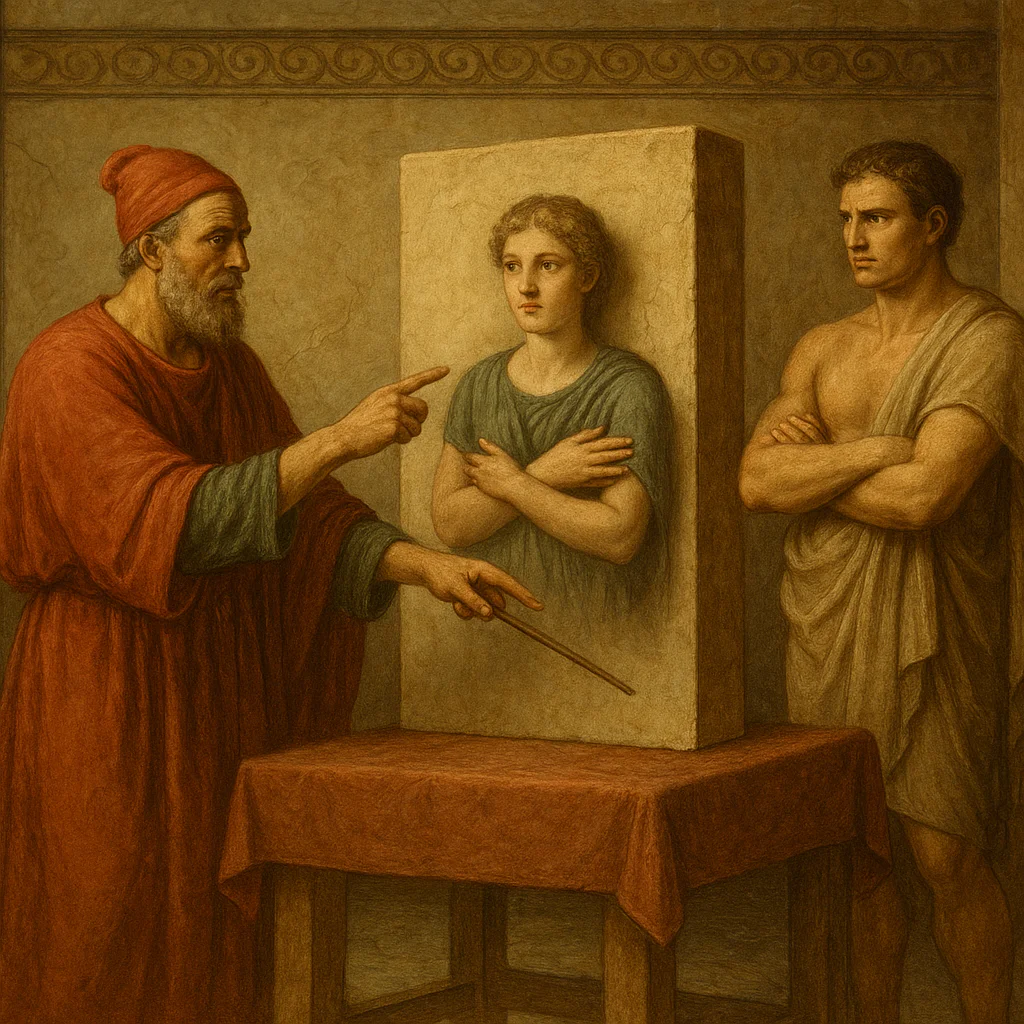
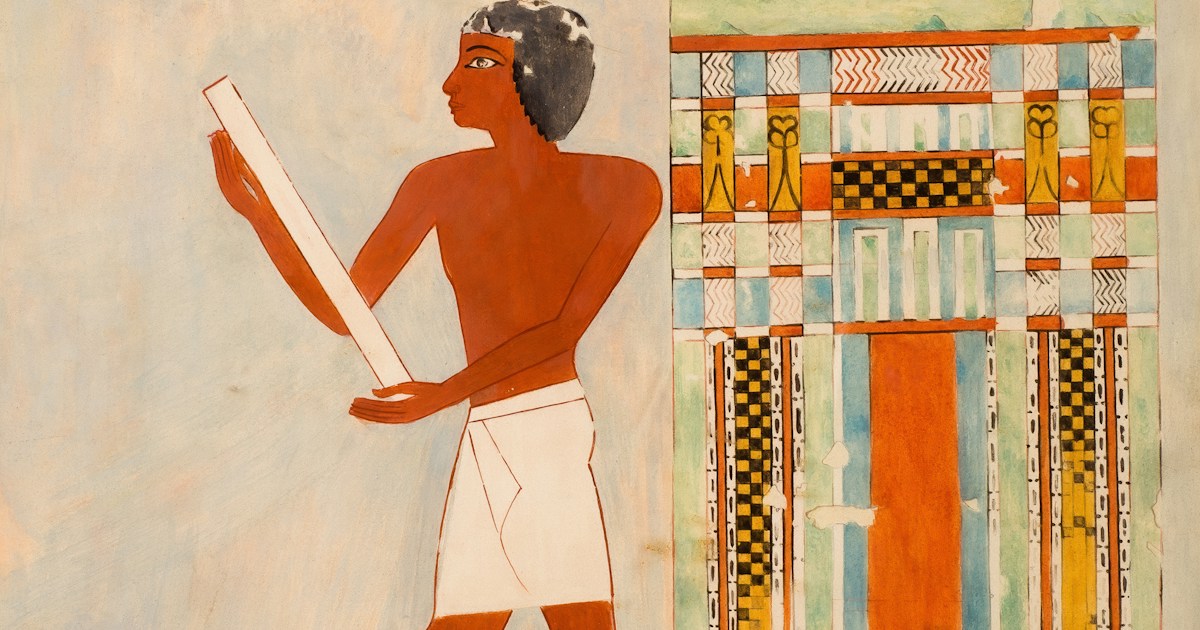
The oldest known magic illusion may be ancient Egyptian scene at Beni Hasan, often interpreted as a cups-and-balls performance—but the image is ambiguous, and some historians think it depicts food preparation instead. So the honest answer is intriguing rather than absolute: the famous painting is a leading visual candidate, not settled proof.
That uncertainty is part of the fun. A scene carved thousands of years ago can still make us squint and ask, “Wait—are those cups, or is someone baking?” Meanwhile, the cups-and-balls routine remains a classic of close-up magic, built on the same timeless ingredients: attention, timing, and a reveal that seems to break the rules.
Key Takeaways
- The Beni Hasan tomb scene is the best-known visual candidate for the oldest magic illusion, but its meaning is disputed.
- “Oldest” depends on the evidence: ancient image, a written account, and a trick still performed today are different claims.
- The cups-and-balls routine has ancient roots, though we cannot prove modern performances reproduce an unchanged ancient trick.
- Magic is more than fast hands: timing, audience expectations, and misdirection help make an ordinary object seem impossible.
- The most accurate verdict: the oldest known magic illusion is not definitively identified—but the ancient Egyptian cups-and-balls interpretation is a fascinating contender.
Table of Contents
- ⚡️ Quick Tips and Facts
- 🏺 What Counts as the Oldest Known Magic Illusion?
- 📜 Ancient Egyptian Magic: The Beni Hasan Tomb Painting
- Where the famous cups-and-balls image was found
- What the figures appear to be doing
- Why the painting’s interpretation is debated
- 🔎 7 Early Records and Candidates for the Oldest Magic Illusion
- 1. The Beni Hasan cups-and-balls scene
- 2. Ancient Egyptian tales of wonder-workers
- 3. The Westcar Papyrus and court marvels
- 4. Greek and Roman accounts of conjuring
- 5. The ancient linking rings tradition
- 6. Medieval European descriptions of sleight of hand
- 7. Early printed explanations of magic tricks
- 🎩 The Cups and Balls: Magic’s Most Famous Ancient Trick
- How the classic routine works
- How modern magicians perform it
- 🧭 How Historians Date and Interpret Ancient Magic
- Archaeological evidence versus written accounts
- What counts as an illusion, ritual, or performance
- Why “oldest” claims need careful wording
- 🌍 Magic and Illusion in the Ancient World
- Egyptian religion, spectacle, and wonder-working
- Greek and Roman street performers
- How magic traveled across cultures
- 🪄 From Ancient Conjuring to Modern Stage Magic
- The survival of sleight of hand
- How the cups-and-balls routine evolved
- What today’s magicians can learn from ancient performers
- ❓ Common Myths About the Oldest Magic Trick
- 🔍 How to Explore the Evidence for Yourself
- ✅ Conclusion
- 🔗 Recommended Links
- 🙋 FAQ
- What is the oldest known magic illusion?
- Is the Beni Hasan painting definitely a cups-and-balls trick?
- How old is the Beni Hasan tomb painting?
- Was the cups-and-balls trick performed in ancient Egypt?
- What is the oldest written description of a magic trick?
- Is the Westcar Papyrus a record of real magic performances?
- What is the oldest magic trick still performed today?
- 📚 Reference Links
Quick Tips and Facts
For the broader debate over what deserves the title, see our guide to what is the oldest magic trick?. The short answer: the cups-and-balls routine is often called the oldest known sleight-of-hand trick, but the oldest visual evidence is disputed.
| Quick fact | What the evidence tells us |
|---|---|
| Most famous ancient candidate | A scene in an Egyptian tomb at Beni Hasan is often interpreted as a cups-and-balls performance. |
| Why it’s controversial | The image is ambiguous: some researchers and historians argue the figures may be preparing food rather than performing magic. |
| Earliest written reference often cited | A Roman-era account from around 45 CE is commonly discussed in connection with cups and balls. |
| Another ancient contender | The lota bowl, a vessel that seems to refill after being emptied, is described by magician-historian Bill Spooner as an early prop trick dating to around 300 BCE. |
| The enduring lesson | The secret matters less than timing, attention, and what the audience thinks it saw. |
A useful distinction keeps the history straight: “oldest image,” “oldest written account,” and “oldest trick still performed” are different claims. For more archaeological context and the broader story of magic history, keep that distinction in mind as we examine the evidence.
🏺 What Counts as the Oldest Known Magic Illusion?
Calling something “the oldest known magic illusion” sounds wonderfully definitive. History, alas, is not always so obliging. Evidence can survive as a picture, a written description, a prop, or a performance tradition—but each tells us something different.
| Type of evidence | What it can show | What it cannot prove by itself |
|---|---|---|
| Tomb painting or relief | People, objects, and a scene that may resemble a performance | That the scene is definitely a magic act |
| Written account | That an author described a marvel, performer, or trick | That the account is accurate or contemporary |
| Archaeological prop | That an object existed and was used | Exactly how it was used |
| Modern performance lineage | That a routine has remained popular | That the routine has been performed continuously since antiquity |
Three meanings of “oldest”
- Oldest possible depiction: The Beni Hasan tomb image, whose interpretation remains debated.
- Oldest reported written reference: A Roman-era reference to conjuring or cups-and-balls-style effects, frequently dated to around 45 CE.
- Oldest candidate prop trick: The lota bowl, sometimes placed around 300 BCE in accounts by modern magic historians.
These labels are not interchangeable. A painting that might show a trick is not the same kind of evidence as a text that describes one. And a trick’s resemblance to a modern routine does not prove every detail has stayed the same.
What magicians mean by an illusion
In performance magic, an illusion is an effect that appears to violate ordinary expectations: an object vanishes, changes place, penetrates a solid surface, or transforms. The method might involve sleight of hand, a specially designed prop, timing, or a combination of techniques.
That definition separates stage and close-up conjuring from religious ritual, folklore, and stories of supernatural events. Those subjects overlap in ancient sources, but they are not automatically evidence of a magician performing a trick for entertainment. Our illusions and close-up magic guides explore how different performance settings change the effect.
📜 Ancient Egyptian Magic: The Beni Hasan Tomb Painting
The image most often attached to the “oldest magic trick” claim comes from a tomb at Beni Hasan, ancient Egyptian cemetery in Middle Egypt. It is regularly described as showing two figures handling cups in a way that resembles the cups-and-balls routine.
That interpretation is memorable—and not universally accepted. The tomb image contains no clearly identifiable balls, and the scene appears among other everyday activities. Magic historian Bill Palmer has argued that the figures may be bakers preparing bread, not conjurers. The disagreement is a good reminder that an image can invite a clever reading without confirming it.
Where the famous cups-and-balls image was found
Beni Hasan is known for rock-cut tombs decorated with scenes of work, daily life, and other activities. The image attributed to an early cups-and-balls performance is associated with the tomb of Baqet III, a local governor whose tomb dates to Egypt’s Middle Kingdom.
The dating is often simplified in popular accounts. You may encounter dates around 200 BCE, while some articles give a much later date or loosely call it “around 250 BCE.” Those figures should not be treated as interchangeable. The better-supported broad context is the Middle Kingdom, around the early second millennium BCE; the specific interpretation of the scene is a separate question.
| Claim | How to treat it |
|---|---|
| “It is an Egyptian cups-and-balls trick.” | A popular interpretation, not a settled identification. |
| “The image is from around 250 BCE.” | A date repeated in some secondary coverage, but it conflicts with the Middle Kingdom context generally associated with Baqet III’s tomb. |
| “It proves the modern routine existed exactly as it does today.” | Too strong. Even if it depicts a performance, the image cannot establish the trick’s precise method or continuity. |
| “The scene could show food preparation.” | A competing interpretation raised by magic historian Bill Palmer. |
For an accessible summary of the controversy, Mental Floss explains why the image’s meaning is disputed. For a wider look at how objects and gestures acquire different meanings across performance traditions, explore our magic history collection.
What the figures appear to be doing
At a glance, the figures’ positions and the objects between them can look like a magician’s setup: vessels, hands, and a carefully arranged scene. That resemblance is why the cups-and-balls interpretation caught on.
But resemblance is not proof. The image does not unambiguously show the small balls that define the familiar trick. The figures may also be engaged in a shared task rather than performing for an audience. If the setting is food preparation, the cups or vessels could belong to that activity.
Our magician’s verdict: the painting is a fascinating candidate, not a signed confession from ancient conjurer. We can say it has inspired a plausible magic interpretation; we cannot responsibly say it settles the question.
Why the painting’s interpretation is debated
Three issues fuel the disagreement:
- The supposed balls are not clear. Without unmistakable balls, the defining objects of the routine are missing.
- Two people appear to handle the vessels. That differs from the familiar solo cups-and-balls presentation.
- The surrounding imagery matters. If nearby scenes show food preparation or feasting, the objects may belong to ordinary work.
The competing views are not equally certain in every detail, but both deserve mention. The painting may preserve ancient performance—or it may show a practical activity that modern viewers have learned to see through the lens of magic. Either way, it cannot by itself prove the trick’s age.
🔎 7 Early Records and Candidates for the Oldest Magic Illusion
Rather than force a single winner, let’s compare the main candidates by what kind of evidence they offer.
| Candidate | Approximate date often cited | Evidence type | Confidence as a magic trick |
|---|---|---|---|
| Beni Hasan scene | Middle Kingdom, broadly early second millennium BCE | Tomb image | Low to moderate; interpretation disputed |
| Egyptian wonder-worker stories | Ancient Egyptian literary traditions | Narrative text | Moderate as stories about marvels, not necessarily stage tricks |
| Westcar Papyrus | Copy from a later period preserving older-set stories | Literary manuscript | Low as evidence of a real performance |
| Roman cups-and-balls references | Around 45 CE in popular summaries | Written reference | Stronger as evidence that conjuring was known |
| Ancient linking-ring traditions | Dates and origins vary in modern accounts | Reported performance tradition | Uncertain without a securely dated early source |
| Medieval sleight-of-hand accounts | Middle Ages | Written descriptions and accusations | Variable; often mixed with moral or religious concerns |
| Early printed trick books | Early modern period | Printed instructions | Strong evidence for documented methods and performance culture |
1. The Beni Hasan cups-and-balls scene
This is the oldest often-proposed visual candidate, not a confirmed depiction. Its advantage is age; its weakness is ambiguity. The image is worth discussing precisely because the evidence is suggestive rather than conclusive.
2. Ancient Egyptian tales of wonder-workers
Ancient Egyptian literature includes stories about wonder-workers and extraordinary feats. Such narratives show that audiences valued marvels and magical knowledge, but they do not automatically document a stage trick performed with secret sleight of hand.
A story can preserve cultural ideas about magic without being a report of an actual entertainment routine. That distinction matters when we compare literature with a picture or a practical instruction manual.
3. The Westcar Papyrus and court marvels
The Westcar Papyrus is a collection of stories set in the royal past, featuring marvels and wonder-working at court. It is valuable evidence for how ancient Egyptians imagined magical skill and spectacle. It is not a straightforward eyewitness account of a conjurer performing the cups and balls.
Think of it as literary evidence: historically important, but not a magician’s rehearsal notes tucked into a tomb.
4. Greek and Roman accounts of conjuring
Ancient Greek and Roman sources describe performers, marvels, and deceptive effects. A Roman reference dated around 45 CE is often cited as an early written mention associated with cups-and-balls-style conjuring. It offers a firmer textual foothold than the Beni Hasan image, though the exact wording and interpretation still matter.
For more on how ancient spectacle fits into the history of performance, compare these references with reputable museum and academic material linked in our reference section.
5. The ancient linking rings tradition
The linking rings—solid-looking rings that mysteriously join and separate—are a staple of modern magic. Claims about their ancient origins circulate widely, but a long-lived modern tradition is not proof of a securely documented ancient performance.
When a source gives a precise ancient date for the rings, ask what supports it: an archaeological object, a contemporary written description, or a later account repeating an earlier claim? The answer determines how much confidence the claim deserves.
6. Medieval European descriptions of sleight of hand
In medieval Europe, accounts of deceptive performers often appear alongside warnings about fraud, gambling, or superstition. These texts can tell us that people recognized and worried about manual deception, but they may describe the performer through a moralizing lens rather than as an entertainer.
The practical lesson is useful: the same secret move can be called clever entertainment by one audience and deceit by another.
7. Early printed explanations of magic tricks
Printed books explaining conjuring methods provide a different kind of evidence. They document a trick’s mechanics and the language used to teach it, rather than merely reporting that a marvel occurred.
As printing spread, magic became easier to record, teach, and compare. It also made secrets harder to keep. For modern readers curious about how sleight of hand is taught today, our card tricks and coin tricks collections show how those basic principles continue in close-up performance.
🎩 The Cups and Balls: Magic’s Most Famous Ancient Trick
The cups and balls is a classic for a reason: it is simple to understand, flexible to perform, and devilishly difficult to follow when handled well. The performer appears to make small balls vanish, travel, penetrate solid cups, and reappear—often finishing with a surprise object under a cup.
It is frequently called one of the oldest known magic tricks, but the safest wording is “one of the oldest tricks with a strong claim to ancient roots.” The exact date of its first performance remains uncertain.
How the classic routine works
A traditional routine often uses three cups and small balls. The audience sees a clear sequence of actions; the magician secretly manages objects during moments when attention is elsewhere.
Here’s the broad structure, without exposing a working routine:
- Establish the props. The magician shows the cups and balls, encouraging the audience to believe it has seen everything.
- Create a pattern. A ball appears to vanish or travel from one location to another.
- Repeat with variation. The audience starts predicting what will happen, then the magician changes the rhythm or outcome.
- Build the impossibility. A ball appears to penetrate a cup or reappear where it should not be.
- Deliver the final load. Larger objects, such as fruit, appear under the cups as a surprising finish.
The trick’s secret is not just “fast hands.” It combines practice, timing, misdirection, and audience expectations. If a spectator thinks they know where to look, the magician can use that expectation as part of the method.
A step-by-step way to appreciate the performance
- Watch the hands, but notice when your eyes move away from them.
- Track the story the magician is telling: a ball vanishes, travels, or returns.
- Notice repeated gestures. A repeated action can make a secret moment feel ordinary.
- Ask what you expected to happen at each phase.
- Only after the reveal, reconsider which moments you trusted too quickly.
This is an observation exercise, not a lesson in secretly taking someone’s money. The cups-and-balls family also has a shell-game cousin, and the latter can be used for gambling fraud. Enjoy theatre; don’t wager on street hustlers.
How modern magicians perform it
The routine appears in close-up sets, parlour shows, and stage acts. Some performers use opaque cups; others deliberately use transparent cups to challenge the audience’s assumptions.
The American Institute of Physics’ Inside Science report on research into the cups-and-balls illusion describes experiments involving Penn & Teller’s performance. Researchers tested brief video clips with seven volunteers and recorded viewers’ reports alongside eye movements. The results suggested that an apparent dropped ball stuck to a cup could fool audiences more effectively than the magicians expected.
The study also reported that hiding Teller’s face behind a black rectangle did not appear to reduce the effect in that experiment. That challenges the simple idea that a magician’s facial expression must direct attention. The researchers cautioned that more work is needed to understand when social cues matter.
Penn & Teller’s transparent-cup performances show another useful point: visibility is not the same as comprehension. As the research report notes, viewers can see the movements and still fail to understand how the effect is accomplished.
For the first video’s contrasting performer’s perspective, see Chris Hannibal’s comedic cups-and-balls routine. Hannibal jokes that the trick ranks just behind “pull my finger,” then demonstrates vanishes, apparent penetration, transpositions, and a final-load surprise with large fruit. His line—“keep your eye on the ball”—is a gag with a serious lesson: watching one object closely does not guarantee you see the method.
🧭 How Historians Date and Interpret Ancient Magic
Historians do not date a trick simply by asking, “What does this look like?” They compare the object, the site, the text, the surrounding imagery, and how confidently each piece can be connected to performance.
Archaeological evidence versus written accounts
| Evidence | Strength | Limitation |
|---|---|---|
| Archaeological context | Can establish where an image or object was found and its approximate period | Context does not always reveal purpose |
| Contemporary text | Can record a named effect, performer, or practice | Authors may exaggerate, misunderstand, or moralize |
| Later retelling | Can preserve older traditions | May add errors or reshape the story |
| Modern analogy | Helps explain what ancient scene resembles | Can project modern assumptions onto the past |
A text may give a clearer description of an action, while an archaeological image may be older. Neither automatically wins. The best historical claim is the one that matches the evidence’s strengths without asking it to prove more than it can.
What counts as an illusion, ritual, or performance
Ancient societies did not always divide magic, religion, entertainment, and medicine as neatly as modern readers do. A ritual could involve spectacle; a wonder-worker could be both a religious figure and an entertainer; a story could mix folklore with real social practices.
To classify a scene as a magic trick, historians look for clues such as:
- A performer addressing or engaging an audience.
- Props arranged for visual effect.
- Evidence of concealment, exchange, or repeated action.
- A text identifying a performer or describing a deceptive effect.
- Context that distinguishes performance from ordinary work or ritual.
No single clue is always enough. The Beni Hasan scene is a perfect example: it resembles a trick to some viewers, but lacks unmistakable proof of the props and performance context.
Why “oldest” claims need careful wording
Popular articles often compress uncertainty into a punchy headline. That is understandable; “Possibly One of the Earliest Visual Candidates, Depending on What the Scene Depicts” does not exactly leap off the page.
Still, careful wording protects the reader from false certainty:
- Say “often identified as” when an interpretation is disputed.
- Say “earliest known written reference” only when the source and dating support it.
- Separate a trick’s ancient evidence from its modern popularity.
- Treat exact dates cautiously when secondary sources disagree.
Mental Floss frames the tomb image as something that “may be the earliest record of a magic performance,” while also reporting Bill Palmer’s skeptical interpretation. That balanced phrasing is stronger than presenting the painting as a settled fact.
🌍 Magic and Illusion in the Ancient World
Ancient magic was not one uniform art. It could mean ritual practice, protective spells, marvels in literature, public spectacle, or the kind of sleight of hand we recognize from a modern magic show. The distinctions matter, but the shared human appetite for wonder is easy to spot.
Egyptian religion, spectacle, and wonder-working
Egyptian sources place magic within a broader religious and cultural world. Stories of wonder-workers tell us that audiences imagined skilled people doing extraordinary things, but a literary marvel is not automatically a documented stage trick.
That is why the Westcar Papyrus belongs in this story without serving as proof of the cups and balls. It illuminates beliefs and storytelling; the Beni Hasan image offers a possible visual performance; Roman references provide another kind of evidence.
Greek and Roman street performers
Ancient Mediterranean cities had performers who used dexterity, props, and spectacle to attract attention. Written sources may describe juglers, conjurers, or deceptive demonstrations, though the terminology and social attitudes vary from author to author.
A street performance also has something in common with a modern close-up routine: the magician must make the action visible enough to follow while keeping the method invisible. That balance is the craft—and it is why a tiny cup can command a whole crowd.
How magic traveled across cultures
Tricks can spread through trade, migration, books, touring performers, and imitation. Similar effects appearing in different cultures do not necessarily prove a single point of origin; people can independently discover that a hidden object, a repeated gesture, or a well-timed reveal creates astonishment.
The cups-and-balls routine is found in many performance traditions. Its broad appeal may come from the fact that the plot is instantly understood: the object is here; now it isn’t; now it is somewhere impossible.
🪄 From Ancient Conjuring to Modern Stage Magic
The history of magic is less like a straight line and more like a relay race in a dark theatre. Techniques are adapted, routines are renamed, and performers add new props or technologies. The baton may pass, but the audience still gasps at the same moment.
The survival of sleight of hand
Sleight of hand remains central because it works at human scale. A card, coin, or small ball is easy to see, easy to understand, and surprisingly hard to track when attention is divided.
The same principles appear in modern coin magic, card magic, and close-up performance:
- Attention is selective. We cannot process every detail at once.
- Expectation shapes perception. We often see what we predict.
- Timing makes actions meaningful. A secret move can look ordinary if it happens at the expected moment.
- The story directs the eyes. A clear plot helps hide the mechanics.
These are not ancient secrets in the sense of a single preserved instruction manual. They are durable features of human attention that performers continue to study.
How the cups-and-balls routine evolved
Over time, performers have changed the props, pacing, setting, and finale. A routine may use traditional cups, glass vessels, or objects chosen to suit the performer’s character. Some versions emphasize comedy; others lean into elegance, suspense, or impossible-looking transparency.
The AIP’s coverage of Penn & Teller’s research offers a particularly modern twist: transparent cups can make the effect feel more impossible, not less. A separate discussion in The Scholarly Kitchen uses the transparent-cup performance to question the assumption that showing more always solves the mystery. A clear view can still leave an unclear explanation.
What today’s magicians can learn from ancient performers
We cannot know exactly how ancient performer handled a cup in a crowded market. We can, however, learn from the long life of the routine:
- Make the effect legible. The audience should understand what would be impossible.
- Give every move a reason. A gesture that belongs to the story attracts less suspicion than a move that looks like housekeeping.
- Respect the audience. Wonder works best when spectators feel invited, not mocked.
- Use surprise with rhythm. Repetition creates a pattern; a changed ending breaks it.
- Keep the method secondary. The memory of the impossible moment outlasts the mechanics.
The first-video performance by Chris Hannibal captures the principle with comedy and a classic final-load reveal. See the featured video for the routine’s playful take on cups, balls, attention, and the danger of being told to keep watching one thing.
❓ Common Myths About the Oldest Magic Trick
Myth: The Beni Hasan image proves the cups-and-balls trick began in ancient Egypt
Reality: It is a popular interpretation, but the scene is ambiguous and may depict food preparation. It is evidence worth examining, not conclusive proof.
Myth: The oldest trick must have one exact date
Reality: The answer changes depending on whether you mean the oldest image, written reference, prop, or continuously performed routine. These are different historical categories.
Myth: Ancient performers used exactly the same cups and balls as modern magicians
Reality: Even if ancient image shows a performance, it cannot establish the precise method, props, or routine structure. Modern versions can share an effect without preserving every ancient detail.
Myth: Clear cups make a cups-and-balls trick impossible
Reality: Penn & Teller’s transparent-cup routines demonstrate that visibility alone does not guarantee understanding. Research discussed by Inside Science also highlights how timing and attention can influence what viewers notice.
Myth: The trick is just about fast hands
Reality: Manual skill matters, but so do timing, rhythm, expectation, and audience attention. The fastest move in the world is not magic if the audience has no reason to care where the ball goes.
🔍 How to Explore the Evidence for Yourself
Want to separate ancient fact from a great story? Use this quick source-checking routine.
- Find the original claim. Is the source discussing a tomb image, a written text, or a modern performance tradition?
- Check the date and context. Does the date fit the archaeological period of the site or manuscript?
- Look for disagreement. A reliable account should identify plausible competing interpretations.
- Trace the quotation. If an article quotes a historian, check whether the quote is complete and accurately represented.
- Distinguish “possible” from “proven.” Words such as may, appears, and is often interpreted as carry real meaning.
- Compare evidence types. A later written account may be clearer than an older image, but it is not necessarily older evidence.
The most useful question is not just “Which trick is oldest?” It is “What kind of evidence would let us know?” That shift turns a trivia question into a proper little investigation—and makes the answer more interesting, not less.