Support our educational content for free when you purchase through links on our site. Learn more
How Street Magicians Changed Magic’s Story 🎩

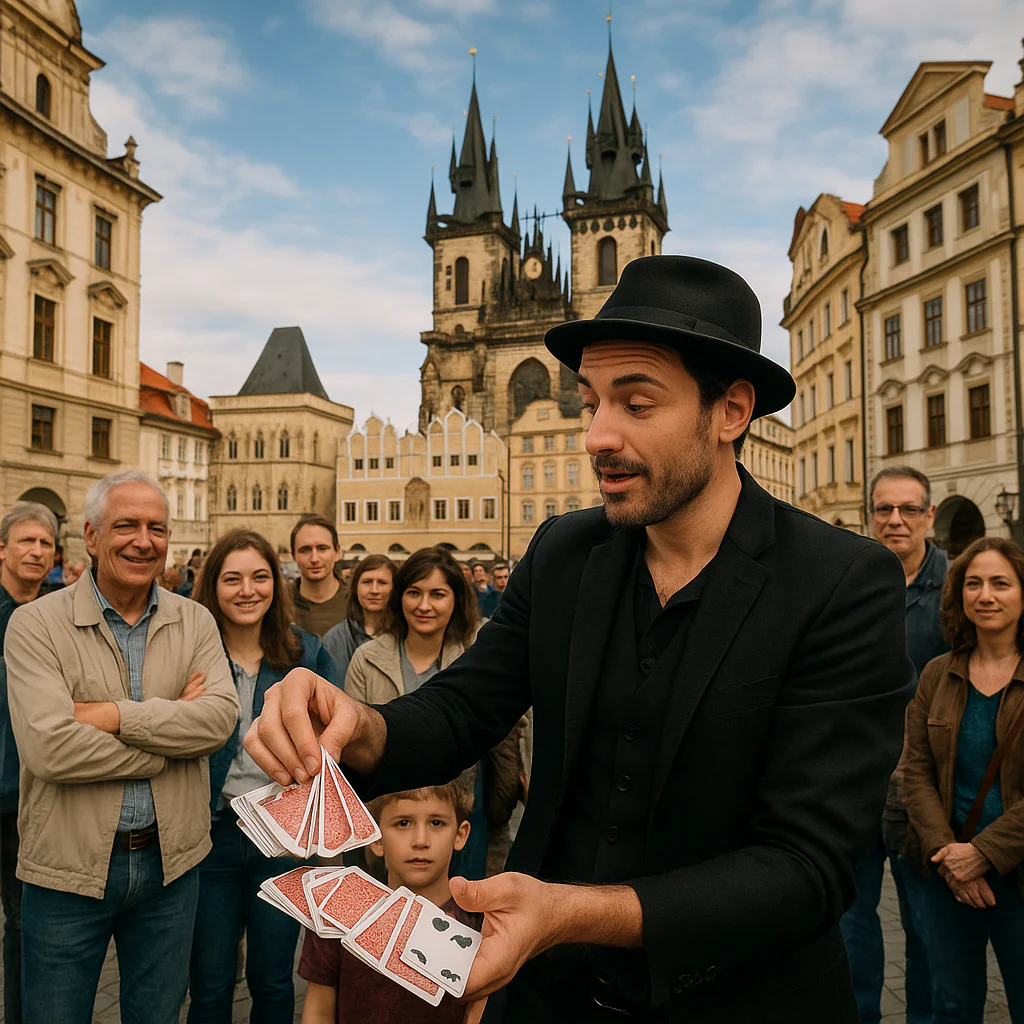
Street performers and traveling magicians helped magic evolve by making tricks portable, public, and responsive to real audiences. They refined how magicians gathered a crowd, directed attention, and made an effect clear amid noise, distractions, and skeptical spectators.
The question “What role did street performers and traveling magicians play in the evolution of magic tricks?” has a fascinatingly practical answer: they tested wonder where there was no curtain to hide behind. A gust of wind, a late-arriving spectator, or a sharp-eyed heckler could reshape the performance on the spot.
Their legacy isn’t that they invented every famous trick. It’s that they helped magic travel between places and taught generations of performers to make astonishment work face-to-face.
Key Takeaways
- Street performance shaped presentation: magicians learned to win attention, manage crowds, and make effects easy to follow.
- Travel helped magical ideas circulate: performers carried routines, stories, and performance skills between towns, though specific historical links need evidence.
- Portable effects thrived in public: sleight of hand, coin magic, and cups-and-balls routines suit settings with limited space and equipment.
- The audience shaped the art: street magicians developed adaptability, timing, and improvisation through immediate live feedback.
- Magic evolved across many venues: streets, fairs, parlours, theaters, and modern media influenced one another; no single group invented the whole tradition.
Table of Contents
- ⚡️ Quick Tips and Facts
- 🎩 How Street Performers Shaped the History of Magic
- From Ancient Marketplaces to Medieval Fairs
- Traveling Magicians, Trade Routes, and Cultural Exchange
- How Magic’s Meaning and Reputation Changed
- 🪄 What Counts as Street Magic or Traveling Magic?
- Street Performers, Buskers, Conjurers, and Illusionists
- Street Magic Compared with Stage and Parlour Magic
- ✨ Tricks and Techniques Born in the Crowd
- Sleight of Hand, Cups and Balls, and Coin Magic
- Misdirection, Timing, and Audience Management
- Portable Props and Working in the Open Air
- 🎭 How Street Performance Changed the Art of Magic
- Improvisation and Reading a Live Audience
- Building a Show: The Pitch, the Routine, and the Finale
- Publicity, Reputation, and the Traveling Show
- 🌍 Traveling Magicians and the Spread of Magical Ideas
- Fairs, Festivals, Taverns, and City Streets
- Cultural Exchange, Adaptation, and Borrowed Traditions
- From Street Acts to Vaudeville, Circus, and Modern Shows
- ⭐ Notable Street Performers and Traveling Magicians
- Historical Conjurers and Famous Escapologists
- Modern Buskers and Contemporary Street Magicians
- 🪙 Money, Pitches, and the Street Performer’s Trade
- How Magicians Colected Money and Earned a Living
- The Hat Line, the Pitch, and Audience Expectations
- Tips for Ethical, Audience-Friendly Busking
- 📜 Laws, Permits, and Public-Space Performance
- How Regulations Affect Street Magic
- Safety, Consent, and Respecting the Crowd
- 🧠 What Street Magic Teaches Today’s Magicians
- Lessons in Presentation, Practice, and Adaptability
- How Social Media and Video Changed Street Magic
- ❓ Common Myths About Street Performers and Magic
- 🔮 Conclusion
- 📚 Recommended Links
- 🙋 FAQ
- Did street performers invent modern magic tricks?
- Why did magicians travel from town town?
- What tricks work best for street magic?
- How did street magicians earn money?
- Is street magic different from close-up magic?
- 🔎 Reference Links
Quick Tips and Facts
If you’re wondering how public performers helped shape magic, start with the oldest documented example: our guide to what is the oldest magic trick? explores the ancient cups-and-balls tradition and its long afterlife.
| Quick fact | Why it matters |
|---|---|
| Street performance is a venue and working tradition, not a single style of magic. | Crowds, noise, weather, sightlines, and short attention spans all influence how tricks are presented. |
| Street magic is built for visibility and participation. | A performer must make the effect readable to people standing at different distances—and keep them watching. |
| Traveling performers helped entertainment circulate between towns and cultures. | Their journeys created opportunities to share routines, methods, stories, and performance techniques, though the evidence rarely lets us trace one trick’s exact route. |
| A street show often gathers spectators into a circle show. | The performer needs a strong opening, a clear progression, and an ending that signals when the audience can respond or contribute. |
| Not every itinerant entertainer was a magician. | Historical accounts use broad labels for performers; it’s safer not to assign specific magic practices to groups without evidence. |
| Street performance still adapts to its setting. | In stoplight performances, for example, there may be time only for a “very brief, condensed routine,” as the overview of street performance puts it. |
| The core legacy is practical: make wonder work in front of real people. | The street rewards clear effects, flexible presentation, and the ability to recover gracefully when something goes sideways. |
At Magic Trick™, we see street magic as a kind of live laboratory. A trick that survives a gust of wind, a heckler, and someone shouting “I saw that!” has learned a thing or two.
🎩 How Street Performers Shaped the History of Magic
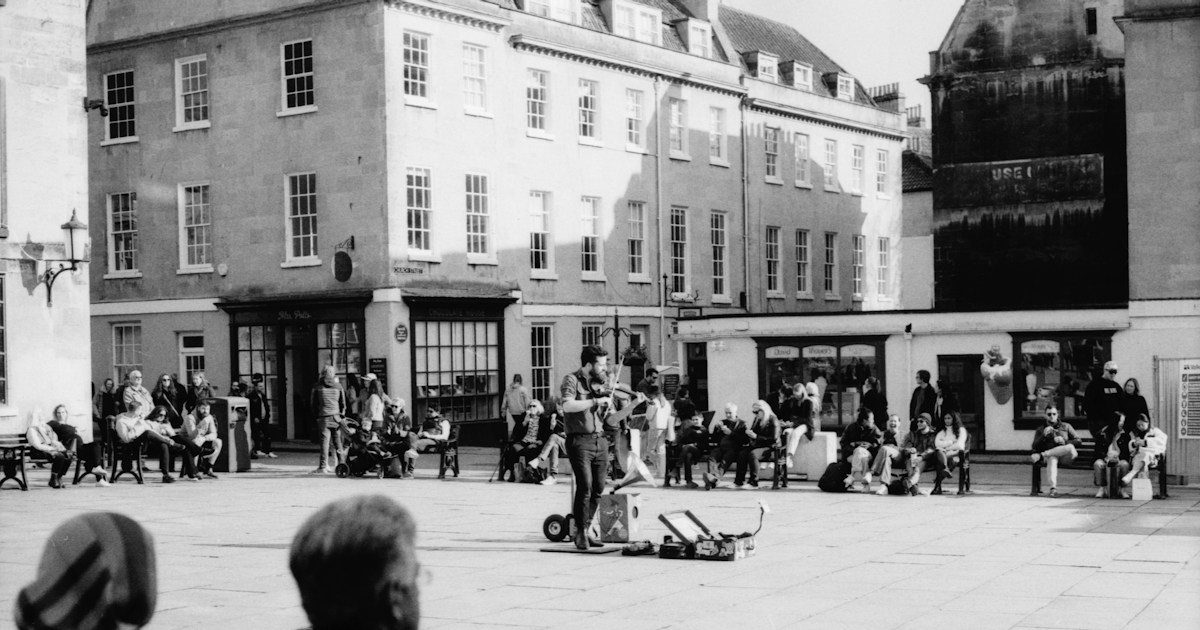
Street performers and traveling magicians helped magic evolve by taking it out of private rooms and placing it in front of unpredictable public audiences. They had to attract attention, communicate quickly, and make effects convincing without relying on elaborate stages or controlled lighting. Those pressures shaped performance—not necessarily by inventing every trick, but by influencing which tricks worked, how they were presented, and how performers earned a living.
The history of magic is not a tidy chain of one magician handing a secret to the next. It’s more like a traveling trunk full of techniques, borrowed stories, commercial tricks, and hard-won audience instincts.
From Ancient Marketplaces to Medieval Fairs
Magic-like effects have a long history, but the records require care. The ancient Egyptian Westcar Papyrus, a literary text usually dated to the Second Intermediate Period, includes a tale of a magician performing a decapitation-and-restoration effect. It is evidence of ancient stories about wonder-working, not a surviving instruction manual or proof of an unbroken street-magic lineage. The British Museum’s overview of the Westcar Papyrus offers useful context.
The cups-and-balls effect is another enduring example. Its appearances in ancient imagery and later records have made it a favorite subject in histories of conjuring, but claims about its precise origin often go beyond what the evidence can securely establish. What we can say confidently: the effect’s basic plot—objects vanish, appear, and travel in impossible ways—has proved remarkably adaptable to public performance.
Across later European fairs and marketplaces, entertainers performed for crowds that might include shoppers, travelers, children, and skeptical onlookers. Magic shared this public space with music, acrobatics, juggling, storytelling, and other popular entertainments. The broad history of street performance also includes performers with very different roles and traditions; those categories should not be collapsed into “magicians” simply because they all worked in public.
Why fairs suited magic
- Crowds arrived ready to be entertained.
- A trick could be repeated for new groups throughout the day.
- Small props were easier to carry than stage machinery.
- The performer could adjust the act to suit the audience, venue, and available time.
- A successful effect could attract a crowd—and a crowd could attract more spectators.
A fairground wasn’t a theater with a curtain. It was a thousand competing distractions wearing a loud hat. The magician’s first task was often simply to make people stop.
Traveling Magicians, Trade Routes, and Cultural Exchange
Traveling performers carried their acts from place to place, encountering different audiences, languages, customs, and performance spaces. That mobility helped entertainment circulate. It also encouraged performers to adapt familiar effects: a line that worked in one town might fall flat in another, while a visual trick could cross language barriers with less explanation.
But historical caution matters. General histories of itinerant entertainers document many kinds of performers, and sources do not always tell us who performed magic, what methods they used, or whether a particular trick traveled with them. We should distinguish plausible cultural exchange from a documented claim that a named performer introduced a specific method to a particular region.
Travel may spread more than secrets. Performers can also carry:
- Plots and presentations: the story wrapped around an effect.
- Audience-management skills: how to gather a crowd and hold attention.
- Performance conventions: gestures, pater, costume, and timing.
- Practical knowledge: what props survive travel, weather, and repeated use.
- Commercial know-how: where to perform, how to advertise, and when to pass the hat.
A useful perspective appears in the first video, which connects magic’s history with human perception and the development of performance. Teller’s observation in the video—“Magicians have done controlled testing in human perception for thousands of years”—captures a central idea, though it’s best understood as a broad reflection on how performers exploit attention, not as a literal claim that ancient magicians used modern experimental methods.
How Magic’s Meaning and Reputation Changed
The meaning of “magic” has shifted over time. Depending on the setting, a performer might be treated as an entertainer, a religious or folkloric figure, a clever trickster, or a suspected fraud. Audiences have not always drawn a neat line between supernatural belief and staged deception.
As theaters and professional entertainment expanded, conjurers increasingly presented their work as skillful illusion rather than supernatural power. Jean-Eugène Robert-Houdin, a nineteenth-century French magician, became associated with a more refined, theatrical style. Later, Harry Houdini built a public reputation around escapes, publicity, and debunking claims of fraudulent spiritualism. The Library of Congress collection on Houdini documents aspects of his life and career.
Street and traveling performers belonged to this changing landscape. Their public setting made the performer’s skill visible, but it also made credibility a live negotiation: the audience knew it was watching a show, yet still wanted the impossible to feel real.
🪄 What Counts as Street Magic or Traveling Magic?
Street magic is magic performed in public spaces for passersby or gathered audiences. Traveling magic describes a performer’s mobility or touring practice; it can take place on streets, at fairs, in halls, or in theaters. The terms overlap, but they aren’t interchangeable.
| Term | What it describes | Typical setting |
|---|---|---|
| Street magic | A public-facing performance style | Streets, plazas, markets, parks |
| Busking | Earning audience contributions through live public performance | Permitted public spaces and designated pitches |
| Traveling magic | A performer or show that moves between locations | Towns, fairs, venues, touring circuits |
| Close-up magic | Effects performed within a few feet of spectators | Tables, small groups, private events |
| Stage magic | Effects designed for a seated audience at a distance | Theaters, auditoriums, showrooms |
| Parlour magic | A show for a small or medium-sized room | Homes, clubs, intimate venues |
A performer can be a traveling magician without busking, and a local magician can perform street magic without touring.
Street Performers, Buskers, Conjurers, and Illusionists
These labels describe different things:
- Street performer: anyone presenting entertainment in a public space.
- Busker: a street performer who solicits voluntary audience contributions.
- Conjurer: a traditional term for someone who performs deceptive effects.
- Illusionist: often used for a magician whose act emphasizes visual or theatrical effects.
- Street magician: a magician presenting effects for passersby or gathered crowds.
The overview of street performance lists magic among public entertainment forms and describes performers who gather audiences for “circle shows.” That supports the broad point that magic is part of the busking tradition; it does not establish a detailed history for every specific trick.
Street Magic Compared with Stage and Parlour Magic
| Feature | Street magic | Parlour magic | Stage magic |
|---|---|---|---|
| Audience | Passing crowd or gathered circle | Small, attentive group | Seated audience |
| Attention | Must be won quickly | Usually already secured | Directed by stage and lighting |
| Sound | Traffic and crowd noise | Easier to control | Amplification often available |
| Props | Usually compact and durable | Can be more varied | May include large apparatus |
| Audience interaction | Often high | Moderate to high | Varies by act |
| Main challenge | Stop people and hold them | Keep intimacy across a room | Make effects read at distance |
A street performance can include close-up magic or card tricks, but the performance has to suit its surroundings. A delicate whisper-based effect is a tough sell next to a busker with a drum kit.
✨ Tricks and Techniques Born in the Crowd
Street performers didn’t necessarily invent every effect they performed. Their contribution was often to test, refine, and popularize ways of presenting magic under demanding conditions. On the street, a trick must read clearly, withstand scrutiny, and keep moving.
Sleight of Hand, Cups and Balls, and Coin Magic
Sleight of hand—often called legerdemain—is the skillful manipulation of objects to create an apparent impossibility. It is especially well suited to portable performance because it can use ordinary-looking objects and requires little equipment.
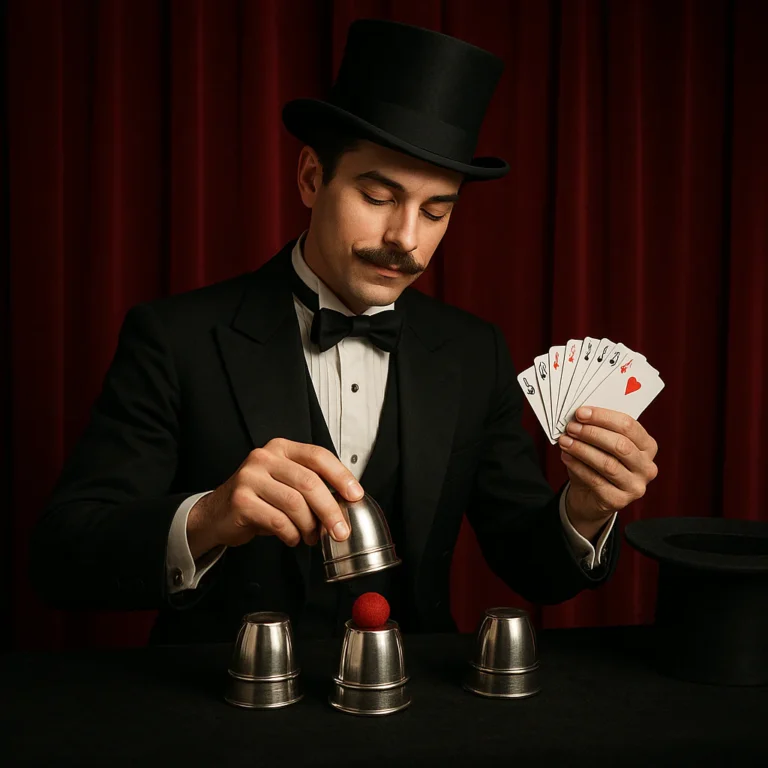
The cups-and-balls routine is an especially adaptable example. Its structure is easy to follow even when spectators have never seen magic before: balls vanish, reappear, and move beneath cups. The routine also lets performers build suspense through repetition and escalation.
Coin magic offers similar advantages:
- A coin is familiar and compact.
- The object is visible against many backgrounds.
- A vanish or appearance can be understood quickly.
- Coins invite close audience involvement.
- The method can be adapted to different skill levels and presentation styles.
Our coin tricks guide explores effects that share this portable, hands-on appeal. The limitation is visibility: a tiny coin vanish may play beautifully for five people and disappear entirely for a crowd of fifty.
What makes a street-friendly trick?
- A clear visual effect: spectators should understand what changed.
- A strong contrast: the object or action should stand out against the background.
- A manageable reset: repeated performances should be practical.
- A flexible presentation: the routine should survive interruptions.
- A fair viewing angle: the effect should not depend on a single hidden sightline that the crowd can easily violate.
Misdirection, Timing, and Audience Management
Misdirection isn’t simply “look over there.” It is the art of guiding attention—through timing, speech, movement, expectation, and the audience’s own assumptions. Street performers must do this while people arrive late, wander away, or watch from unexpected angles.
Here’s a practical way to think about it:
- Establish the audience’s focus. Make sure the important object or action is visible.
- Give spectators a reason to look. A question, gesture, or moment of suspense can direct attention naturally.
- Make the secret action fit the rhythm. A move that looks like part of the routine is less suspicious than one that feels isolated.
- Let the effect register. Don’t rush past the moment of astonishment.
- Reset attention before the next phase. A laugh or response can create a natural transition.
A crowd is not a passive wall of faces. It’s a shifting organism: someone is filming, someone is whispering, and someone in the back wants to know whether the coins are real. Strong performers account for all three without turning the show into a courtroom.
Portable Props and Working in the Open Air
Street performers commonly favor props that are light, durable, and easy to reset. That is a practical preference, not a fixed rule. A traveling act may use a larger setup when the venue allows it, while a street performer may build an entire routine around an ordinary deck of cards.
| Performance need | Helpful quality | Possible drawback |
|---|---|---|
| Outdoor visibility | Large shapes and bold colors | Bigger props may be harder to transport |
| Repeated shows | Quick reset | Repetition can make a routine feel mechanical |
| Wind and weather | Stable, robust materials | Some effects simply don’t suit outdoor conditions |
| Crowd control | Clear performance area | Public foot traffic may interrupt the show |
| Portability | Compact props | Small objects can be difficult to see at a distance |
For an approachable starting point, a standard deck from Bicycle Playing Cards is familiar and versatile; a coin routine requires even less apparatus. But the best prop is the one that suits the performer’s hands, audience, and setting—not the one with the most dramatic packaging.
🎭 How Street Performance Changed the Art of Magic
Street performance put the magician’s craft under immediate public pressure. There was no quiet theater to politely wait for the trick to start. The performer had to earn attention, shape the viewing conditions, and communicate an effect in real time.
Improvisation and Reading a Live Audience
Street audiences provide instant feedback. A performer can see when people lean in, lose interest, laugh, or start guessing. That makes public performance a demanding place to develop timing and presentation.
We’ve seen a simple effect transform when the magician changes one thing: a pause before the reveal, a different spectator invited to help, or a clearer view of the object. The method may stay the same. The experience changes.
Useful audience-reading habits include:
- Watch faces and body language, not only applause.
- Adjust the pace if spectators arrive mid-routine.
- Give helpers simple, respectful instructions.
- Avoid humiliating someone who guesses correctly.
- Keep a short version ready for a noisy or hurried crowd.
- Treat interruptions as information, not a personal insult.
The drawback is that improvisation can become overeliance on pater. A clever line cannot rescue an unclear effect forever. The magic still has to land.
Building a Show: The Pitch, the Routine, and the Finale
A circle show has a clear performance arc. The details vary, but a practical structure often looks like this:
- The opening: a visible action or intriguing promise gives people a reason to stop.
- The gather: the performer creates a safe, workable audience space.
- The build: short effects establish skill and encourage spectators to stay.
- The feature routine: a longer piece gives the show its identity.
- The finale: a strong, easy-to-read effect supplies a satisfying ending.
- The close: the performer thanks the audience and invites voluntary contributions where appropriate.
The ending matters because spectators need to know the show is over. Without a clear close, a crowd can drift away before the performer has a chance to acknowledge their attention or support.
Publicity, Reputation, and the Traveling Show
Traveling performers depend on word of mouth, local visibility, and repeat audiences. A memorable performance can create a small reputation in a market or town. Touring also challenges performers to make an act portable in both senses: physically transportable and understandable to unfamiliar spectators.
Modern technology extends that reputation beyond the street. Video can introduce an act to millions, but a camera edit is not the same thing as performing for a crowd with shifting sightlines and no “cut to the reaction shot.” Online clips may help with publicity; live performance still tests timing, clarity, and audience management in full.
🌍 Traveling Magicians and the Spread of Magical Ideas
Traveling magicians helped magic travel as a performing tradition. They connected audiences with effects, styles, stories, and techniques from beyond their local communities. Yet the surviving evidence is uneven: it often tells us that entertainers traveled, not exactly what secrets they carried.
Fairs, Festivals, Taverns, and City Streets
Fairs and marketplaces offered foot traffic and a steady supply of potential spectators. Streets and squares could provide a spontaneous venue, while taverns, private rooms, and halls allowed more controlled performances. Each environment encouraged different choices.
- Markets: high foot traffic, frequent interruptions, short attention spans.
- Fairs: audiences already seeking entertainment and spectacle.
- Taverns and rooms: smaller audiences and closer viewing conditions.
- Festivals: larger crowds, competition for attention, and communal celebration.
- Street corners: flexible location, but variable noise, light, and safety.
The Pike Place Market busking program offers a contemporary example of organized public performance. The Market describes a busking tradition spanning more than 50 years and including nearly 200 artists, among them magicians and other performers. This documents a modern performance community; it should not be mistaken for evidence about medieval or ancient magic.
Cultural Exchange, Adaptation, and Borrowed Traditions
When performers travel, techniques and performance ideas can move with them. But “influence” is easier to claim than to prove. A similar effect in two places does not automatically show that one performer taught it to another; similar methods can arise independently, and records may be incomplete.
A balanced account separates three levels of certainty:
| Claim | How cautiously to treat it |
|---|---|
| Performers traveled and entertained audiences in different places | Well established for many historical performance traditions |
| Travel created opportunities for ideas to circulate | A reasonable inference, especially where performers encountered one another |
| A named magician introduced a particular trick to a specific culture | Requires direct documentary evidence |
This distinction matters because histories of itinerant entertainment include diverse groups and traditions. We should not label every traveling performer a magician or treat any community’s identity as a performance category.
From Street Acts to Vaudeville, Circus, and Modern Shows
Public performance and commercial entertainment overlapped. Skills that worked in a market or fair could also suit a circus, variety bill, or vaudeville program. At the same time, stage settings allowed larger props, controlled lighting, and carefully framed reveals.
The progression wasn’t one-way. Street performers could borrow theatrical techniques, and theater magicians could adapt compact, direct effects from close-up performance. Magic evolved through exchange between venues, not a simple march from street corner to stage.
⭐ Notable Street Performers and Traveling Magicians
The performers below illustrate different aspects of magic’s public and mobile traditions. They did not all work exclusively on the street, and their careers should not be treated as proof that one person invented a whole category of magic.
Historical Conjurers and Famous Escapologists
Jean-Eugène Robert-Houdin helped establish a polished theatrical image for nineteenth-century conjuring. He is often associated with presenting magic as refined entertainment, distinct from claims of supernatural power. The Encyclopaedia Britannica biography of Robert-Houdin summarizes his career.
Harry Houdini became famous for escapes, publicity, and public challenges. His career connected live performance with print and film, showing how a magician could build a persona across multiple forms of media. The Library of Congress Houdini papers provide a research starting point.
These figures demonstrate how magic could move between performance spaces and media. They weren’t simply street magicians in the modern sense; their relevance lies in the wider story of public entertainment and the presentation of impossible effects.
Modern Buskers and Contemporary Street Magicians
Modern buskers work within local rules and venue expectations. Pike Place Market’s guidance, for instance, recognizes magic and card tricks among acceptable performance forms under its current program rules, while requiring performers to follow its permit process and performance conditions. Check the Market’s official busker information before planning to perform there, since requirements can change.
Contemporary street magic also reaches audiences through television and social media. Those channels have broadened the audience for close-up effects, but the camera changes what spectators see. A filmed trick may use framing, editing, or repeated takes; an unedited live performance has different constraints. Both can entertain, but they are not interchangeable forms of evidence about what happened.
🪙 Money, Pitches, and the Street Performer’s Trade
Busking can make magic accessible: spectators decide whether to watch and whether to contribute. For the performer, however, it is work involving practice, travel, equipment, weather, permits, and the skill of gathering a crowd.
How Magicians Colected Money and Earned a Living
Historically, public performers could earn through audience contributions, paid bookings, fairground engagements, or other forms of entertainment work. The exact arrangement depended on the era, location, and performer. It would be misleading to suggest that all street magicians used the same payment system.
A modern busker may receive tips or donations after a show, but public-space rules differ. Some locations use permits, scheduled pitches, or restrictions on how and when performers may solicit contributions. Always check the relevant authority’s current guidance rather than relying on an old blog post or a friend’s confident guess.
The Hat Line, the Pitch, and Audience Expectations
The pitch is the performer’s chosen location and performance setup; the hat line is the moment when audience contributions are invited or collected. The approach should be clear, respectful, and voluntary.
Good practice includes:
- Explain the contribution invitation plainly.
- Don’t block access or pressure individual spectators.
- Keep the performance area safe and accessible.
- Thank the audience whether or not they contribute.
- Follow the venue’s rules about solicitation and performance locations.
A strong show earns goodwill. A strong-arm pitch spends it.
Tips for Ethical, Audience-Friendly Busking
✅ Ask permission before using a spectator’s personal belongings.
✅ Make participation optional, especially for children and people who appear uncomfortable.
✅ Keep walkways and accessible routes clear.
✅ Respect nearby performers by managing sound and spacing.
✅ Check permits before setting up.
❌ Don’t imply that spectators must pay to leave.
❌ Don’t use fake emergencies, coercion, or humiliation as part of the pitch.
❌ Don’t assume a public space has no rules.
📜 Laws, Permits, and Public-Space Performance
Street performance is shaped by local rules. Requirements can vary by city, market, park, transit area, and event. They may cover sound, performance locations, permits, crowd size, safety, and commercial solicitation.
How Regulations Affect Street Magic
Pike Place Market provides a concrete example. Its official busker page describes a permit system and current performance rules, including restrictions and guidance for performers. Because requirements and permit terms can change, use the Market’s official application and information page as the source of truth.
The Market’s rules also illustrate why “street performance” does not mean “anything goes.” A magic act may be welcome while a particular prop, sound setup, or use of space is not. Read the rules before performing, and contact the venue if an effect raises a safety or policy question.
Safety, Consent, and Respecting the Crowd
A magic show should create surprise—not risk. Keep sharp objects, fire, traffic, and crowd movement under careful control. If an effect involves a spectator, explain what participation requires and give them an easy way to decline.
Performers should also think about viewing angles and crowd size. A growing audience can block pedestrian traffic or make a confined space unsafe. Sometimes the most professional move is to pause, relocate, or stop.
🧠 What Street Magic Teaches Today’s Magicians
Street magic remains a powerful teacher because the audience is real, the surroundings are uncontrolled, and the feedback arrives immediately. It develops skills that help in close-up, parlour, and stage performance alike.
Lessons in Presentation, Practice, and Adaptability
Street performance rewards a combination of technique and communication:
- Practice the secret work until it no longer distracts from the presentation.
- Make the effect understandable before trying to make it mysterious.
- Prepare short and long versions of routines.
- Learn how to reset without dead time.
- Treat mistakes calmly and continue with confidence.
- Design for the environment, including weather, light, noise, and viewing angles.
A polished method is only one part of a successful trick. The audience experiences the whole event: the setup, the performer’s confidence, the timing, the reveal, and the way the performer handles the response.
How Social Media and Video Changed Street Magic
Video has made close-up magic easier to share and easier to imitate—but it can also obscure how an effect was performed. Editing, camera placement, and selective reactions shape what viewers see. A clip is evidence of a presentation, not always evidence of a continuous, unedited event.
The video featured earlier connects magic with perception, noting that “Errors in perception result in the production of illusions,” as cognitive scientist Caroline Marone puts it in the video. That’s a helpful way to think about audience attention: spectators don’t record every moment equally. But the lesson applies to live performance too. A magician guides attention through the timing and framing of an effect, whether the frame is a camera lens or a ring of spectators.
For more on the mechanics of visual astonishment, see our guides to illusions and close-up magic.
❓ Common Myths About Street Performers and Magic
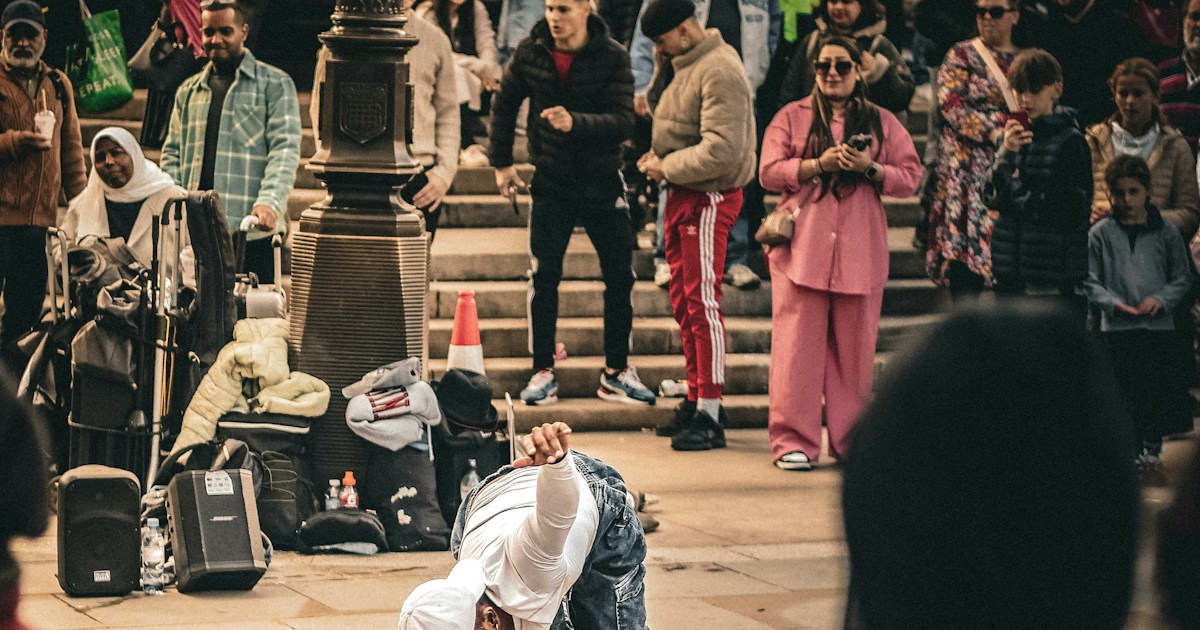
| Myth | A more accurate view |
|---|---|
| Street magicians invented all modern magic tricks. | Street performers helped refine and popularize performance approaches, but magic developed across many settings and periods. |
| Every traveling entertainer was a magician. | Itinerant performers worked in many forms of entertainment; historical labels should not be treated as interchangeable. |
| Street magic is just close-up magic performed outdoors. | Street magic also involves crowd gathering, sightlines, noise, timing, and public-space performance. |
| Similar tricks in different cultures prove direct borrowing. | Similarity alone does not establish who influenced whom; documentary evidence matters. |
| A trick that works on video will work on the street. | Cameras control framing; street performers must manage changing angles and live distractions. |
| Busking means performing wherever you like. | Public venues may require permits and set rules for pitches, props, amplification, and solicitation. |
The most reliable answer to our opening question is therefore both simple and nuanced: street performers and traveling magicians helped magic evolve by making it public, portable, adaptable, and responsive to audiences. They tested presentation in real conditions and carried performance traditions between places. But the history is broader than any one performer or trick—and the street’s greatest contribution may be the lesson every magician still needs: astonishment only works when the audience can see, follow, and feel it.