Support our educational content for free when you purchase through links on our site. Learn more
7 Simple Magic Tricks for Beginners to Learn (2026) 🪄

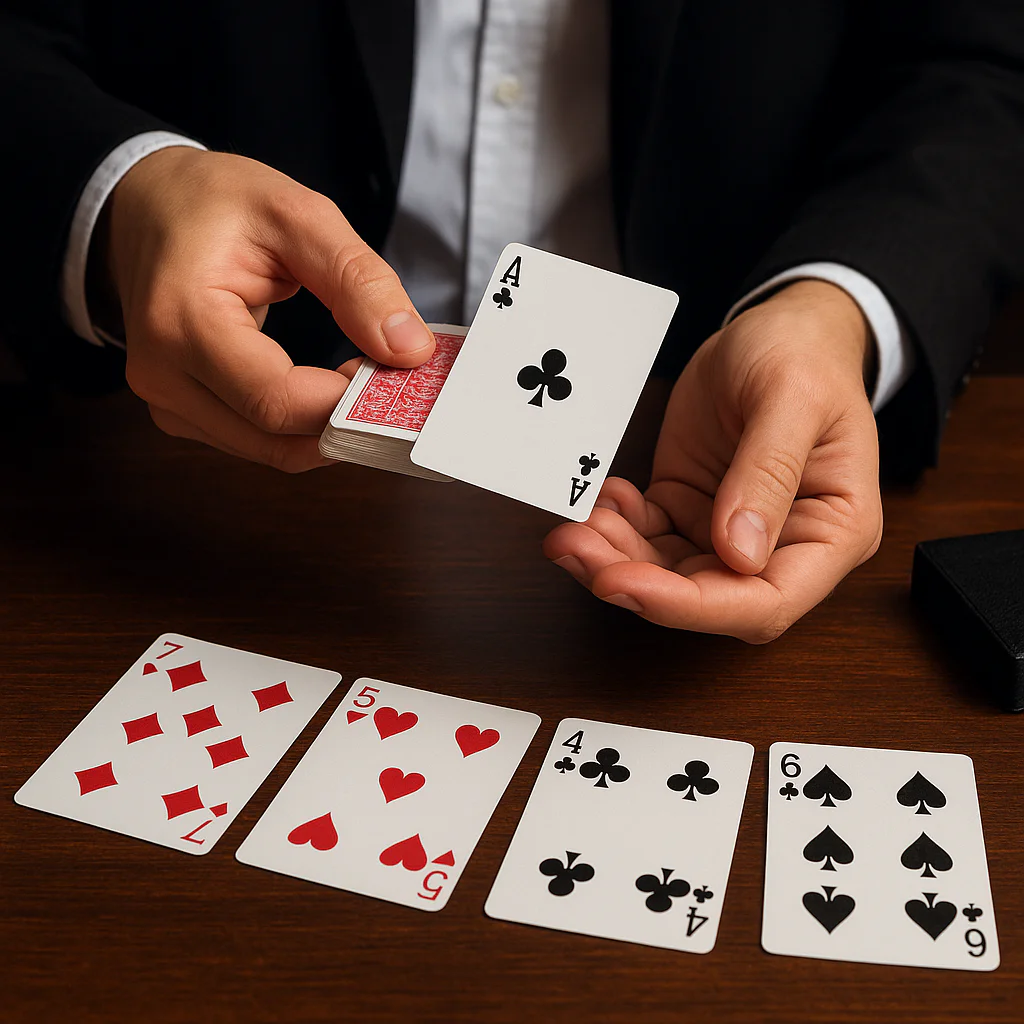

You can master the art of illusion today with just a deck of cards, a spoon, or a paper clip, proving that the best magic requires zero expensive gadgets. If you’ve ever wondered, “What are some simple magic tricks for beginners to learn?”, the answer lies in mastering misdirection and basic mechanics rather than complex sleight of hand.
We once watched a nervous teenager perform a “bending spoon” trick at a family BBQ, and the look of pure shock on his aunt’s face was worth every hour of practice. Did you know that the human brain is wired to miss details when our attention is focused elsewhere, which is exactly why these simple tricks work so well?
Key Takeaways
- Start with self-working tricks that rely on math or physics instead of difficult finger movements.
- Master the art of misdirection; your eyes and words control where the audience looks, not just your hands.
- Practice until the move is muscle memory, allowing you to perform while maintaining eye contact.
- Never repeat a trick for the same audience to preserve the mystery and wonder.
Table of Contents
- ⚡️ Quick Tips and Facts
- 📜 The Secret History of Beginner Magic: From Court Jesters to Your Living Room
- 🧠 Mastering the Mindset: Essential Principles for Aspiring Magicians
- 🃏 1. The Classic “Find the Card” Routine: A Foolproof Introduction to Card Magic
- 🥄 2. Bending Spoons with Your Mind: The Ultimate Mentalism Starter Trick
- 🔗 3. The Linking Paper Clip Illusion: Simple Props, Mind-Blowing Results
- 🎴 4. Levitating a Card: Defying Gravity with Zero Equipment
- 🌈 5. The Color-Changing Card: A Visual Spectacle for New Performers
- 🧊 6. Freeze Water Instantly: The Science-Backed Ice Trick That Stuns Audiences
- 🍾 7. The Cork Trick: Mastering Balance and Misdirection
- 🎭 Beyond the Basics: Advanced Sleight of Hand Techniques for Beginners
- 🛠️ Essential Magic Gear: What You Actually Need to Start Performing
- 🎤 Stage Presence and Performance Tips: How to Sell the Illusion
- 🚫 Common Mistakes New Magicians Make (And How to Avoid Them)
- 🎓 Recommended Links: Where to Learn More
- ❓ FAQ: Your Burning Questions About Simple Magic Tricks Answered
- 📚 Reference Links: Sources and Further Reading
- 🎩 The Final (Magic) Word
⚡️ Quick Tips and Facts
Before we dive into the nitty-gritty of making spons bend and cards float, let’s hit the pause button and drop some magic wisdom straight from our vault at Magic Trick™. You might think magic is all about wands and capes, but the truth is, the best magic happens right in your living room with items you probably have in your junk drawer.
Here are the golden rules every beginner needs to know before attempting their first trick:
| Fact | Why It Matters |
|---|---|
| Practice makes perfect, not “magic” | You can’t just read a secret and do it. Muscle memory is real! 🧠 |
| Misdirection is 90% of the trick | If you look at the secret, the audience will too. Look at the effect. 👀 |
| Never repeat a trick for the same audience | They will figure it out. Keep them guessing! 🤫 |
| Start with “self-working” tricks | These rely on math or physics, not difficult finger gymnastics. 📐 |
| The “Palm” is your best friend | Hiding a coin in your palm is the foundation of close-up magic. 🤲 |
Pro Tip: If you’re wondering, “What is a easy magic trick?” that actually looks impressive, check out our deep dive on What is a easy magic trick? to see how simplicity often wins over complexity.
📜 The Secret History of Beginner Magic: From Court Jesters to Your Living Room
You might be surprised to learn that magic isn’t just a modern party trick; it’s ancient art form that has evolved from religious rituals to street performance. The word “magic” itself comes from the Persian magus, referring to the priestly class of Zoroastrianism. But the magic we do today? That traces back to the court jesters of medieval Europe and the street performers of ancient Egypt.
In the 18th and 19th centuries, the “Golden Age of Magic” saw performers like Jean Eugène Robert-Houdin (often called the father of modern magic) move magic from the streets to the stage. He introduced the concept of the “prestidigitator” (quick fingers), shifting the focus from supernatural claims to skillful deception.
Why does this matter to you? Because understanding that magic is about storytelling and psychology, not just “tricks,” will elevate your performance. As we explore these simple tricks, remember that you are continuing a lineage of entertainers who have been baffling audiences for thousands of years. Want to dive deeper into the origins? We’ve got a whole section on Magic History that you’ll love.
🧠 Mastering the Mindset: Essential Principles for Aspiring Magicians
Before you even touch a deck of cards, you need to wire your brain for magic. Many beginners fail not because their fingers are clumsy, but because their mindset is off.
The Art of Misdirection
Misdirection isn’t about waving your hands wildly; it’s about controlling attention. If you want someone to look at your left hand, you must make your right hand look boring.
- The Eye Contact Rule: Never look at the secret move. Look at the spectator’s eyes. If you look down, they will look down.
- The “Patter” Factor: Your words are just as important as your hands. A well-timed joke or a strange question can distract an audience from a sleight of hand.
The “Second Nature” Rule
As the experts at Walton Magic note, “It takes a lot of time and a lot of effort to get to the place you want… It all begins with a little dream and a ton of practice!” You need to practice a move until you can do it while talking on the phone or watching TV. If you have to think about the move, you’re not ready to perform it.
Confidence is Key
If you look nervous, the audience will suspect a trick. If you look like you’re having fun, they’ll believe anything. Fake it ’til you make it is the magician’s motto. Even if your hands are shaking, smile and act like this is the easiest thing in the world.
🃏 1. The Classic “Find the Card” Routine: A Foolproof Introduction to Card Magic
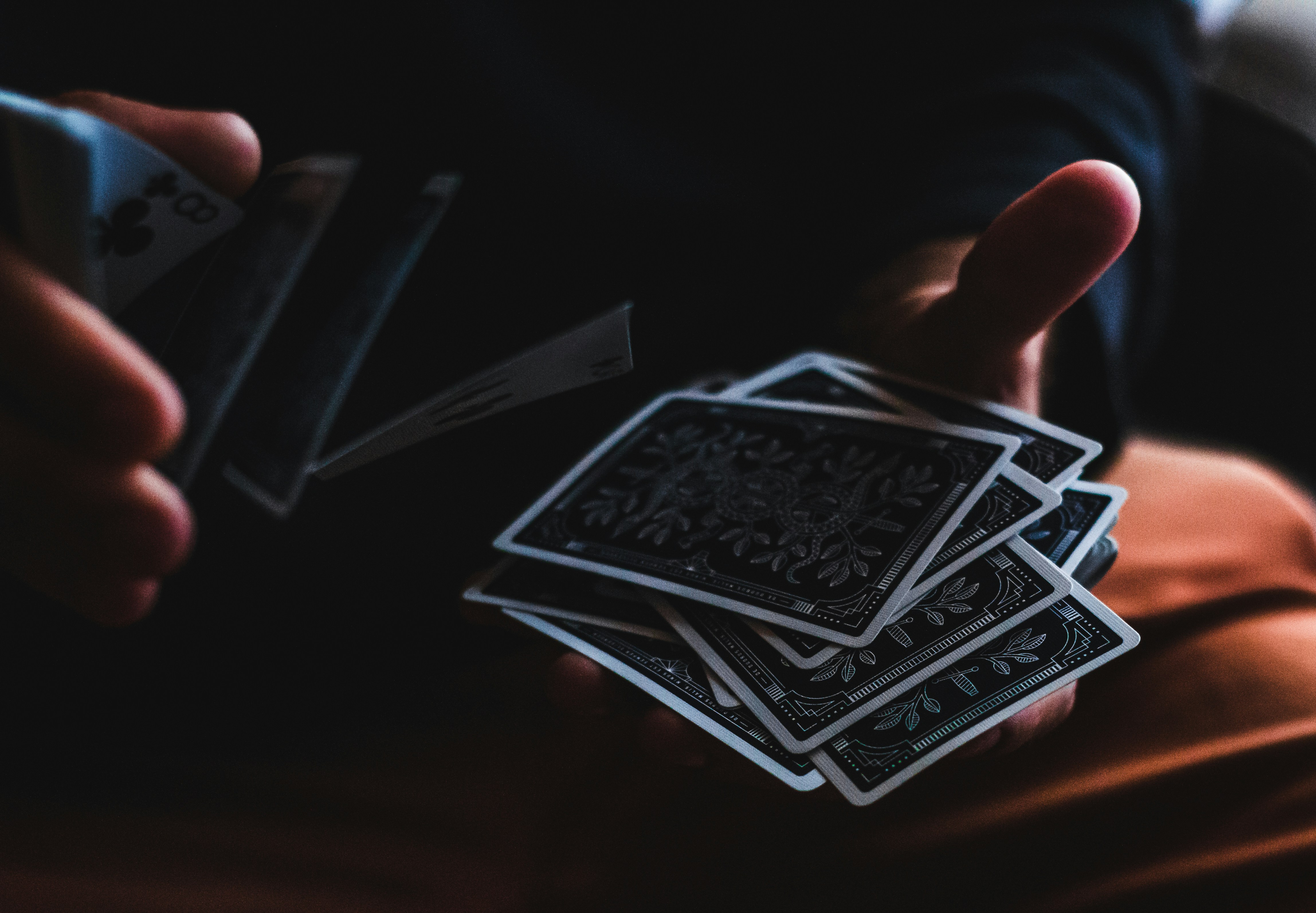
Let’s start with the bread and butter of magic: Card Tricks. Nothing says “magician” like a deck of cards, and the “Find the Card” routine is the perfect entry point. It teaches you about forcing (making someone pick a specific card) and control (keeping that card in a specific spot).
The “Hindu Shuffle Force” Method
This is a classic technique where you make the spectator think they have a free choice, but you actually control which card they pick.
What You Need:
- A standard deck of playing cards (Bicycle brand is the industry standard for a reason).
- A willing spectator.
Step-by-Step Instructions:
- The Setup: Hold the deck in your left hand. You need to know the bottom card of the deck. Let’s say it’s the King of Hearts.
- The Shuffle: Perform a “Hindu Shuffle.” Take small packets of cards from the top of the deck with your right hand and drop them into your left hand. Keep doing this, but stop when you are about to drop the bottom card (the King of Hearts).
- The Force: Ask the spectator to say “Stop” at any time. If they say “Stop” before you drop the King, just keep shuffling. If they say “Stop” right as you are about to drop the King, do it. The King is now the top card of the packet in their hand.
- The Reveal: Ask them to look at their card and remember it. Then, take the deck back, shuffle it (carefully keeping the King on top), and deal cards face down. When you flip the top card, it’s their card!
Why It Works:
The spectator feels they had total control. In reality, you controlled the outcome. This is the essence of psychological magic.
Fun Fact: The Hindu Shuffle is one of the oldest shuffling techniques, dating back to India. It’s not just for magic; it’s a legitimate way to mix cards!
👉 CHECK PRICE on:
- Bicycle Rider Back Playing Cards: Amazon | Walmart | Bicycle Official
🥄 2. Bending Spoons with Your Mind: The Ultimate Mentalism Starter Trick
Ever wanted to be a mentalist? The Bending Spoon trick is the quintessential “impossible” feat that requires zero props other than a spoon and your hands. It’s a favorite for beginners because the method is simple, but the effect is mind-blowing.
The Method: The “Slide and Press”
This trick relies on an optical illusion created by friction and pressure.
What You Need:
- A standard metal spoon (silverware from your kitchen works perfectly).
- A table (optional, but helps for stability).
Step-by-Step Instructions:
- The Grip: Hold the spoon with your dominant hand. Place the bowl of the spoon against the table or your other hand.
- The Pressure: Wrap your fingers around the handle, but keep your thumb on top. Apply downward pressure with your thumb against the handle.
- The Slide: Slowly slide your hand down the handle while maintaining that pressure. The friction and pressure will cause the metal to bend slightly.
- The Reveal: Stop sliding, remove your hand, and show the spoon. It will appear bent!
- The Reset: To make it straight again, simply press the handle against a hard surface or use your fingers to gently bend it back.
Pro Tip: Practice this in front of a mirror. You need to make the movement look like you are using “mental power,” not physical force. The key is to slow down. If you move too fast, the audience will see the bend happen.
Why It Works:
Metal fatigue and friction create a temporary deformation. It’s a physical trick disguised as a mental one.
👉 CHECK PRICE on:
🔗 3. The Linking Paper Clip Illusion: Simple Props, Mind-Blowing Results
This is the trick that will make your friends question reality. Two paper clips, a dollar bill, and snap—they link together in mid-air. It’s the perfect trick to perform at a dinner party or a coffee shop.
The Method: The “Accordion Fold”
This trick relies on the physics of tension and the specific way the bill is folded.
What You Need:
- Two standard paper clips.
- A dollar bill (or any rectangular piece of paper).
Step-by-Step Instructions:
- The Fold: Fold the dollar bill in half lengthwise, then fold it in half again (accordion style) so you have a long, thin strip.
- The Placement:
- Take the first paper clip and attach it to the front of the bill, ensuring it clips through the top layer and the middle layer.
- Take the second paper clip and attach it to the back of the bill, clipping through the top layer and the middle layer on the opposite side.
- The Setup: Hold the bill by the ends. The clips should be on opposite sides of the fold.
- The Reveal: Pull the ends of the bill apart quickly and sharply. The tension will cause the clips to slide up the fold and link together in mid-air!
Why It Works:
When you pull the bill, the layers slide against each other. The specific placement of the clips forces them to slide into each other’s loops. It looks like magic, but it’s just geometry!
Pro Tip: Don’t pull too slowly. A quick, sharp jerk is essential for the effect.
👉 CHECK PRICE on:
🎴 4. Levitating a Card: Defying Gravity with Zero Equipment
Wait, did we say “zero equipment”? Well, almost. This trick uses a hidden thread and a bit of black clothing to create the illusion of a floating card. It’s a classic of close-up magic.
The Method: The “Thread Loop”
This trick requires a bit of setup, but once you have it, you can perform it anywhere.
What You Need:
- A playing card.
- A piece of black thread (about 12 inches long).
- A piece of clear tape.
- A black shirt or dark background.
Step-by-Step Instructions:
- The Setup: Tape one end of the thread to the back of the card. Tie the other end into a small loop.
- The Grip: Place the loop of the thread around your thumb. Hold the card with your other hand.
- The Performance: Hold the card up. Slowly move your hands apart. The thread will pull the card up, making it look like it’s floating.
- The Secret: Keep the thread against your black shirt or dark background so it’s invisible.
Why It Works:
The human eye struggles to see thin black threads against a dark background. By controlling the tension with your thumb, you can make the card move up, down, or even spin.
Pro Tip: Practice in front of a mirror to ensure the thread is invisible from all angles.
👉 CHECK PRICE on:
🌈 5. The Color-Changing Card: A Visual Spectacle for New Performers
Imagine a red-backed card turning into a blue-backed card right in front of your eyes. This is the Color-Changing Card trick, and it’s a visual stunner that requires no sleight of hand, just a clever setup.
The Method: The “Double-Backer”
This trick uses a special card or a simple setup to create the illusion.
What You Need:
- A deck of cards with one “double-backer” (a card with two different colored backs) or a standard deck and a bit of tape.
- A spectator.
Step-by-Step Instructions:
- The Setup: Place the double-backer (or the taped card) at the bottom of the deck.
- The Force: Use the “Hindu Shuffle Force” (from Trick #1) to force the bottom card on the spectator.
- The Reveal: Ask the spectator to look at their card. It has a red back.
- The Change: Place the deck face down. Ask the spectator to flip their card over. Suddenly, it has a blue back!
Why It Works:
The spectator never sees the back of the card until the reveal. By controlling which card they pick, you control the outcome.
Pro Tip: Use a deck with distinct back colors (like red and blue) for maximum impact.
👉 CHECK PRICE on:
🧊 6. Freeze Water Instantly: The Science-Backed Ice Trick That Stuns Audiences
This is the trick that bridges the gap between science and magic. Pouring water into a cup and having it instantly turn into ice is a showstoper.
The Method: The “Sodium Polyacrylate” Reaction
This trick uses a chemical reaction to absorb water and turn it into a gel.
What You Need:
- A non-transparent cup.
- Sodium polyacrylate (found in diapers or craft stores).
- Water.
Step-by-Step Instructions:
- The Setup: Place a tablespoon of sodium polyacrylate in the bottom of the cup.
- The Pour: Pour water into the cup.
- The Reaction: The water will instantly turn into a gel, looking like ice.
- The Reveal: Turn the cup upside down to show the “ice” doesn’t spill.
Why It Works:
Sodium polyacrylate is a superabsorbent polymer. It can absorb hundreds of times its weight in water, turning it into a gel.
Pro Tip: Practice the pour to make it look like you’re just pouring water. The reaction is instant, so timing is key.
👉 CHECK PRICE on:
🍾 7. The Cork Trick: Mastering Balance and Misdirection
The Cork Trick is a classic of close-up magic. Two corks appear to interlock and then pass through each other. It’s a great trick for teaching balance and misdirection.
The Method: The “Loop and Pass”
This trick relies on the way you hold the corks and the angle of your hands.
What You Need:
- Two corks (wine corks work best).
Step-by-Step Instructions:
- The Grip: Place a cork in the crok of each hand.
- The Move: Grab the right-hand cork with your left index finger and thumb.
- The Pass: Turn your hands so the right thumb passes through the loop of your left finger/thumb.
- The Reveal: Separate your hands to show the corks have “passed through” each other.
Why It Works:
The corks never actually link. It’s all about the angle and the speed of your hands.
Pro Tip: Practice in front of a mirror to ensure the corks don’t look like they’re just sliding past each other.
👉 CHECK PRICE on:
🎭 Beyond the Basics: Advanced Sleight of Hand Techniques for Beginners
Once you’ve mastered the basics, you might be wondering, “What’s next?” The world of sleight of hand is vast. Here are a few advanced techniques to explore:
- The Palm: Hiding a coin or card in your palm.
- The False Shuffle: Making it look like you’re shuffling the deck while keeping the order intact.
- The Double Lift: Lifting two cards as one to create a false reveal.
These techniques take time to master, but they are the foundation of professional magic. For more on Close-up Magic, check out our dedicated category.
🛠️ Essential Magic Gear: What You Actually Need to Start Performing
You don’t need a fancy box of tricks to start. Here’s what you really need:
| Item | Why You Need It |
|---|---|
| Standard Deck of Cards | The most versatile prop in magic. |
| Paper Clips | Great for linking tricks. |
| Spoon | Essential for bending tricks. |
| Black Thread | For levitation tricks. |
| Sodium Polyacrylate | For the water-to-ice trick. |
Pro Tip: Invest in a good quality deck of cards. Bicycle cards are the gold standard because they shuffle well and last longer.
👉 CHECK PRICE on:
🎤 Stage Presence and Performance Tips: How to Sell the Illusion
Magic is 50% method and 50% performance. Here’s how to sell your tricks:
- Eye Contact: Look at your audience, not your hands.
- Patter: Have a story or a joke ready.
- Confidence: Act like you’re doing the easiest thing in the world.
- Timing: Don’t rush. Let the magic happen.
Pro Tip: Record yourself performing and watch it back. You’ll spot mistakes you didn’t notice while performing.
🚫 Common Mistakes New Magicians Make (And How to Avoid Them)
Even the best magicians make mistakes. Here are the most common ones:
- Looking at the Secret: If you look at the secret, the audience will too.
- Repeating a Trick: Never perform the same trick twice for the same audience.
- Rushing: Take your time. Let the magic sink in.
- Over-explaining: Don’t explain how the trick works. Let the mystery remain.
Pro Tip: If you mess up, laugh it off. The audience will forgive a mistake if you’re confident and funny.
🎓 Recommended Links: Where to Learn More
Ready to take your magic to the next level? Here are some resources:
- Magic Tricks for Beginners: Our comprehensive guide to close-up magic.
- Card Tricks: Learn the art of card manipulation.
- Coin Tricks: Master the art of coin magic.
- Illusions: Explore the world of large-scale illusions.
👉 CHECK PRICE on:
- Magic Books: Amazon | Barnes & Noble
🎩 The Final (Magic) Word
So, there you have it! From bending spons to freezing water, you now have a toolkit of simple yet powerful magic tricks to wow your friends and family. Remember, magic is about confidence, practice, and storytelling. Don’t be afraid to make mistakes; that’s how you learn.
And now, the question we posed at the beginning: What is a easy magic trick? The answer is simple: any trick you practice until it becomes second nature. So, grab a deck of cards, a spoon, or a paper clip, and start practicing. The world is waiting for your magic!
🎩 Conclusion
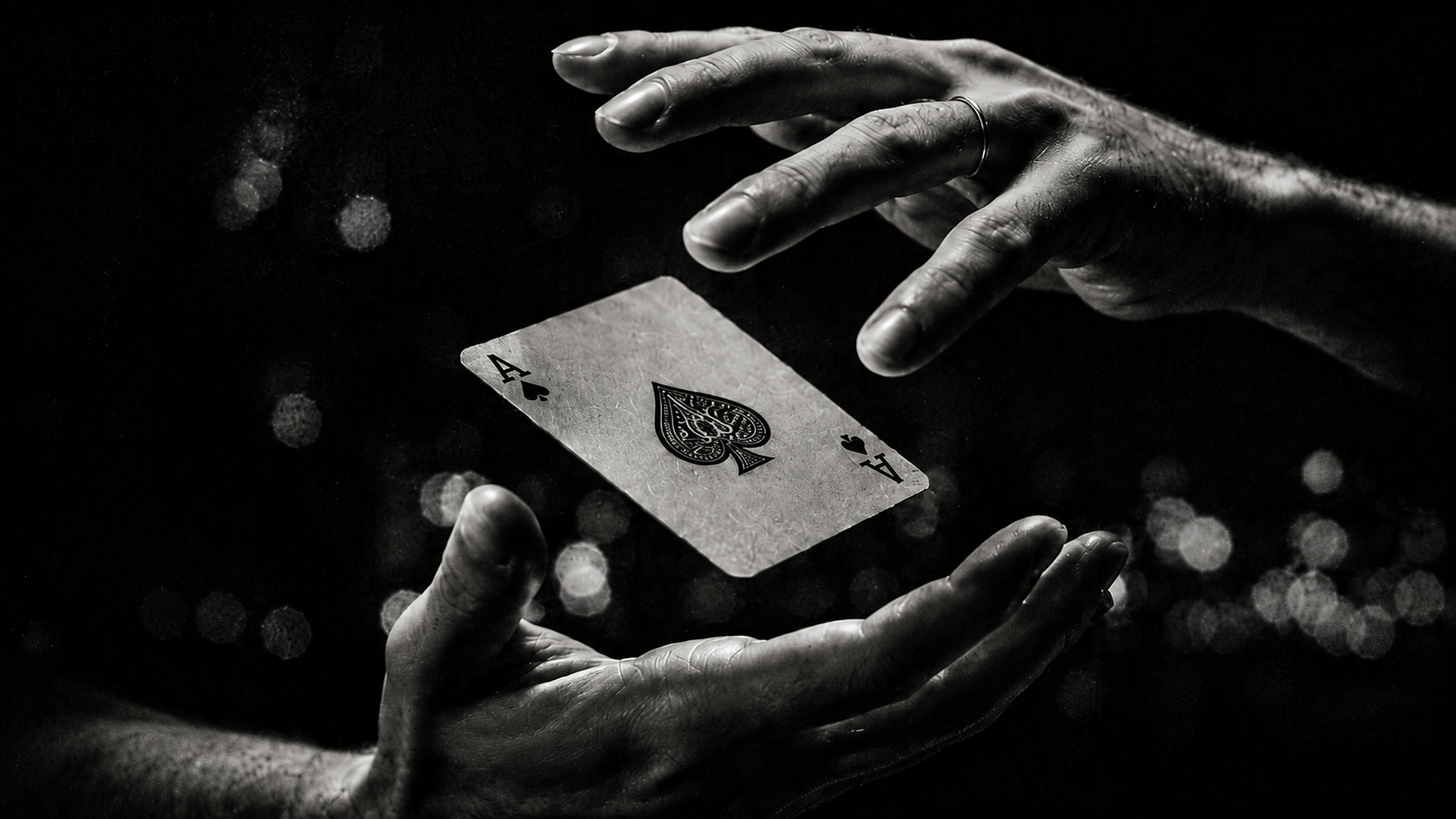
Magic is a journey, not a destination. Whether you’re a beginner or a seasoned performer, there’s always something new to learn. We hope this guide has inspired you to pick up a deck of cards and start your own magical adventure.
Our Top Recommendations:
- For Card Tricks: Start with the “Find the Card” routine.
- For Mentalism: Try the “Bending Spoon” trick.
- For Visuals: Master the “Color-Changing Card.”
Remember, the best magic is the kind that makes people smile and wonder. So, go out there and make some magic!
🎓 Recommended Links
Here are some great resources to continue your magical journey:
- Bicycle Playing Cards: The gold standard for card magic.
- Amazon Magic Trick Kits: Great for beginners.
- Walmart Magic Supplies: Affordable options for all levels.
- Magic Books on Amazon: Learn from the masters.
❓ FAQ: Your Burning Questions About Simple Magic Tricks Answered

What are the easiest magic tricks to learn with everyday objects?
The easiest tricks are those that use items you already have at home. The Linking Paper Clip trick uses just a dollar bill and two paper clips. The Bending Spoon trick uses a spoon and your hands. These tricks are perfect for beginners because they require no special equipment.
Read more about “10 Easy Magic Tricks for Beginners to Wow Anyone (2026) 🎩”
How long does it take to master basic magic tricks?
It depends on the trick and your practice habits. Some tricks, like the Linking Paper Clip, can be mastered in a few hours. Others, like the Bending Spoon, may take a few days of practice to perfect. The key is to practice consistently and focus on the performance as much as the method.
Read more about “🎩 50+ Magic Tricks to Master: From Beginner Vanishes to Pro Illusions (2026)”
Where can I find free tutorials for beginner magic tricks?
There are many free resources online. YouTube is a great place to start, with channels like Magic Trick™ offering step-by-step tutorials. You can also check out our Magic Tricks for Beginners category for more free content.
Read more about “🪙 How to Do Coin Tricks Like Connor: 5 Moves Mastered (2026)”
What are some good magic tricks to perform for kids?
Kids love visual tricks! The Freeze Water Instantly trick is a hit with children. The Levitating Card trick is also a great choice. For more ideas, check out Easy Magic Tricks for Kids: Simple and Engaging.
Read more about “🎩 15 Best Interactive Online Magic Shows for 2026”
Why do magicians never repeat a trick?
Repeating a trick gives the audience a chance to figure out the secret. By keeping the mystery alive, you maintain the magic. If you must repeat a trick, change the method or the presentation to keep it fresh.
Read more about “🪄 How to Create Your Own Original Magic Tricks: The Ultimate 2026 Guide”
📚 Reference Links