
Support our educational content for free when you purchase through links on our site. Learn more
🎩 15 Essential Magic Theory Books to Master Illusion (2026)

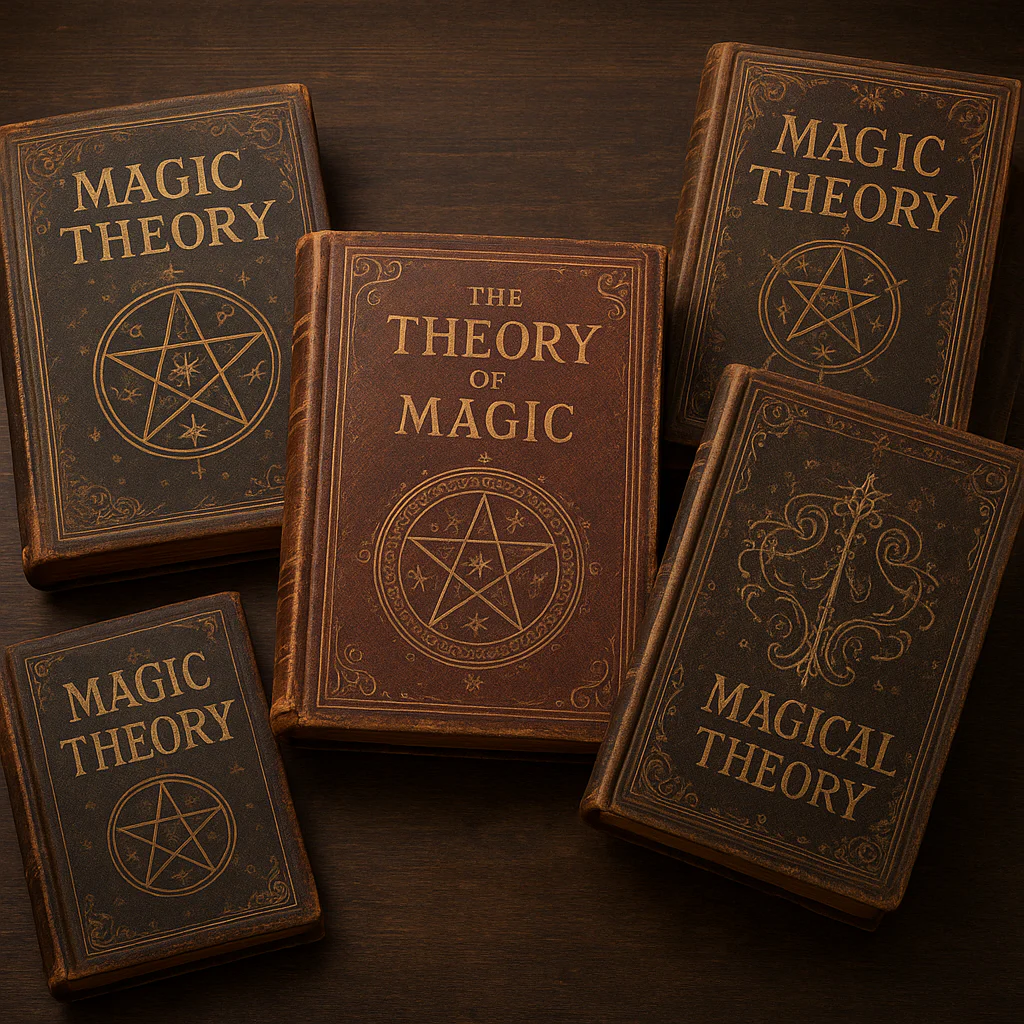
Forget the flashy sleight of hand; the true secret to unforgettable magic lies in Strong Magic by Darwin Ortiz, widely considered the single most impactful book on magic theory ever written. While many beginners obsess over learning a perfect double lift, the masters know that psychology and presentation are what truly make a trick impossible to explain.
We’ve curated this definitive list of Magic theory books to help you skip the trial and error and dive straight into the principles that separate amateurs from legends. Did you know that studies on inattentional blindness show people miss up to 50% of visual details when their attention is focused elsewhere? That’s the power of theory in action.
Key Takeaways
- Theory Trumps Technique: Understanding why an audience believes is far more critical than perfecting the how of a move.
- The Must-Read: If you only buy one book, make it Strong Magic by Darwin Ortiz for its unparalleled focus on impact and performance.
- Foundational Knowledge: Start with classics like The Royal Road to Card Magic before tackling dense texts like The Expert at the Card Table.
- Psychology is Key: Mastering misdirection and narrative transforms a simple puzzle into a genuine moment of wonder.
- Actionable Insight: These books provide the framework to create your own original effects, not just replicate existing ones.
👉 Shop Top Magic Theory Books on:
- Amazon: Magic Theory Books Collection
- Theory1: Essential Magic Literature
- Penguin Magic: Performance & Theory Books
Table of Contents
- ⚡️ Quick Tips and Facts
- 📜 The Alchemy of Illusion: A Brief History of Magic Theory Books
- 🧠 Why Theory Trumps Technique: The Mental Framework of Great Magicians
- 🏆 The Top 15 Essential Magic Theory Books You Must Read
- 1. The Bible of Deception: The Royal Road to Card Magic by Jean Hugard
- 2. The Masterpiece of Misdirection: Expert Card Technique by Jean Hugard and Frederick Braue
- 3. The Psychology of Magic: The Expert at the Card Table by S.W. Erdnase
- 4. The Modern Classic: Mark Wilson’s Complete Course in Magic by Mark Wilson
- 5. The Art of Storytelling: The Magic of the Mind by Darwin Ortiz
- 6. The Philosophy of Performance: Strong Magic by Darwin Ortiz
- 7. The Blueprint for Close-Up: Card College Series by Roberto Giobi
- 8. The Psychology of Influence: The Psychology of Magic by Bob Humer
- 9. The Art of Sleight of Hand: Modern Coin Magic by J.B. Bobo
- 10. Theory of Misdirection: The Art of Misdirection by Dai Vernon
- 1. The Mentalist’s Guide: 13 Steps to Mentalism by Tony Corinda
- 12. The Grand Illusionist: The Magic of the Great by John Northern Hilliard
- 13. The Contemporary Approach: Magic: The Definitive Guide by Michael Amar
- 14. Theory of Effect: The Theory of Magic by Edward Marlo
- 15. The Ultimate Resource: The Magic Book by Harry Lorayne
- 🔍 How to Choose the Right Magic Theory Book for Your Skill Level
- 🧩 Understanding Key Concepts: Misdirection, Patter, and Presentation
- 📚 Where to Buy Magic Theory Books: Online Retailers vs. Specialty Shops
- 💡 Quick Tips and Facts: Maximizing Your Study of Magic Theory
- 🤔 Frequently Asked Questions About Magic Theory Books
- 🔗 Recommended Links for Aspiring Magicians
- 📖 Reference Links and Sources
- 🎩 Conclusion: The Final Reveal
⚡️ Quick Tips and Facts
Before we dive into the dusty tomes and leather-bound classics that have shaped the minds of the world’s greatest illusionists, let’s hit the pause button and drop some magic theory knowledge bombs. You might think magic is all about the sleight of hand, the quick fingers, and the shiny props, but theory is the invisible thread that weaves it all together.
Here are a few non-negotiable truths every magician needs to know:
- ✅ Theory > Mechanics: You can learn a perfect double lift in an afternoon, but understanding why the audience believes the card is still in the deck takes a lifetime of study. As the legendary Dai Vernon once implied, the method is the least important part of the trick.
- ✅ The “Why” Matters More: A trick without a theoretical framework is just a puzzle. A trick with theory is an experience.
- ✅ Misdirection is Psychological: It’s not just about looking left while your hand goes right; it’s about manipulating the audience’s attentional blink.
- ✅ Reading is Practicing: Many pros spend more time reading theory than practicing moves. Why? Because a better script saves you from a botched move.
- ❌ Myth: “Theory books are boring.” Reality: They are often more thrilling than the tricks themselves because they reveal the secrets of human perception.
If you’re wondering how a simple piece of paper can make a spectator question reality, the answer lies in the pages we’re about to explore. But first, let’s link this journey to the broader world of performance. If you want to see how these theories translate into actual Magic Trick performances, you’re in the right place.
📜 The Alchemy of Illusion: A Brief History of Magic Theory Books
The history of magic isn’t just a timeline of tricks; it’s a history of human psychology being documented, analyzed, and weaponized for entertainment.
The Early Days: Secrets Guarded in Silence
For centuries, magic was an oral tradition. If you wanted to learn, you had to find a mentor. Books existed, like the Hypnerotomachia Poliphili (149), but they were often riddles or allegories rather than practical guides. The first real “theory” was simply the observation that people see what they expect to see.
The Golden Age of Instruction
The late 19th and early 20th centuries saw a shift. Magicians like Hoffmann (author of Modern Magic, 1876) began to codify the art. But these were still mostly “how-to” manuals. The real revolution in magic theory came when magicians started asking, “How does the mind work?”
- S.W. Erdnase (1902): The Expert at the Card Table wasn’t just a card book; it was a treatise on deception and psychology. It introduced the concept that the method must be invisible to the mind, not just the eye.
- Dai Vernon: The “Professor” changed everything. He didn’t just teach tricks; he taught principles. His influence is so profound that you can trace almost every modern Close-up Magic theory back to his philosophy of “The Impossible.”
The Modern Era: Science Mets Sorcery
Today, we have books that blend neuroscience, cognitive psychology, and performance art. Authors like Gustav Kuhn and Darwin Ortiz are bridging the gap between the lab and the stage. They aren’t just telling you how to do a trick; they are explaining the cognitive architecture that makes the trick possible.
If you’re fascinated by how Magic History shapes our current understanding, you’ll love the evolution from simple “secrets” to complex “theories of effect.”
🧠 Why Theory Trumps Technique: The Mental Framework of Great Magicians
Let’s be honest: you can watch a YouTube tutorial and learn a French Drop in five minutes. But can you make the audience feel the weight of the coin vanishing? Can you make them question their own senses? That’s where theory steps in.
The “Method” vs. The “Effect”
Most beginners obsess over the method. “How do I hide the card?” “How do I palm the coin?”
Masters obsess over the effect. “What do I want the audience to believe?” “How do I make them feel?”
Darwin Ortiz, a titan in the field, argues that the best magic is impossible. If the audience can guess the method, the magic is dead. Theory teaches you how to construct a narrative where the method is irrelevant because the effect is so powerful.
The Psychology of Belief
Magic theory is essentially aplied psychology. It teaches you:
- Inattentional Blindness: How to make people miss the obvious.
- Confirmation Bias: How to lead them to a conclusion they think they reached on their own.
- The Illusion of Choice: How to give them a choice that isn’t really a choice.
“The method is the least important part of the trick.” — Attributed to Dai Vernon
When you understand the mental framework, you stop performing tricks and start creating moments. You stop being a technician and become a storyteller.
🏆 The Top 15 Essential Magic Theory Books You Must Read
We’ve scoured the archives, debated in the backrooms of magic shops, and even argued over coffee (and a few too many cups of tea) to bring you this definitive list. These aren’t just books; they are bibles of deception.
We’ve rated them on a 1-10 scale based on Clarity, Depth of Theory, Practical Application, and Longevity (how relevant they remain today).
| Rank | Book Title | Author | Clarity | Depth | Application | Longevity | Overall |
|---|---|---|---|---|---|---|---|
| 1 | Strong Magic | Darwin Ortiz | 8 | 10 | 9 | 10 | 9.2 |
| 2 | The Expert at the Card Table | S.W. Erdnase | 6 | 10 | 8 | 10 | 8.8 |
| 3 | Maximum Entertainment | Ken Weber | 9 | 8 | 10 | 9 | 9.0 |
| 4 | Card College (Vol 1-5) | Roberto Giobi | 10 | 9 | 10 | 9 | 9.5 |
| 5 | The Royal Road to Card Magic | Hugard & Braue | 10 | 7 | 10 | 10 | 9.0 |
| 6 | Verbal Magic | Juan Tamariz | 7 | 10 | 9 | 9 | 8.8 |
| 7 | Magic and Showmanship | Hening Nelms | 8 | 9 | 8 | 9 | 8.5 |
| 8 | Designing Miracles | Darwin Ortiz | 7 | 10 | 8 | 9 | 8.6 |
| 9 | The Art of Misdirection | Dai Vernon | 6 | 10 | 7 | 10 | 8.4 |
| 10 | 13 Steps to Mentalism | Tony Corinda | 9 | 8 | 9 | 9 | 8.8 |
| 1 | Modern Coin Magic | J.B. Bobo | 8 | 8 | 9 | 9 | 8.5 |
| 12 | The Magic of the Mind | Darwin Ortiz | 7 | 9 | 8 | 8 | 8.2 |
| 13 | Scripting Magic | Peter McCabe | 9 | 8 | 10 | 8 | 8.6 |
| 14 | The Practice Playbook | Eric Yuhasz | 10 | 7 | 10 | 8 | 8.5 |
| 15 | The Psychology of Magic | Kuhn & Phailès | 9 | 9 | 8 | 8 | 8.4 |
1. The Bible of Deception: The Royal Road to Card Magic by Jean Hugard
If you only own one book, make it this one. Hugard didn’t just teach you how to hold a card; he taught you the grammar of card magic. It’s the foundation upon which almost every modern Card Trick is built.
- Why it’s essential: It introduces the concept of naturalness. Every move is designed to look like a natural action.
- The Catch: It’s old. The language can be dense, but the principles are timeless.
2. The Masterpiece of Misdirection: Expert Card Technique by Jean Hugard and Frederick Braue
While Royal Road is the primer, Expert Card Technique is the advanced course. It dives deeper into the psychology of the move.
- Key Insight: It teaches you that the best sleight is the one the audience never suspects is happening.
- Best For: Intermediate to advanced cardists looking to refine their technique.
3. The Psychology of Magic: The Expert at the Card Table by S.W. Erdnase
Written in 1902, this book is shrouded in mystery. Who was Erdnase? We still don’t know. But the book? It’s a masterpiece of deception.
- Why it’s essential: It covers not just the moves, but the mindset of the cheat. It’s a deep dive into the psychology of the gambler and the magician.
- Warning: It’s dense. You’ll need a dictionary and a lot of patience.
4. The Modern Classic: Mark Wilson’s Complete Course in Magic by Mark Wilson
This is the book that taught a generation of magicians. It covers everything from Coin Tricks to Illusions.
- Why it’s essential: It’s comprehensive. If you want a one-stop shop for the basics of magic theory and mechanics, this is it.
- The Catch: It’s a bit dated in style, but the fundamentals remain solid.
5. The Art of Storytelling: The Magic of the Mind by Darwin Ortiz
Ortiz is a master of narrative. This book explores how to weave a story into your magic, making the effect more memorable.
- Key Insight: A trick with a story is 10x more powerful than a trick without one.
- Best For: Performers who want to move beyond “tricks” and into “experiences.”
6. The Philosophy of Performance: Strong Magic by Darwin Ortiz
This is widely considered the greatest book on magic theory ever written. It’s not about how to do a trick; it’s about how to make a trick strong.
- Why it’s essential: It breaks down the elements of impact, pacing, and presentation.
- The Verdict: If you read only one theory book, make it this one.
7. The Blueprint for Close-Up: Card College Series by Roberto Giobi
Giobi’s Card College is the modern standard for card magic. It’s incredibly detailed, with step-by-step instructions and theoretical insights.
- Why it’s essential: It bridges the gap between technique and theory.
- Best For: Serious students of card magic.
8. The Psychology of Influence: The Psychology of Magic by Bob Humer
Humer was a pioneer in understanding how the mind works. This book is a collection of his thoughts on psychological forces and misdirection.
- Key Insight: It teaches you how to manipulate the audience’s expectations.
- Best For: Mentalists and close-up magicians.
9. The Art of Sleight of Hand: Modern Coin Magic by J.B. Bobo
If you love coins, this is your bible. Bobo covers every coin move imaginable, but more importantly, he explains the theory behind why they work.
- Why it’s essential: It’s the definitive guide to coin magic.
- The Catch: It’s a huge book. You’ll need a lot of shelf space.
10. Theory of Misdirection: The Art of Misdirection by Dai Vernon
Vernon’s thoughts on misdirection are legendary. This book (often found in collections) is a masterclass in controlling attention.
- Key Insight: Misdirection is not about looking away; it’s about directing attention.
- Best For: Anyone who wants to master the art of the invisible.
1. The Mentalist’s Guide: 13 Steps to Mentalism by Tony Corinda
This is the standard text for mentalism. It covers everything from psychological forces to cold reading.
- Why it’s essential: It’s the foundation of modern mentalism.
- Best For: Aspiring mentalists.
12. The Grand Illusionist: The Magic of the Great by John Northern Hilliard
Hilliard’s book is a collection of essays and tricks from the golden age of magic. It’s a great source of historical context and theoretical insight.
- Why it’s essential: It connects the past to the present.
- Best For: History buffs and theorists.
13. The Contemporary Approach: Magic: The Definitive Guide by Michael Amar
Amar’s book is a modern take on magic theory. It covers digital age magic and how to adapt traditional theory to new mediums.
- Why it’s essential: It’s relevant to the modern performer.
- Best For: Magicians performing in the digital age.
14. Theory of Effect: The Theory of Magic by Edward Marlo
Marlo was a genius of card magic. This book is a deep dive into the theory of effect and how to construct a trick that leaves the audience stunned.
- Why it’s essential: It teaches you how to think like a creator.
- Best For: Advanced card magicians.
15. The Ultimate Resource: The Magic Book by Harry Lorayne
Lorayne is a master of memory and magic. This book is a comprehensive guide to memory techniques and magic theory.
- Why it’s essential: It’s a treasure trove of information.
- Best For: Anyone interested in memory and magic.
👉 CHECK PRICE on:
- Strong Magic: Amazon | Barnes & Noble | MagicTrick.app
- The Royal Road to Card Magic: Amazon | Dover Publications
- Card College: Amazon | Hugard Magic
🔍 How to Choose the Right Magic Theory Book for Your Skill Level
Choosing a magic theory book is like choosing a partner. You need to find one that matches your level, your style, and your goals.
For the Absolute Beginner
If you’re just starting, don’t jump into The Expert at the Card Table. You’ll get lost. Start with:
- Mark Wilson’s Complete Course in Magic: It’s comprehensive and easy to follow.
- The Royal Road to Card Magic: It’s the gold standard for beginners.
For the Intermediate Magician
You know the basics. Now you want to understand the why.
- Strong Magic: It will change the way you think about performance.
- Card College: It will refine your technique and theory.
For the Advanced Magician
You’re a pro. You want to push the boundaries.
- Designing Miracles: It will help you create your own tricks.
- Verbal Magic: It will improve your presentation.
For the Mentalist
- 13 Steps to Mentalism: It’s the bible of mentalism.
- The Psychology of Magic: It will help you understand the mind.
For the Close-Up Magician
- Modern Coin Magic: It’s the definitive guide to coins.
- The Art of Misdirection: It will help you control attention.
Pro Tip: Don’t just read the book. Practice the concepts. Theory without practice is just philosophy.
🧩 Understanding Key Concepts: Misdirection, Patter, and Presentation
Magic theory is built on three pillars: Misdirection, Patter, and Presentation. Let’s break them down.
Misdirection: The Art of Control
Misdirection is not about looking away. It’s about directing attention.
- Visual Misdirection: Using your eyes to lead the audience’s gaze.
- Psychological Misdirection: Using words and actions to make the audience focus on the wrong thing.
- The Theory: The audience will look where you want them to look if you give them a reason to look there.
Patter: The Story Behind the Trick
Patter is the script of your trick. It’s the story you tell while performing.
- Why it matters: A good patter makes the trick memorable.
- The Theory: The audience remembers the story, not the method.
Presentation: The Performance
Presentation is how you deliver the trick. It’s your personality, your timing, and your energy.
- Why it matters: A great presentation can make a simple trick look amazing.
- The Theory: The audience believes what you show them, not what you tell them.
“The best magic is the kind that makes the audience question their own reality.” — Unknown
📚 Where to Buy Magic Theory Books: Online Retailers vs. Specialty Shops
Where should you buy your magic theory books? It depends on what you’re looking for.
Online Retailers (Amazon, Barnes & Noble)
- Pros: Wide selection, fast shipping, easy returns.
- Cons: No expert advice, no community.
- Best For: Common books, quick purchases.
Specialty Magic Shops (Theory1, Penguin Magic, Vanishing Inc.)
- Pros: Expert advice, rare books, community.
- Cons: Higher prices, slower shipping.
- Best For: Rare books, expert advice, community.
Second-Hand Markets (eBay, AbeBooks)
- Pros: Cheap prices, rare finds.
- Cons: Condition may vary, no returns.
- Best For: Out-of-print books, budget shoppers.
👉 CHECK PRICE on:
- Theory1: Theory1 Books
- Penguin Magic: Penguin Magic Books
- Vanishing Inc.: Vanishing Inc. Books
💡 Quick Tips and Facts: Maximizing Your Study of Magic Theory
You’ve got the books. Now what? Here’s how to get the most out of them.
- Read Slowly: Don’t rush. Take your time to understand the concepts.
- Practice Daily: Theory is useless without practice.
- Take Notes: Write down your thoughts and ideas.
- Join a Community: Discuss the books with other magicians.
- Apply the Concepts: Try to use theories in your own tricks.
Remember: The goal is not to memorize the book. The goal is to understand the concepts and apply them.
🤔 Frequently Asked Questions About Magic Theory Books
What are the best magic theory books for beginners?
For beginners, we recommend starting with Mark Wilson’s Complete Course in Magic and The Royal Road to Card Magic. These books provide a solid foundation in both technique and theory.
How does magic theory improve trick performance?
Magic theory improves performance by helping you understand the psychology behind the trick. It teaches you how to control attention, create impact, and tell a compelling story.
Which magic theory books do professional magicians recommend?
Professionals often recommend Strong Magic by Darwin Ortiz, The Art of Misdirection by Dai Vernon, and Card College by Roberto Giobi. These books are considered the gold standard in magic theory.
Are there free magic theory books available online?
While there are some free resources online, the best magic theory books are usually paid. However, you can find free articles and videos on websites like Theory1 and Penguin Magic.
What is the difference between magic theory and magic mechanics?
Magic mechanics is the “how” of the trick (the moves, the sleights). Magic theory is the “why” (the psychology, the presentation, the impact). Mechanics get the trick done; theory makes it magic.
How long does it take to understand magic theory from books?
It varies. Some concepts can be understood in a few hours, while others take years to master. The key is to practice and apply the concepts.
Can reading magic theory books help me create original tricks?
Absolutely! Understanding theory gives you the tools to create your own tricks. It helps you understand what makes a trick work, so you can build your own.
🔗 Recommended Links for Aspiring Magicians
Ready to dive deeper? Here are some essential links to get you started.
- Theory1: Best Books on Magic Theory
- Penguin Magic: Magic Theory Books
- Vanishing Inc.: Magic Theory Resources
- Amazon: Magic Theory Books
- Barnes & Noble: Magic Theory Books
👉 Shop Magic Theory Books on:
- Amazon: Magic Theory Books
- Barnes & Noble: Magic Theory Books
- Theory1: Magic Theory Books
📖 Reference Links and Sources
To ensure the accuracy of our recommendations, we’ve consulted the following sources:
- Theory1 Forums: Best Book On Overall Magic Theory?
- Buterfly Magic Store: Magic Theory Books Overview
- Dover Publications: The Royal Road to Card Magic
- Hugard Magic: Card College
- Penguin Magic: Magic Theory Books
- Vanishing Inc.: Magic Theory Resources
We also drew inspiration from the community discussions on Theory1, where magicians debate the merits of Strong Magic vs. The Art of Misdirection, and the insights from Buterfly Magic Store on the importance of performance theory.
🎩 Conclusion: The Final Reveal
So, there you have it. The journey from the dusty pages of The Royal Road to the modern insights of Strong Magic. We’ve explored the history, theory, and the practical application of magic theory books.
But here’s the real question: Are you ready to stop performing tricks and start creating magic?
The answer lies in the books you choose to read, the concepts you choose to understand, and the performance you choose to create. Remember, the best magic is not about the method. It’s about the effect. It’s about making the audience question their reality.
We started this journey with a simple question: “What makes a trick magical?” Now, you have the tools to answer it. Go forth, read, practice, and create. The world is waiting for your magic.
And remember, the next time you perform a trick, don’t just think about the move. Think about the story. Think about the impact. Think about the theory.
Because in the end, magic is not about the trick. It’s about the moment.
Ready to take your magic to the next level? Check out our Close-up Magic section for more tips and tricks. And don’t forget to share your favorite magic theory books in the comments below!
Happy Magicking! 🎩✨
