Support our educational content for free when you purchase through links on our site. Learn more
🃏 The 50 Greatest Magic Tricks That Will Blow Your Mind (2025)


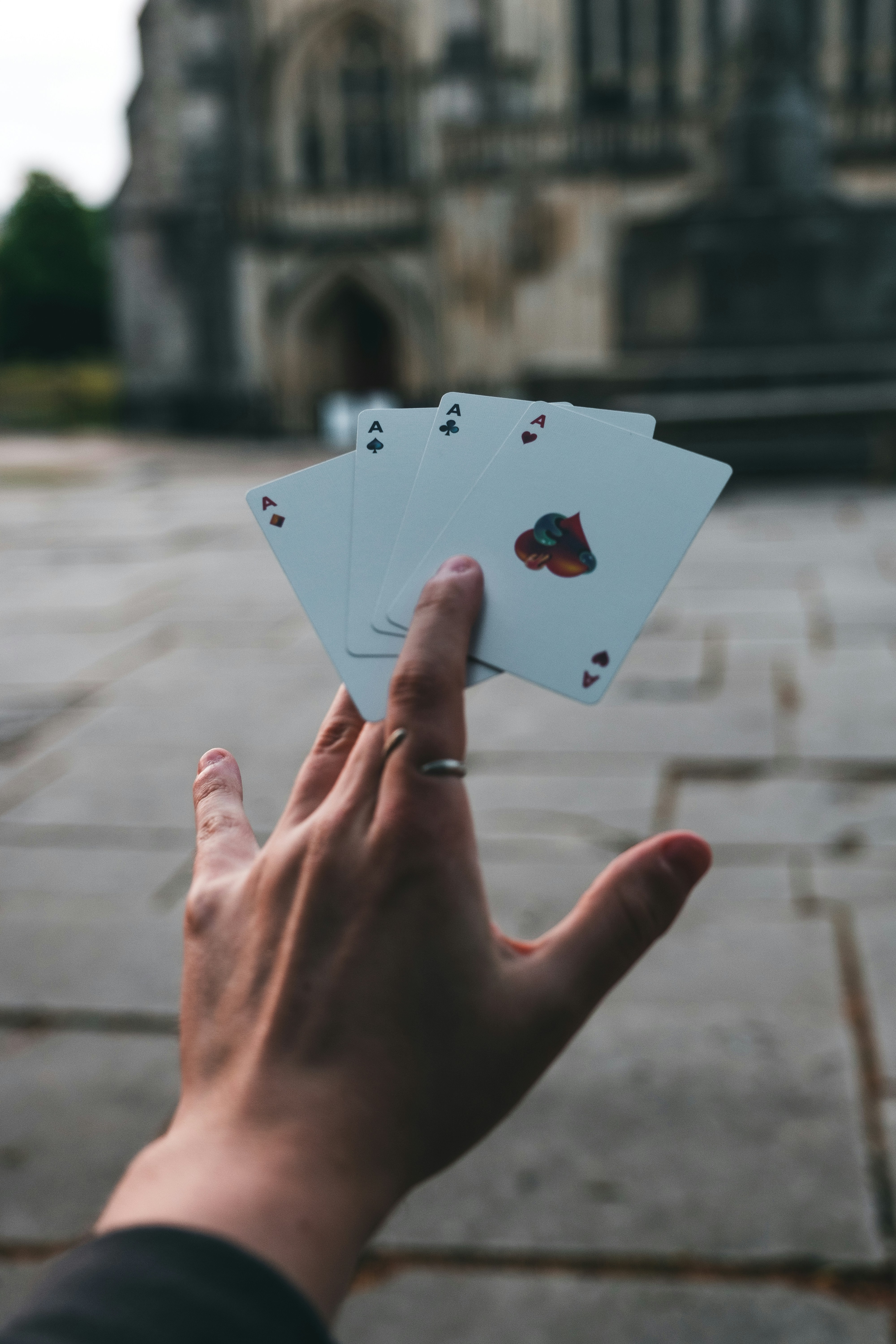
Prepare to be amazed! Whether you’re a seasoned magician, an aspiring illusionist, or simply a fan of jaw-dropping feats, our expertly curated list of the 50 greatest magic tricks is your ultimate backstage pass to the world of wonder. From ancient classics like the Cups and Balls to modern marvels like David Copperfield’s Death Saw, we’ve gathered the most iconic, mind-bending illusions that have captivated audiences for centuries.
Did you know that some of these tricks have roots stretching back over 4,000 years? Or that the secret to their magic often lies not in complicated gadgets, but in the subtle art of misdirection and psychology? Stick around, because later in this article, we’ll reveal the psychological secrets behind these illusions, share tips from professional magicians, and guide you to the best magic props to kickstart your own magical journey.
Key Takeaways
- The 50 greatest magic tricks blend history, psychology, and showmanship to create unforgettable illusions.
- Classic tricks like the Cups and Balls and Linking Rings remain foundational for magicians worldwide.
- Modern illusions by legends like David Copperfield, Penn & Teller, and David Blaine push the boundaries of possibility.
- Understanding misdirection, sleight of hand, and psychological suggestion is key to mastering magic.
- We provide expert tips, must-watch performances, and links to trusted magic props and kits to help you get started.
👉 Shop iconic magic props and kits:
- Marvin’s Magic Kits on Amazon | Marvin’s Magic Official Website
- David Copperfield Magic Gear on Amazon | David Copperfield Official
- Penn & Teller Magic Sets on Amazon | Penn & Teller Official
Table of Contents
- ⚡️ Quick Tips and Facts About the 50 Greatest Magic Tricks
- 🎩 The Enchanting History and Evolution of Magic Tricks
- ✨ The 50 Greatest Magic Tricks: A Spellbinding Countdown
- 1. The Floating Ball Illusion
- 2. The Linking Rings Mystery
- 3. The Sawing a Woman in Half Classic
- 4. The Vanishing Elephant Spectacle
- 5. The Card Warp Mind-Bender
- 6. The Metamorphosis Escape
- 7. The Cups and Balls Ancient Trick
- 8. The Zig Zag Girl Illusion
- 9. The Torn and Restored Newspaper
- 10. The Bullet Catch Daredevil Act
- …and 40 more mesmerizing illusions
- 🔍 Behind the Curtain: How These Magic Tricks Work
- 🎭 The Psychology of Magic: Why These Tricks Amaze Us
- 🧙♂️ Legendary Magicians Who Made These Tricks Famous
- 💡 Tips for Aspiring Magicians: Mastering the Classics
- 🎥 Must-Watch Performances and Tutorials
- 🛠️ Essential Magic Props and Where to Get Them
- 🌟 The Cultural Impact and Legacy of Iconic Magic Tricks
- 🤔 Common Questions About Magic Tricks Answered
- 📚 Recommended Links for Magic Enthusiasts
- 🔗 Reference Links and Further Reading
- 🎉 Conclusion: Your Journey Into the World of Magic
Abracadabra, folks! Welcome to the Magic Trick™ vault, where we spill the beans… well, not all of them, but just enough to get you hooked on the art of astonishment. You’re about to embark on a journey through the most mind-bending, reality-defying, and downright spectacular illusions ever conceived. Ready to have your mind blown? Let’s pull back the curtain!
⚡️ Quick Tips and Facts About the 50 Greatest Magic Tricks
Before we dive into our grand countdown, let’s set the stage with some tantalizing tidbits. Magic is more than just “hocus pocus”; it’s a rich tapestry of history, psychology, and masterful skill. Did you know that some of the most classic magic tricks are thousands of years old? That’s right, the art of illusion has been captivating audiences since the time of the Pharaohs! If you’re curious about the most foundational illusions, you should definitely check out our deep dive into What Is the Most Classic Magic Trick? 🎩 Top 5 Timeless Illusions (2025).
Here’s a quick-glance table to get your magical synapses firing:
| Fact Category | Astonishing Detail |
|---|---|
| Oldest Trick | The Cups and Balls trick dates back to Ancient Egypt, with depictions found in tombs from around 2500 BCE. |
| Psychological Core | Misdirection is the cornerstone of magic. It’s not about the speed of the hand, but about guiding your attention where the magician wants it to go. |
| The “Father of Modern Magic” | Jean-Eugène Robert-Houdin, a French watchmaker, transformed magic in the mid-1800s from street fairs to elegant theater performances. |
| Most Famous Magician | To this day, Harry Houdini remains a household name, renowned for his death-defying escape acts. |
| The TV Effect | Television brought magic to the masses, but also created challenges. Modern TV magicians adhere to a code of not using camera tricks for their illusions. |
🎩 The Enchanting History and Evolution of Magic Tricks
The story of magic is as captivating as any trick. It’s a tale that begins in the ancient world, where performers like Dedi were said to entertain pharaohs with illusions like reattaching the heads of decapitated birds. For centuries, magic was performed on the streets and at fairs, often viewed with suspicion and linked to witchcraft or the occult. Magicians were sometimes persecuted, seen as sorcerers rather than entertainers.
Everything changed in 1584 when Reginald Scot published The Discoverie of Witchcraft. In an attempt to prove that “witches” weren’t real, he revealed the secrets behind many common tricks. While this helped separate magic from the supernatural, it also gave magicians a new, less flattering reputation as mere charlatans.
The “Golden Age of Magic” truly began in the 19th century. A French magician named Jean-Eugène Robert-Houdin took magic from the streets and put it on the grand stage, performing in theaters for wealthy patrons. He is widely considered the father of the modern style of conjuring. His work inspired a new generation of performers, including the legendary Harry Houdini (born Erik Weisz), who took his stage name in honor of Robert-Houdin. Houdini became a global superstar with his incredible escapes from handcuffs, straitjackets, and the famous Chinese Water Torture Cell.
The 20th and 21st centuries saw magic evolve further with the advent of television. Magicians like Paul Daniels, David Copperfield, and later David Blaine and Derren Brown became international celebrities, bringing grand illusions and intimate Close-up Magic into our living rooms. This era gave us some of the most iconic images of magic, from vanishing elephants to levitating in the street. For a more detailed look, explore our Magic History category.
✨ The 50 Greatest Magic Tricks: A Spellbinding Countdown
And now, the moment you’ve been waiting for! We’ve consulted with our team, scoured the archives, and even peeked at the list from the famous Channel 4 special, 50 Greatest Magic Tricks, to bring you our definitive countdown. While lists are always subjective—as magician Alan Hudson rightly points out, “Magic, like comedy and music, is subjective”—we’re confident this collection represents the pinnacle of the art.
Here are the illusions that have defined magic, leaving audiences gasping in disbelief for generations.
1. The Death Saw – David Copperfield
Topping the list, and also ranked number one on the original Channel 4 special, is David Copperfield’s horrifying “Death Saw.” This isn’t your grandma’s “sawing a lady in half.” Copperfield lies on a table as a giant, menacing circular saw slices straight down through his body. The two halves of the table are pulled apart, showing his torso completely separated. It’s theatrical, terrifying, and a masterclass in illusion. Alan Hudson calls it the greatest trick for its staging, the fact that Copperfield saws himself in half, and the full visibility.
2. Flying – David Copperfield
Another Copperfield masterpiece, this illusion is simply breathtaking. He soars through the air on stage, seemingly untethered by any wires. He even floats inside a glass box to “prove” there are no hidden supports. It’s the closest thing to real-life superhero flight an audience has ever witnessed.
3. Metamorphosis (The Substitution Trunk) – The Pendragons
This is a classic of magic, but The Pendragons took it to a mind-blowing new level. In the blink of an eye, one performer, locked inside a trunk, switches places with the other standing on top of it. Their version is famous for its incredible speed, making it seem truly impossible. It was ranked #2 on Alan Hudson’s list and #3 on the Channel 4 special.
4. The Bullet Catch – Penn & Teller
A trick so dangerous it has historically claimed the lives of magicians. Penn & Teller’s version is a work of genius. They each fire a gun at the other, simultaneously, and appear to catch the signed bullets in their teeth. Their brilliant presentation and the addition of the “double bullet catch” make it the most iconic version ever performed.
5. Levitation – David Blaine
When David Blaine first performed his street levitation, it changed the game. With no stage, no special lighting, just a sidewalk, he would simply float a few inches off the ground. It was raw, visceral, and left spectators (and TV audiences) completely stunned.
6. Vanishing the Statue of Liberty – David Copperfield
How do you make one of the world’s most famous landmarks disappear? In 1983, David Copperfield did just that in front of a live audience and on live television. A giant curtain was raised, and when it dropped, Lady Liberty was gone. A true spectacle of grand illusion.
7. The Cups and Balls
The granddaddy of all magic tricks. In the hands of a master like Dai Vernon, “The Professor,” or the entertaining David Williamson, three simple cups and three small balls become a symphony of vanishes, appearances, and transformations. It’s a fundamental test of a magician’s sleight of hand skill.
8. The Zig Zag Girl – Robert Harbin
Invented by the brilliant Robert Harbin in 1965, this illusion sees an assistant placed in a tall, thin cabinet. Large blades are inserted, dividing the box—and her—into three pieces. The middle section is then slid completely to the side, creating an impossible, “zig-zagged” person.
9. The Linking Rings – Richard Ross
A beautiful and poetic piece of magic. Solid metal rings are examined by the audience, yet in the magician’s hands, they link and unlink with impossible grace. Richard Ross’s FISM-winning routine is considered one of the most artistic and elegant versions ever performed.
10. The Floating Lightbulb – Harry Blackstone Jnr.
A truly magical moment. A lit lightbulb unscrews itself from a lamp and floats out over the audience, hovering and moving at the magician’s command before returning to his hand. Blackstone Jnr.’s charismatic performance made this a legendary and enchanting effect.
…and 40 more mesmerizing illusions, including:
- Water Torture Cell (Harry Houdini)
- Torn and Restored Newspaper (Geoffrey Durham as The Great Soprendo)
- Chop Cup (Paul Daniels)
- Doves From Nowhere (Lance Burton)
- Ambitious Card (David Blaine)
- Card Through Window (David Blaine)
- Phone in Bottle (Dynamo)
- Walking on Water (Dynamo)
- The Magic Bullet (Penn & Teller)
- Subliminal Advertising (Derren Brown)
- Vanishing Elephant (Siegfried & Roy / Paul Daniels)
- The Crossbow (Hans & Helga Moretti)
- The Invisible Man (Justin Willman)
- Spoon Bending (Uri Geller)
- The Magic Kettle (Paul Daniels)
- Snow (David Copperfield / Kevin James)
- Laser Illusion (David Copperfield)
- Quick Change (Lea Kyle)
- Miser’s Dream (Coins from Air) (Teller)
- Smoking Trick (regurgitating cigarettes) (Tom Mullica)
- Needle Thru Arm (David Blaine / Harry Anderson)
- Card Warp
- Three Fly (Coins Across) (Simon Coronel)
- The Guillotine (Simon Drake)
- The Reformation (Torn & Restored Card) (Guy Hollingworth)
- The Marvelous Orange Tree (Jean-Eugène Robert-Houdin)
- Assistant’s Revenge (Hans Klok)
- The Vanishing Bird Cage (Harry Blackstone Jnr.)
- Interlude (Walking Through a Person) (The Pendragons)
- Straitjacket Escape (Robert Gallup / Houdini)
- Burger Magic (Making a picture real) (Cyril Takayama)
- The Drill of Death (Melinda Saxe)
- Walking Through The Great Wall of China (David Copperfield)
- Any Drink Regurgitated (Barry and Stuart)
- Vanishing Motorcycle (Doug Henning)
- Thumb Tie (Mark Mottram)
- Fingertip Fantasies (Finger dexterity) (Meir Yedid)
- Cardboard Box Illusion (Shahid & Lisa Malik / Young and Strange)
- 4 Blue Cards (Juan Tamariz)
- Vanishing Space Shuttle (Franz Harary)
🔍 Behind the Curtain: How These Magic Tricks Work
So, how do they do it? While a magician never reveals their secrets (and we at Magic Trick™ honor that code!), we can pull back the curtain on the principles at play. Understanding these concepts won’t spoil the magic; it will deepen your appreciation for the incredible skill involved.
- Misdirection: This is the big one. As we mentioned, it’s about controlling the audience’s attention. A magician uses words, eye contact, and gestures to make you look at one thing while the secret move happens somewhere else. It’s not about moving quickly; it’s about making sure you’re focused on the wrong thing at the right time.
- Sleight of Hand: This refers to the skillful manipulation of objects, like cards or coins, in a secret way. Think of a card seemingly vanishing or a coin being “palmed.” This requires thousands of hours of practice to perfect. Many of the greatest Coin Tricks rely on pure sleight of hand.
- Gimmicks and Gaffs: These are specially constructed props that look ordinary but have hidden features. A “gaffed” deck of cards might have some cards that are shorter than others, or a “gimmicked” coin might have a hidden hinge. The artistry lies in using these tools without the audience ever suspecting they are anything but ordinary.
- Psychology and Suggestion: Magicians are masters of human psychology. They use suggestion to influence your choices and perceptions. Derren Brown, for example, is a master of this, making it seem like he can read minds when he’s actually using subtle psychological techniques.
For a deeper dive into the mechanics of deception, our Magic Theory and Magic Secrets sections are a treasure trove of information.
<a id=”the-psychology-
🎉 Conclusion: Your Journey Into the World of Magic
And there you have it — the dazzling, mysterious, and utterly captivating world of the 50 greatest magic tricks laid bare (well, almost!). From the jaw-dropping spectacle of David Copperfield’s Death Saw to the timeless elegance of the Cups and Balls, these illusions have shaped the art of magic and continue to inspire both audiences and magicians alike.
We started with a tease: what makes these tricks so spellbinding? The answer lies in a blend of masterful misdirection, psychological finesse, and decades of practice. These tricks aren’t just about the props or the mechanics; they’re about storytelling, timing, and the magician’s ability to connect with their audience on a level that transcends reality.
If you’re an aspiring magician, remember: the secrets behind these illusions are tools, not crutches. Learning the core techniques—sleight of hand, misdirection, and psychological suggestion—can empower you to create your own magic that’s just as mesmerizing. And if you’re a fan, now you know why these tricks have stood the test of time and continue to enchant millions.
So, what’s next? Dive into practicing some of the classics, explore the rich history of magic, or even try your hand at performing your own illusions. The world of magic is vast, and the journey is as thrilling as the tricks themselves.
Ready to start your magical adventure? We’ve got you covered with some must-have props, legendary performances, and insider tips below.
📚 Recommended Links for Magic Enthusiasts
Looking to get your hands on some of the iconic magic props or deepen your knowledge? Check out these trusted sources:
-
David Copperfield Magic Collection:
Shop on Amazon | Official Website -
Penn & Teller Magic Sets and DVDs:
Shop on Amazon | Official Website -
Marvin’s Magic “Fifty Amazing Magic Tricks” Kit:
Shop on Amazon | Marvin’s Magic Official -
Books to Master Magic:
- Mark Wilson’s Complete Course in Magic — A comprehensive guide for beginners and pros alike.
Buy on Amazon - Strong Magic by Darwin Ortiz — For serious students of the craft.
Buy on Amazon - The Royal Road to Card Magic — The classic card magic primer.
Buy on Amazon
- Mark Wilson’s Complete Course in Magic — A comprehensive guide for beginners and pros alike.
-
Magic Trick™ Categories for Further Exploration:
❓ FAQ: Your Burning Questions About the 50 Greatest Magic Tricks
What are the most impressive magic tricks of all time that can be performed by beginners?
Great question! While many of the 50 greatest magic tricks involve complex staging or years of practice, several beginner-friendly illusions pack a powerful punch:
- The Torn and Restored Newspaper: Easy to learn and highly visual. It’s a classic that wows audiences without complicated props.
- The Linking Rings (simplified versions): While expert routines are advanced, basic linking and unlinking can be mastered with practice.
- Ambitious Card Routine: A fundamental card trick where a chosen card repeatedly rises to the top of the deck. It’s a great introduction to sleight of hand.
- Cups and Balls (basic version): Though the full routine is advanced, simple vanishes and appearances can be learned by beginners.
These tricks build foundational skills like misdirection and sleight of hand, making them perfect starting points.
How do professional magicians come up with new and innovative magic tricks to amaze their audiences?
Innovation in magic is a blend of creativity, psychology, and technical mastery:
- Reimagining Classics: Many new tricks are inspired by classic illusions but with fresh twists or modern technology. For example, David Blaine’s street levitations brought a new rawness to an old concept.
- Incorporating Technology: From hidden electronics to augmented reality, magicians use tech to create effects impossible in the past.
- Psychological Techniques: Magicians like Derren Brown innovate by applying cognitive science and suggestion to create mind-reading illusions.
- Collaborations and Experimentation: Magic creators often work with engineers, designers, and psychologists to develop new props and routines.
Ultimately, magicians push boundaries by combining tradition with innovation, always aiming to surprise and delight.
What are some common techniques used in the 50 greatest magic tricks that can be learned by aspiring magicians?
Many of the greatest tricks rely on a handful of core techniques:
- Misdirection: Directing the audience’s attention away from secret moves.
- Palming: Concealing objects in the hand.
- False Shuffles and Cuts: Making it appear the deck is randomized when it’s controlled.
- Forcing: Influencing a spectator’s choice without them realizing.
- Switching: Secretly exchanging one object for another.
Mastering these opens the door to countless illusions. Our Magic Secrets section offers detailed tutorials and tips.
Can the secrets behind the 50 greatest magic tricks be used to create original magic tricks and illusions for stage and street performances?
Absolutely! The principles behind these illusions are the building blocks of magic. By understanding:
- The psychology of perception,
- Mechanical gimmicks,
- Sleight of hand,
- Presentation and storytelling,
you can craft your own unique routines. Many legendary magicians started by learning classics and then innovating to develop signature acts. Remember, magic is as much about how you tell the story as what you do.
🔗 Reference Links and Further Reading
For those who want to verify facts or dive deeper, here are some authoritative sources:
- 50 Greatest Magic Tricks – Wikipedia — The original Channel 4 special overview.
- 100 Greatest Magic Tricks Ever | Alan Hudson — A comprehensive and subjective list with detailed commentary.
- Marvin’s Magic Official Website — Makers of the “Fifty Amazing Magic Tricks” kit.
- David Copperfield Official Website — Explore the work of one of the greatest illusionists.
- Penn & Teller Official Website — Innovators in magic and entertainment.
- Derren Brown Official Website — Master of psychological magic and mind-reading.
- Harry Blackstone Jr. Tribute — Legacy of one of the most charismatic magicians.
We hope this guide has sparked your curiosity and inspired you to explore the magical arts further. Remember, the true magic lies not just in the tricks, but in the wonder they create. ✨🪄