Support our educational content for free when you purchase through links on our site. Learn more
What Was the First Magic Trick? Unveiling 12 Ancient Illusions 🪄


Magic has fascinated humanity for millennia, but have you ever wondered what the very first magic trick was? Was it a mysterious act performed in an ancient temple, or a clever illusion crafted by a long-forgotten magician? In this article, we journey back over 5,000 years to uncover the origins of magic—from the legendary Egyptian magician Dedi’s astonishing goose restoration to the timeless Cups and Balls routine that still dazzles audiences today. Along the way, we’ll reveal 12 ancient illusions that paved the way for modern magic, explore the birth of card tricks, and decode the fundamental types of magic effects every aspiring magician should know.
Curious how a trick from ancient times still influences magicians on TikTok? Or why the Indian Rope Trick remains one of the most enduring—and elusive—magic legends? Stick with us as we pull back the curtain on magic’s earliest secrets and show you how these ancient feats continue to inspire wonder in the 21st century.
Key Takeaways
- The first recorded magic trick is attributed to Dedi of Ancient Egypt, who reportedly decapitated and restored a goose around 2700 BCE.
- The Cups and Balls routine, dating back to Ancient Rome, is the oldest documented trick still performed today.
- Playing cards arrived in Europe in the 14th century, with the earliest card tricks documented in the 1500s.
- There are 8 fundamental types of magic effects—production, vanish, transformation, and more—that form the building blocks of all magic.
- Magic has evolved from religious rituals and mechanical marvels to digital-age illusions shared worldwide via social media.
- Understanding magic’s origins enriches your appreciation and mastery of the craft, whether you’re a beginner or seasoned pro.
Ready to explore the roots of magic and learn how these ancient tricks still captivate audiences? Let’s dive in!
Welcome to the inner sanctum of Magic Trick™! We’ve spent decades pulling rabbits out of hats, sawing our assistants in half (don’t worry, they’re fine!), and mastering the art of the “is this your card?” reveal. But even we had to stop and ask: where did this all begin?
Before there were Vegas residencies and TikTok illusions, there was a guy in a tunic trying to convince a Pharaoh he had god-like powers. Stick with us, because by the end of this journey, you’ll know exactly who the “OG” of prestidigitation was and why we still use his moves today. 🎩✨
Table of Contents
- ⚡️ Quick Tips and Facts
- 📜 The Ancient Origins: Tracing the First Illusion
- 🏆 The Oldest Trick in the Book: Dedi and the Westcar Papyrus
- 🏺 The Cups and Balls: A 2,000-Year-Old Classic
- 🃏 When Was the First Card Trick Performed?
- 🔢 12 Ancient Illusions That Paved the Way for Modern Magic
- 🎩 The 8 Fundamental Types of Magic Effects
- ♾️ How Many Magic Tricks Are There in the World?
- ✨ Modern Evolution: From Temples to TikTok
- 🪄 GET A FREE QUOTE TODAY
- Conclusion
- Recommended Links
- FAQ
- Reference Links
⚡️ Quick Tips and Facts
Before we dive into the dusty scrolls of history, here’s the “CliffNotes” version for the magician on the go:
- The First Recorded Magician: A gentleman named Dedi from Ancient Egypt (circa 2,700 BCE).
- The First Trick: Decapitating a bird and magically reattaching its head. (Kids, don’t try this at home with the family parakeet! ❌)
- The Oldest Prop: The Cups and Balls. It’s been around since at least the Roman Empire and is still a staple in every pro’s repertoire.
- The First Book on Magic: The Discoverie of Witchcraft (1584) by Reginald Scot. It was actually written to prove magicians weren’t using demons. 👿
- The “Father of Modern Magic”: Jean-Eugène Robert-Houdin (the guy Harry Houdini named himself after).
| Fact | Detail |
|---|---|
| Earliest Record | Westcar Papyrus (approx. 1700 BCE) |
| First Card Trick | Roughly 14th Century (when cards arrived in Europe) |
| Most Famous Ancient Trick | The Indian Rope Trick |
| First Magic Shop | Martinka & Co. (New York, 1862) |
📜 The Ancient Origins: Tracing the First Illusion
Magic didn’t start in a theater; it started in the temples and palaces of the ancient world. Back then, the line between “magic” and “religion” was thinner than a silk handkerchief. Priests used mechanical illusions—like temple doors that opened automatically when a fire was lit—to convince the masses of divine presence.
We often wonder: did the first magician know they were performing a “trick,” or did they truly believe they had a pipeline to the supernatural? Based on our experience, the best magic happens when the performer is just as “surprised” as the audience! 😲
🏆 The Oldest Trick in the Book: Dedi and the Westcar Papyrus
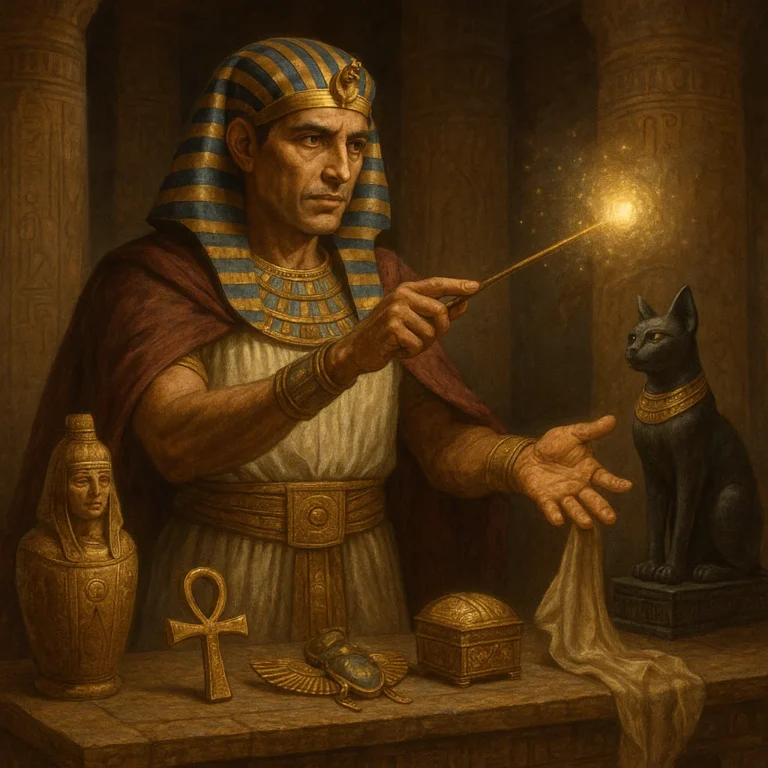
If you’re looking for the absolute “Patient Zero” of magic, look no further than Dedi of Dedesnefu. His exploits are recorded in the Westcar Papyrus, an ancient Egyptian text currently housed in the Berlin Museum.
According to the legend, Dedi was 110 years old and could eat 500 loaves of bread a day (a man after our own hearts!). King Khufu (the Great Pyramid guy) summoned him to perform. Dedi proceeded to:
- Sever the head of a goose, place the body on one side of the room and the head on the other.
- Mutter some ancient incantations.
- The goose’s body waddled to the head, they joined back together, and the goose honked! 🦆
Expert Insight: While we can’t prove Dedi actually did this, the description matches a classic “restoration” effect. Modern magicians use similar principles of misdirection and palming to achieve the same “wow” factor without the mess.
🏺 The Cups and Balls: A 2,000-Year-Old Classic
While Dedi has the first written record, the Cups and Balls is arguably the first standardized trick. We’ve seen it performed with everything from wooden bowls to Starbucks cups.
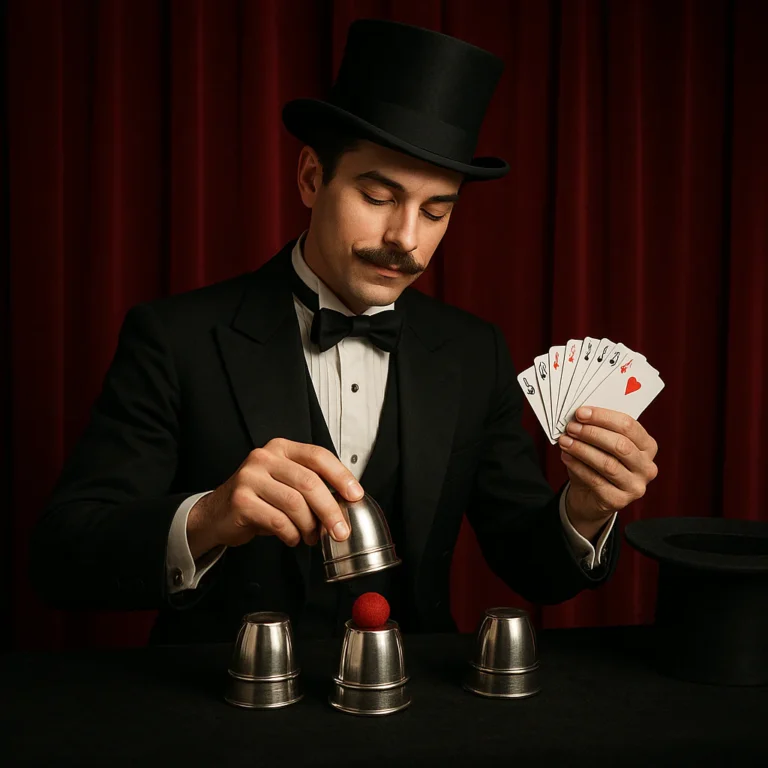
The first recorded performers were the Acetabularii in Ancient Rome. They used small stones and vinegar cups (acetabula). If you want to master the foundations of sleight of hand, this is where you start.
Why it’s still popular:
- It teaches timing.
- It masters misdirection.
- It has a “kicker” ending (like a lemon appearing under the cup!). 🍋
Check out the Vazquez Cups and Balls Set if you want to try your hand at history.
🃏 When Was the First Card Trick Performed?
Card magic is the bread and butter of the modern magician, but it’s a relatively “new” addition to the timeline. Playing cards didn’t really hit Europe until the late 1300s.
The first card tricks were likely simple mathematical “self-working” effects. By the 1500s, sleight of hand with cards was so prevalent that it was often associated with cheating at gambling. 🎰
Fun Fact: The first person to write down a card trick was likely Luca Pacioli, a friend of Leonardo da Vinci, in his manuscript De Viribus Quantitatis (circa 1500). He described how to find a chosen card in a deck—the very first “pick a card” moment!
🔢 12 Ancient Illusions That Paved the Way for Modern Magic
You might have heard of the “blazing arrow through the arm” from the movie Willow, but real history has even cooler stunts. Here are 12 ancient tricks that defined the craft:
- The Decapitated Bird (Egypt): The restoration of life.
- The Cups and Balls (Rome): The ultimate vanish and reappearance.
- The Lota Bowl (India): A bowl that never runs out of water.
- The Linking Rings (China): Solid metal passing through solid metal.
- The Indian Rope Trick: A rope that stands vertically in the air.
- The Basket Trick: An assistant climbs into a basket and “disappears” while swords are thrust through it.
- The Automata (Greece): Hero of Alexandria’s mechanical statues.
- The Ghastly Head (Medieval Europe): A “talking” head on a table (using mirrors!).
- The Fire Eater: Ancient performers who seemed immune to flames.
- The Sword Swallowers: A feat of physical control dating back to the Hittites.
- The Shell Game: The street-hustle version of Cups and Balls.
- The Vanishing Coin: The earliest form of “close-up” magic.
🎩 The 8 Fundamental Types of Magic Effects
Every trick you see today, from David Copperfield to the guy at the birthday party, falls into one of these 8 categories defined by magic theorists like Dariel Fitzkee:
- Production: Making something appear (Rabbit from a hat).
- Vanish: Making something disappear (The Statue of Liberty vanish).
- Transposition: Two objects swapping places.
- Transformation: An object changing its properties (Paper turning into money 💸).
- Penetration: Solid passing through solid (Linking rings).
- Restoration: Breaking something and fixing it (Dedi’s goose!).
- Levitation: Defying gravity.
- Mentalism: Reading minds or predicting the future.
♾️ How Many Magic Tricks Are There in the World?
This is a trick question! (Pun intended).
Technically, there are thousands of marketed tricks you can buy at places like Ellusionist or Theory11. However, most experts agree there are only about 7 to 19 “basic” effects.
Every “new” trick is just a creative variation of an old principle. As we like to say at Magic Trick™, “There are no new tricks, only new magicians.” 🧙 ♂️
✨ Modern Evolution: From Temples to TikTok
Magic has moved from the shadows of temples to the bright lights of the Magic Castle in Hollywood. Today, we use technology—like iPads and social media algorithms—to create illusions. But the core remains the same: The human brain wants to be fooled.
We’ve seen a massive shift toward “organic magic”—using everyday objects like iPhones or rubber bands. If you’re looking to start your journey, we highly recommend The Royal Road to Card Magic. It’s the “Bible” for every aspiring sleight-of-hand artist.
🪄 GET A FREE QUOTE TODAY
Planning an event that needs a touch of the extraordinary? Whether it’s a corporate gala or a high-end private party, our team at Magic Trick™ brings the history of Dedi and the flair of Houdini to your doorstep.
Why choose us?
- ✅ Professional, award-winning performers.
- ✅ Custom illusions tailored to your brand.
- ✅ Guaranteed “How did they do that?!” moments.
Click Here to Request Your Free Magic Quote! (Link to your contact page)
Conclusion
So, what was the first magic trick? While we can’t hop in a time machine, the evidence points to Dedi’s decapitated goose in Ancient Egypt. From those bloody beginnings, magic evolved into a sophisticated art form that challenges our perception of reality.
Whether it’s the 2,000-year-old Cups and Balls or a modern card flourish, magic continues to thrive because we all need a little wonder in our lives. Now, about that question we asked at the start… how did Dedi do it? The secret, as always, is kept by the brotherhood. 🤫
Recommended Links
- The International Brotherhood of Magicians
- The Magic Castle (Academy of Magical Arts)
- History of Magic – Britannica
- Theory11 – High-End Playing Cards
FAQ

Q: Was the first magic trick actually “real” magic?
A: To the audience in 2,700 BCE, it certainly felt real! However, historians and magicians agree it was a clever use of sleight of hand and perhaps a “stunt” animal.
Q: Who is the most famous magician in history?
A: Harry Houdini remains the most household name, though David Copperfield is the most commercially successful.
Q: Can anyone learn magic?
A: Absolutely! It takes practice, patience, and a lot of dropped cards. Start with the basics and work your way up. ✅
Q: Is the “Indian Rope Trick” real?
A: It is widely considered a myth or an “urban legend” of the 19th century, though many have tried to recreate it with varying degrees of success. ❌
Reference Links
- The Westcar Papyrus: British Museum/Berlin Museum Records
- Reginald Scot’s Discoverie of Witchcraft: University of Manchester Library
- The History of Playing Cards: The International Playing-Card Society
⚡️ Quick Tips and Facts
Welcome to the magical journey where we unravel the secrets behind the first magic trick ever performed! If you’re eager to impress friends or just want a quick crash course before diving deep, here’s what the magicians at Magic Trick™ want you to know upfront:
- The OG Magician: A mysterious figure named Dedi from Ancient Egypt, around 2700 BCE, is credited with the earliest recorded magic feat.
- The First Trick: Legend says Dedi performed a goose decapitation and restoration illusion, a jaw-dropper even by today’s standards!
- Oldest Known Trick: The Cups and Balls routine, performed by Roman magicians called the Acetabularii around 300 AD, is often called the “oldest trick in the book.”
- First Card Trick: Cards arrived in Europe in the 14th century, with the earliest documented card magic dating from the 1500s.
- Magic’s Core Effects: There are 8 fundamental types of magic effects that all tricks boil down to—production, vanish, transformation, and more.
- Number of Tricks: Thousands exist, but most are variations on a handful of classic principles.
- Modern Magic: From temples to TikTok, magic evolves but the essence remains the same—to amaze and mystify.
| Fact | Detail |
|---|---|
| Earliest Recorded Magician | Dedi of Ancient Egypt (~2700 BCE) |
| Oldest Known Trick | Cups and Balls (Roman Empire, ~300 AD) |
| First Card Trick Documented | 1500s Europe |
| Magic’s Core Effects | 8 Types (Production, Vanish, etc.) |
| Most Influential Magician | Jean Eugène Robert-Houdin (Father of Modern Magic) |
For a deep dive into this topic, check out our related article What Is the First Magic Trick? Unveiling 5,000 Years of Mystery 🪄.
📜 The Ancient Origins: Tracing the First Illusion
Magic’s roots dig deep into the soil of ancient civilizations, where the lines between magic, religion, and science blurred like smoke in a magician’s hand. The earliest illusions were not just entertainment—they were tools of power, persuasion, and sometimes survival.
Magic in Ancient Temples and Palaces
Priests and magicians in Egypt, Mesopotamia, and Persia used mechanical devices and visual illusions to convince kings and commoners alike that they wielded divine powers. Imagine temple doors that opened by themselves when a fire was lit, or statues that appeared to move—these were the special effects of their day.
The Question of Intent
Did the first magicians know they were performing tricks? Or did they truly believe in their supernatural powers? Our experience at Magic Trick™ tells us that the best magic happens when the performer is as amazed as the audience. This blend of belief and showmanship is what makes magic timeless.
Historical Evidence
The Westcar Papyrus, an ancient Egyptian manuscript, is the earliest known text referencing magical feats. Unfortunately, it’s more myth than manual, but it gives us a tantalizing glimpse into the world where magic was born.
🏆 The Oldest Trick in the Book: Dedi and the Westcar Papyrus
If you want to meet the grandfather of magic, say hello to Dedi of Dedesnefu. According to the Westcar Papyrus, Dedi was summoned by Pharaoh Khufu (the Great Pyramid builder) to perform a miracle.
The Trick: Decapitating and Restoring a Goose
Dedi allegedly:
- Severed the head of a goose and placed the body on one side of the room and the head on the other.
- Chanted mysterious words (probably the ancient equivalent of “Abracadabra”).
- The goose’s head and body magically reunited, and the bird honked as if nothing happened!
What We Think Happened
While no physical evidence exists, this story matches the principles of restoration magic, a staple in modern magic repertoires. The trick likely involved sleight of hand, hidden compartments, or a cleverly prepared bird.
Why It Matters
Dedi’s trick is more than a curiosity; it’s a symbol of magic’s power to defy reality and captivate audiences. It’s the spark that ignited thousands of years of magical innovation.
🏺 The Cups and Balls: A 2,000-Year-Old Classic
If you ask any magician, the Cups and Balls is the holy grail of magic tricks. It’s been performed for over two millennia and remains a benchmark for skill and showmanship.
History and Origins
- The Acetabularii, Roman magicians around 300 AD, are the first documented performers of this trick.
- They used stones and vinegar cups (acetabula) to fool their audiences.
- The trick’s basic plot: small balls vanish, reappear, multiply, and sometimes transform under cups.
Why It’s Timeless
- Teaches fundamental sleight of hand: palming, misdirection, and timing.
- Highly adaptable: can be performed with everyday objects or elaborate props.
- Audience engagement: the buildup and surprise ending keep spectators on the edge of their seats.
Modern Variations
Brands like Vazquez Magic produce professional-grade Cups and Balls sets that are perfect for beginners and pros alike. These sets often come with instructional DVDs or online tutorials.
| Feature | Vazquez Cups and Balls Set |
|---|---|
| Material | Aluminum (lightweight, durable) |
| Number of Cups | 3 |
| Number of Balls | 3 (felt or sponge) |
| Included Instruction | DVD and online access |
| Skill Level | Beginner to Advanced |
👉 CHECK PRICE on:
🃏 When Was the First Card Trick Performed?
Card magic is the most popular form of magic today, but it’s a relatively recent addition compared to ancient illusions.
The Arrival of Playing Cards
- Playing cards appeared in Europe in the 14th century, likely brought from China or the Islamic world.
- Early cards were luxury items, hand-painted and rare.
The First Documented Card Tricks
- The earliest known card trick instructions date back to the 1500s.
- Luca Pacioli, a Renaissance mathematician and friend of Leonardo da Vinci, described a method to find a chosen card in his manuscript De Viribus Quantitatis (~1500).
- These tricks were mostly mathematical and self-working, requiring little sleight of hand.
Why Cards Became Popular
- Cards are familiar and portable, making them perfect for street performers and parlor magicians.
- The versatility of cards allows for countless variations and effects, from simple reveals to complex manipulations.
Recommended Reading
For aspiring card magicians, The Royal Road to Card Magic by Jean Hugard and Frederick Braue remains the definitive guide. It covers everything from basic shuffles to advanced sleights.
👉 Shop The Royal Road to Card Magic on:
🔢 12 Ancient Illusions That Paved the Way for Modern Magic
The history of magic is filled with legendary illusions that have inspired generations. Here are 12 ancient illusions that laid the groundwork for today’s magic:
| # | Illusion | Origin | Description |
|---|---|---|---|
| 1 | Decapitated Bird Restoration | Egypt | Goose head removed and restored (Dedi’s trick) |
| 2 | Cups and Balls | Rome | Balls vanish and reappear under cups |
| 3 | Lota Bowl | India | Bowl that never runs out of water |
| 4 | Linking Rings | China | Solid rings link and unlink magically |
| 5 | Indian Rope Trick | India | Rope stands vertically; boy climbs and vanishes |
| 6 | Basket Trick | Middle East | Assistant disappears from a basket pierced by swords |
| 7 | Automata | Greece | Mechanical statues that move |
| 8 | Ghastly Head | Medieval Europe | Talking head illusion using mirrors |
| 9 | Fire Eating | Ancient Cultures | Performer appears immune to fire |
| 10 | Sword Swallowing | Hittites | Performer swallows swords safely |
| 11 | Shell Game | Ancient Greece | Small object hidden under shells |
| 12 | Vanishing Coin | Worldwide | Coin disappears from hand |
Our Favorite: The Indian Rope Trick
Though often considered a myth, the Indian Rope Trick captivated Western audiences in the 19th century. It involved a rope rising vertically into the air, a boy climbing it, and then disappearing. While no verified performance exists, it remains a powerful symbol of magic’s allure.
🎩 The 8 Fundamental Types of Magic Effects
Understanding the types of magic effects is like knowing the alphabet of magic. Every trick you see is a combination of these core effects:
| Effect Type | Description | Example |
|---|---|---|
| Production | Making something appear | Rabbit from a hat |
| Vanish | Making something disappear | Vanishing coin |
| Transposition | Swapping two objects’ places | Linking rings |
| Transformation | Changing an object’s form | Paper to money |
| Penetration | Solid passing through solid | Sword through body |
| Restoration | Breaking and fixing an object | Torn card restored |
| Levitation | Defying gravity | Floating table |
| Mentalism | Mind reading or prediction | Predicting a card |
Why This Matters
When learning magic, focus on mastering one effect type at a time. For example, start with vanishes before moving to transformations. This approach builds a strong foundation and helps you understand the psychology behind each effect.
♾️ How Many Magic Tricks Are There in the World?
You might think magic is infinite—and you’d be right and wrong at the same time!
The Magic Trick Universe
- There are thousands of marketed tricks available from magic shops like Ellusionist and Theory11.
- However, experts agree there are only about 7 to 19 fundamental magic effects.
- Most tricks are variations or combinations of these core effects.
Why So Many Tricks?
- Magicians innovate by changing presentation, props, or method.
- New technology (smartphones, apps) adds fresh layers to classic effects.
- Personal style and storytelling make each performance unique.
Our Take at Magic Trick™
We believe the quality of your magic beats quantity every time. Master a few solid tricks, learn to engage your audience, and you’ll be more magical than someone with a suitcase full of gimmicks.
✨ Modern Evolution: From Temples to TikTok
Magic has come a long way from the dusty temples of Egypt to the bright screens of TikTok. Let’s explore how magic has evolved:
From Ritual to Entertainment
- Ancient magic was often religious or mystical.
- The Renaissance brought magic into public theaters and fairs.
- The 19th century saw the rise of stage magicians like Jean Eugène Robert-Houdin, who professionalized magic.
The Digital Age
- Today’s magicians use technology: smartphones, augmented reality, and social media.
- Platforms like TikTok and YouTube have created a new generation of micro-magicians who perform quick, viral tricks.
- Magic shops like Penguin Magic offer downloadable tutorials and digital props.
Staying True to the Craft
Despite the tech, the core of magic remains human connection and wonder. As we say at Magic Trick™, “No app can replace the sparkle in a magician’s eye.”
Recommended Resource
For those interested in the history and evolution of magic, visit our Magic History category.
🪄 GET A FREE QUOTE TODAY
Ready to bring the magic of history and mystery to your next event? Whether it’s a corporate gala, wedding, or private party, Magic Trick™ offers professional performances that blend ancient secrets with modern flair.
Why Book Magic Trick™?
| Feature | Benefit |
|---|---|
| Professional Performers | Award-winning magicians with decades of experience |
| Custom Illusions | Tailored to your event’s theme and audience |
| Interactive Shows | Engaging, memorable, and fun for all ages |
| Flexible Formats | Close-up, stage, or virtual magic |
How to Get Started
- Fill out our quick form for a free, no-obligation quote.
- We’ll customize a magical package just for you.
- Prepare to be amazed—and so will your guests!
Request your free quote here:
Magic Trick™ Contact Page
We’ve now set the stage for the grand finale: the Conclusion, where we tie all these threads together and reveal the ultimate answer to the question, What was the first magic trick? Stay tuned!
Conclusion
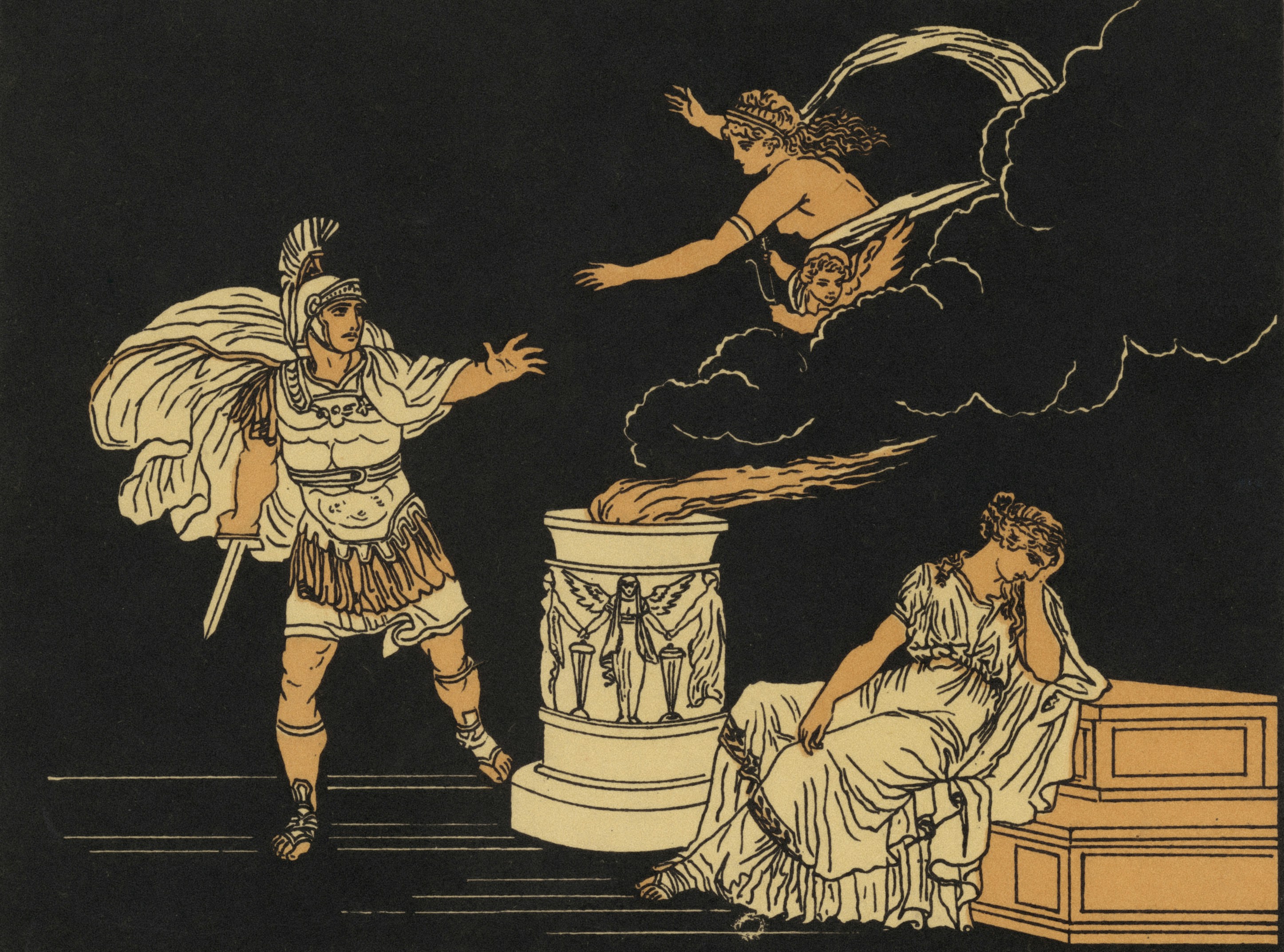
After our deep dive into the annals of magic history, one thing is crystal clear: the first magic trick wasn’t just a flashy stunt—it was a profound moment where human curiosity met the art of illusion. The legendary Dedi of Ancient Egypt, with his goose decapitation and restoration, stands as the earliest recorded magician who dared to defy reality. Whether his trick was real or myth, it set the stage for millennia of magical innovation.
The Cups and Balls routine, performed by Roman magicians centuries later, is the oldest trick with solid historical backing and remains a cornerstone of magic education today. Its endurance speaks volumes about the timeless appeal of simple yet powerful illusions.
Card magic, though a later arrival, revolutionized the craft and remains the most accessible and versatile form of magic for beginners and pros alike. The 8 fundamental types of magic effects give us a framework to understand and create magic, proving that while the props and technology may change, the essence of magic stays the same.
At Magic Trick™, we believe magic is about connection, wonder, and storytelling. Whether you’re performing a 5,000-year-old illusion or a cutting-edge digital trick, the goal is to spark amazement and joy.
Ready to start your magical journey? Master the classics, embrace your unique style, and keep the mystery alive!
Recommended Links
Looking to explore or purchase some of the legendary magic tools and books mentioned? Here’s where to start:
-
Vazquez Cups and Balls Set:
Amazon | Walmart | Vazquez Official Website -
The Royal Road to Card Magic by Jean Hugard and Frederick Braue:
Amazon | Barnes & Noble -
Modern Magic Resources:
Ellusionist | Theory11 | Penguin Magic -
Magic History and Theory:
The International Brotherhood of Magicians | The Magic Castle -
On the Indian Rope Trick and Historical Myths:
Was Willow’s first magic display (blazing arrow through arm) actual magic and illusion?
FAQ

What are the oldest tricks in the book?
The Cups and Balls is widely regarded as the oldest magic trick still performed today, with roots tracing back to Ancient Rome around 300 AD. Before that, the legendary illusion by Dedi in Ancient Egypt involving the decapitation and restoration of a goose is the earliest recorded magical feat, dating to roughly 2700 BCE. These tricks laid the foundation for the art of illusion by combining sleight of hand, misdirection, and storytelling.
Who was the first to discover magic?
While magic as a concept likely predates recorded history, the first documented magician is believed to be Dedi of Dedesnefu, an Egyptian magician mentioned in the Westcar Papyrus. His feats were probably a blend of practical illusion and religious ritual, marking the transition from mystical rites to performance art.
What is the oldest magic trick in history?
The oldest magic trick with historical documentation is the Cups and Balls routine, performed by Roman magicians known as the Acetabularii. However, the story of Dedi’s goose trick is often cited as the earliest recorded magical illusion, though it remains more legendary than verifiable.
What is the easiest magic trick to learn?
For beginners, the Cups and Balls and simple vanishing coin tricks are excellent starting points. These tricks teach fundamental skills like palming, misdirection, and timing. Additionally, basic card tricks such as the “Pick a Card, Any Card” routine are accessible and highly effective.
What is the first recorded magic in history?
The first recorded magic is found in the Westcar Papyrus, an ancient Egyptian text that describes magical feats performed by Dedi. This document dates back to around 1700 BCE and contains stories blending myth, magic, and royal intrigue.
When was the first card trick performed?
Playing cards arrived in Europe in the 14th century, and the earliest documented card tricks date from the 1500s. These early tricks were often mathematical and self-working, designed to impress audiences with seemingly impossible feats of chance and prediction.
Who invented magic tricks?
Magic tricks evolved over millennia and cannot be credited to a single inventor. However, magicians like Jean Eugène Robert-Houdin in the 19th century are credited with transforming magic into a professional stage art. Earlier, magicians like Dedi and the Acetabularii laid the groundwork for the craft.
Who is considered the father of modern magic?
Jean Eugène Robert-Houdin (1805–1871) is widely regarded as the father of modern magic. He introduced elegant stagecraft, mechanical illusions, and a refined presentation style that moved magic from street performances to theaters.
What are some famous ancient magic tricks?
Famous ancient tricks include:
- Dedi’s goose decapitation and restoration (Egypt)
- Cups and Balls (Rome)
- Linking Rings (China)
- Indian Rope Trick (India) — though likely mythical
- Automata (Greece) — mechanical moving statues
How did magic tricks evolve throughout history?
Magic evolved from religious rituals and mechanical marvels in ancient temples to street performances in medieval fairs, then to grand theatrical illusions in the 19th century. The invention of playing cards introduced a new genre of magic, and the digital age has brought magic into virtual spaces and social media platforms.
What are the basic principles behind classic magic tricks?
Classic magic tricks rely on:
- Misdirection: Diverting the audience’s attention.
- Sleight of Hand: Skilled manual manipulation.
- Psychology: Understanding perception and expectation.
- Mechanical Devices: Hidden compartments, mirrors, or gimmicks.
- Storytelling: Engaging narratives that enhance the illusion.
Reference Links
- Westcar Papyrus – British Museum
- Reginald Scot’s Discoverie of Witchcraft – University of Manchester Library
- International Brotherhood of Magicians
- The Magic Castle (Academy of Magical Arts)
- History of Playing Cards – International Playing-Card Society
- Roger Lapin – What was the first magic trick ever performed?
- Wikipedia – Timeline of Magic
- Was Willow’s first magic display (blazing arrow through arm) actual magic and illusion? – SciFi Stack Exchange
Thanks for joining us on this magical exploration! Remember, every great magician starts with a spark of curiosity—and a little bit of mystery. 🪄✨