Support our educational content for free when you purchase through links on our site. Learn more
Unlock 7 Pencil Magic Tricks: Amaze & Mystify! 🎩


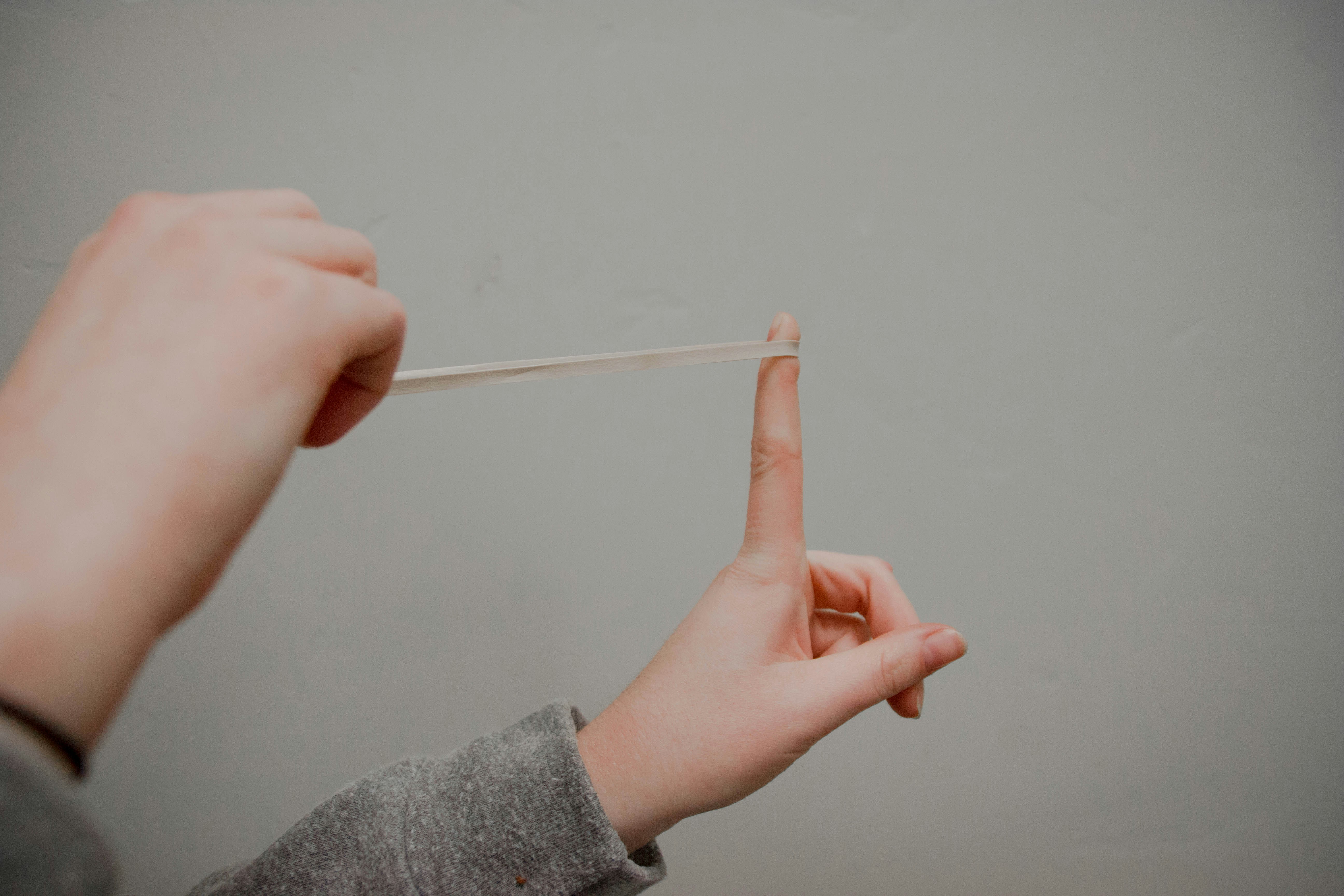
Ever wondered if you could turn an ordinary pencil into an object of pure wonder? At Magic Trick™, we believe the most astonishing illusions often come from the simplest props. Forget elaborate stage setups; with just a humble pencil, you hold the power to bend reality, defy gravity, and make objects vanish right before your audience’s eyes! We’ve poured our collective magical wisdom into this comprehensive guide, revealing our top 7 easy-to-master pencil magic tricks that will not only impress your friends and family but also teach you the fundamental secrets of misdirection and sleight of hand. Ready to discover how a common writing tool can become your most powerful magical wand? Let’s dive into the secrets that will transform you from an observer into a true illusionist!
Key Takeaways
- Pencils are the ultimate impromptu magic prop: They are universally available, inexpensive, and unassuming, making them perfect for surprising audiences anywhere, anytime.
- Misdirection is your greatest asset: The true secret to most pencil tricks lies in guiding your audience’s attention away from the actual method, making the impossible seem real.
- Practice is paramount: Smooth, confident execution sells the illusion. Consistent practice builds muscle memory and makes your movements appear effortless and magical.
- Master 7 core pencil illusions: From the classic “Rubber Pencil” optical illusion to the gravity-defying “Magnetic Pencil” and the shocking “Pencil Through Hand,” this guide provides step-by-step instructions for a versatile repertoire.
- Audience engagement enhances the magic: Don’t just perform a trick; tell a story, involve your spectators, and create an experience that leaves them wondering long after the pencil is back in your pocket.
Table of Contents
- ⚡️ Quick Tips and Facts
- 📜 The Enchanting History of Pencil Magic: From School Desks to Stage Shows
- ✨ Why the Humble Pencil is a Magician’s Best Friend
- Mastering Pencil Illusions: Our Top 7 Easy Magic Tricks with a Pencil
- 1. The Classic “Rubber Pencil” Illusion: Bending Reality with a Simple Grip ✏️
- 2. The “Magnetic Pencil” Trick: Defying Gravity with Your Fingers ✨
- 3. The Vanishing Pencil: Making it Disappear Before Their Eyes 🎩
- 4. The Pencil Through Hand Illusion: A Shocking Visual Feat 🖐️
- 5. The Levitating Pencil (or Ring on Pencil): A Mystical Ascent ⬆️
- 6. The Balancing Pencil: A Test of Skill and Deception ⚖️
- 7. The Jumping Pencil: A Quick, Startling Surprise 🚀
- 🤫 Mastering the Art of Misdirection: The True Secret to Pencil Tricks
- ✍️ Choosing Your Wand: The Best Pencils for Magic Tricks
- 🎯 Practice Makes Perfect: Tips for Polishing Your Performance
- 🤩 Audience Engagement: Turning a Trick into an Experience
- ❌ Common Mistakes to Avoid When Performing Pencil Magic
- 🎭 Beyond the Basics: Adapting Pencil Tricks for Different Settings
- 💡 Creating Your Own Pencil Illusions: Unleashing Your Inner Inventor
- 🤔 The Psychology Behind Pencil Magic: Why We’re Fooled
- 🌟 Conclusion: Your Journey into the World of Pencil Magic
- 🔗 Recommended Links: Further Resources for Aspiring Magicians
- 🔥 FAQ: Your Burning Questions About Pencil Magic Answered
- 📚 Reference Links: Sources and Inspirations
⚡️ Quick Tips and Facts
Welcome, aspiring illusionists! At Magic Trick™, we believe that true magic isn’t about expensive props, but about skill, presentation, and a dash of theatrical flair. And what better tool to start your magical journey than the humble pencil? It’s readily available, unassuming, and incredibly versatile for creating mind-bending illusions. Here are some quick facts and tips to get your pencil magic journey started:
- Accessibility is Key: Pencils are everyday objects, making impromptu magic incredibly impactful. No fancy setup required!
- Misdirection is Your Best Friend: The secret to most pencil tricks lies not in the pencil itself, but in where you direct your audience’s attention. Learn to control their gaze!
- Practice, Practice, Practice: As the magicians at Magic Trick™ always say, “Smoothness sells the illusion.” Repetition builds muscle memory and makes your movements appear effortless.
- Angles Matter: Always be aware of your audience’s perspective. What looks magical from one angle might reveal the secret from another.
- The “Rubber Pencil” is an Optical Illusion: It’s not actually bending! Your brain is simply interpreting rapid movement in a peculiar way.
- Pencil Magic Enhances Dexterity: Performing these tricks will naturally improve your hand-eye coordination and fine motor skills.
- Storytelling Sells: Don’t just do a trick; tell a story. Give your pencil a personality, or explain why it’s behaving so strangely.
- Keep the Secret: The magic dies when the secret is revealed. Maintain the mystery! 🤫
📜 The Enchanting History of Pencil Magic: From School Desks to Stage Shows
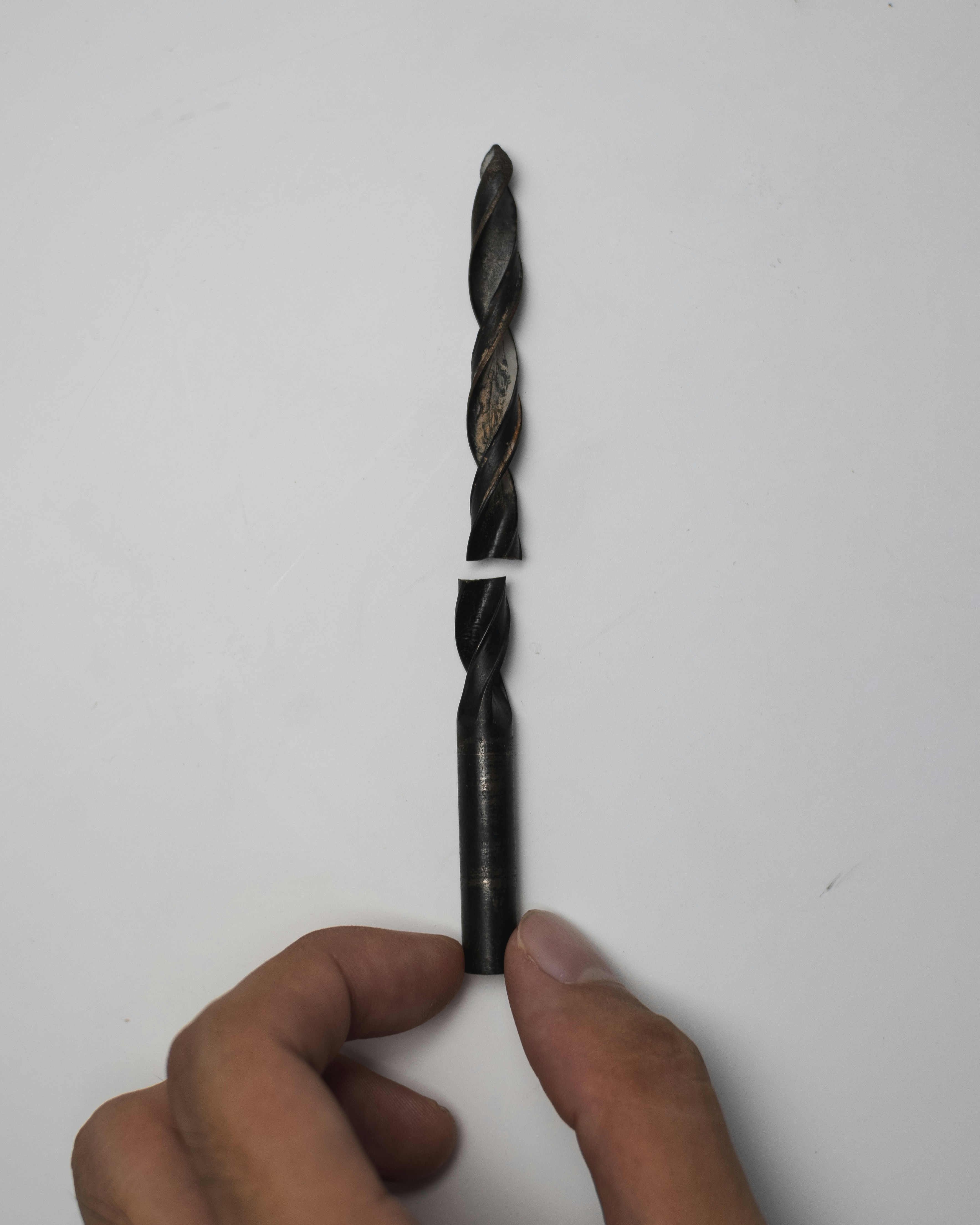
You might think magic with a pencil is a modern invention, something conjured up in a classroom to impress friends. But the truth is, the principles behind many impromptu magic tricks using everyday objects like pencils are as old as magic itself! Magicians have always understood the power of using familiar items to create astonishment. Why? Because when something ordinary does something extraordinary, it shatters expectations and feels truly magical.
Historically, magicians often relied on elaborate stage setups and custom-made props. However, the rise of close-up magic and street magic brought a new appreciation for tricks that could be performed anywhere, with anything. The pencil, being ubiquitous and unassuming, became a perfect candidate. It’s the ultimate “borrowed object” prop, instantly disarming skepticism because, well, it’s just a pencil!
While there isn’t a single “inventor” of pencil magic, many of the foundational techniques, like the “Rubber Pencil” illusion, have been passed down through generations of amateur and professional magicians. These tricks often originate from simple observations of physics and human perception, then refined through countless performances. They’re a testament to the idea that true magic resides in the performer’s skill and presentation, not in the object itself. It’s a rich tradition that connects directly to the broader history of magic, where ingenuity often trumps extravagance. For more on the fascinating evolution of magic, check out our insights into Magic History.
✨ Why the Humble Pencil is a Magician’s Best Friend
Why do we, the seasoned illusionists at Magic Trick™, rave about the pencil as a magical tool? It’s simple: versatility, accessibility, and sheer deceptive power.
Think about it. A pencil is:
- Universally Recognizable: Everyone knows what a pencil is and how it should behave. When it defies those expectations, the impact is amplified.
- Readily Available: You can find one in any office, school, or home. This makes it perfect for impromptu performances – no need to carry a bulky magic kit!
- Inexpensive: If you lose it, break it, or give it away (as a souvenir of your magical prowess!), it’s no big deal.
- Unassuming: It doesn’t scream “magic prop,” which helps to lower your audience’s guard and makes the illusion even more surprising.
- Perfect for Close-Up Magic: Its small size makes it ideal for intimate performances, drawing your audience in and making them feel like they’re witnessing something truly personal and impossible. This is the essence of Close-up Magic.
- A Blank Canvas for Creativity: From bending to vanishing, levitating to balancing, the pencil can be transformed into almost anything with the right technique and a vivid imagination.
One of our team members, a seasoned street magician named “The Professor,” once told us, “Give me a pencil and a captivated audience, and I’ll show you more magic than a thousand doves and a sawed-in-half assistant.” He’s not wrong. The pencil forces you to rely on your sleight of hand, your misdirection, and your storytelling abilities, which are the true hallmarks of a great magician. It’s a fantastic training ground for developing fundamental magical skills that can be applied to more complex Illusions later on.
Mastering Pencil Illusions: Our Top 7 Easy Magic Tricks with a Pencil
Ready to turn an ordinary writing tool into an object of wonder? We’ve compiled our top 7 easy-to-learn, yet incredibly effective, pencil magic tricks. These illusions are perfect for beginners but polished enough to impress even the most skeptical observer. Let’s dive in!
1. The Classic “Rubber Pencil” Illusion: Bending Reality with a Simple Grip ✏️
This is often the first magic trick anyone learns, and for good reason: it’s incredibly simple, requires no setup, and genuinely fools people! The Spruce Crafts agrees, stating, “Practice this one a few times and you’ll fool anyone.” (The Spruce Crafts). It’s a fantastic optical illusion that makes a solid pencil appear as flexible as rubber.
How to Perform It:
- Grip: Hold a standard pencil firmly between your thumb and forefinger, about one-third of the way down from the eraser end. Your grip should be firm but not rigid.
- Relax: Keep your wrist and arm relaxed. This is crucial for the illusion.
- Shake: Rapidly shake your hand up and down, making sure the pencil itself is doing most of the vibrating. The movement should be quick and small, almost a tremor.
- Observe: As you shake, the pencil will appear to become flexible, bending and wobbling like rubber.
- Reveal: Stop shaking, and the pencil instantly returns to its rigid state. You can even hand it out for examination!
Why it Works (The Science of Deception):
This trick exploits a phenomenon called persistence of vision and how our brains interpret rapid motion. When the pencil vibrates quickly, your eyes can’t track its exact position. Instead, your brain “fills in the gaps,” creating the illusion of a continuous, wavy line, making the pencil appear flexible.
Tips for a Perfect Performance:
- Speed is Key: The faster and more consistent your shake, the more convincing the illusion.
- Angle: Perform this trick directly in front of your audience. Side angles can sometimes diminish the effect.
- Storytelling: “Watch closely! With just a little concentration, I can make this ordinary pencil turn to rubber!”
- Examination: Always offer the pencil for inspection afterward. This reinforces the idea that it’s a normal pencil, enhancing the magic.
Pros & Cons:
| Feature | ✅ Pros | ❌ Cons |
|---|---|---|
| Ease of Learning | Extremely easy, instant gratification. | Can look like just shaking if not done well. |
| Props Required | Just a pencil! | None. |
| Impact | High for beginners, surprising. | Less impactful for seasoned magic fans. |
| Versatility | Great for impromptu moments. | Limited variations. |
2. The “Magnetic Pencil” Trick: Defying Gravity with Your Fingers ✨
This illusion makes a pencil appear to stick to your hand as if by an invisible magnetic force. It’s a fantastic piece of visual magic that relies on clever hand positioning and misdirection. We’ll cover two main variations, addressing insights from both The Spruce Crafts and Scoutlife. For an even deeper dive, make sure to check out our dedicated article: The Magnetic Pencil Trick: Unleash Your Inner Magician 2024.
Version 1: The Hidden Finger Press (Scoutlife Method)
This is the most common and easiest version, perfect for beginners. Scoutlife.org describes it well: “A simple illusion that makes a pencil appear to float behind your hand.” (Scoutlife.org).
How to Perform It:
- Setup: Hold a pencil vertically in your dominant hand, resting it against your palm.
- The Secret Grip: Bring your non-dominant hand over to grasp your dominant wrist. As you do this, extend the index finger of your non-dominant hand behind your dominant hand, pressing the pencil firmly against your palm. This is the hidden support.
- The Illusion: Slowly open the fingers of your dominant hand, one by one, as if demonstrating that they are not holding the pencil. The pencil will appear to be magically stuck to your palm.
- Wiggle & Wave: As Scoutlife suggests, “Wiggle your fingers and wave your hand to increase the showmanship.” This adds to the illusion of the pencil being truly “magnetic.”
- The Release: To end, simply release the pressure from your hidden index finger, and the pencil will drop naturally.
Tips for a Perfect Performance:
- Angles: As The Spruce Crafts advises, “Work on the angles at which your audience can view the trick.” (The Spruce Crafts). Ensure your audience is directly in front of you, not to the sides or behind, to keep the hidden finger out of sight.
- Natural Movement: Don’t make your non-dominant hand’s grip look unnatural or forced. It should appear as if you’re simply holding your wrist.
- Misdirection: While you’re opening your fingers, look at the pencil, not your hidden finger. Your audience will follow your gaze.
- Practice in a Mirror: Scoutlife emphasizes, “Practice in front of a mirror until your sleight of hand doesn’t appear obvious.” This is crucial for smooth execution.
Version 2: The Wristwatch Support (The Spruce Crafts Method)
This variation offers a slightly different presentation, using a common accessory to create the illusion of a pencil sticking to your wrist. The Spruce Crafts details this method, noting it “creates the illusion that a pencil sticks to your hand or wrist without support.” (The Spruce Crafts).
How to Perform It:
- Preparation: Wear a wristwatch on your dominant wrist.
- Hidden Pencil: Secretly slip one end of a pencil (let’s call it Pencil A) under your watch band, on the palm side of your wrist. It should extend about halfway down your palm. This pencil is your gimmick.
- The Setup: Place a second pencil (Pencil B) on a table.
- The Illusion: Bring your dominant hand over Pencil B. As you do, subtly slide the end of Pencil A (the hidden one) under Pencil B.
- Lift: Slowly lift your hand. Pencil B will appear to be magically stuck to your hand/wrist, held by the hidden Pencil A.
- The Reveal: To end, simply slide Pencil A out from under Pencil B, letting Pencil B fall naturally onto the table.
Tips for a Perfect Performance:
- Watch Type: A slightly looser watch band works best for easily slipping the pencil underneath.
- Smoothness: The key is to make the transfer of Pencil B onto Pencil A look effortless and invisible.
- Distraction: The Spruce Crafts suggests, “Displaying three fingers gripping the wrist helps distract from the secret.” Use your non-dominant hand to hold your dominant wrist, further obscuring the hidden pencil.
- Story: “I’ve been wearing this watch for so long, I think it’s developed a magnetic field!”
Pros & Cons (for both versions):
| Feature | ✅ Pros | ❌ Cons |
|---|---|---|
| Ease of Learning | Relatively easy with practice. | Requires careful angle management. |
| Props Required | Pencil(s), optional wristwatch. | Can be exposed if angles are wrong. |
| Impact | Very strong visual effect. | Requires good misdirection. |
| Versatility | Great for close-up, impromptu settings. | Less suitable for large audiences. |
Which version to trust? Both methods are effective and rely on similar principles of hidden support and misdirection. The Scoutlife method (hidden finger) is perhaps more impromptu as it doesn’t require a watch. The Spruce Crafts method (wristwatch) adds an extra layer of deception by using an accessory, making the “magnetic” effect seem even more impossible. We recommend mastering both and choosing based on your situation and available props!
3. The Vanishing Pencil: Making it Disappear Before Their Eyes 🎩
Making an object vanish is one of the most classic and impactful magic tricks. With a pencil, you can achieve a surprisingly convincing disappearance right under their noses! This trick relies heavily on sleight of hand and misdirection, principles also vital in Coin Tricks.
How to Perform It:
- The Grip: Hold the pencil horizontally in your dominant hand, gripping it firmly between your thumb and the base of your index finger. The pencil should extend outwards, visible to the audience.
- The Cover: Bring your non-dominant hand over, cupping it around your dominant hand, as if you’re about to take the pencil.
- The Secret Move (The Palm): As your non-dominant hand covers, your dominant hand performs the “palm.” This means you subtly shift the pencil from your thumb/index finger grip to be held securely by the base of your thumb and the fleshy part of your palm. The pencil should now be hidden within your dominant hand, parallel to your palm.
- The Misdirection: Your non-dominant hand, which now appears to be holding the pencil, makes a “taking” motion, then slowly opens, revealing empty fingers. At the same time, your dominant hand, with the palmed pencil, casually moves away, perhaps to scratch your head or adjust your clothing, keeping the pencil hidden.
- The Reveal: Show both hands empty. The pencil has vanished!
Tips for a Perfect Performance:
- Timing is Everything: The palming motion must happen precisely as your non-dominant hand covers. The two actions should look like one fluid movement of “taking” the pencil.
- Relaxed Hands: Tense, unnatural hands will give away the secret. Practice until your hands look completely relaxed, even when palming the pencil.
- Eye Contact: Maintain eye contact with your audience, or direct their gaze to your “empty” non-dominant hand as it opens. This is classic misdirection.
- The “Dirty Hand”: Your dominant hand, which holds the palmed pencil, is your “dirty hand.” Keep it moving naturally but subtly, never drawing attention to it.
- Practice the “French Drop” principle: The first YouTube video in this article demonstrates coin vanishing techniques like the “French Drop” and “Thumb Palm” (see #featured-video). While it’s with a coin, the principles of misdirection and palming are directly applicable here. Observe how the presenter uses smooth, deceptive movements to create the illusion of disappearance.
Pros & Cons:
| Feature | ✅ Pros | ❌ Cons |
|---|---|---|
| Ease of Learning | Requires practice, but achievable. | Can be tricky to make smooth initially. |
| Props Required | One pencil. | Requires good hand dexterity. |
| Impact | High, a classic magical effect. | Risk of flashing the palmed pencil. |
| Versatility | Great for close-up, impromptu. | Best performed standing or seated at a table. |
4. The Pencil Through Hand Illusion: A Shocking Visual Feat 🖐️
This trick is a real jaw-dropper, creating the illusion that a solid pencil passes right through your hand! It’s a bit more advanced in terms of presentation and requires a clever gimmick, but the payoff is immense.
How to Perform It:
- The Gimmick: You’ll need a special pencil for this trick. It’s usually a pencil that has been cut in half lengthwise, with a small hinge or elastic band connecting the two halves at one end. When held correctly, it looks like a whole pencil.
- DIY Option: You can create one by carefully splitting a pencil (e.g., a Ticonderoga #2 pencil, known for its consistent wood) with a craft knife, then using a strong, thin elastic band or clear tape to create a hinge at one end. Be extremely careful if attempting this!
- The Setup: Hold the gimmicked pencil in your dominant hand, ensuring the split side is facing away from the audience and the hinge is hidden by your grip. It should appear as a normal, solid pencil.
- The Illusion: Bring your non-dominant hand up, palm facing you, fingers slightly spread. Position the “solid” end of the pencil against the center of your palm.
- The Penetration: With your dominant hand, press the pencil against your palm. As you do, subtly allow the two halves of the pencil to separate slightly, with one half going to one side of your hand and the other half to the other side. Your fingers on your non-dominant hand will naturally curl around the pencil, helping to hide the split.
- The Reveal: It will look as if the pencil has passed through your hand! You can even show the “point” of the pencil appearing on the back of your hand, then pull it back through.
- The Restoration: Bring your hands together, allowing the two halves of the pencil to snap back together (or be re-aligned by your grip), and show the pencil as solid again.
Tips for a Perfect Performance:
- Smoothness: The key is the seamless transition from “solid” to “split” and back. Practice this in front of a mirror until it’s fluid.
- Misdirection: Your audience will be focused on the pencil and your hand. Use your eyes to direct their attention to the “penetration point.”
- Sound: A slight “thud” as the pencil appears to hit your palm can enhance the illusion.
- Story: “I’ve been practicing my mental powers, and now I can make solid objects pass through solid objects… watch my hand!”
Pros & Cons:
| Feature | ✅ Pros | ❌ Cons |
|---|---|---|
| Ease of Learning | Requires a gimmick and practice. | Gimmick preparation can be tricky/dangerous. |
| Props Required | Gimmicked pencil (DIY or purchased). | Risk of exposing the gimmick if not careful. |
| Impact | Extremely high, very visual and shocking. | Not truly impromptu. |
| Versatility | Great for close-up, small groups. | Limited to specific angles. |
5. The Levitating Pencil (or Ring on Pencil): A Mystical Ascent ⬆️
Making an object defy gravity is pure magic! This trick, often performed with a ring, creates the illusion that a pencil (or a ring on a pencil) is floating upwards. The Spruce Crafts mentions the “Levitating Ring” as a great follow-up to other pencil tricks, adding “a layer of mystery by incorporating jewelry.” (The Spruce Crafts).
How to Perform It (with a Ring):
- Props: You’ll need a standard pencil and a ring (a simple wedding band or a similar plain ring works best). A Staedtler Noris HB pencil is a good choice due to its smooth finish.
- The Setup: Hold the pencil vertically in one hand. Place the ring over the pencil, letting it rest at the bottom.
- The Secret: This trick requires a hidden loop of thread (often invisible thread or a very fine black thread if performing against a dark background). Before the trick, secretly attach one end of the thread to your clothing (e.g., a button, your lapel, or even a piece of tape on your shirt) and the other end to the ring. The thread should be taut but not visible to the audience.
- Alternative Gimmick: Some versions use a small, hidden piece of wax or a tiny magnet on the pencil, combined with a magnetic ring. However, the thread method is more common for impromptu levitation.
- The Illusion: As you hold the pencil, subtly move your body or hand in a way that creates tension on the thread. This tension will cause the ring to slowly rise up the pencil, appearing to levitate.
- The Descent: To make the ring descend, simply relax the tension on the thread.
- The Reveal: Once the trick is done, discreetly detach the thread from the ring or your clothing, and you can hand out both the pencil and the ring for examination.
Tips for a Perfect Performance:
- Invisible Thread Mastery: This is the hardest part. Learn to handle invisible thread without breaking it or making it visible. Lighting is crucial – avoid direct, harsh light.
- Natural Movement: Your body movement should be subtle and appear unrelated to the ring’s movement. It should look like you’re concentrating, not pulling a string.
- Storytelling: “This ring has a mind of its own… watch it defy gravity!”
- Borrow a Ring: If you can borrow a ring from an audience member, the effect is even stronger, as they know there’s no trickery with their ring.
Pros & Cons:
| Feature | ✅ Pros | ❌ Cons |
|---|---|---|
| Ease of Learning | Requires practice with thread/gimmick. | Invisible thread can be fragile and tricky. |
| Props Required | Pencil, ring, invisible thread (gimmick). | Not truly impromptu due to setup. |
| Impact | Very high, visually stunning. | Requires careful lighting and angles. |
| Versatility | Great for close-up, small groups. | Can be exposed if thread is seen. |
6. The Balancing Pencil: A Test of Skill and Deception ⚖️
This trick makes a pencil appear to balance impossibly on your fingertip, defying gravity and logic. It’s a subtle yet powerful illusion that showcases your supposed incredible balance or a hidden force at play.
How to Perform It:
- The Setup: Hold a standard pencil horizontally. You’ll need a small, almost invisible piece of magician’s wax or a tiny dab of Blu Tack (a reusable adhesive putty) for this. Secretly apply it to the side of the pencil, near the middle, where your finger will make contact.
- The Illusion: Present the pencil as normal. Then, casually place the pencil onto the tip of your index finger, ensuring the wax/putty makes contact.
- The Balance: The wax/putty will provide just enough adhesion to make the pencil stick to your fingertip, allowing it to balance seemingly impossibly.
- The Movement: You can gently tilt your hand, and the pencil will remain balanced, further enhancing the illusion.
- The Release: To end, simply give a slight flick or brush the pencil off your finger, discreetly removing any residue of the wax/putty, and hand it out for examination.
Tips for a Perfect Performance:
- Minimal Gimmick: Use the smallest amount of wax/putty possible. You want just enough adhesion, not a sticky mess.
- Natural Presentation: Don’t make a big deal about placing the pencil on your finger. It should look effortless.
- Misdirection: While the pencil is balancing, you can gesture with your other hand, or look intently at the pencil, as if concentrating.
- Pencil Choice: A well-balanced pencil like a Faber-Castell Grip 2001 can feel more natural, though any standard pencil works.
Pros & Cons:
| Feature | ✅ Pros | ❌ Cons |
|---|---|---|
| Ease of Learning | Very easy, simple gimmick. | Requires a small, hidden gimmick. |
| Props Required | Pencil, magician’s wax/Blu Tack. | Can leave residue if not careful. |
| Impact | Good for close-up, subtle surprise. | Less flashy than other tricks. |
| Versatility | Impromptu if you have the gimmick ready. | Best for one-on-one or small groups. |
👉 Shop Magician’s Wax/Blu Tack on:
7. The Jumping Pencil: A Quick, Startling Surprise 🚀
This is a quick, visual gag that makes a pencil appear to jump or move on its own. It’s perfect for a sudden, unexpected moment of magic that will make your audience jump!
How to Perform It:
- The Grip: Hold the pencil horizontally in your dominant hand, gripping it loosely between your thumb and the side of your index finger. The pencil should be resting on your middle finger.
- The Secret Move: Your ring finger (or pinky, depending on comfort) is the key. It will be hidden behind the pencil.
- The Jump: To make the pencil “jump,” simply extend your hidden ring finger quickly and sharply, pushing the pencil upwards. The loose grip of your thumb and index finger allows the pencil to pivot and jump.
- The Reset: As soon as it jumps, relax your ring finger and re-establish your loose grip, making it ready for another jump or to hand out for examination.
Tips for a Perfect Performance:
- Speed: The jump should be quick and unexpected. The faster, the more startling and magical it appears.
- Loose Grip: If your grip is too tight, the pencil won’t jump. It needs freedom to move.
- Misdirection: Look intently at the pencil just before it jumps, as if you’re concentrating your energy on it.
- Sound: A slight “thwack” as it jumps can add to the surprise.
- Story: “This pencil has a mind of its own… it just can’t sit still!”
Pros & Cons:
| Feature | ✅ Pros | ❌ Cons |
|---|---|---|
| Ease of Learning | Very easy, almost instant. | Less of a “trick,” more of a quick gag. |
| Props Required | One pencil. | Can be easily figured out if performed slowly. |
| Impact | Good for a quick surprise or laugh. | Not a deep, baffling illusion. |
| Versatility | Extremely impromptu, anytime, anywhere. | Limited to a single, quick action. |
🤫 Mastering the Art of Misdirection: The True Secret to Pencil Tricks
You’ve learned the mechanics of these amazing pencil tricks, but here’s a secret from the Magic Trick™ vault: the real magic isn’t in the sleight of hand; it’s in the sleight of mind. This is where misdirection comes into play, and it’s arguably the most crucial skill for any magician, especially when performing close-up magic with everyday objects.
Misdirection is the art of controlling your audience’s attention. It’s about making them look exactly where you want them to look, and not look where you don’t want them to look. Think of it like a skilled storyteller guiding your imagination.
How We Use Misdirection in Pencil Magic:
- Verbal Misdirection: “Watch the pencil very closely…” (while your other hand is doing the secret work).
- Physical Misdirection: Gesturing with your “empty” hand, making eye contact, or even a sudden movement to draw attention away from the secret action.
- Temporal Misdirection: Performing the secret move during a natural pause or a moment of audience distraction (e.g., when they’re laughing or reacting to something else).
- Psychological Misdirection: Exploiting human tendencies, like the desire to follow a gaze or the assumption that an ordinary object will behave ordinarily.
One of our team’s favorite anecdotes involves a young magician trying to perform the vanishing pencil trick. He was so focused on hiding the palmed pencil that his eyes kept darting to his “dirty hand.” Of course, the audience followed his gaze and immediately spotted the secret! The lesson? Your eyes are the most powerful tool for misdirection. If you believe the magic is happening where you want the audience to look, they will too.
Remember the first YouTube video we mentioned earlier (see #featured-video)? The coin vanishing techniques demonstrated there, particularly the “French Drop” and “Thumb Palm,” are prime examples of expert misdirection. Notice how the presenter’s movements are fluid, and his gaze often directs your attention to the hand that appears to be holding the coin, even as the other hand is secretly retaining it. The principles are identical for pencil vanishing.
Key Takeaway: Don’t just learn the moves; learn to perform them. Practice your patter, your eye contact, and your natural gestures. The more confident and relaxed you appear, the more convincing your misdirection will be, and the more magical your pencil tricks will become. This mastery of attention is also fundamental to more complex Card Tricks.
✍️ Choosing Your Wand: The Best Pencils for Magic Tricks
While almost any pencil can be used for magic, choosing the right “wand” can subtly enhance your performance. We’re not talking about expensive, gimmicked pencils (unless the trick specifically calls for it, like the Pencil Through Hand). We’re talking about standard, readily available pencils that offer the best feel, visibility, and durability for your illusions.
Here’s our expert rating table for common pencil types, focusing on their suitability for magic:
| Pencil Type/Brand | Design (1-10) | Functionality (1-10) | Visibility (1-10) | Durability (1-10) | Overall Magic Suitability (1-10) | Notes Pencil Brand Recommendations:
- Ticonderoga #2: The classic yellow pencil. Excellent visibility, good grip, and a familiar feel. Perfect for most tricks.
- Staedtler Noris HB: Known for its smooth finish and consistent quality. Great for tricks involving sliding or levitation (like the ring trick).
- Faber-Castell Grip 2001: Features a unique ergonomic grip, which can be beneficial for certain palming or manipulation techniques, offering better control.
What to Look For in a “Magic Pencil”:
- Standard Size and Shape: Avoid overly thick or thin pencils, as they might feel unnatural or make certain grips awkward. A standard hexagonal or round barrel is ideal.
- Good Contrast: A brightly colored pencil (like yellow) stands out against your hand, making the illusion clearer.
- Durability: You’ll be handling it a lot, so a pencil that doesn’t break easily is a plus.
- No Obvious Gimmicks (unless intended): For most tricks, you want the audience to believe it’s a completely ordinary pencil. Avoid pencils with unusual features or designs that might raise suspicion.
👉 Shop Recommended Pencils on:
- Ticonderoga #2 Pencils: Amazon | Walmart
- Staedtler Noris HB Pencils: Amazon | Walmart
- Faber-Castell Grip 2001 Pencils: Amazon | Etsy | Faber-Castell Official Website
🎯 Practice Makes Perfect: Tips for Polishing Your Performance
Learning the secret to a magic trick is only 10% of the journey. The other 90% is practice, practice, practice! At Magic Trick™, we can’t stress this enough. A poorly performed trick, no matter how clever the secret, will fall flat. A well-rehearsed trick, even a simple one, can create genuine wonder.
Here are our top tips for polishing your pencil magic performance:
- Mirror, Mirror on the Wall: As Scoutlife.org wisely advises, “Practice in front of a mirror until your sleight of hand doesn’t appear obvious.” (Scoutlife.org). This is your best friend for self-correction. Watch for angles, unnatural movements, and “flashes” (accidental reveals of the secret).
- Slow and Steady Wins the Race: Don’t try to perform at full speed immediately. Break down each trick into its smallest components and practice them slowly. Focus on precision and fluidity before increasing your pace.
- Build Muscle Memory: Repetition is key. The more you practice, the more your hands will learn the movements, making them feel natural and effortless. You want to reach a point where you can perform the trick without actively thinking about each step.
- Practice Your Patter: Magic isn’t just about moves; it’s about words. Develop a short, engaging script for each trick. Practice what you’ll say, how you’ll say it, and where you’ll pause for effect.
- Record Yourself: Sometimes, a mirror isn’t enough. Use your phone to record your performance. You’ll catch nuances you might miss otherwise, like awkward pauses or tells.
- Perform for a “Safe” Audience: Start with a trusted friend or family member who will give you honest feedback. Ask them if they saw anything suspicious, or if the trick felt convincing.
- Focus on Misdirection: Actively practice directing your audience’s gaze. Where are you looking? Where are your hands moving? Ensure your “dirty work” is happening when attention is elsewhere.
- Know Your Angles: Before performing for a real audience, mentally (or physically) map out where they will be standing. Adjust your movements to ensure the secret remains hidden from all perspectives. The Spruce Crafts highlights this: “Work on the angles at which your audience can view the trick.” (The Spruce Crafts).
- Relaxation: Tension is the enemy of good magic. If you’re nervous, your hands will be stiff, and your movements will look unnatural. Take a deep breath, smile, and remember to have fun!
Remember, every master magician started as a beginner. Dedication to practice is what separates the casual trickster from the true illusionist.
🤩 Audience Engagement: Turning a Trick into an Experience
Performing a magic trick isn’t just about executing the mechanics; it’s about creating an experience for your audience. A simple pencil trick can become unforgettable with the right audience engagement. Here at Magic Trick™, we believe the connection you build is just as important as the illusion itself.
How to Captivate Your Audience:
- Storytelling: Don’t just say, “Watch this pencil.” Instead, weave a narrative. “This isn’t just any pencil; it’s my lucky pencil, and sometimes, it has a mind of its own…” A good story sets the stage and makes the audience want to believe.
- Eye Contact: Engage with your audience! Look them in the eyes, not at your hands. This builds rapport and helps with misdirection.
- Patter and Personality: Develop a conversational, witty patter. Use humor, ask questions, and let your personality shine through. Are you a mysterious sorcerer? A cheeky prankster? Let your persona enhance the magic.
- Build Anticipation: Use phrases like “Are you ready for this?” or “You won’t believe your eyes!” to heighten excitement before the reveal.
- Involve Them (Safely): For some tricks, you can borrow a pencil or a ring. This makes the audience feel personally invested and eliminates any suspicion about rigged props. The Spruce Crafts notes, “Audience examination enhances credibility.” (The Spruce Crafts).
- Manage Expectations: Don’t promise the world, but hint at the impossible. A confident, yet humble, presentation is often the most charming.
- React to Their Reactions: If they gasp, smile! If they look confused, lean into it. Your reaction guides theirs.
- The “Wow” Moment: After the trick, allow a moment for the “wow” to sink in. Don’t rush to the next trick. Let them process the impossibility.
- Offer Examination: For tricks like the Rubber Pencil or Magnetic Pencil, always offer the pencil for examination afterward. This proves it’s an ordinary object, deepening the mystery.
Remember, magic is a shared experience. You’re not just showing them something; you’re inviting them into a moment of wonder. Make it memorable!
❌ Common Mistakes to Avoid When Performing Pencil Magic
Even seasoned magicians can slip up, and for beginners, it’s easy to fall into common traps. At Magic Trick™, we’ve seen (and made!) them all. Avoiding these pitfalls will significantly elevate your pencil magic from “that’s neat” to “how did you do that?!”
Here are the top mistakes to steer clear of:
- 1. Rushing the Trick: ❌ This is perhaps the most common error. When you rush, your movements become jerky, your misdirection fails, and you’re more likely to expose the secret. ✅ Slow down, be deliberate, and let the magic unfold naturally.
- 2. Bad Angles: ❌ Performing a trick where your audience can see the secret mechanism from their vantage point. This is especially true for the Magnetic Pencil or Pencil Through Hand. ✅ Always know your audience’s perspective and adjust your body and hand positions accordingly. Practice in a mirror from all angles.
- 3. “Flashing” the Gimmick: ❌ Accidentally revealing a hidden finger, a piece of thread, or a gimmicked pencil. This often happens when hands are tense or movements are unpracticed. ✅ Practice until your secret moves are fluid and imperceptible. Keep your “dirty hand” natural and out of the spotlight.
- 4. Looking at Your Hands (The “Tell”): ❌ Your eyes are a powerful indicator of where you think the important action is. If you stare at your secret move, your audience will too. ✅ Maintain eye contact with your audience or direct their gaze to where the magic appears to be happening.
- 5. Revealing the Secret: ❌ “Oh, it’s just a string!” or “I just hold it like this.” The magic dies the moment the secret is out. ✅ Never, ever reveal how a trick is done. The mystery is the magic. As Scoutlife.org states, “Keep the secret to preserve the illusion.” (Scoutlife.org).
- 6. Lack of Patter/Story: ❌ Just doing the moves without any engaging dialogue. This makes the trick feel mechanical and less magical. ✅ Develop a captivating story or patter that draws your audience in and gives context to the illusion.
- 7. Not Practicing Enough: ❌ Trying to perform a trick you’ve only done a few times. This leads to fumbling, hesitation, and a lack of confidence. ✅ Practice until the movements are second nature and you can perform smoothly under pressure.
- 8. Using a Distracting Pencil: ❌ A pencil with a very unusual design or a broken tip can draw unwanted attention away from the illusion itself. ✅ Stick to standard, unassuming pencils unless the trick specifically calls for a unique prop.
By being mindful of these common pitfalls, you’ll be well on your way to becoming a truly captivating pencil magician!
🎭 Beyond the Basics: Adapting Pencil Tricks for Different Settings
The beauty of pencil magic lies in its adaptability. While perfect for impromptu, close-up moments, with a little creativity, you can tailor these tricks for various settings and audiences. At Magic Trick™, we encourage you to think beyond the immediate performance and consider how your environment can become part of the illusion.
1. The Casual Gathering (Friends & Family):
- Approach: Relaxed, conversational, and fun.
- Adaptation: Focus on the “impromptu” nature. “Hey, check this out, I just learned something cool with this pencil!” Borrow a pencil from someone to enhance the effect. The Rubber Pencil and Magnetic Pencil are perfect here.
- Engagement: Encourage laughter and gasps. Don’t be afraid to repeat a trick if they’re genuinely baffled, but always keep the secret.
2. The Office or Classroom:
- Approach: Professional yet surprising.
- Adaptation: Use a pen instead of a pencil for a more “adult” feel (many pencil tricks work perfectly with pens!). The Magnetic Pencil (especially the wristwatch version) or the Levitating Ring (if you wear one) can be great icebreakers during a dull meeting or a quick break.
- Engagement: Keep it brief and impactful. A quick moment of magic can lighten the mood and make you memorable.
3. Street Performance/Busking:
- Approach: Confident, attention-grabbing, and theatrical.
- Adaptation: You need tricks with strong visual impact that can be seen from a slight distance. The Vanishing Pencil or the Pencil Through Hand (if you have a reliable gimmick) can draw a crowd.
- Engagement: Project your voice, use larger gestures, and maintain strong eye contact with multiple people. A good story is essential to hold attention. Consider incorporating elements of Close-up Magic but scaled for a slightly larger group.
4. Stage (Small Scale/Cabaret):
- Approach: Polished, choreographed, and part of a larger routine.
- Adaptation: While pencil tricks are primarily close-up, you can adapt them. For example, a levitating pencil could be performed with a more robust, visible thread or even a remote-controlled gimmick for a larger audience. The key is to ensure visibility.
- Engagement: Combine the pencil trick with other elements, like a story about a writer’s block being magically solved. Use lighting and sound to enhance the dramatic effect.
5. Virtual Performances (Video Calls/Online):
- Approach: Camera-aware, clear, and well-lit.
- Adaptation: Angles are critical! Practice in front of your webcam. Tricks like the Rubber Pencil or the Vanishing Pencil work well because the camera provides a fixed perspective. Ensure your hands are well-lit and clearly visible.
- Engagement: Interact with your audience through the screen. Ask questions, respond to comments, and make them feel like they’re right there with you.
The key is to always consider your audience, the environment, and how you can best present the illusion to maximize its impact. A pencil might be small, but its magical potential is enormous!
💡 Creating Your Own Pencil Illusions: Unleashing Your Inner Inventor
You’ve learned some classic pencil tricks, mastered misdirection, and polished your performance. Now, what if we told you the most exciting part of magic is yet to come? It’s time to unleash your inner inventor and start creating your own pencil illusions! At Magic Trick™, we believe that true mastery isn’t just about replicating, but innovating.
Why Invent Your Own Tricks?
- Originality: Your tricks will be unique, giving you a distinct magical voice.
- Deeper Understanding: The process of creation forces you to understand the principles of magic on a profound level.
- Personal Connection: Performing your own creations is incredibly rewarding and resonates more deeply with your audience.
- Problem-Solving: It hones your critical thinking and creative problem-solving skills.
Where to Start: The “What If” Game
Begin by asking “what if?” questions about a pencil:
- What if a pencil could change color?
- What if it could pass through any object?
- What if it could write on its own?
- What if it could multiply?
- What if it could shrink or grow?
The Creative Process: Our Magician’s Blueprint
- Identify a Desired Effect: What impossible thing do you want the pencil to do? (e.g., “I want to make a pencil float in mid-air without any visible support.”)
- Brainstorm Methods (No Bad Ideas!):
- Sleight of Hand: Can I hide it? Palm it? Switch it?
- Gimmicks: Could I use thread, magnets, wax, a hidden cut, or a special prop?
- Optical Illusions: Can I exploit how the eye and brain perceive things (like the Rubber Pencil)?
- Misdirection: How can I draw attention away from the secret?
- Physics/Chemistry: Are there any natural properties I can exploit (e.g., static electricity, adhesion)?
- Develop a Prototype: Don’t aim for perfection immediately. Grab a pencil, some tape, string, whatever you have, and try out your ideas.
- Refine and Simplify: Often, the best tricks are the simplest. Can you achieve the effect with fewer moves or a less complex gimmick?
- Test and Get Feedback: Perform your nascent trick for yourself in a mirror. Then, try it on a trusted friend. Ask them what they saw, what they thought happened, and what felt unnatural.
- Develop Your Patter: How will you present this unique illusion? What story will you tell? The presentation is half the magic!
Example: Inventing a “Pencil Teleportation” Trick
- Desired Effect: Make a pencil vanish from one hand and instantly reappear in the other.
- Brainstorm:
- Could I palm it in one hand and then “throw” it to the other, secretly releasing it from the palm of the second hand? (Yes, a variation of the vanish/reappear).
- Could I have two identical pencils, vanish one, and then produce the second?
- Could I use a hidden pocket or sleeve for the vanish/reappear?
- Prototype (using two pencils): Vanish Pencil A using a thumb palm. While the audience is focused on the empty hand, retrieve Pencil B from a hidden pocket with the other hand.
- Refine: Make the vanish and retrieval seamless. Ensure the two pencils are identical (e.g., two Paper Mate Mirado Black Warrior pencils for their sleek black design).
- Patter: “I’ve been working on my inter-dimensional travel skills… watch this pencil jump from one reality to another!”
The world of magic is your oyster, and a pencil is your starting point. Don’t be afraid to experiment, fail, and try again. That’s how true magic is made!
🤔 The Psychology Behind Pencil Magic: Why We’re Fooled
Why do these seemingly simple pencil tricks fool us so effectively? It’s not just about clever hand movements; it’s about exploiting the fascinating quirks of the human mind. At Magic Trick™, we delve deep into the psychology of magic to understand why illusions work, and how you can use this knowledge to become an even more captivating performer.
Here are the psychological principles at play:
- Misdirection (Attentional Control): As we discussed, this is paramount. Our attention is a limited resource. Magicians skillfully manipulate where we look, listen, and even think, diverting our focus from the secret action. When performing the Magnetic Pencil, your audience is focused on the pencil defying gravity, not the subtle pressure from your hidden finger.
- Expectation Bias: We expect objects to behave according to the laws of physics. A pencil is solid, it doesn’t bend, it doesn’t float, it doesn’t disappear. When these expectations are violated, our brains struggle to process what just happened, leading to a sense of wonder and impossibility.
- Persistence of Vision: This is the core of the Rubber Pencil trick. Our eyes and brains retain an image for a fraction of a second after it’s gone. Rapid, oscillating movement creates a blurred image that our brain interprets as a continuous, flexible object, even though it’s rigid.
- Cognitive Load: When a magician is talking, gesturing, and performing, our brains are processing a lot of information. This “cognitive load” makes it harder for us to notice subtle, secret movements. The more engaging your patter, the more distracted your audience’s analytical mind becomes.
- Confirmation Bias: Once we’re told something is “magic,” we’re more inclined to look for magical explanations rather than logical ones. We want to believe in the impossible, even if just for a moment.
- Pattern Recognition (or Lack Thereof): Our brains are excellent at recognizing patterns. Magicians disrupt these patterns. A vanishing pencil breaks the pattern of “pencil in hand,” leaving our brains searching for a missing piece of information that isn’t there.
- Social Compliance: In a performance setting, there’s a subtle social contract. We’re there to be entertained and amazed. This makes us more receptive to the illusion and less likely to aggressively try to “figure it out” (though some will always try!).
Understanding these principles allows you to move beyond simply performing a trick to truly crafting an experience. You’re not just moving a pencil; you’re playing with perception, bending reality, and tapping into the innate human desire for wonder. It’s a fascinating blend of showmanship and applied psychology, making every pencil trick a mini-masterclass in human perception.
🌟 Conclusion: Your Journey into the World of Pencil Magic
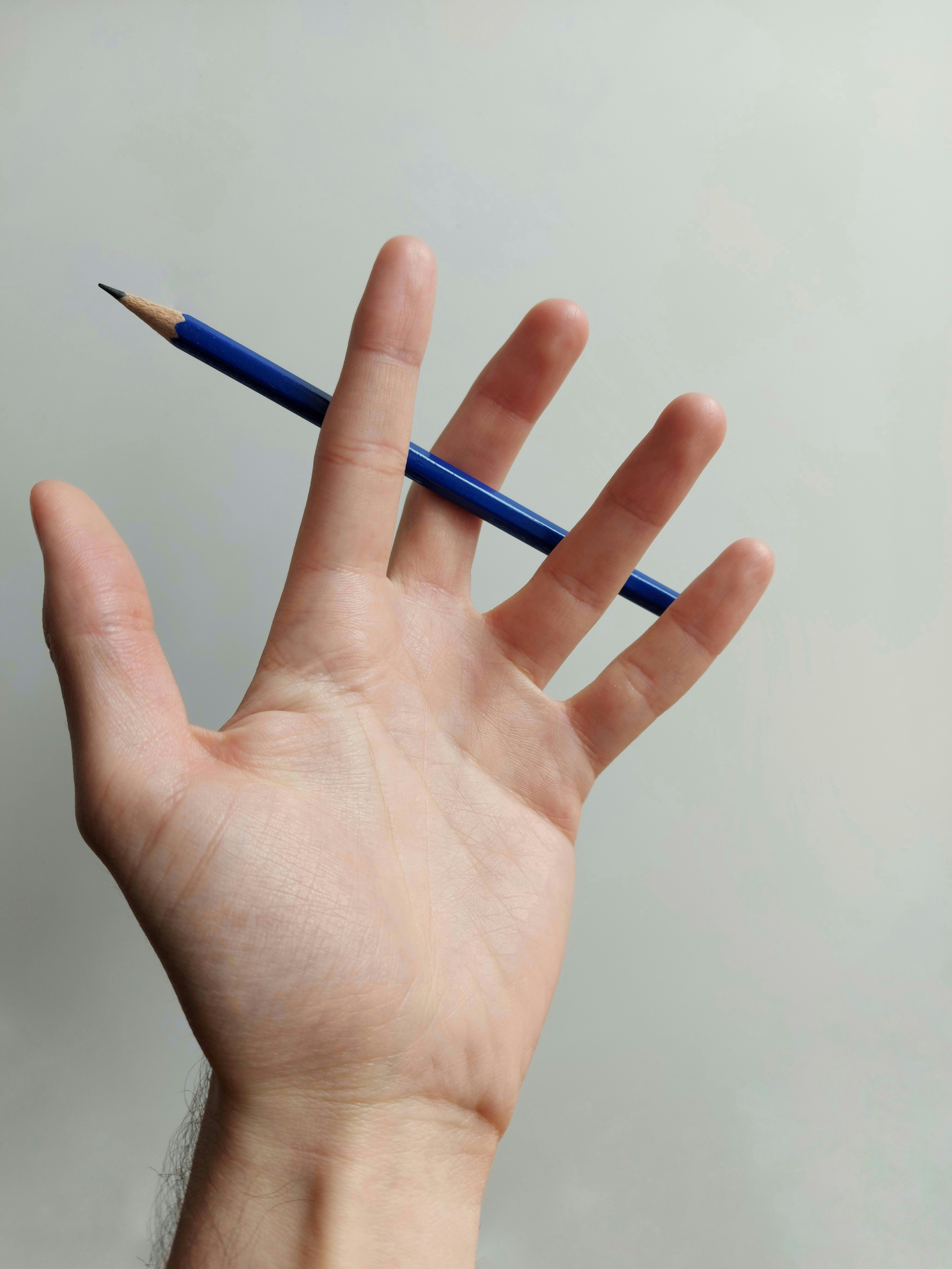
And there you have it, fellow magic enthusiasts! From the classic “Rubber Pencil” to the mind-bending “Pencil Through Hand,” we’ve explored the incredible potential hidden within an everyday object. The humble pencil, as we’ve seen, is far more than just a writing tool; it’s a powerful instrument of illusion, a gateway to mastering fundamental magical principles, and, as our resident street magician “The Professor” reminds us, a testament to the idea that true magic lies in the performer, not the prop.
We started this journey asking how to do a magic trick with a pencil, and we hope you’ve discovered that the answer is multifaceted and exhilarating. It’s about understanding misdirection, honing your sleight of hand, and most importantly, practicing until your movements are as smooth as silk. These tricks aren’t just about fooling an audience; they’re about engaging them, sparking wonder, and creating unforgettable moments.
So, grab a pencil, find a mirror, and start your magical journey. Remember, every master magician started with a simple trick, a curious mind, and the dedication to practice. The world of pencil magic is vast and rewarding, offering endless opportunities to entertain, surprise, and delight. Go forth and make some magic! ✨
🔗 Recommended Links: Further Resources for Aspiring Magicians
Ready to dive deeper into the world of magic? Here are some resources and products that our team at Magic Trick™ highly recommends for anyone looking to enhance their pencil magic skills or explore new illusions.
- Pencils for Practice:
- Ticonderoga #2 Pencils (Pack of 12): Amazon.com | Walmart.com | Dixon Ticonderoga Official Website
- Essential Magic Books:
- “Mark Wilson’s Complete Course in Magic”: Amazon.com
- “The Amateur Magician’s Handbook” by Henry Hay: Amazon.com
- “Magic: The Complete Course” by Joshua Jay: Amazon.com
- Magic Accessories:
- Invisible Elastic Thread (for advanced levitation): Amazon.com | Etsy.com
- Beginner Magic Kits (for broader exploration): Amazon.com | Walmart.com
- Internal Magic Trick™ Resources:
- Explore more Close-up Magic
- Discover fascinating Magic History
- Master Card Tricks
- Learn incredible Coin Tricks
- Unleash your inner magician with Illusions
🔥 FAQ: Your Burning Questions About Pencil Magic Answered

Got more questions about turning pencils into props of wonder? We’ve got answers!
### How do I practice sleight of hand with a pencil?
Practicing sleight of hand with a pencil is all about repetition, precision, and natural movement.
Start Slow and Deliberate
Don’t rush. Perform the trick motions very slowly, focusing on each finger and hand movement. Understand why each movement is made and what it’s meant to conceal.
Use a Mirror
This is your best friend! As Scoutlife.org advises, “Practice in front of a mirror until your sleight of hand doesn’t appear obvious.” (Scoutlife.org). Watch yourself from different angles to identify any “flashes” where the secret might be revealed. Adjust your hand positions and angles accordingly.
Focus on Misdirection
Sleight of hand isn’t just about quick fingers; it’s about guiding your audience’s attention. Practice looking at the effect (e.g., the “floating” pencil) rather than your “dirty hand” (the one doing the secret work). Your audience will follow your gaze.
Relax Your Hands
Tense, claw-like hands scream “I’m hiding something!” Practice until your hands look natural and relaxed, even when performing complex moves like palming.
Record Yourself
Video yourself performing the trick. You’ll often spot subtle tells or awkward movements that you wouldn’t notice in a mirror.
### What are the essential materials for pencil magic tricks?
The beauty of pencil magic is its simplicity! You don’t need much, which makes it perfect for impromptu performances.
The Pencil Itself
✅ Standard #2 Pencils: These are ideal. Brands like Ticonderoga are excellent due to their consistent weight and feel. They are common, making them less suspicious. ❌ Novelty Pencils: Avoid pencils with unusual shapes, very bright colors, or excessive branding, as they might draw too much attention to the prop itself.
Optional Accessories
✅ A Wristwatch: For the “Magnetic Pencil” variation where you use the watch band as a hidden support. A slightly loose band works best. ✅ A Ring: For the “Levitating Ring” trick, a simple band-style ring (borrowed or your own) is perfect. ✅ Invisible Thread: For more advanced levitation effects, ultra-fine invisible elastic thread can be used, but this requires significant practice to master. ✅ Clear Tape: For securing a pencil in certain “Magnetic Pencil” variations, as suggested by Scoutlife.org.
### How can I make a pencil appear to levitate or float?
There are several ways to create the illusion of a levitating or floating pencil, ranging from simple to more advanced.
The “Magnetic Pencil” Illusion
This is the easiest way to make a pencil appear to float. As detailed in our guide, it involves either:
- Hidden Finger Support: Using a finger from your non-dominant hand to secretly press the pencil against your palm while your dominant hand’s fingers are open.
- Wristwatch Support: Slipping a hidden pencil under your watch band to support a second pencil, making it appear to stick to your wrist.
The “Levitating Ring” on a Pencil
This trick makes a borrowed ring appear to float up and down a pencil.
- The Secret: It typically involves a loop of invisible elastic thread. The thread is secretly looped around the pencil and the ring. By subtly moving your fingers or hand, you create tension in the thread, causing the ring to move as if by magic. This requires careful setup and practice to keep the thread invisible.
Advanced Invisible Thread Techniques
For true “levitation” where the pencil appears to float freely in the air, you’ll need invisible elastic thread (IET).
- Setup: A loop of IET is secretly attached to the pencil and then to your body (e.g., a button, ear, or another hand).
- Performance: By subtly moving your body or hands, you create tension on the thread, causing the pencil to rise, fall, or even spin. This is a highly skilled technique that takes years to master and is often used by professional magicians. It’s not for the faint of heart!
### What are the best easy pencil magic tricks for beginners?
For beginners, the best tricks are those that are easy to learn, require minimal setup, and have a strong visual impact.
1. The Rubber Pencil
- Why it’s great: Incredibly simple, requires only a pencil, and creates a surprising optical illusion. It’s often the first trick aspiring magicians learn.
2. The Magnetic Pencil (Hidden Finger Version)
- Why it’s great: Very visual, makes the pencil appear to defy gravity, and teaches fundamental misdirection and hand positioning.
3. The Jumping Pencil
- Why it’s great: A quick, startling effect that’s easy to reset and perform repeatedly. It relies on a simple, hidden finger movement.
4. The Vanishing Pencil (Basic Palm)
- Why it’s great: A classic magical effect (making something disappear) that introduces the concept of palming and misdirection, crucial skills for any magician.
These tricks build confidence and teach core principles without overwhelming a new magician with complex gimmicks or difficult sleight of hand.
### How do I perform a pencil through the hand illusion safely?
Performing the “Pencil Through Hand” illusion safely is paramount, especially if you’re attempting a DIY gimmicked pencil.
Use a Gimmicked Pencil
The most important safety measure is to never attempt to actually push a solid pencil through your hand! The trick relies on a specially prepared, gimmicked pencil that appears solid but is designed to separate or fold.
DIY Gimmick Safety
If you’re making your own gimmicked pencil (e.g., by splitting a Ticonderoga #2 pencil):
- Sharp Tools: Use a very sharp craft knife or utility blade. A dull blade is more likely to slip.
- Cutting Surface: Always cut on a protected, stable surface, away from your body.
- Gloves: Consider wearing cut-resistant gloves.
- Slow and Steady: Take your time. Don’t rush the cutting process.
- Secure Hinge: Ensure your hinge (elastic band or tape) is strong and securely attached so the pencil doesn’t accidentally break apart during performance.
Practice Smoothness
The illusion works best when the pencil separates and rejoins seamlessly. Jerky movements can not only reveal the secret but also potentially cause the pencil to snag or pinch your skin, even with a gimmick. Practice until the motion is fluid and controlled.
Audience Management
Perform this trick with confidence and maintain good angles. Don’t let spectators grab your hand or the pencil mid-performance, as this could expose the gimmick or cause injury.
### What is the secret behind the “Rubber Pencil” trick?
The “Rubber Pencil” trick isn’t magic in the sense of defying physics, but rather a clever optical illusion that plays on how your brain processes visual information.
Persistence of Vision
The main secret lies in a phenomenon called persistence of vision. When you rapidly shake the pencil up and down, your eyes can’t track its exact position at every single moment. Instead, the image of the pencil lingers on your retina for a fraction of a second.
Brain Interpretation
Your brain then stitches these rapidly changing images together, interpreting the quick, vibrating motion as a continuous, wavy line. This makes the solid pencil appear to be bending and flexing like rubber. It’s similar to how a series of still images creates the illusion of movement in a film.
No Gimmicks Required
The beauty of this trick is that it requires no special gimmicks or preparation—just a regular pencil and the correct technique of rapid, controlled shaking. This is why it’s such a popular and effective beginner trick.
### How important is misdirection in pencil magic?
Misdirection is absolutely critical in pencil magic, just as it is in almost every form of magic. It’s often more important than pure sleight of hand.
Guiding Attention
Misdirection is the art of controlling your audience’s attention. You want them to look exactly where you want them to look, and not look where the secret action is taking place.
Hiding the Secret
In pencil tricks like the “Magnetic Pencil” (hidden finger) or the “Vanishing Pencil” (palming), the secret move is often small and quick. Misdirection ensures that the audience’s eyes are focused on the apparent effect, or on your “empty” hand, while the actual deception happens unnoticed.
Creating the Illusion
Without effective misdirection, even perfectly executed sleight of hand can be exposed. It’s what transforms a secret move into a magical moment. For instance, when performing the “Magnetic Pencil,” your gaze and patter should draw attention to the pencil seemingly sticking to your hand, not to the finger secretly pressing it.
The Magician’s Gaze
A common technique is to look directly at the place where the magic is supposed to be happening. Your audience will instinctively follow your gaze, allowing you to perform the secret action elsewhere.
📚 Reference Links: Sources and Inspirations
We believe in transparency and learning from the best! Here are the sources that informed our comprehensive guide to pencil magic:
- The Spruce Crafts:
- “4 Easy Magic Tricks With Pencils and Wands”: https://www.thesprucecrafts.com/easy-magic-tricks-pencils-wands-2267076
- “Easy Magic Tricks: Pencil Magnet”: https://www.thesprucecrafts.com/easy-magic-tricks-pencil-magnet-2267011
- Scoutlife.org:
- “How to Do the Magnetic Pencil Magic Trick”: https://scoutlife.org/hobbies-projects/funstuff/184533/how-to-do-the-magnetic-pencil-magic-trick/
- Magic Trick™ Internal Resources:
- “The Magnetic Pencil Trick: Unleash Your Inner Magician 2024”: https://www.magictrick.app/magnetic-pencil-trick/
- Brand Official Websites:
- Dixon Ticonderoga: https://dixonticonderoga.com/