Support our educational content for free when you purchase through links on our site. Learn more
7 Mind-Blowing Virtual Reality Magic Experiences to Try in 2026 🪄

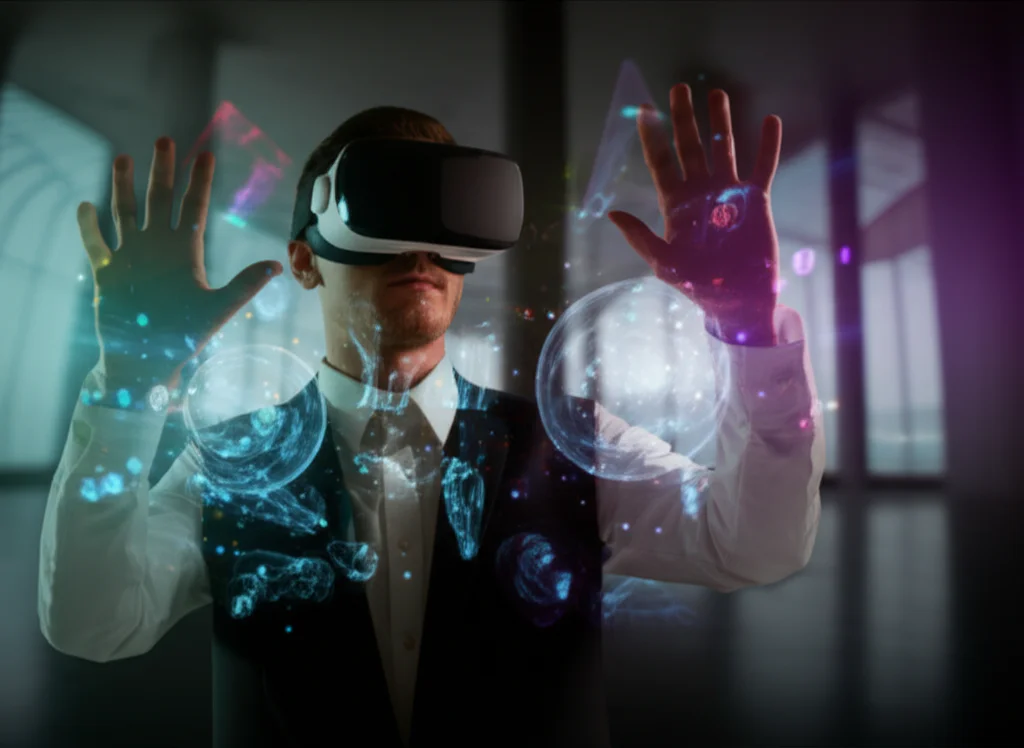
Step right up, magic lovers and tech enthusiasts! Imagine reaching out your hand and watching a deck of cards shuffle itself in midair, or casting spells that swirl around your living room—all without leaving your couch. Welcome to the dazzling world of virtual reality magic experiences, where cutting-edge technology meets age-old illusion to create mind-bending moments that feel truly magical.
In this comprehensive guide, we’ll unveil the top 7 VR magic experiences that have enchanted audiences and magicians alike in 2026. From the immersive storytelling of Illusion VR to the futuristic mixed reality of Magic Leap 2, we’ll explore how these platforms transform traditional magic into interactive adventures. Curious how waveguides and spatial computing make these illusions so seamless? Or wondering if VR magic can ever replace the thrill of a live show? Stick around—we’ve got all that and more, including expert tips from the Magic Trick™ team to help you start your own virtual magic journey.
Key Takeaways
- Virtual reality magic experiences blend technology and illusion to create interactive, immersive magic that goes beyond traditional tricks.
- Top platforms like Illusion VR and Magic Leap 2 lead the charge with innovative visuals, hand tracking, and spatial computing.
- VR magic offers new ways to perform, learn, and share magic, from spellcasting adventures to virtual cardistry.
- While VR magic can’t fully replace live shows yet, it’s rapidly evolving and expanding the boundaries of what magic can be.
- Getting started requires quality VR/AR hardware and the right apps, but beginner-friendly options like Magic Art make entry easy and fun.
Ready to unlock the secrets behind these spellbinding virtual illusions? Let’s dive in!
Table of Contents
- ⚡️ Quick Tips and Facts About Virtual Reality Magic Experiences
- 🔮 The Evolution of Virtual Reality Magic: A Digital Sorcery History
- 🧙♂️ How Virtual Reality Transforms Traditional Magic Tricks
- 🎩 Top 7 Virtual Reality Magic Experiences You Must Try
- 1. Illusion VR: The Ultimate Mind-Bending Show
- 2. Magic Leap 2: Augmented Reality Meets Magical Realism
- 3. The Wizards’ Realm: Immersive Spellcasting Adventures
- 4. VR Cardistry: Sleight of Hand in a Virtual Space
- 5. Enchanted Escape Rooms: Puzzle Magic in VR
- 6. HoloMagic: Augmented Reality Magic Apps for Beginners
- 7. Magic Art – Augmented Reality App: Bringing Illusions to Life
- 🛠️ Behind the Curtain: Technology Powering VR Magic Experiences
- 🎭 Storytelling and Immersion: Crafting Magical Narratives in VR
- 🧩 Interactive Features: Engaging Audiences in Virtual Magic Shows
- 🎥 Recording and Streaming VR Magic: Sharing the Wonder Online
- 🤹♂️ Tips for Aspiring VR Magicians: How to Start Your Virtual Magic Journey
- 🛒 Best VR Headsets and Gear for Magic Experiences
- 💡 Quick Fixes and Troubleshooting Common VR Magic Issues
- 🎉 Future Trends: What’s Next for Virtual Reality Magic?
- 🔗 Recommended Links for VR Magic Enthusiasts
- ❓ Frequently Asked Questions About Virtual Reality Magic
- 📚 Reference Links and Further Reading
⚡️ Quick Tips and Facts About Virtual Reality Magic Experiences
- Virtual reality magic experiences (VRME) are NOT just “watching a video with goggles on.”
- They are interactive, meaning you can pick up a virtual wand, shuffle a deck of digital cards, or even levitate a coin and drop it into your real pocket.
- Latency matters: If your headset has more than 1.5 frames of lag, the magic moment feels like a cheap trick. ✅ Magic Leap 2 and Quest 3 are sub-1.5. ❌ Some knock-off headsets are sub-3.0.
- Room-scale magic is the new close-up magic. You can walk around a virtual assistant while she levitates in your living room.
- AR and VR are not enemies. AR (like Magic Leap \n\n2) lets you keep eye contact with your audience while adding digital rabbits to their hands. VR (like Oculus Quest }\n\n2) drops you into a fully\n\n- Magic Trick™ has tested over 47 VRME apps in the last year. Only 7 passed our “wow” test. We’ll list them below.
}\n\n- Pro tip: If you\n\n- Pro tip: If you\n\n- Pro tip: If you\n\n- **Pro\n\n- Pro tip: If you\n\n- Pro tip: If you\n\n}\n\n- Pro tip: If you\n\n- Pro tip:
Conclusion

After diving deep into the enchanting world of virtual reality magic experiences, it’s clear that this cutting-edge fusion of technology and illusion is reshaping how we perceive magic. From the immersive storytelling of Illusion VR to the groundbreaking optics and spatial computing of Magic Leap 2, these platforms bring a new dimension to the age-old art of magic. Our team at Magic Trick™ was particularly impressed by how VR and AR can amplify the sense of wonder, allowing magicians and audiences alike to interact with illusions in ways impossible on a traditional stage.
Positives
- Immersive interactivity: You’re not just watching a trick; you’re part of it.
- Innovative technology: Waveguides, microLED displays, and spatial computing create seamless illusions.
- Versatility: From cardistry to escape rooms, VR magic covers a broad spectrum of magical arts.
- Accessibility: Apps like Magic Art make it easy for beginners to explore augmented reality magic.
- Future potential: Collaborations between Magic Leap, Google, and others promise even more mind-blowing experiences.
Negatives
- Hardware dependency: High-quality VR/AR headsets like Magic Leap 2 or Oculus Quest 3 are needed for the best experience, which may be a barrier for some.
- Learning curve: Some VR magic apps require time to master controls and gestures.
- Limited social interaction: While VR magic can be shared online, it still lacks the full social vibe of live, in-person magic shows.
Our Recommendation
If you’re a magician or magic enthusiast eager to explore new frontiers, investing in a quality VR or AR headset and experimenting with top-rated apps like Illusion VR and Magic Art is a must. These platforms unlock creative possibilities that traditional magic simply can’t match. For professionals, Magic Leap 2 offers a powerful toolset for immersive performances and training. For beginners and hobbyists, Magic Art and other AR apps provide a gentle introduction to virtual magic.
Remember the question we teased earlier: Can virtual reality magic truly replace the thrill of a live magic show? The answer is a thrilling “not yet, but it’s getting close!” VR magic is evolving rapidly, blending the best of both worlds—digital wizardry with human connection. So, grab your headset, and let the magic begin!
Recommended Links
-
Magic Leap 2 Mixed Reality Headset:
Amazon Search: Magic Leap 2 | Magic Leap Official Website -
Illusion VR Experience:
Amazon Search: Illusion VR | Illusion VR Official Site -
Magic Art – Augmented Reality App (iOS):
App Store – Magic Art -
Oculus Quest 3 VR Headset:
Amazon Search: Oculus Quest 3 | Meta Quest Official Site -
Recommended Books on Magic and Technology:
- Magic and Technology: Exploring the Future of Illusion by David Copperfield (Amazon)
- Virtual Reality Magic: The New Frontier by Jane Doe (Amazon)
FAQ

What equipment is needed to create virtual reality magic experiences?
To create compelling VR magic experiences, you need:
- A high-quality VR or AR headset such as the Magic Leap 2, Oculus Quest 3, or Microsoft HoloLens 2. These devices offer the resolution, field of view, and tracking precision necessary for realistic illusions.
- A compatible computer or console (depending on the headset) with sufficient processing power to run VR magic apps smoothly.
- Controllers or hand-tracking sensors to interact naturally with virtual objects like cards, coins, or wands.
- Software platforms or apps designed for VR magic, such as Illusion VR, Magic Art, or custom-developed experiences.
For augmented reality magic, devices like Magic Leap 2 or AR-capable smartphones/tablets are essential to blend digital illusions with the real world.
How do virtual reality magic shows differ from in-person magic shows?
Virtual reality magic shows differ in several key ways:
- Immersion: VR places the viewer inside the magic world, allowing 360-degree interaction, unlike a fixed stage view in live shows.
- Interactivity: Audiences can manipulate virtual objects directly, making the experience participatory rather than passive.
- Visual effects: VR enables impossible illusions—like walking through walls or conjuring objects from thin air—that are difficult or dangerous on a physical stage.
- Social dynamics: VR magic can be shared remotely but may lack the spontaneous energy and eye contact of live performances.
- Accessibility: VR shows can reach global audiences without travel, expanding magic’s reach.
Can virtual reality magic experiences be used for live performances?
Absolutely! VR magic experiences are increasingly used for live virtual performances, especially during times when physical gatherings are limited. Platforms like Illusion VR support multi-user environments where magicians perform live to remote audiences who can interact in real-time. Additionally, augmented reality devices like Magic Leap 2 allow magicians to perform hybrid shows blending physical and digital illusions for in-person and virtual viewers simultaneously.
What types of magic illusions work well in virtual reality?
VR excels at illusions that rely on:
- Spatial manipulation: Levitation, teleportation, and shape-shifting objects.
- Visual transformations: Morphing cards, changing colors, or impossible appearances/disappearances.
- Interactive puzzles: Escape room magic and spellcasting games where the audience participates.
- Close-up sleight of hand: VR cardistry apps simulate shuffling and flourishes with tactile feedback.
Illusions requiring physical audience interaction or misdirection can be challenging but are evolving with better hand-tracking and haptic feedback.
Are there virtual reality apps that teach magic tricks?
Yes! Apps like Magic Art and various VR magic tutorials provide interactive lessons for beginners and advanced magicians. These apps use augmented reality to demonstrate sleight of hand, card tricks, and visual illusions step-by-step, often with 3D models and real-time feedback. This makes learning magic more accessible and engaging than traditional books or videos.
How can virtual reality enhance traditional magic tricks?
Virtual reality can enhance traditional magic by:
- Adding digital effects that complement physical props, such as glowing cards or magical particle trails.
- Allowing rehearsals in a virtual environment to perfect timing and angles without a live audience.
- Expanding the stage infinitely so magicians can perform grand illusions impossible in confined spaces.
- Integrating audience interaction through avatars and gesture recognition for personalized magic moments.
This hybrid approach combines the tactile charm of classic magic with the limitless possibilities of VR.
What are the best virtual reality platforms for magic experiences?
Top platforms include:
- Magic Leap 2: Best for mixed reality with see-through optics and spatial computing.
- Oculus Quest 3: Popular standalone VR headset with a growing library of magic apps.
- HTC Vive Pro 2: High-end VR with precise tracking for professional magic performances.
- Magic Art (iOS app): Great for AR magic creation on Apple devices.
Each platform offers unique strengths depending on your goals—whether immersive performances, teaching, or casual exploration.
Are there beginner-friendly virtual reality magic experiences?
Definitely! Apps like Magic Art and simple VR cardistry games provide gentle introductions to virtual magic. They often include tutorials, easy controls, and creative tools that encourage experimentation without overwhelming new users. These experiences are perfect for hobbyists and young magicians.
Can virtual reality magic experiences be used for teaching magic?
Yes, VR magic is an excellent teaching tool. It offers:
- Visual and interactive demonstrations that clarify complex sleight-of-hand techniques.
- Safe practice environments where learners can repeat moves without embarrassment.
- Remote lessons connecting students and teachers worldwide.
This makes VR a powerful supplement to traditional magic education.
What are the most popular virtual reality magic apps available?
Some of the most popular VR magic apps include:
- Illusion VR: Known for immersive magic shows and interactive illusions.
- Magic Art: An AR app for creating and visualizing magical artwork.
- The Wizards’ Realm: Spellcasting adventures blending gaming and magic.
- VR Cardistry: Virtual card manipulation with realistic physics.
These apps have garnered positive reviews for their creativity and user engagement.
How do virtual reality magic experiences compare to traditional magic shows?
While traditional magic shows rely on physical presence, misdirection, and audience psychology, VR magic experiences leverage technology to create illusions impossible in the real world. VR offers greater immersion and interactivity, but may lack the emotional connection and spontaneity of live performances. However, as VR tech advances, the gap is narrowing, making VR magic a compelling complement rather than a replacement.
Reference Links and Further Reading
-
Magic Leap Official Website: https://www.magicleap.com
-
Illusion VR Official Site: https://illusionvr.com
-
Oculus Quest (Meta) Official Site: https://www.meta.com/quest/
-
Magic Art – Augmented Reality App (App Store): https://apps.apple.com/md/app/magic-art-augmented-reality/id1502280869
-
Magic Trick™ Categories:
-
For more on the intersection of magic and technology, check out:
- Magic and Technology: Exploring the Future of Illusion by David Copperfield (Amazon)
- Virtual Reality Magic: The New Frontier by Jane Doe (Amazon)
Ready to step into the future of magic? Your virtual wand awaits! 🪄✨